



Nel ASA Collaborates with Rheinmetall AG on Its Giga PtX Project for Decentralized Synthetic Fuel Manufacturing
Published: 15 Oct 2026
Author: Laxmi Narayan



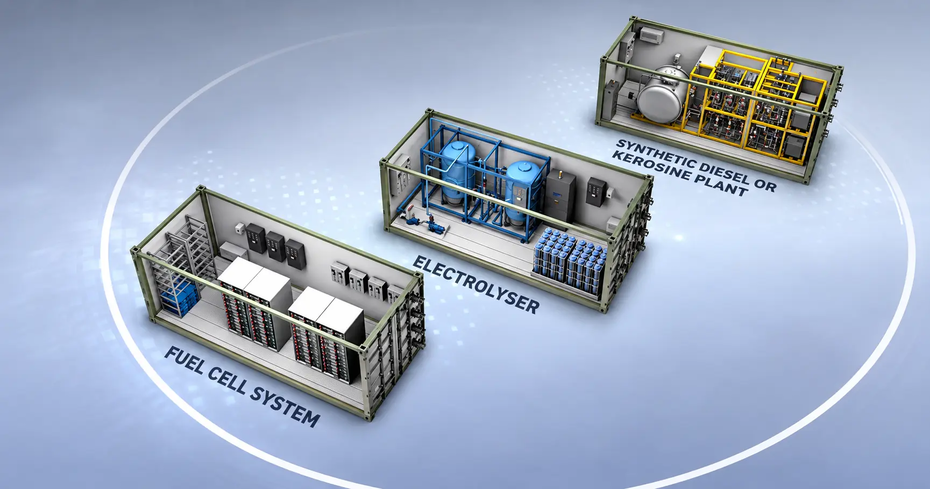
October 2026, Nel ASA and Rheinmetall AG signed an agreement (MoU) to explore local renewable fuel production through the Giga PtX project. The partnership combines Nel's technology for making hydrogen from water with Rheinmetall's ability to put systems together in order to look at a small, flexible framework that can produce low-carbon synthetic fuels.
The target is to improve energy security, lower dependence on risky fuel supply chains, and support defense and key infrastructure. Both companies will examine possible locations, availability of renewable energy, sustainable carbon sources, and the technical feasibility, with pilot projects as a possible next step.
Impact on the Military Aircraft Industry
The global military aircraft market size was valued at USD 52.87 billion in 2026 and is predicted to hit around USD 76.17 billion by 2034, growing at a CAGR of 4.66% from 2026 to 2034.
According to Precedence Research, the military sector focuses on reducing reliance on imported oil and the risky process of transporting fuel over long distances. The partnership could greatly improve the reliability of military fuel by allowing domestic production of synthetic fuel for defense operations and important sites.
Using well-developed fuel systems would make the change easier as no major equipment updates would be needed. This shows how important energy independence has become in today's defense planning. Success will depend on cost, plant safety, fuel supply, and pilot project results.
Impact on Renewable Energy Industry
The global renewable energy market size is predicted to increase from USD 2.04 trillion in 2026 to approximately USD 8.25 trillion by 2035, representing a CAGR of 16.84% from 2026 to 2035.
According to Precedence Research, growing clean energy practices will need affordable electricity, efficient conversion methods, reliable carbon sources, and investment in larger production facilities. Nel’s technology may help local manufacturing sites that turn renewable energy into hydrogen, opening new uses for power-to-X applications.
The alliance could speed up demand for equipment that makes hydrogen and for renewable hydrogen itself by linking clean electricity with synthetic fuel production. Additionally, this strategy could promote the use of renewable energy better in areas with limited power grid access.
Impact on the Logistics Industry
The global logistics market size is projected to grow to USD 12.68 trillion in 2026 and to approximately USD 24.36 trillion by 2035, at a CAGR of 8.05% from 2026 to 2035.
According to Precedence Research, Local production of synthetic fuels could strengthen energy for logistical infrastructure such as transport, emergency services, and important facilities. Spreading out production may increase supply options, reduce risks from global disruptions, and improve regional readiness.
Using current fuel systems could make it easier to add these fuels to current operations. The stable renewable electricity, sustainable carbon sources, reliable plant operation, and low production costs will determine if domestic plants can realistically support traditional fuel supplies.
Expert Opinion
From an expert perspective, the Nel–Rheinmetall corporation shows a strategic move to combine renewable energy advances with national security goals. Its biggest chance is making synthetic fuels near areas of imperative demand, which could lower supply chain risks and make better use of current fuel systems.
Electricity costs, how well the conversion works, carbon sources, and funding needs will affect its future implementation. This approach is still in the early stages, and it is not yet clear if it will be commercially successful. Successful pilot projects, trustworthy emissions studies, and competitive fuel prices will decide if this idea can grow to a large industrial scale.