



Pawtucket Introduces Mobile Health Unit to Decrease the Number of ER Trips
Published: 12 Aug 2026
Author: Deepa Pandey



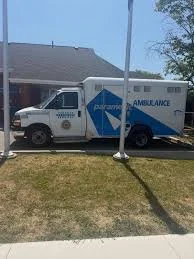
In August 2026, Pawtucket unveiled a Mobile Integrated Health Unit to decrease the number of ER trips and improve the quality of healthcare delivered to the community. It will have 2 emergency medical professionals and provide preventive care to the residents. Memorial Hospital was shut down in 2018, and Pawtucket was left stranded with no emergency facility nearby where they could take their patients.
They benefited from the presence of a hospital with an emergency department nearby. The fire department gets around 15,000 calls every year, and a significant proportion need a trip to the emergency department in a nearby hospital. The fire department required only around 10 minutes to respond to an emergency call, pick up the patient, and take them to the emergency department in the hospital.
When the Memorial Hospital was closed, the fire department had to take the patients to the next nearest emergency facility, which was Miriam Hospital. The distance to cover has significantly increased, along with higher wait time to hand off the patients, which resulted in their total time required from call response to patient drop-off almost tripling to about 30 minutes.
The fire department intends to minimize ER trips using these Mobile Integrated Health Units by providing preventive care in the community. It will help to reduce the burden on its resources and allow it to offer better service to its patients. This unit will have 2 emergency medical professionals, who will provide preventive healthcare for the residents in Pawtucket. It is equipped with various medical facilities to check blood pressure and sugar levels, provide medical guidance, wellness checks, and assessment of the safety of residents for trip hazards. According to data from the Rhode Island Department of Health, around 16.5 percent of total emergency department trips in the state were for falls.
Impact on the Healthcare Industry
According to Precedence Research, the launch of the mobile integrated health unit is expected to positively impact the healthcare industry. This is due to the fact that it minimizes ER trips and provides quick preventive care for the patients. This is important in today’s era when almost all the residents in a city own a personal vehicle, which results in significant traffic in important junctions in the city. This can lead to delays in reaching the emergency room, which is where preventive care helps a lot in the long term by minimizing ER trips.
Impact on the Ambulance Services Market
The global ambulance services market size is calculated at USD 51.37 billion in 2025 and is predicted to increase from USD 56.46 billion in 2026 to approximately USD 130.43 billion by 2035, expanding at a CAGR of 9.77% from 2026 to 2035.
According to Precedence Research, the introduction of the mobile integrated health unit is expected to benefit the ambulance services market. This is owing to the fact that it provides innovative solutions to minimize ER trips and provide preventive care. These solutions will prove to be useful for ambulance services as they grapple with traffic and distance issues in cities. Such an initiative will also encourage healthcare providers to actively invest in their research and development projects, which work on enhancing ambulance services.
Impact on the Healthcare Facilities Management Market
The global healthcare facilities management market size is calculated at USD 368.8 billion in 2025 and is predicted to increase from USD 417.6 billion in 2026 to approximately USD 889.6 billion by 2035, expanding at a CAGR of 9.2% from 2026 to 2035.
According to Precedence Research, the launch of the mobile integrated health unit in Pawtucket is expected to positively impact the healthcare facilities management market. This is because the fire department would have to use various innovative methods to provide power to the medical systems onboard. They would have to choose the most efficient way; they could use electric motors, electric batteries, or a conversion technique that converts combustion engine power to electricity.
They would have to consider various parameters such as supply reliability, weight, safety, and resilience to adverse conditions. They would also need next-generation medical facilities to provide preventive healthcare to the residents, as well as keeping the agility of the vehicle unaffected during the times of ER trips. Such innovative initiatives drive innovation in the healthcare facilities management market as they need to optimize various equipment according to the needs of the task. If this initiative yields positive results, it is expected to be implemented in various densely populated cities across the world. This launch will increase economic activity in the market.