



UK Logs Record EV Registrations in March
Published: 18 May 2026
Author: Laxmi Narayan



The United Kingdom’s automotive market recorded its strongest March performance since 2019, with total new car registrations rising 6.6% year-on-year to 380,627 units, according to the Society of Motor Manufacturers and Traders (SMMT). The growth was primarily driven by a rebound in private demand, which increased by 10.1%, alongside moderate gains in fleet and business segments, reflecting improved consumer activity despite ongoing economic pressures.
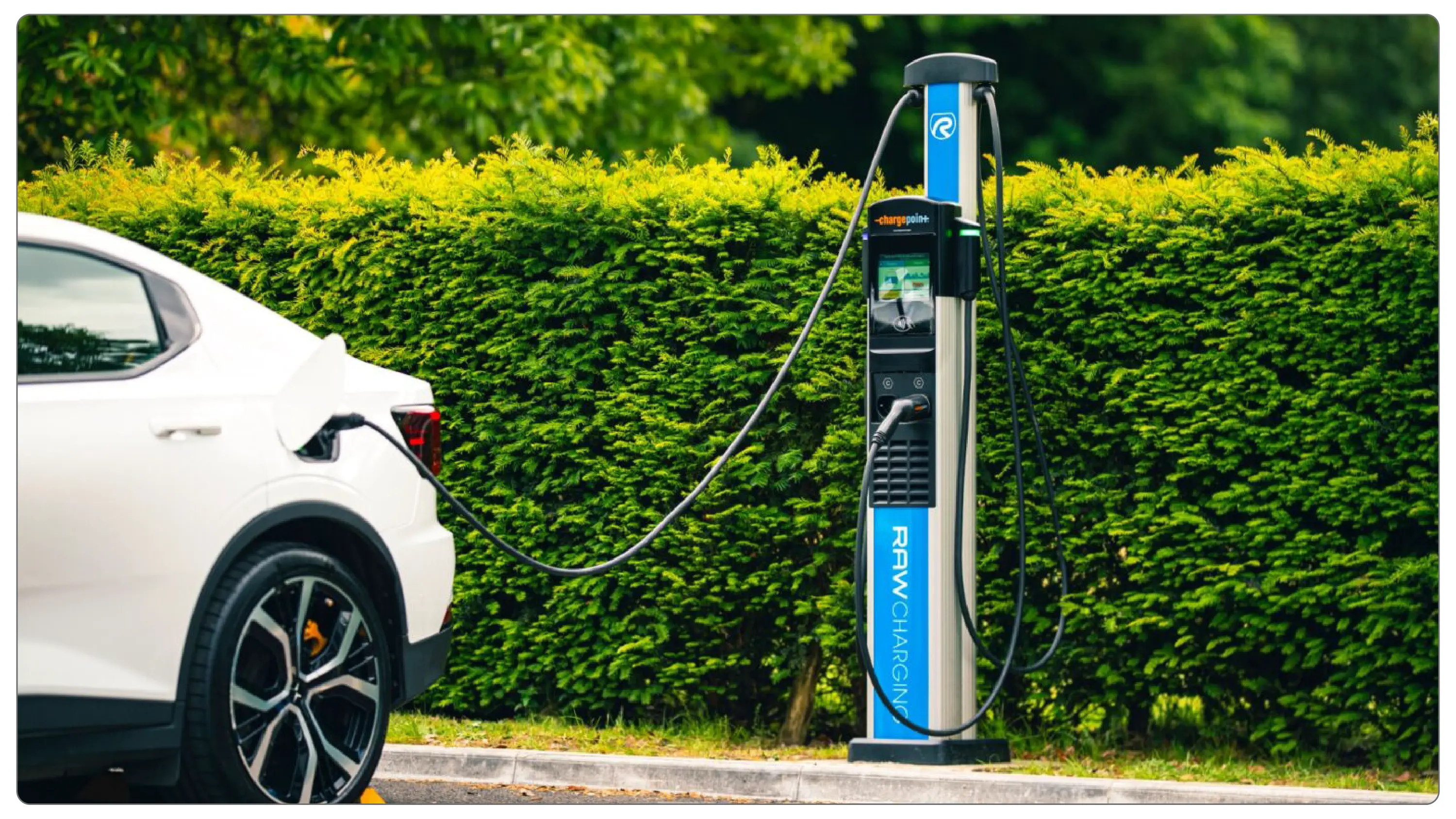
Electrified vehicles achieved a record monthly performance, with combined registrations of battery electric, plug-in hybrid, and hybrid models reaching 196,059 units. Battery electric vehicles (BEVs) led this growth, rising 24.2% year-on-year to a record 86,120 registrations. Plug-in hybrid vehicles also posted strong gains, increasing 46.9%, while hybrid electric vehicles recorded steady growth, contributing to a diversified expansion of low-emission mobility options in the market.
Despite these record volumes, BEV adoption continues to lag behind regulatory expectations set under the UK’s Zero Emission Vehicle (ZEV) mandate, which targets a 33% market share for 2026. BEVs accounted for 22.6% of total registrations in March and 22.4% on a year-to-date basis, indicating a significant gap between current demand levels and policy targets. Industry stakeholders have pointed to structural and economic challenges that are slowing the pace of transition.
According to the SMMT, higher-than-anticipated battery costs reported to be over 30% above earlier projections have impacted vehicle pricing, while industrial energy costs remain elevated compared to pre-2021 levels. Additionally, public charging expenses have surged by more than 140% over the past five years, further affecting the total cost of ownership for consumers. These cost pressures, combined with broader inflationary trends, are influencing purchasing decisions and slowing EV uptake.
Geopolitical uncertainty has also emerged as a key concern, with ongoing tensions in global energy markets expected to impact both supply chains and consumer sentiment. While rising fuel prices may encourage a shift toward electric mobility, the overall cost-of-living pressures could offset this effect, creating a complex demand environment for automakers.
According to Precedence Research, the global electric vehicle battery market size accounted for USD 92.72 billion in 2025 and is predicted to grow from USD 113.77 billion in 2026 to approximately USD 878.91 billion by 2035, expanding at a CAGR of 25.22% from 2026 to 2035 as rising electric vehicle adoption and increasing demand for high-performance battery technologies drive market growth.
A recent report by Precedence Research highlights that the electric vehicle battery market is benefiting from advancements in battery technology, growing investments in EV infrastructure, and supportive government policies aimed at accelerating the global transition toward sustainable transportation.