



University of Hawaii Cancer Center Opens Hoola Early Phase Clinical Research Center
Published: 05 Aug 2026
Author: Gautam mahajan



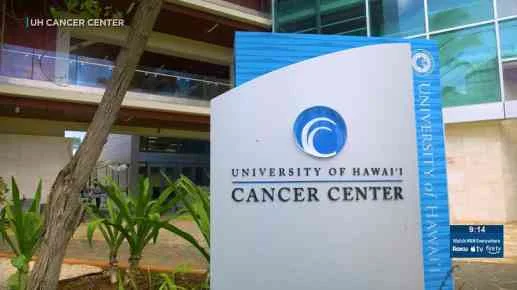
In July 2026, the Hoola Early Phase Clinical Research Center (EPCRC), Hawai'i's first facility specially designed to perform early-stage cancer clinical trials, was opened by the University of Hawai'i's Cancer Center. The new facility was established to give patients access to cutting-edge experimental cancer treatments without forcing them to go to U.S. mainland medical facilities. The program intends to boost Hawai'i's leadership in oncology research while improving patient care by increasing access to cutting-edge research-driven treatments inside the state.
The establishment of the Hoola Early Phase Clinical Research Center represents a significant improvement in the state's capacity for research and healthcare. Healthcare professionals, university researchers, government officials, charitable organizations, and business partners all worked together to construct the facility with the joint objective of bringing state-of-the-art cancer research closer to local populations. In addition to helping patients at every stage of the clinical trial process, the facility is anticipated to play a significant role in the development of novel cancer treatments.
The facility, which was created especially for Phase 1 and Phase 2 clinical investigations, comprises specialized treatment spaces, cutting-edge research infrastructure, an investigational pharmacy, and skilled clinical research teams. Under well-regulated conditions, these tools allow researchers to assess the safety dose and early efficacy of novel cancer treatments. The center ensures high-quality clinical research while offering each participant individualized treatment by adhering to stringent regulatory and patient safety standards.
The research center successfully finished its first early-phase clinical study before formally launching, providing that its clinical infrastructure and research skills were fully functional. The University of Hawaii Cancer Center intends to greatly increase its clinical research activities in the next years after reaching this milestone. By 2031 the group hopes to have around 30 ongoing early-phase oncology clinical trials underway, giving patients more chances to take part in cutting-edge treatment plans and speeding up the creation of new cancer treatments.
Eliminating the obstacles that many Hawaii residents had to overcome to obtain experimental cancer therapies is one of the main goals of the new center. Up until recently, patients frequently had to travel great distances to specialized cancer facilities on the US mainland, which led to extra expenses, stress from the trip, and more time spent apart from family. With the creation of the Hoola Early Phase Clinical Research Center, qualified patients can now participate in cutting-edge clinical research while receiving cutting-edge experimental therapeutics much closer to home.
By expanding participation from Hawaii’s distinctively diversified population, the center is also anticipated to improve the quality of cancer research worldwide. Increased participation in clinical trials aids in the development of more effective and inclusive cancer treatments by enabling researchers to better understand how novel treatments function across various genetic and ethnic backgrounds. The University of Hawaii Cancer Center seeks to improve cancer care for patients throughout Hawaii and the Pacific area while making significant scientific contributions through enhancing collaboration between researchers, physicians, and industry partners.
Impact on the Healthcare Industry
According to Precedence Research, to speed up the creation of novel treatments and enhance patient outcomes, the healthcare sector is spending more on cutting-edge clinical research infrastructure. By increasing access to early-stage clinical trials and allowing patients to obtain experimental treatments closer to home, the establishment of the Hoola Early Phase Clinical Research Center represents this spreading trend. It is anticipated that these efforts will enhance research capacities to increase patient involvement in clinical trials and facilitate the implementation of precision medicine throughout healthcare systems.
According to Precedence Research, the next wave of medical innovation is expected to be driven by partnerships between academic institutions, healthcare providers, government agencies, and biopharmaceutical businesses. It is anticipated that specialized early-phase research facilities will lower obstacles to clinical trial participation, encourage quicker assessment of novel treatments, and improve the general standard of cancer care. Investments in specialized clinical research facilities are anticipated to be crucial in furthering global healthcare innovation as healthcare firms continue to develop their research infrastructure.
Impact on the Oncology Market
The global oncology market size was calculated at USD 250.88 billion in 2025 and is predicted to increase from USD 279.73 billion in 2026 to approximately USD 732.45 billion by 2035, expanding at a CAGR of 11.31% from 2026 to 2035.
According to Precedence Research, the investments in the global oncology market are being driven by the rising incidence of cancer worldwide and the rising desire for cutting-edge treatment alternatives. By giving patients early access to experimental cancer treatments through Phase 1 and Phase 2 clinical trials, the establishment of the Hoola Early Phase Clinical Research Center is anticipated to improve oncology research. Increasing local access to cutting-edge clinical research is expected to improve patient outcomes, promote individualized cancer care, and hasten the discovery of new cancer medicines.
According to Precedence Research, to improve precision oncology and more effectively bring groundbreaking treatments to market, healthcare organizations, academic research institutes, and biopharmaceutical businesses are increasingly working together. It is anticipated that the creation of specialized early-phase cancer research facilities will boost patient enrollment, raise the standard of clinical evidence, and promote more creative oncology medication development. These developments are expected to increase access to next-generation cancer medicines for a variety of patient populations and promote the long-term expansion of the worldwide oncology industry.
Impact in the Precision Medicine Market
The global precision medicine market size is estimated at USD 119.03 billion in 2025 and is predicted to increase from USD 138.67 billion in 2026 to approximately USD 537.17 billion by 2035, expanding at a CAGR of 16.26% from 2026 to 2035.
According to Precedence Research, the worldwide precision medicine market is expanding significantly due to the increased emphasis on targeted medicines and individualized treatment approaches. It is anticipated that the establishment of the Hoola Early Phase Clinical Research Center will expedite the assessment of novel cancer treatments customized for each patient. The center will facilitate the development of more targeted treatment approaches and allow researchers to gather important clinical data from a variety of patient demographics by increasing access to early-phase clinical trials.
According to Precedence Research, precision medicine is receiving more funding from medical professionals, academic institutions, and biopharmaceutical firms in an effort to increase treatment efficacy and lower side effects. To validate new targeted medicines before they move on to larger clinical trials, dedicated early-phase clinical research facilities are essential. The Hoola Early Phase Clinical Research Center is expected to boost precision oncology innovation, foster industry-academia collaboration, and open up new growth prospects for the global precision medicine market.
About the University of Hawai’i Cancer Center
The U.S. National Cancer Institute has recognized the University of Hawaii Cancer Center as the sole cancer center in Hawaii for its excellence in cancer research, prevention education, and patient treatment. The center, which has its headquarters in Honolulu, unites scientists, doctors, and medical professionals to develop cutting-edge cancer treatments while attending to the particular healthcare requirements of Hawaii and the Pacific area. To enhance patient outcomes, the center uses a multidisciplinary approach to perform research in the fields of cancer biology, clinical trials, population sciences, and precision medicine.
Through strategic partnerships with healthcare providers, academic institutions, government agencies, and industry partners, as well as investments in cutting-edge clinical infrastructure, the center continues to enhance its research capabilities. The establishment of the Hoola Early Phase Clinical Research Center further demonstrates its dedication to increasing access to state-of-the-art cancer treatments, speeding up oncology research, and offering patients cutting-edge treatment alternatives nearer to their homes.