



Pneumoconiosis Market Size, Share and Trends 2026 to 2035
Pneumoconiosis Market (By Type: Asbestosis, Silicosis, Coal Workers' Pneumoconiosis (CWP), Others (Berylliosis, Byssinosis); By Diagnostic Method: Chest X-ray, CT Scan, Others; By Treatment Type: Medications , Pulmonary Rehabilitation, Others (Oxygen Therapy, Surgery); By End-User: Hospitals, Specialty Clinics, Diagnostic Centers) - Global Industry Analysis, Size, Trends, Leading Companies, Regional Outlook, and Forecast 2026 to 2035
Source: https://www.precedenceresearch.com/pneumoconiosis-market
 Get a Sample
 Table Of Content


What is the Pneumoconiosis Market Size?
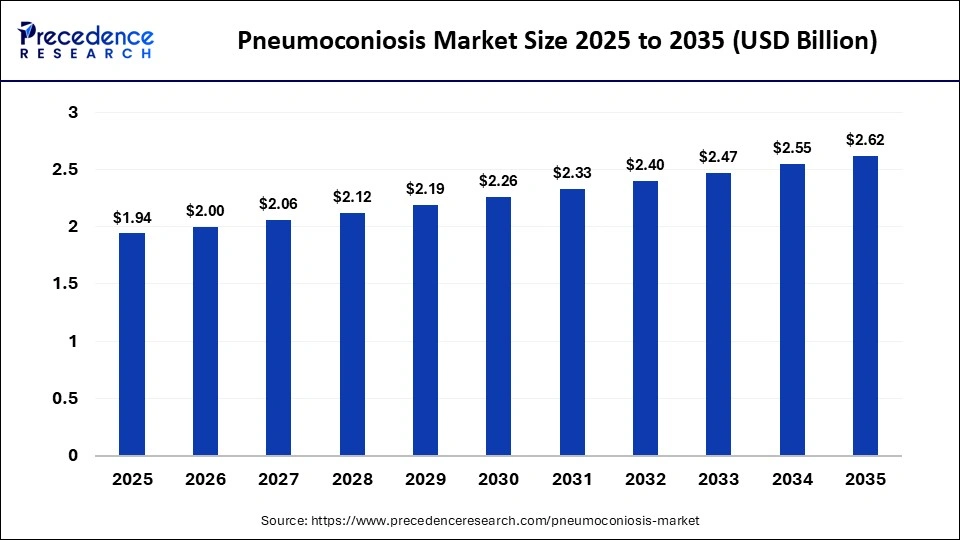
The global pneumoconiosis market size accounted for USD 1.94 billion in 2025 and is predicted to increase from USD 2.00 billion in 2026 to approximately USD 2.62 billion by 2035, expanding at a CAGR of 3.07% from 2026 to 2035. The market growth is attributed to rising occupational dust exposure in mining, construction, and industrial sectors, driving demand for early detection and treatment.
Market Highlights
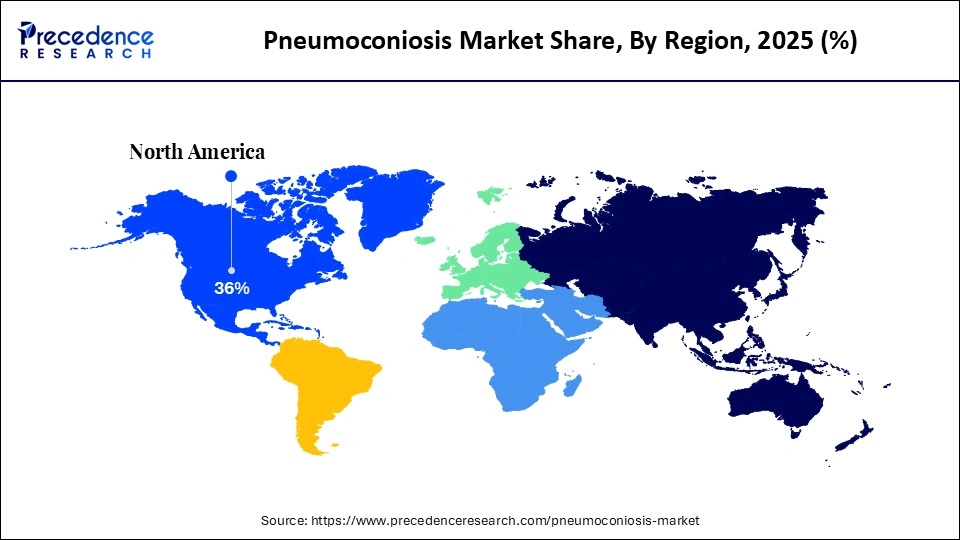
- North America dominated the market with approximately 36.0% of the market share in 2025.
- Asia-Pacific is expected to grow at the fastest CAGR in the pneumoconiosis market between 2026 and 2035.
- By type, the asbestosis segment contributed the highest market share of approximately 42% in 2025.
- By type, the silicosis segment is expected to grow at a strong CAGR between 2026 and 2035.
- By diagnostic method, the chest x-ray segment held a major market share of approximately 48.5% in 2025.
- By diagnostic method, the CT scan segment is expected to expand at the fastest CAGR from 2026 to 2035.
- By treatment type, the medications segment captured the highest market share of approximately 63.4% in 2025.
- By treatment type, the pulmonary rehabilitation segment is poised to grow at a healthy CAGR between 2026 and 2035.
- By end-user, the hospitals segment generated the biggest market share of approximately 56.7% in 2025.
- By end-user, the specialty clinics segment is expected to expand at the fastest CAGR between 2026 and 2035.
Market Overview
The pneumoconiosis market involves the diagnosis and management of a group of interstitial lung diseases caused by the inhalation of mineral dusts, such as silica, coal, and asbestos. The market is primarily driven by enhanced occupational health regulations, a rising geriatric population with chronic respiratory issues, and the integration of AI-driven imaging for early detection in high-risk sectors like mining and construction.
The rise in occupational dust exposure risk is fueling the market as more workers face silica and coal dust hazards. The burden of the disease on pneumoconiosis and its threat are persistent, with 62,866 new cases and 18,323 deaths in 2021, according to the 2025 Frontiers report. Furthermore, the emphasis on workplace dust control and worker health reporting continues to be a core driver of market growth.
Impact of AI on the Pneumoconiosis Market
Artificial Intelligence (AI) is increasingly reshaping the pneumoconiosis sector by enhancing early detection and management of occupational lung diseases. Radiology tools based on AI can analyze chest X-rays and high-resolution CT scans to detect pneumoconiosis lesions with greater accuracy. Deep learning software combines the results of imaging and pulmonary functioning examination. They provide anticipatory data about the disease development and assist clinicians to put the high-risk employees.
Growth Factors
- Integration of Telemedicine in Pulmonary Care: Rising telehealth adoption is driving remote screening and follow-up for dust-exposed workers in high-risk regions.
- Advancements in Pulmonary Rehabilitation Techniques: New rehabilitation protocols and devices are fuelling better patient recovery and long-term respiratory management.
- Rising Workforce Awareness and Education: Increased training on occupational lung disease risks is boosting early reporting, screening, and preventive measures in industrial sectors.
Pneumoconiosis Market Trends
- Enhanced State Surveillance Programs Increasing Case Detection: The NIOSH state-based respiratory disease surveillance programs were enhanced to assist in tracking cases of pneumoconiosis and silicosis. Broadened surveillance initiatives are causing clinical workload in pneumoconiosis diagnostics and strengthening the worth of integrated imaging, pulmonary-function testing, and follow-up. Such initiatives maintain investment in the infrastructure of workers' health and emphasize the significance of real-world data in influencing clinical practice.
- Public Health Focus on Occupational Respiratory Disease Integration: Respiratory Health Program emphasizes multidisciplinary research and prevention of dust-related respiratory diseases, including coal workers' pneumoconiosis and silicosis exposures. This integrated approach supports forward-looking diagnostic and prevention strategies at the national level, fueling broader adoption of occupational health standards and clinical services.
Rising Disease Burden and Technological Advancements Shaping the Pneumoconiosis Care Landscape
- The U.S. mining industry pneumoconiosis deaths from 2020 to 2023, a total of 1,754 CWP-associated deaths were recorded among U.S. residents aged ≥15 years, with 1,255 deaths occurring among mining industry workers, thus creating demand for pneumoconiosis solutions.
- According to the NIH 2025 report, global epidemiological analyses estimate 527,500 pneumoconiosis cases worldwide, with more than 60,000 new diagnoses annually, and cases concentrated in regions with heavy mining and construction exposure.
- Deep learning model trained on 49,872 chest radiographs showed 95% accuracy, 94.7% AUC, and 100% sensitivity in identifying pneumoconiosis from digital chest X-rays, indicating strong diagnostic performance, and supporting market adoption of AI diagnostics.
Market Scope
| Report Coverage | Details |
| Market Size in 2025 | USD 1.94 Billion |
| Market Size in 2026 | USD 2.00 Billion |
| Market Size by 2035 | USD 2.62 Billion |
| Market Growth Rate from 2026 to 2035 | CAGR of 3.07% |
| Dominating Region | North America |
| Fastest Growing Region | Asia Pacific |
| Base Year | 2025 |
| Forecast Period | 2026 to 2035 |
| Segments Covered | Type, Diagnostic Method, Treatment Type, End-User, and Region |
| Regions Covered | North America, Europe, Asia-Pacific, Latin America, and Middle East & Africa |
Segmental Insights
Type Insights
Why the Asbestosis Segment Dominated the Pneumoconiosis Market?
The asbestosis segment dominated the market in 2025, accounting for an estimated 42% market share, due to the long-term asbestos exposure in shipbuilding, construction, and insulation trades, where legacy asbestos use persisted. WHO estimates that in 2024, over 125 million workers continue to be exposed to asbestos around the world, resulting in chronic respiratory illnesses like asbestosis. Furthermore, older cohorts with a high burden of asbestosis enhance clinical service requirements, which have remained historically dominant in the market.
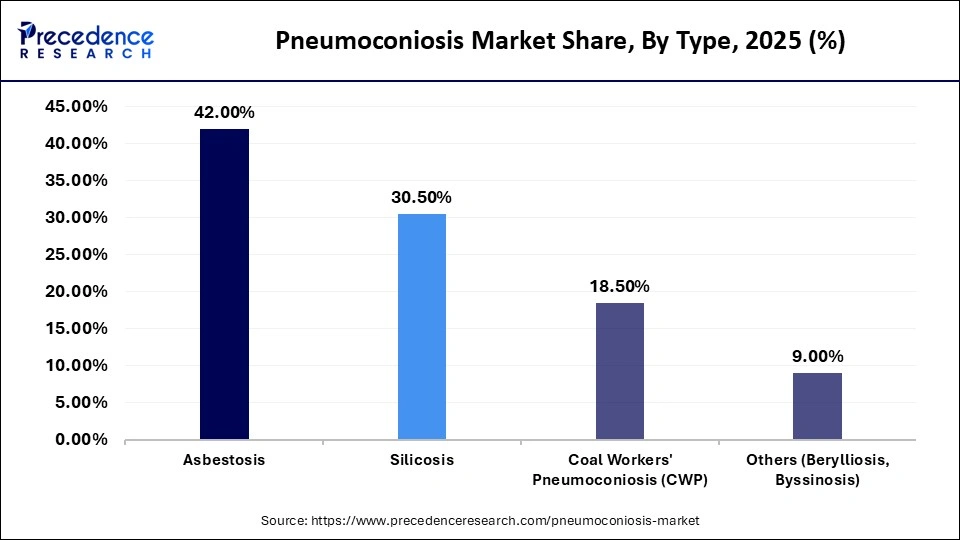
The silicosis segment is expected to grow at the fastest CAGR in the coming years, owing to ongoing silica dust exposures in mining, engineered stone production, and construction sites, where respirable crystalline silica remains prevalent. The regulatory focus on silica exposure reduction and case disclosure homogenously leads to investment in prevention and respiratory services of a special type. This cumulative exposure risk and advanced responses in clinical settings make silicosis a rapidly expanding and central component in the pneumoconiosis environment.
Diagnostic Method Insights
How the Chest X-Ray Segment Dominated the Pneumoconiosis Market?
The chest X-ray segment held the largest revenue share of approximately 48.5% in the market in 2025, due to its wide availability, low cost, and long-standing role in workplace health surveillance. Moreover, the mandatory chest X-ray surveillance under federal programs contributes to consistent longitudinal data, reinforcing its role as the primary diagnostic modality, facilitating the segment's growth.
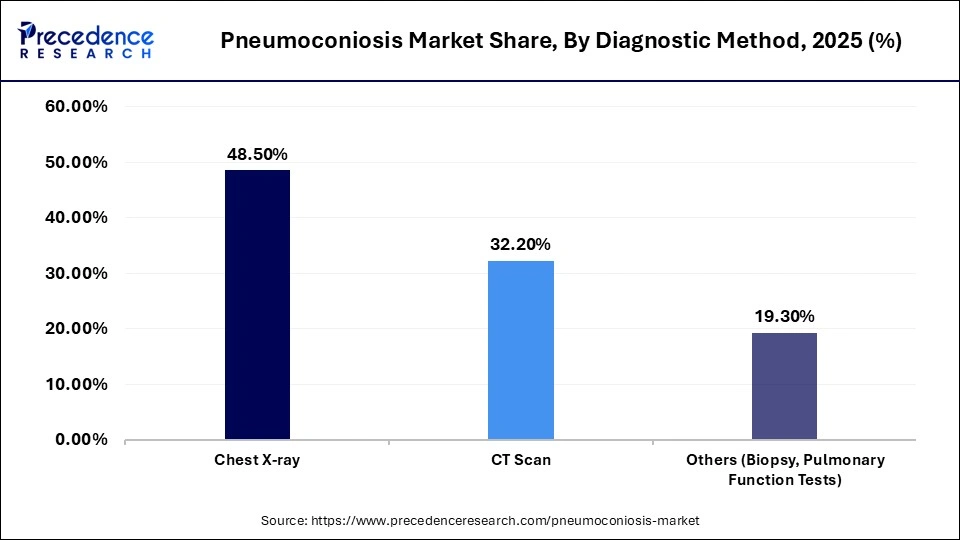
The CT scan segment is expected to grow with the highest CAGR in the market during the studied years, as they offer an excellent visualization of early abnormalities, such as parenchymal ones that X-rays would not detect. Additionally, emerging AI-driven CT analysis methods are projected to improve automated lesion recognition, driving the adoption of CT in workplace health programs.
Treatment Type Insights
Which Treatment Type Segment Dominated the Pneumoconiosis Market?
The medications (corticosteroids, antibiotics, bronchodilators) segment contributed the biggest revenue share of approximately 63.4% in 2025, because clinicians use drugs to alleviate symptoms and control complications that are caused by scarring of the lungs. Furthermore, the medication-centred care remains central because it provides the most immediate relief for chronic symptoms and supports worker retention in occupational health programs.
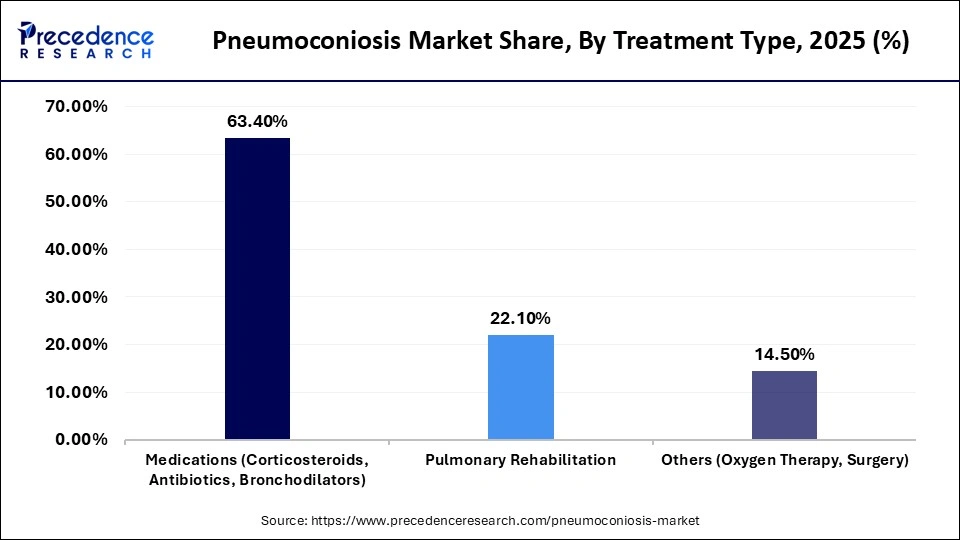
The pulmonary rehabilitation segment is expected to expand rapidly in the market in the coming years, as it improves functional capacity and life quality beyond what medications alone provide. Meta-analyses demonstrate that rehabilitation improves exercise tolerance, lung function scores, and health-related quality-of-life in patients with pneumoconiosis. Additionally, the increased recognition of the need for holistic care in respiratory illnesses supports the implementation of pulmonary rehabilitation in clinics and health systems.
End-User Insights
What Made Hospitals the Dominant Segment in the Pneumoconiosis Market?
The hospitals segment accounted for the highest revenue share of approximately 56.7% in the market in 2025, as they provide the full spectrum of diagnostic, treatment, and monitoring services essential for complex occupational lung disease cases. In 2025, the NIOSH Coal Workers' Health Surveillance Program showed that 4,015 chest X-rays were done in a hospital facility, indicating dependence on hospital radiology capacity for pneumoconiosis diseases. Furthermore, their depth of resources supports nationwide surveillance programs, making hospitals the predominant end user for pneumoconiosis diagnostics and care.
The specialty clinics segment is expected to witness the fastest growth in the market over the forecast period, owing to their ability to provide specialized knowledge and services in the management of occupational lung diseases. Moreover, the increase in the need for high-resolution diagnostic procedures and customized rehabilitation makes specialty clinics the most rapidly expanding end-user segment in the treatment of pneumoconiosis.
Regional Insights
How Big is the North America Pneumoconiosis Market Size?
The North America pneumoconiosis market size is estimated at USD 698.40 billion in 2025 and is projected to reach approximately USD 956.30 billion by 2035, with a 3.19% CAGR from 2026 to 2035.

Why North America Dominated the Pneumoconiosis Market?
North America led the market with a share of approximately 36% in 2025, due to robust public health surveillance and worker protection systems that focus on early diagnosis and long-term care of pneumoconiosis. Occupational respiratory health data are obtained by the CDC, reflecting a high rate of clinical work with dust-exposed populations. Furthermore, investments in advanced imaging technologies from leading diagnostic firms support the market in North American healthcare settings.
What is the Size of the U.S. Pneumoconiosis Market?
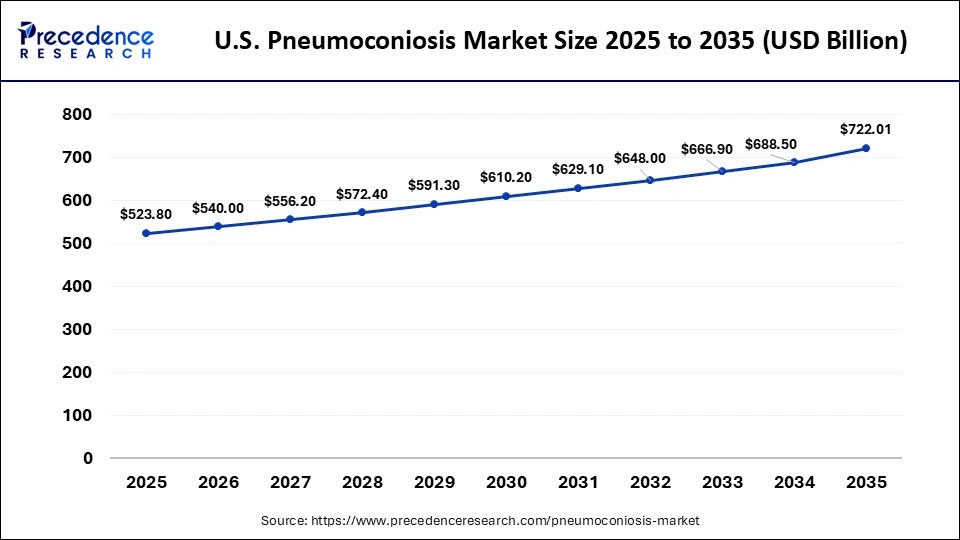
The U.S. pneumoconiosis market size is calculated at USD 523.80 billion in 2025 and is expected to reach nearly USD 722.01 billion in 2035, accelerating at a strong CAGR of 3.26% between 2026 and 2035.
U.S.: Pneumoconiosis Trends and Clinical Burden
U.S. leads the market, driven by growing occupational lung disease outcomes owing to high-risk coal mining and construction activities. Between 2020 and 2023, CDC surveillance data showed 1,754 deaths linked to Coal Workers' Pneumoconiosis (CWP) among U.S. residents aged ≥15 years. Moreover, increased clinical demand, reinforcing the focus on preventive occupational health strategies, is expected to fuel the market in this region.
How is Asia Pacific Expected to Grow Fastest in the Pneumoconiosis Market?
Asia-Pacific is expected to grow at the fastest CAGR in the market during the forecast period, owing to the large worker populations exposed to silica, coal, and respirable dust across expanding industrial sectors. Recent 2025 reports indicate that over 23 million workers in China and over 10 million in India have continued exposure to respirable crystalline silica dust. This has resulted in a high disease burden, leading to millions of cases of occupational-related lung disease, such as pneumoconiosis. Additionally, the rapidly accelerating clinical, surveillance, and diagnostic service needs position Asia-Pacific as a major growth region for pneumoconiosis-related healthcare delivery.
China Pneumoconiosis Prevalence and Diagnostic Service Demand
China is leading the charge in the region, facilitated by China's large exposed workforce, causing pneumoconiosis and silicosis diseases. According to the NIH 2023 report, Chinese health authorities reported approximately 951,000 total cases of pneumoconiosis, with about 450,000 active patients, primarily due to coal workers' pneumoconiosis and silicosis. Furthermore, the National programs under Healthy China 2030 expand early detection and rehabilitation facilities for pneumoconiosis, which is expected to fuel the market.
What Drives the Growth of the Pneumoconiosis Market in Europe?
Europe is expected to experience notable growth in the market. The growing prevalence of occupational lung diseases and the rising awareness of lung conditions increase demand for therapeutic intervention. The increased asbestosis diagnosis and the growing occupational exposure increase the risk of pneumoconiosis. The rise in industrial aging and the growing mesothelioma incidence drive the overall market growth.
Germany Market Trends
Germany is a major player in the European market. The prevalence of chronic lung diseases and the huge industrial activities increase the demand for pneumoconiosis treatment. The focus on detecting occupational diseases and the aging industrial workforce increases the diagnosis of pneumoconiosis. The COPD prevalence supports the overall growth of the market.
How Latin America is Growing in the Pneumoconiosis Market?
Latin America is expected to grow at a notable CAGR in the market. The growing mineral extraction industry and the rising chronic exposure increase the risk of pneumoconiosis. Occupational diseases awareness and the high risk of respiratory illness help with expansion. Occupational health regulations drive the market growth.
Brazil Market Trends
Brazil is experiencing rapid growth in the market. Growing silica exposure and the growing mortality burden increase the risk of pneumoconiosis. The need for pneumoconiosis diagnoses and the availability of portable respiratory devices drive the market growth. Government initiatives, like ANVISA, support the overall market growth.
Which Factors Drive the Growth of the Pneumoconiosis Market in the Middle East and Africa?
The Middle East and Africa region is expected to grow at a significant CAGR in the market. Mining development and the lack of workplace safety increase the risk of pneumoconiosis. Rapid industrial growth and the growing dust exposure increase the risk of pneumoconiosis. The emphasis on enhancing worker safety and the growing number of pneumoconiosis patients boost the market growth.
South Africa Market Trends
South Africa is a key contributor to the market in the MEA region. The growing miners' health screening and the rise in fibrogenic dust exposure increase the risk of pneumoconiosis. The growing coal mining helps with expansion. The transition to disposable technologies and the utilization of respiratory devices support the market growth.
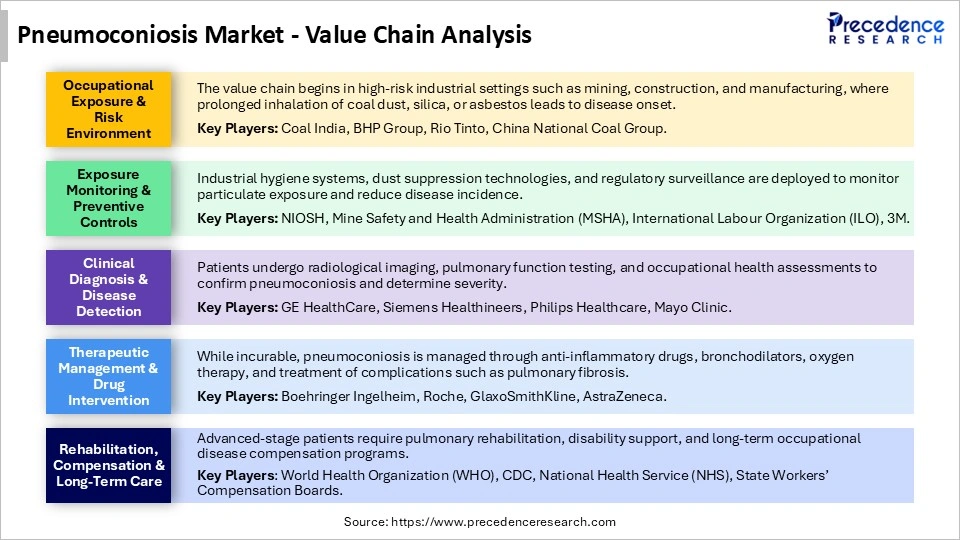
Supply Chain Analysis - Pneumoconiosis Market
- R&D: This stage focuses on the development of better medicines, anti-fibrotic drugs, and respiratory treatment solutions. To enhance patient outcomes, early detection, and better manage diseases around the world, companies invest in biomarker research as well as novel inhalation technologies and diagnostics.
Key Players: Boehringer Ingelheim, Roche, Pfizer, Novartis, and AstraZeneca - Clinical Trials and Regulatory Approvals: Pneumoconiosis treatments will undergo tests for their safety, effectiveness, and long-term effects before they can be commercialized as clinical trials. Regulatory compliance is assessed via clinical trials, manufacturing quality checks, and its effectiveness in treating patients.
Key Players: GlaxoSmithKline, Merck & Co., Boehringer Ingelheim, Roche, and Pfizer - Formulation and Manufacturing: Manufacturers prepare final patient medication in the form of an oral tablet, inhaler, and injection product, which further improves the effectiveness of the product and ease of administration by the patient. Advanced formulation technologies can be applied to improve the stability, bioavailability, controlled release, and drug efficacy of both drugs and pharmaceuticals.
Key Players: Cipla, Sun Pharmaceutical Industries, Dr Reddy's Laboratories, and Viatris - Patient Support and Services: There are a number of different types of support provided for patients, including respiratory counselling, disease management education, drug use counselling, and rehabilitation to ensure enhanced treatment adherence and quality of life.
Key Players: AstraZeneca, GlaxoSmithKline, Boehringer Ingelheim, Pfizer, and Roche
Pneumoconiosis Market Value Chain Analysis
Who are the Major Payers in the Global Pneumoconiosis Market?
The major players in the pneumoconiosis market include AstraZeneca PLC, Boehringer Ingelheim International GmbH, F. Hoffmann-La Roche Ltd., GlaxoSmithKline plc (GSK), Lupin Limited, Merck & Co., Inc., Novartis AG, Pfizer Inc., Sanofi S.A., and Teva Pharmaceutical Industries Ltd.
Recent Developments
- In January 2026, IMVARIA Inc., a health tech company leading in AI-driven digital biomarker solutions, announced strategic investments from new and existing investors to accelerate IMVARIA's growth and drive innovation in AI-powered healthcare. These investments were raised to expand its AI diagnostic services for multiple lung diseases and improve access for clinicians, particularly pulmonologists. (Source: https://www.businesswire.com)
- In October 2025, Gyre Therapeutics announced that its indirect, majority-owned subsidiary, Gyre Pharmaceuticals Co., Ltd., completed patient enrolment in the 52-week Phase 3 clinical trial of its Class 1 drug, Pirfenidone capsules, targeting pneumoconiosis treatment. The company enrolled 272 patients for trials conducted at 18 clinical research centers across China. (Source: https://ir.gyretx.com)
- In April 2024, the National Health Commission announced the opening of 829 sites in China to provide free treatment for patients with pneumoconiosis. This helps migrant workers who often work for more than one employer in hazardous workplaces and cannot provide employment relationship certificates. (Source: https://english.news.cn)
Segments Covered in the Report
By Type
- Asbestosis
- Silicosis
- Coal Workers' Pneumoconiosis (CWP)
- Others (Berylliosis, Byssinosis)
By Diagnostic Method
- Chest X-ray
- CT Scan
- Others
By Treatment Type
- Medications
- Pulmonary Rehabilitation
- Others (Oxygen Therapy, Surgery)
By End-User
- Hospitals
- Specialty Clinics
- Diagnostic Centers
By Region
- North America
- Europe
- Asia-Pacific
- Latin America
- Middle East & Africa
For inquiries regarding discounts, bulk purchases, or customization requests, please contact us at sales@precedenceresearch.com
Frequently Asked Questions
Tags





Ask For Sample
No cookie-cutter, only authentic analysis – take the 1st step to become a Precedence Research client
 Get a Sample
.webp)



 sales@precedenceresearch.com
 Schedule a Meeting
