



BYD Strengthens European Electric SUV Ambitions with New 800V Blade Battery Model and Cell to Body Innovation
Published: 16 Feb 2026
Author: Precedence Research



Chinese electric vehicle giant BYD has officially broadened its European range with the release of its newest compact electric SUV. They added high-tech engineering and ultra-rapid charging to the competitive C-segment. The new model should be a significant development in the international product range of the company. It will have built-in features that are normally found only in high-end models, an 800-volt electrical system.
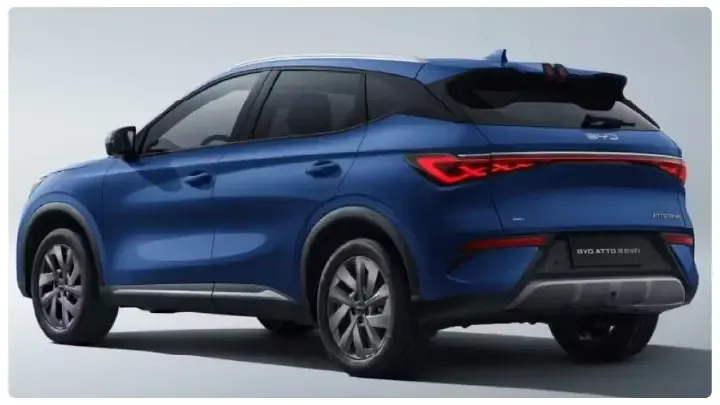
This action highlights BYD's dedication to providing the latest electric mobility offerings at affordable prices, especially in European centers, including the Iberian Peninsula, where government subsidies are accelerating the uptake of electric vehicles in the area. The launch is also indicative of an even larger vision of BYD to become a major player in the rapidly expanding European EV market.
The core of the SUV is the Cell-to-Body engineering model developed by BYD to combine a Blade lithium iron phosphate battery into the body of the car. In addition to the efficiency in the cabin space, this design has been shown to increase the overall structural rigidity and accidental protection. The Blade battery, which is cobalt-free and has superior durability, provides a total capacity of 74.8 kWh and supports ultra-fast charging. This safety, performance, and affordability mix makes the car an interesting alternative to already existing European and American electric SUV products and further solidifies the technological edge of BYD in next-generation EV platforms.
The use of an 800 V platform is one of the most characteristic technological benefits of the new SUV that enhances the efficiency of the charging process significantly and saves the time of the drivers. In the opportune environment, the system has the capacity to recharge the battery between 10% and 80% in about 25 minutes of DC fast charging up to 220kW.
This feature renders the car very convenient for daily commuters in the city and long-range travelers, as it tackles one of the most widely cited obstacles to EV adoption, namely, charging time. Moreover, the automobile will come with Vehicle-to-Load (V2L) capability, whereby it will provide power to external devices. This converts the SUV into a mobile power source that can be used during recreational or emergencies.