



China Unveils 24MW Undersea Datacenter Fueled by Wind Energy
Published: 22 Jun 2026
Author: Gautam Mahajan



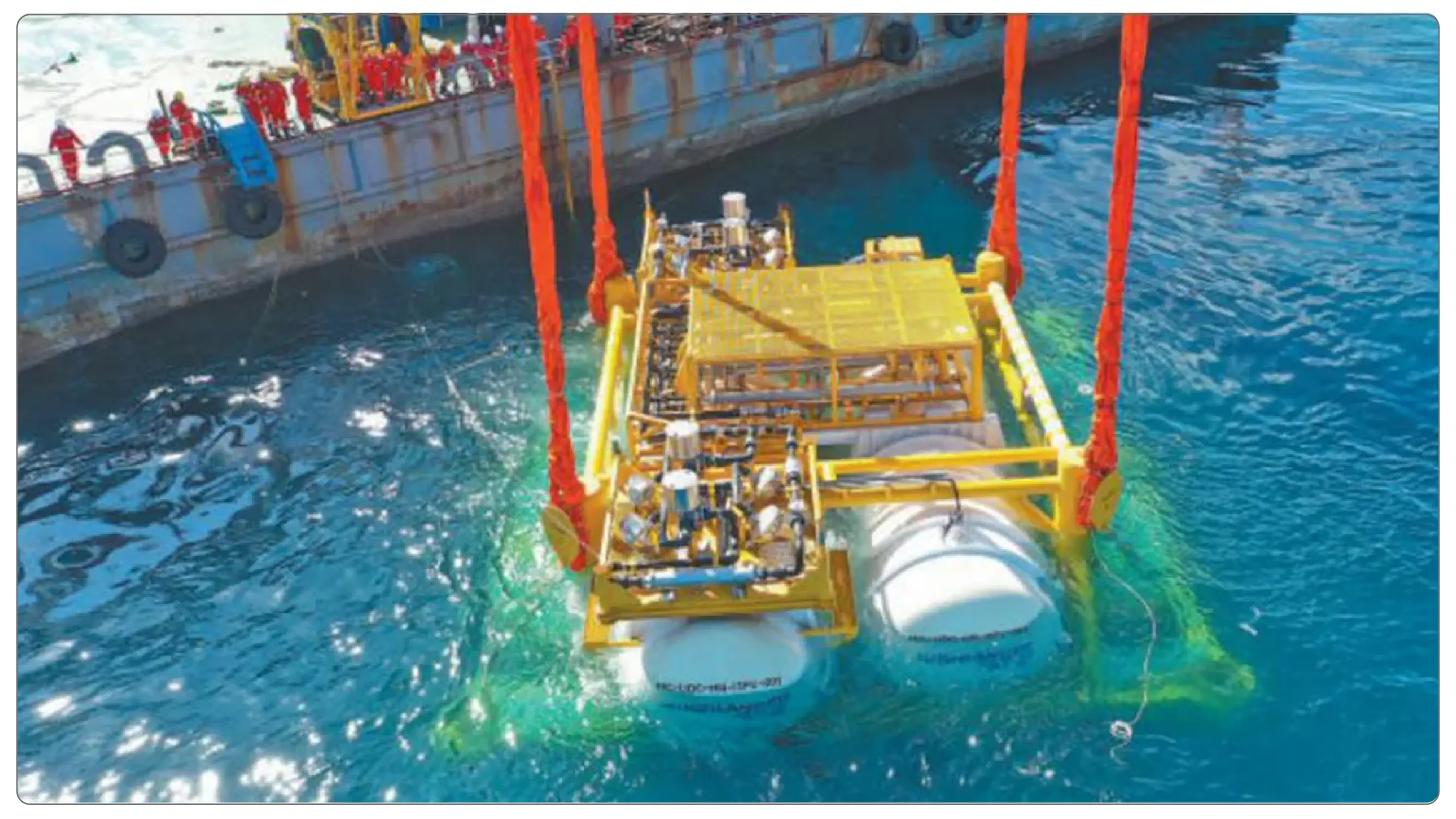
The world's inaugural wind-powered underwater datacenter has commenced operations near Shanghai, reflecting China's commitment to tackling the energy challenges posed by its burgeoning artificial intelligence sector. Launched in May, the Shanghai Lingang undersea datacenter demonstration project boasts an impressive capacity of 24 megawatts. This innovative initiative is a collaborative effort between HiCloud Technology and China Communications Construction, a state-owned enterprise.
According to Precedence Research, the Underwater Wireless Communication Market was valued at USD 2.35 billion in 2025 and is projected to grow from USD 2.70 billion in 2026 to approximately USD 9.36 billion by 2035, expanding at a CAGR of 14.80% from 2026 to 2035, driven by rising investment in underwater digital infrastructure.
China’s Underwater Data Center Goes Green
Chinese authorities say it uses over 20% less energy than land-based facilities, thanks to seawater cooling. Unlike traditional datacenters, which use 25–40% of electricity for cooling, it also reduces freshwater consumption significantly overall. Datacentres’ water use could hit 9.3tn litres by 2030, the UN warns. HiCloud launched a commercial underwater data centre in Hainan in 2023, while Shanghai’s new version is the first powered by offshore wind. Microsoft tested the concept in Scotland, but China advanced faster through stronger demand, industry, and policy support.
China Invests in Greener AI Infrastructure at Sea
China has made AI a major part of its economic strategy and last year called for faster data center construction. It also said clean energy for artificial intelligence infrastructure will rise significantly by 2030. The Shanghai Lingang project received 1.6bn yuan in investment. Underwater datacentres do pose some environmental risks, including disturbed sediments and warmer seawater, but experts say these effects are likely to stay local and manageable, as long as monitoring continues and the projects are developed carefully over time.
A recent report by Precedence Research highlights that the Underwater Wireless Communication Market is benefiting from the expansion of energy-efficient marine technologies.