



ChristianaCare introduces community-based organoid research core to advance personalized cancer therapy
Published: 10 Mar 2026
Author: Precedence Research



ChristianaCare has launched a pioneering organoid core laboratory within its Helen F. Graham Cancer Center & Research Institute, marking a significant advancement in community-based cancer research. The facility, developed under the Cawley Center for Translational Cancer Research, is designed to grow and analyze living tumor models derived directly from patient tissues. This approach enables clinicians and researchers to evaluate how individual tumors respond to specific treatments, potentially accelerating the adoption of personalized cancer therapies.
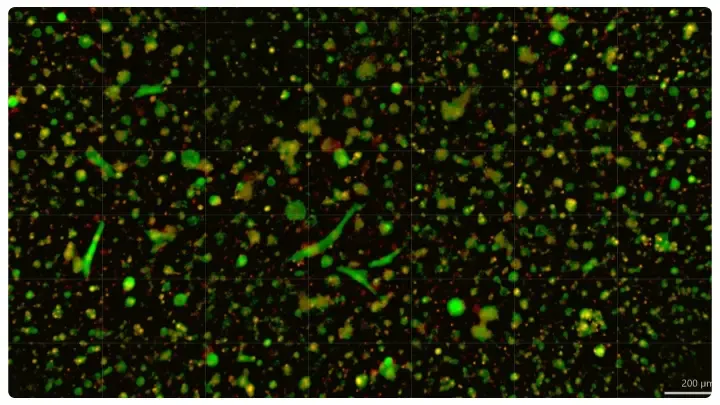
The newly established organoid core represents a rare capability in the United States. While several major academic institutions operate organoid laboratories, ChristianaCare’s program is the first to be embedded within a community cancer center. The initiative aims to bring advanced translational research closer to patients while bridging the gap between laboratory discoveries and real-world clinical treatment.
Tumor organoids are miniature three-dimensional cultures created from a patient’s tumor sample. Unlike conventional cell lines that may lose key biological characteristics over time, organoids maintain the genetic and molecular features of the original tumor. This allows scientists to study cancer behavior more accurately and test multiple treatment options in a controlled environment.
According to Thomas Schwaab, these models provide an innovative platform for evaluating drug responses and identifying the most promising therapies for individual patients. By replicating the biological complexity of real tumors, organoids enable researchers to screen drugs rapidly, discover predictive biomarkers, and determine which treatment combinations may produce the best outcomes.
ChristianaCare’s cancer program treats more than 70% of patients diagnosed with cancer in the state of Delaware, offering researchers access to a large number of treatment-naïve tumor samples. These samples, collected before exposure to chemotherapy or radiation therapy, provide valuable insight into how cancers develop and respond to new treatments without the confounding effects of prior therapy. Researchers believe this resource will significantly enhance the accuracy of drug testing and accelerate the development of more effective therapies.
The launch of the organoid core also addresses one of the major challenges in oncology drug development: the high cost and risk associated with bringing new cancer treatments to market. Developing a new oncology therapy can cost between USD 1.3 billion and USD 2.8 billion, with a significant portion of this expenditure occurring during preclinical research. Traditional animal models often fail to replicate human tumor biology, leading to high failure rates when drugs move into clinical trials.
Organoid-based testing may help reduce these inefficiencies by providing a more predictive model for early drug evaluation. By screening potential therapies directly on patient-derived tumor models, researchers can identify promising candidates earlier in the development process and avoid costly late-stage failures.
According to Precedence Research, the global compounding chemotherapy market is experiencing steady growth due to the rising incidence of cancer and increasing demand for personalized oncology treatments. The market size was valued at approximately USD 6.92 billion in 2025 and is projected to reach around USD 13.36 billion by 2035, expanding at a CAGR of 6.80% during the forecast period. Increasing adoption of customized drug formulations, technological advancements in oncology research, and the growing emphasis on precision medicine are key factors supporting market expansion.
By integrating organoid technology into its research infrastructure, ChristianaCare aims to accelerate the transition from experimental discoveries to clinical applications. The initiative also positions community cancer centers as active participants in advanced cancer research rather than solely treatment providers.