



New FDA Tool Enhances Access to Adverse Event Data
Published: 27 Apr 2026
Author: Deepa Pandey



The Food and Drug Administration (FDA) has introduced a comprehensive “unified dashboard” designed to identify and monitor unexpected side effects or injuries associated with approved medical products. This platform, known as the Adverse Event Monitoring System, integrates various reporting systems utilized across multiple product categories, including vaccines, medical devices, tobacco, food, cosmetics, and veterinary medicines.
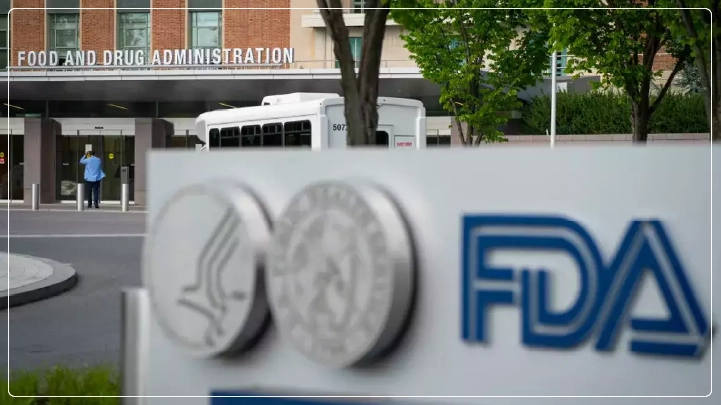
The FDA has described the transition to a unified reporting system as a “major achievement” in its commitment to delivering “radical transparency” regarding product safety. The agency noted that previous adverse event reporting systems were outdated and fragmented, resulting in inefficient use of taxpayer funds and creating gaps in surveillance. The new system offers a streamlined dashboard for reporting on drugs, biologics, vaccines, cosmetics, and animal food.
According to Precedence Research, the Medical Device Vigilance & Patient Safety Software Market was valued at USD 1.40 billion in 2025 and is projected to grow from USD 1.56 billion in 2026 to approximately USD 4.23 billion by 2035, expanding at a CAGR of 11.70% from 2026 to 2035, driven by increasing adverse event monitoring in clinical trials.
Legacy FDA Reporting Databases Transitioning to AEMS
The ongoing transition from legacy systems includes the following:
- FAERS (FDA Adverse Event Reporting System): Contains reports for drugs, biologics, cosmetic products, and color additives.
- VAERS (Vaccine Adverse Event Reporting System): Contains reports for vaccines. The FDA will display VAERS data in AEMS. VAERS is co-managed by the FDA and the Centers for Disease Control and Prevention.
- AERS (Adverse Event Reporting System): Includes two databases containing reports for animal drugs and animal foods.
Several new product centers will commence report processing in the AEMS system, including:
- MAUDE: Medical devices
HFCS: Human foods and dietary supplements - CTPAE: Electronic Nicotine Delivery Systems and other tobacco products.
New AEMS Platform Aims to Save Costs and Reduce FOIA Requests
The agency plans to transition historical adverse event data to the Adverse Event Management System (AEMS), phase out outdated systems, and implement advanced data analytics tools. By the end of May 2026, AEMS will deliver real-time reports for all FDA-regulated products, ensuring the protection of individually identifiable patient and consumer information. Previously, the FDA managed approximately 6 million reports each year across seven expensive and difficult-to-navigate databases, incurring costs of around $37 million annually. With the implementation of AEMS, the agency anticipates saving approximately $120 million over the next five years and decreasing Freedom of Information Act (FOIA) requests by providing reports in real time.
A recent report by Precedence Research highlights that the Medical Device Vigilance & Patient Safety Software Market is benefiting from the rising adoption of healthcare technological advancements.