



Structural Shifts Are Reshaping the Press Brake Industry
Published: 20 Mar 2026
Author: Precedence Research



The metal fabrication sector is witnessing a transition as manufacturers increasingly evaluate the long-term costs associated with traditional hydraulic press brakes. These devices were the industry standard for sheet metal bending for many years, but growing energy costs, upkeep needs, and operational inefficiencies are forcing businesses to reevaluate their use. Manufacturers are looking into advanced bending technologies that provide improved performance and energy efficiency as production environments become more automated and cost focused.
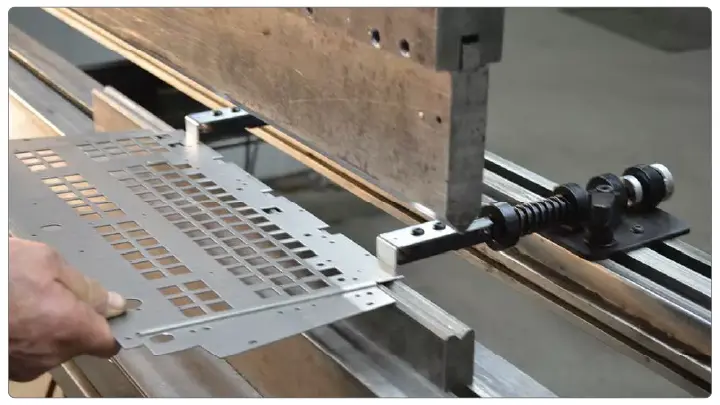
Modern servo-electric and hybrid press brake systems are showing promise as powerful substitutes for traditional hydraulic devices. In contrast to hydraulic presses, which constantly run pumps to maintain pressure even when idle, these sophisticated systems only use electricity during active bending cycles. Because of this, contemporary machinery can produce better accuracy and reliable bending results while using a great deal less energy. To increase productivity and reduce operating expenses, this change is pushing manufacturers to update their bending processes.
Rising Energy Consumption Challenges Traditional Hydraulic Machines
One of the major drawbacks of conventional hydraulic press brakes is their constant energy demand. Regardless of whether the machine is actively bending materials or not, the hydraulic pump must continue to run to maintain system pressure, which results in continuous electricity consumption. Manufacturers may eventually incur higher operating costs as a result. Furthermore, changes in the temperature of hydraulic oil can have an impact on machine performance, which may have an impact on bending precision and overall production consistency.
Many manufacturers are investing in sophisticated press brake systems with digital controls and intelligent compensation features to get around these restrictions. Even in a variety of operating environments, these systems are able to automatically modify bending parameters and sustain steady performance. These features increase productivity in metal fabrication facilities by enabling operators to produce precise bends with less manual intervention.
According to Precedence Research, the automatic bending machine market size accounted for USD 2.72 billion in 2025 and is expected to increase from USD 2.86 billion in 2026 to approximately USD 4.47 billion by 2035, expanding at a CAGR of 5.10% from 2026 to 2035 as industries increasingly adopt automated and energy-efficient metal forming technologies.
Automation and Smart Controls Improve Bending Efficiency
The increasing use of automation and digital monitoring systems in press brake operations represents another significant shift in the industry. Modern bending machines can monitor and optimize bending processes in real time thanks to their sophisticated sensors, CNC controls, and integrated software platforms. These technologies help manufacturers minimize material waste during production, increase accuracy, and shorten setup times.
Furthermore, metal fabrication facilities are increasingly using robotic automation. Press brake systems can function more consistently and require less manual labor when robots help load and position metal sheets. The adoption of contemporary press brake technologies is anticipated to accelerate throughout the global metal fabrication industry as manufacturing companies continue to prioritize efficiency, precision, and automation.