



Sabic Introduces ULTEM™ DU762 Resin, a Lightweight Thermoplastic Alternative to Metal for Smartphone Frames
Published: 20 Aug 2026
Author: Laxminarayan



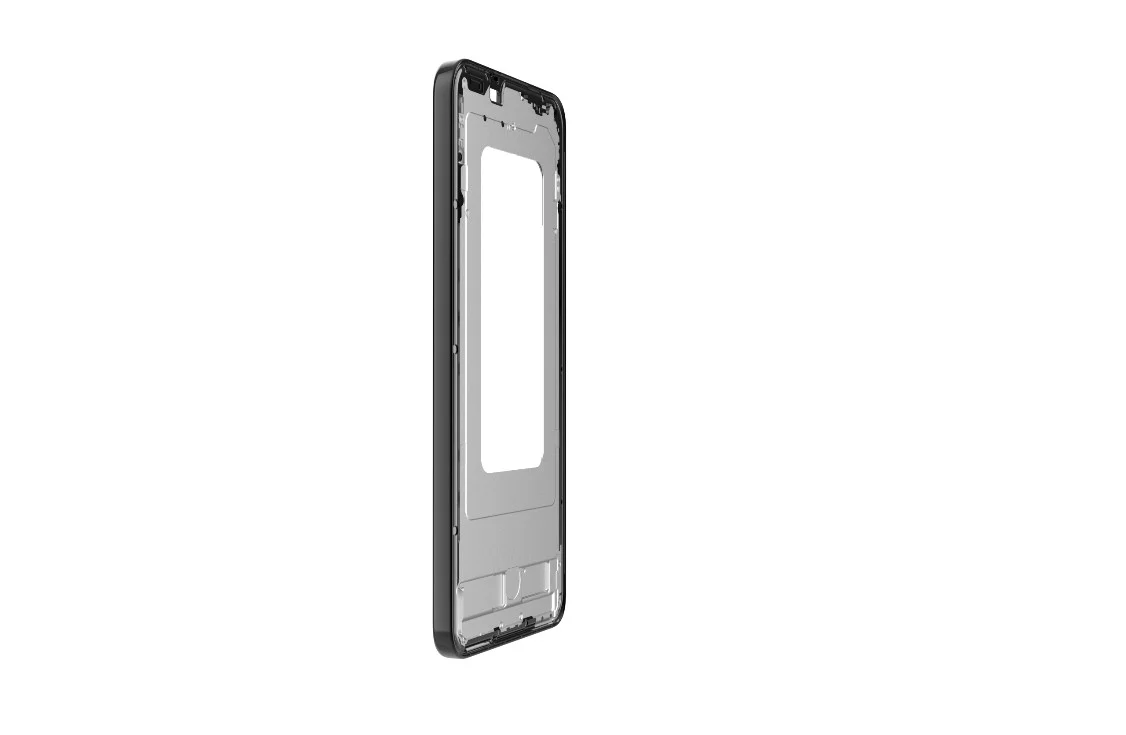
On August 18, 2026, SABIC launched a specialty polyetherimide (PEI) blend called ULTEM™ DU762, which is intended for use in the middle frames of smartphones. ULTEM™ DU762 offers improved ductility and chemical resistance that make it suitable for non-conductive physical vapor deposition (PVD) sputtering. The material is presented as a lightweight substitute for traditional metal and glass-fiber-reinforced polycarbonate parts. It enables manufacturers to obtain a metallic appearance without having to depend completely on metal structures.
SABIC's entire ULTEM™ range is known for its resistance to high temperatures, strength, and dimensional stability, which are demanding in electronics applications. This development would allow smartphone designers to reduce component weight without compromising structural and aesthetic requirements. The new grade sets standards for a crucial advancement in the move towards using advanced thermoplastic materials to replace conventional structural materials in ever more compact, lightweight, and performance-oriented consumer electronics frameworks.
Impact on the Consumer Electronics Sector
The global consumer electronics market size was calculated at USD 870 billion in 2025 and is predicted to increase from USD 943.08 billion in 2026 to approximately USD 1,949 billion by 2035, expanding at a CAGR of 8.40% from 2026 to 2035.
According to Precedence Research, the smartphone sector has the potential to gain the most from the use of ULTEM™ DU762. The fact that it is compatible with non-conductive PVD sputtering means that it is possible to achieve a luxury metallic appearance without the need for a completely metallic structural element. By using this material in place of metal in the middle of the frame, manufacturers would be able to lower the weight of the devices while maintaining flexibility and applying surface finishes.
The global acceptance of the material will depend on the results of qualification testing, cost competitiveness, yields, and superior performance under strict thermal and mechanical conditions. For smartphone companies that are competing on the basis of thinness, durability, style, and manufacturing efficiency, this launch functions as a vital component.
Impact on the Advanced Materials Sector
The global advanced materials market size is calculated at USD 73.63 billion in 2025, and is projected to hit around USD 78.25 billion by 2026, and is anticipated to reach around USD 134.49 billion by 2035, expanding at a CAGR of 6.21% from 2026 to 2035.
According to Precedence Research, ULTEM™ DU762 reinforces the move by the engineering advanced materials infrastructure towards the use of high-performance thermoplastics for diversified applications. It represents an achievement by combining specialty PEI materials designed to meet specific requirements, including ductility, dimensional stability, chemical resistance, and the ability to have a good surface finish.
This might lead resin producers to develop lighter, easier-to-process materials for use in electronics and precision components. There could be greater competition among the suppliers of PEI, polycarbonate blends, and other engineering polymers as manufacturers look for alternatives that provide a balance of mechanical performance, aesthetics, processing efficiency, and overall component cost-efficiency.
Impact on the Metal Additive Manufacturing Sector
The global metal additive manufacturing market size is estimated at USD 6.68 billion in 2025 and is anticipated to reach around USD 23.58 billion by 2035, expanding at a CAGR of 13.44% from 2026 to 2035.
According to Precedence Research, the introduction of thermoplastic frames could lead to competitive pressure on companies that produce conventional smartphone metal frames and the associated machining operations. Should thermoplastic frames be able to meet reliability and aesthetic demands on a large scale, manufacturers might decrease their reliance on metal-intensive methods and could instead shift some of the value to injection molding, finishing and polymer processing.
This move towards the open up the possibility of incorporating complex geometries into the molded parts. Yet the economic viability will largely depend on tooling costs, the price of the resin, production volumes, and manufacturing efficiency. The metal suppliers are expected to use polymers for high-end applications and manufacturing strategies.
Expert Opinion
From an expert point of view, the introduction of SABIC’s ULTEM™ DU762 is important since it meets a number of the key priorities in the manufacture of smartphones, reducing weight, offering greater design flexibility, improving the surface appearance, and enhancing material performance. The most promising aspect is not merely substituting metal with plastic and allowing designers to reevaluate the way smartphone frames are designed and produced. The high-performance consumer electronics place a great deal of importance on elaborate metallic finishes and compatibility with PVD processes.
However, the idea of using a different material should not be seen as meaning that metal will be completely replaced in the entire smartphone market. Commercial acceptance will depend on factors such as OEM qualification, drop performance, long-term dimensional stability, thermal cycling, chemical exposure, tooling economics, and consistency in high-volume manufacturing. If DU762 proves to have reliable performance and competitive economics on a large scale, it could speed up the wider transition towards advanced thermoplastics in structural electronics components and reinforce the role of specialty polymers in the design of next-generation devices.