



Non-Invasive Prenatal Testing Market Size, Key Companies, Company Market Share, Patient Volume, Treatment Adoption Rates, Pricing Analysis, Regulatory Landscape, Competitive Positioning, and Demand Forecast
Deepa Pandey, a Healthcare Industry Expert, highlights that the non-invasive prenatal testing market has reached USD 8.05 billion in 2026 and is on track to reach USD 20.89 billion by 2035, advancing at a CAGR of 11.27%. Key non-invasive prenatal testing market companies shaping the market include Genesis Genetics, Natera, Centogene, Eurofins LifeCodexx GmbH, while major growth segments span By Component, By Application, By End User and By Region.
Source: https://www.precedenceresearch.com/non-invasive-prenatal-testing-market
 Get a Sample
 Table Of Content


What is the Non-Invasive Prenatal Testing Market Size?
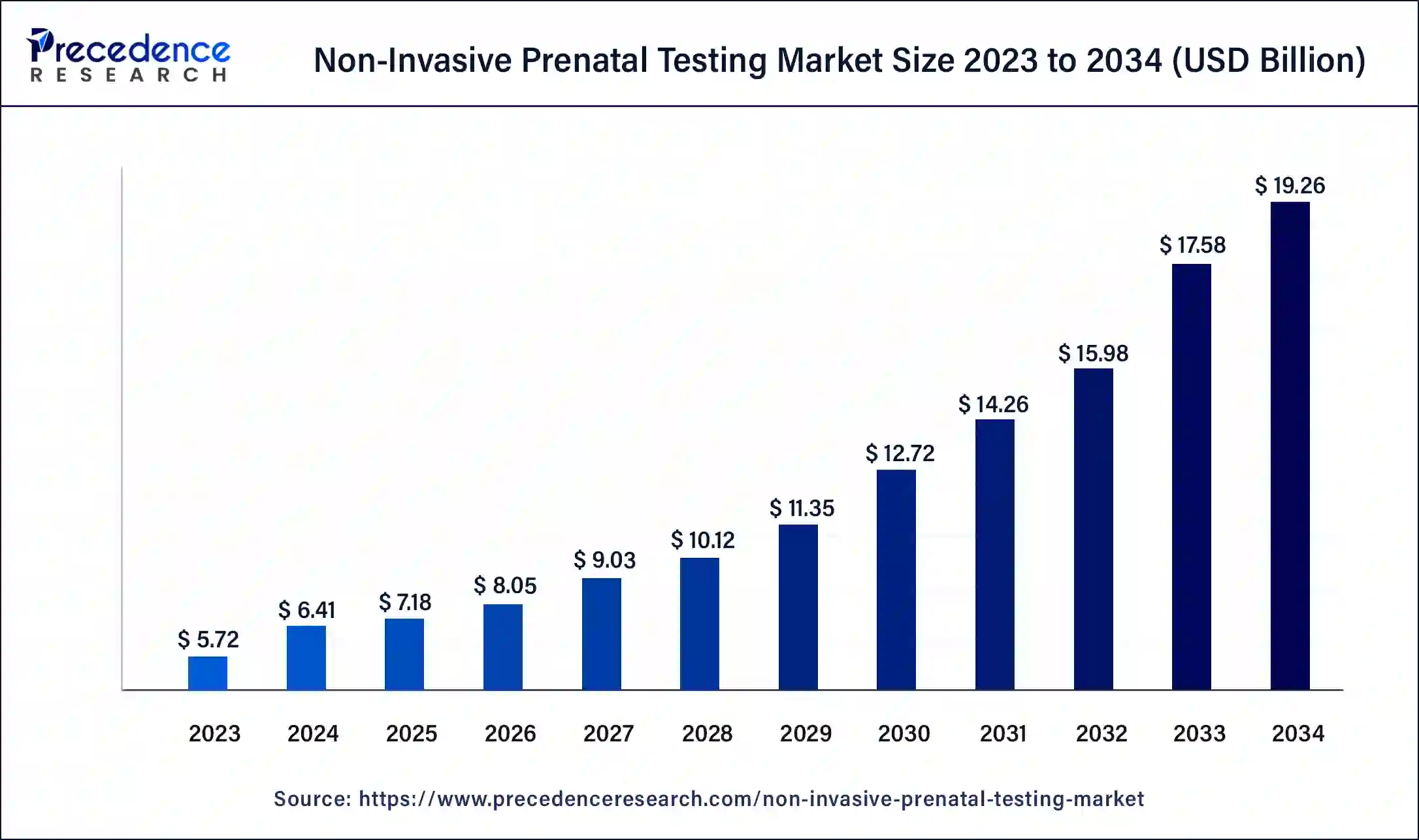
The global non-invasive prenatal testing market size is calculated at USD 7.18 billion in 2025 and is predicted to increase from USD 8.05 billion in 2026 to approximately USD 20.89 billion by 2035, expanding at a CAGR of 11.27% from 2026 to 2035. The non-invasive prenatal testing market is driven by the growing demand for safe and accurate prenatal screening as well as the advances in genetic testing technology.
Key Takeaways
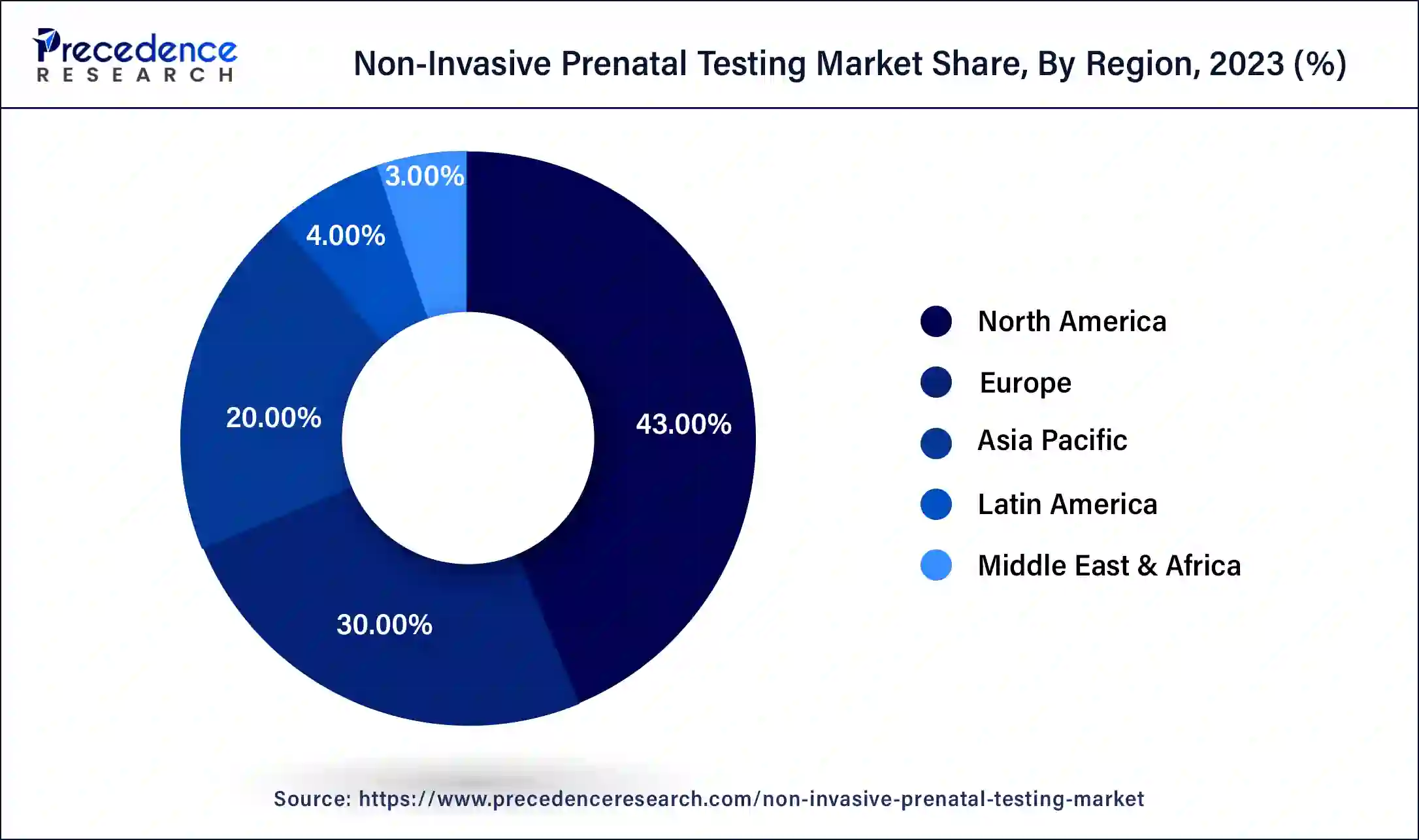
- North America accounted more than 43% of revenue share in 2025.
- Asia-Pacific is estimated to observe the fastest expansion between 2026 and 2035.
- By Component, the kits and reagents segment has held the highest market share of 45% in 2025.
- By Component, the instruments segment is expected to expand at a notable CAGR of 12.7% during the projected period.
- By Application, the down syndrome segment contributed more than 32% of revenue share in 2025.
- By Application, the turner syndrome segment is anticipated to grow at the fastest CAGR over the projected period.
- By End User, the diagnostic laboratories segment held the biggest revenue share of 63% in 2025.
- By End User, the hospitals segment is anticipated to expand at a remarkable CAGR of 13.9% over the predicted period.
What is Non-invasive Prenatal Testing Market?
The non-invasive prenatal testing market is a rapidly growing segment of genetic diagnostics focused on screening fetal chromosomal abnormalities using a simple maternal blood test. It eliminates the need for invasive procedures such as amniocentesis, making it a safer and widely preferred option for early prenatal screening. The market is experiencing a significant growth, driven by increasing maternal age, rising awareness of genetic disorders, and continuous advancements in next-generation sequencing and cell-free DNA analysis. NIPT has become a preferred diagnostic tool due to its high accuracy, early detection capability, and reduced risk, particularly for conditions such as Down syndrome, Trisomy 18, and Trisomy 13, reinforcing its importance in modern prenatal care.
How is AI Contributing to the Non-invasive Prenatal Testing Market?
AI is the reason why the whole NIPT process is more accurate. It gets the genomic data from large datasets and analyzes them to spot chromosomal differences more quickly and more accurately. Besides, it gives higher diagnostic interpretation, lowers false positives, helps in risk patterns prediction, and supports the automation of sequencing workflows as well as real-time data analysis for making clinical decisions. AI not only speeds up the testing process but also enhances the role of genetic counseling by providing predictive insights and patient-specific recommendations.
Non-Invasive Prenatal Testing Market Growth Factors
The realm of non-invasive prenatal testing (NIPT) is undergoing a remarkable surge within the healthcare domain, reshaping prenatal genetic screening practices. NIPT represents a groundbreaking paradigm shift in prenatal care, facilitating the detection of fetal chromosomal anomalies through straightforward maternal blood analysis, rendering invasive procedures like amniocentesis obsolete. This groundbreaking technology is garnering widespread acclaim and adoption for its non-intrusive attributes, precision, and diminished risks associated with both maternal and fetal health.
A principal impetus propelling the NIPT market is the burgeoning awareness and demand for early and precise prenatal diagnosis. Prospective parents increasingly favor NIPT over conventional methods due to its heightened accuracy in identifying conditions like Down syndrome and various chromosomal irregularities. The evolution of technology assumes a pivotal role in making NIPT more accessible and cost-effective. Furthermore, a surge in research and development endeavors aimed at broadening NIPT's scope to encompass a broader spectrum of genetic disorders fuels market expansion.
Notwithstanding its manifold advantages, the NIPT sector grapples with certain challenges. An overarching concern pertains to the expense associated with these tests, which may deter some individuals and healthcare systems. Ensuring affordability and widespread accessibility remains an ongoing challenge. Additionally, while NIPT boasts remarkable accuracy, it does not substitute for diagnostic methods and may occasionally yield false positives, necessitating follow-up invasive procedures. Ethical and regulatory dilemmas loom large, particularly regarding the potential misappropriation of genetic data and concerns surrounding privacy.
The NIPT arena unfolds promising prospects for healthcare entities, diagnostic enterprises, and research entities. Expanding the repertoire of detectable genetic anomalies and enhancing test accuracy can unlock new markets and avenues for revenue generation. Collaborations with pharmaceutical entities for drug development and precision medicine initiatives present growth avenues. Furthermore, venturing into burgeoning markets with escalating healthcare awareness and global expansion prospects holds substantial business potential for enterprises entrenched in the NIPT realm.
To summarize, the non-invasive prenatal testing market is flourishing owing to its non-intrusive, exceptionally precise attributes, coupled with heightened awareness among expectant parents. While challenges like affordability and ethical quandaries persist, the sector continually evolves through technological strides, offering multifarious business opportunities for stakeholders involved in prenatal care and genetic diagnostics.
What are the Major Trends Influencing the Market?
- Growing Adoption of Early Prenatal Screening: The increasing preference for early detection of chromosomal abnormalities is driving strong uptake of NIPT. Its high accuracy, non-invasive nature, and low clinical risk make it a widely preferred screening method among expectant parents and healthcare providers.
- Technological Advancements Enhancing Test Accuracy: Continuous improvements in next-generation sequencing and bioinformatics are significantly enhancing the sensitivity and specificity of NIPT. These advancements are improving diagnostic confidence and accelerating global clinical acceptance of the test.
- Rising Demand in Emerging Healthcare Markets: Expanding healthcare infrastructure in developing regions, along with rising awareness of prenatal care, is boosting NIPT adoption. Increasing disposable incomes are also enabling broader access to advanced genetic screening services.
- Cost Reduction and Improved Accessibility: NIPT providers are focusing on reducing testing costs through technological optimization and strategic partnerships. Expanded reimbursement coverage and pricing innovations are further improving affordability and expanding patient access worldwide.
Market Outlook
- Industry Growth Overview: The rise in maternal age, along with technological development and mothers' choice of non-invasive procedures like NIPT, has led to a rapid increase in the non-invasive prenatal testing market.
- Sustainability Trends: The main points are test accuracy improvement, test range (including microdeletions and single-gene disorders) expansion, and improvement through technology and reimbursement accessibility/affordability.
- Global Expansion: The market is attracting global attention, with North America at the forefront and Asia Pacific emerging as the fastest-growing region, primarily due to increased medical spending and awareness.
- Major Investors: The major players/investors, such as Illumina, Natera, Roche, BGI Genomics, LabCorp, and Quest Diagnostics, are mainly engaged in R&D and forming strategic partnerships.
- Startup Ecosystem: The new and small companies are trying to get attention by offering novel tests, getting investments, and producing point-of-care products to compete with the already established ones in the intensely competitive market.
Innovation and Technology
Advancement in NIPT will likely focus on improving precision through single-cell genomic analysis and artificial intelligence analytical platforms, as well as leveraging methylation profiling to find fetal-specific epigenetic signatures. Concurrently, standardization of testing protocols and cost-reduction strategies are critical to improving global accessibility. Among recent innovations, non-invasive prenatal testing based on cell-free fetal DNA has transformed prenatal screening by providing high sensitivity and specificity without the risks associated with invasive procedures such as amniocentesis or chorionic villus sampling.
Market Scope
| Report Coverage | Details |
| Market Size in 2025 | USD 7.18 Billion |
| Market Size in 2026 | USD 8.05 Billion |
| Market Size by 2035 | USD 20.89 Billion |
| Growth Rate from 2026 to 2035 | CAGR of 11.27% |
| Largest Market | North America |
| Base Year | 2025 |
| Forecast Period | 2026 to 2035 |
| Segments Covered | By Component, By Application, and By End User |
| Regions Covered | North America, Europe, Asia-Pacific, Latin America, and the Middle East & Africa |
Market Dynamics
Driver
Increasing incidence of genetic disorders
The escalating occurrence of genetic disorders plays a pivotal role in propelling the growth of the non-invasive prenatal testing (NIPT) market. As the frequency of genetic anomalies and chromosomal irregularities in newborns surges, there is an increasing demand for robust and precise prenatal screening methodologies. NIPT's capacity to detect these conditions during the early stages of pregnancy positions it as an indispensable instrument for prospective parents and healthcare providers. With more couples opting to have children later in life, the susceptibility to genetic disorders becomes more pronounced. Advanced maternal age stands out as a recognized risk factor for chromosomal abnormalities, accentuating the significance of early and dependable prenatal testing.
NIPT offers a non-invasive and exceptionally accurate avenue for the identification of these disorders, instilling confidence in expectant parents and enabling them to make informed decisions regarding pregnancy. Furthermore, as awareness about the efficacy of NIPT continues to spread, a growing number of pregnant women and healthcare practitioners are choosing these tests, thereby contributing to the expansion of the market. The amalgamation of the increasing incidence of genetic disorders and NIPT's effectiveness as a diagnostic tool sets the stage for sustained market growth in the foreseeable future.
Restraints
Ethical concerns
Ethical concerns are imposing a significant restraint on the growth of the non-invasive prenatal testing (NIPT) market. As NIPT offers increasingly detailed genetic information about a fetus, it raises ethical questions regarding the potential misuse and consequences of this information. One key concern involves genetic discrimination, where individuals or their offspring could face discrimination in employment, insurance, or other aspects of life based on the genetic data revealed through NIPT. This creates apprehension among prospective parents and may deter them from opting for such testing.
Moreover, the ethical dimension extends to issues of informed consent, ensuring that individuals fully understand the implications of NIPT results, as well as the responsible handling and confidentiality of sensitive genetic information. As a result, addressing these ethical concerns through robust regulation and education is crucial to fostering trust and promoting wider adoption of NIPT, which holds immense potential for improving prenatal care.
Opportunities
Collaboration with pharmaceutical companies
Collaboration with pharmaceutical companies represents a substantial opportunity within the non-invasive prenatal testing (NIPT) market. By partnering with pharmaceutical firms, NIPT providers can contribute to drug development and precision medicine initiatives in meaningful ways. NIPT can play a pivotal role in identifying ideal candidates for clinical trials, helping pharmaceutical companies streamline patient recruitment, and ensuring that experimental treatments are tailored to patients' genetic profiles. This synergy not only accelerates drug discovery and development but also opens up new revenue streams for NIPT providers.
Moreover, collaborative efforts with pharmaceutical companies can lead to the integration of NIPT into broader healthcare ecosystems, facilitating seamless patient care pathways from prenatal screening to tailored therapeutic interventions. This comprehensive approach strengthens the market's value proposition, fosters innovation, and underscores the importance of NIPT in advancing precision medicine and improving patient outcomes, ultimately driving growth and expanding the market's reach.
Segments Insight
Component Insights
Why Did the Kits and Reagents Segment Led the Market in 2025?
The kits and reagents segment dominated the non-invasive prenatal testing market while holding the largest share in 2025, as they are an integral part of every stage of the testing workflows. These products are indispensable in the cell-free fetal DNA extraction process, preparation, sequencing, and analysis. The number of prenatal tests performed worldwide has increased over the years, prompting the development of high-quality kits and reagents required for these tests.
As NIPT gains prominence in prenatal care, the demand for these consumables rises significantly. Moreover, they are vital for laboratory-based NIPT services and are essential for accurate and reliable test results. Consequently, the kits and reagents segment remains a substantial contributor to the market due to its indispensable role in NIPT procedures.
The instruments segment is expected to grow at the fastest rate during the forecast period due to their essential role in enabling accurate and high-throughput genetic analysis required for prenatal screening. Advancements in technologies such as next-generation sequencing (NGS) platforms, automated sample processing systems, and high-precision analytical instruments that form the backbone of NIPT workflows also contribute to segmental growth.
As demand for early and accurate fetal chromosomal abnormality detection increases, laboratories and diagnostic centers are investing heavily in upgrading and expanding instrument capacity. Continuous technological advancements in sequencing accuracy, processing speed, and automation are further driving recurring equipment upgrades, ensuring the long-term growth of the segment.
The services segment is expected to grow at a notable rate during the forecast period, fueled by the increasing demand for end-to-end support across non-invasive prenatal testing (NIPT), including laboratory testing, genetic counselling, data interpretation, and post-test consultation. As NIPT adoption expands, healthcare providers are increasingly relying on specialized service providers to ensure accurate execution of tests and reliable interpretation of complex genetic results.
Growing awareness of inherited disorders and the importance of prenatal genetic screening is also driving demand for expert clinical guidance throughout the testing journey. This includes pre-test counselling to assess risk, post-test counselling to explain results, and ongoing consultation for informed decision-making, making the services segment a critical enabler of accurate, ethical, and patient-centered prenatal care.
Application Insights
How Does the Down Syndrome Segment Dominate the Non-Invasive Prenatal Testing Market?
The Down syndrome segment held a dominant position in the non-invasive prenatal testing market in 2025 due to its high prevalence and strong clinical importance in prenatal screening programs. The widespread adoption of NIPT for detecting fetal chromosomal abnormalities, combined with its high accuracy and non-invasive nature, has significantly increased its usage for Down syndrome screening. Rising awareness among expectant parents regarding the benefits of early and reliable diagnosis has further strengthened its leading market position.
The Turner syndrome segment is expected to grow at the fastest rate during the forecast period, driven by the increasing awareness of sex chromosome abnormalities and the clinical advantages of early prenatal detection. Turner syndrome, which affects female fetuses with missing or partially missing X chromosomes, requires early diagnosis for timely medical monitoring and intervention. The expanding adoption of NIPT as a highly accurate and non-invasive screening tool is further accelerating detection rates for this condition.
The Edwards syndrome (trisomy 18) segment is expected to witness steady growth during the forecast period, as awareness of severe chromosomal disorders continues to rise globally. Early prenatal detection enables better clinical preparedness and informed decision-making for managing associated developmental complications. Increasing use of NIPT is supporting more accurate and earlier identification of Trisomy 18 cases.
The Patau syndrome (trisomy 13) segment is projected to grow at a notable rate during the forecast period due to advancements in genetic screening technologies and broader adoption of comprehensive prenatal testing. Although rare, Patau syndrome is a severe chromosomal disorder, making early detection critical for medical planning and parental counseling. The shift toward non-invasive and accurate testing methods such as NIPT is reducing reliance on invasive diagnostic procedures and supporting market growth.
End User Insights
What Made Hospitals the Dominant Segment in the Non-Invasive Prenatal Testing Market?
The hospitals segment dominated the market in 2025 by capturing the largest share, owing to their central role in delivering integrated maternal and child healthcare services. Hospitals are the preferred care setting for prenatal screening because they provide end-to-end support, including testing, diagnosis, genetic counselling, and follow-up care under one system. The increasing incidence of high-risk pregnancies and rising maternal age have further strengthened hospital-based adoption of NIPT services.
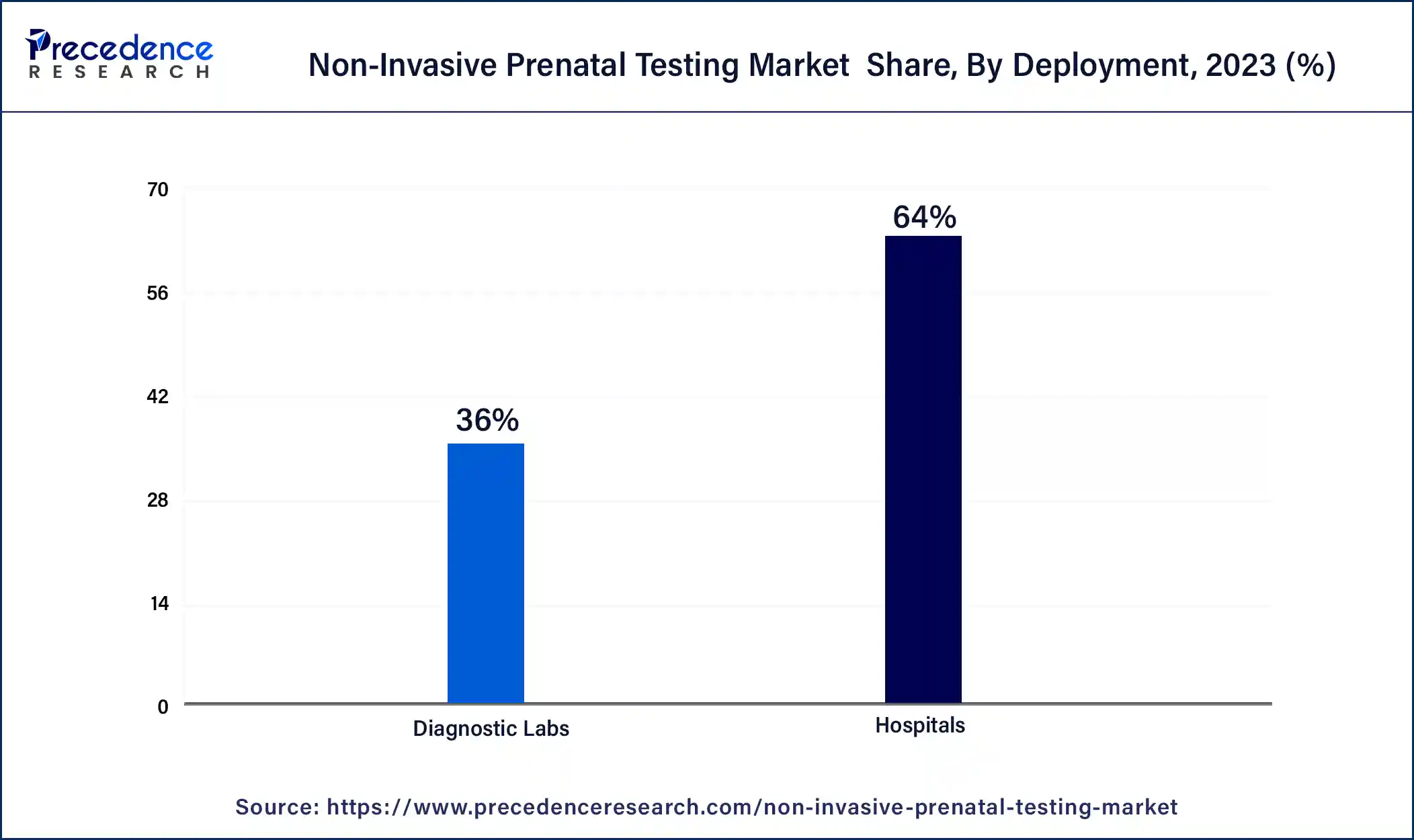
The diagnostic laboratories segment is expected to grow at the fastest CAGR in the upcoming period. This is mainly due to their advanced genetic testing capabilities and strong specialization in molecular diagnostics. These laboratories are equipped with high-throughput sequencing technologies, automation systems, and skilled professionals, enabling highly accurate and reliable NIPT results. Their ability to process large test volumes efficiently makes them a preferred testing hub, driving rapid expansion in outsourced prenatal screening services.
Regional Insights
U.S. Non-Invasive Prenatal Testing Market Size and Growth 2026 to 2035
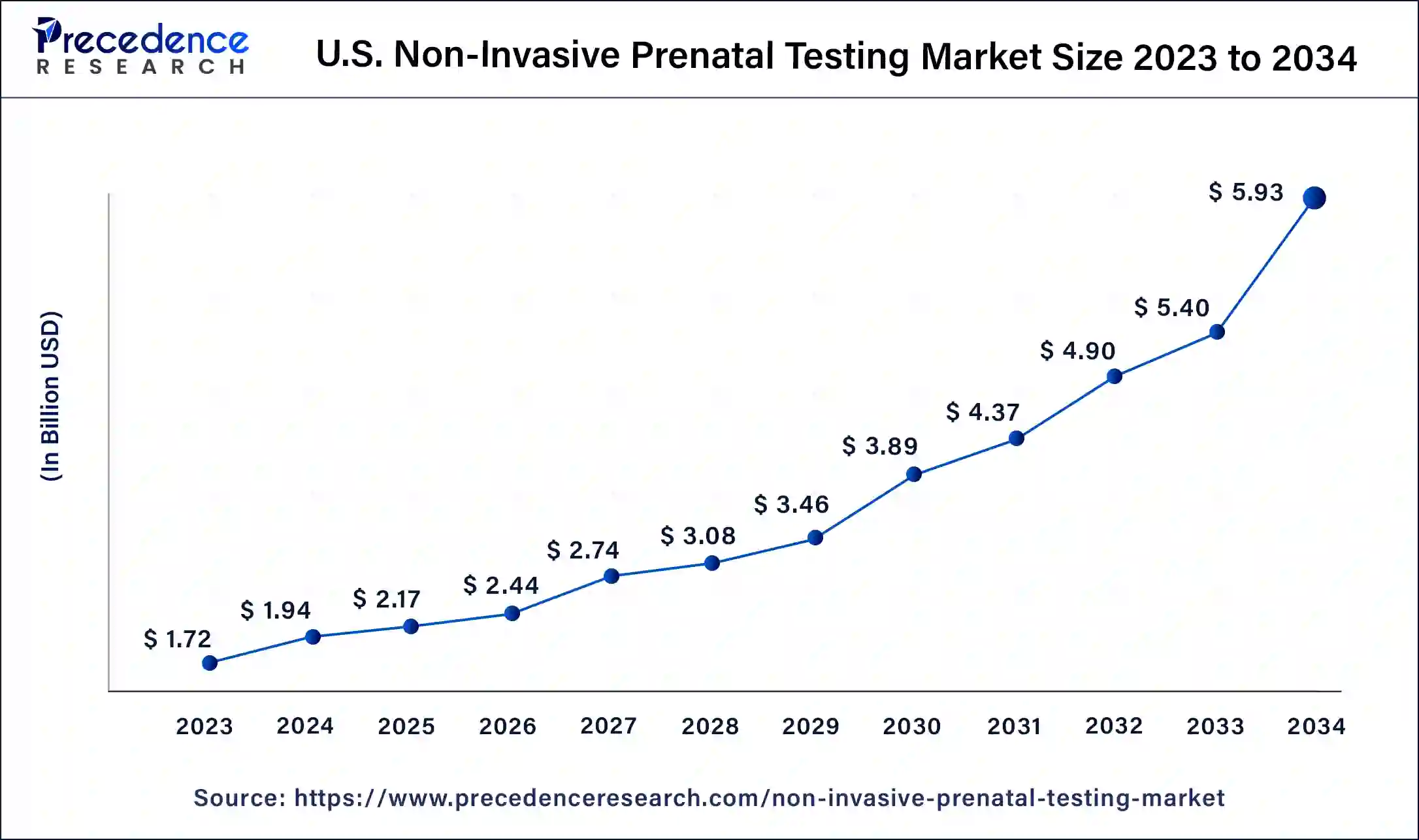
The U.S. non-invasive prenatal testing market size reached USD 2.17 billion in 2026 and is predicted to be worth around USD 5.93 billion by 2035 with a noteworthy CAGR of 11.8% from 2026 to 2035.
North America: The Dominant Region
North America dominated the non-invasive prenatal testing market by holding the largest share in 2025, bolstered by the availability of advanced genetic screening technologies, greater awareness regarding prenatal health, and advanced healthcare infrastructure. The presence of pioneering biotechnology and molecular diagnostics companies has led to an increase in innovation and commercialization of NIPT solutions. Early genetic testing is made easier because prenatal care is available for pregnant women, and reimbursement policies are good.
Additionally, a well-developed regulatory framework and insurance coverage for NIPT contribute to its widespread adoption. Moreover, the presence of leading NIPT technology providers and research institutions bolstered North America's dominance in the market.
U.S. Market Trends
The U.S. is a major contributor to the North American non-invasive prenatal testing market due to its advanced healthcare infrastructure and high adoption of prenatal screening, particularly among older mothers and high-risk pregnancies. NIPT is widely accepted as a safe and highly accurate screening method and is routinely offered across both public and private healthcare settings. The presence of major diagnostic laboratories and biotechnology companies further strengthens innovation, test availability, and continuous advancement in genetic testing technologies.
Europe: The Second-Largest Market
Europe held the second-largest share of the NIPT market in 2025 and continues to expand steadily due to strong healthcare systems, rising prevalence of genetic disorders, and increasing emphasis on preventive maternal care. The region benefits from high acceptance of early prenatal screening and growing integration of NIPT into routine prenatal care pathways. Public healthcare support and government focus on early disease detection are further driving clinical adoption across multiple countries.
Germany Market Trends
Germany represents a significant market within Europe due to its strong biotechnology ecosystem and advanced prenatal care infrastructure. The country has a well-established healthcare system that supports the integration of molecular diagnostics into standard pregnancy care. Rising awareness among healthcare providers and expectant parents about the benefits of early genetic screening is further accelerating adoption of NIPT technologies across Germany.
Why is the Market in Asia Pacific Undergoing the Fastest Growth?
Asia Pacific is expected to experience the fastest growth during the forecast period, due to rising awareness of prenatal genetic screening, increasing disposable incomes, and rapid urbanization. Improved access to advanced diagnostic technologies and modern healthcare infrastructure is driving higher adoption of non-invasive prenatal testing across both urban and semi-urban populations. Strong government investment in maternal and child health programs and expansion of national prenatal screening initiatives are further accelerating market growth across the region.
China Market Trends
China's non-invasive prenatal testing market is anticipated to grow significantly due to significant investment in genomic medicine and rapid advancements in biotechnology. The country has emerged as a hub for genetic research and innovation, with increasing commercialization of locally developed prenatal screening technologies. Expanding healthcare access, particularly in urban areas, along with rising awareness of prenatal care, is significantly boosting demand for NIPT services in China.
What are the Key Trends in the Non-Invasive Prenatal Testing Market in Latin America?
Latin America is expected to have significant market growth during the forecast period, driven by increasing awareness among expectant parents regarding prenatal health. This rise in awareness is also linked to the growing availability of advanced healthcare services and technologies in the region. Moreover, the regulatory environment appears to be evolving, with governments showing a willingness to support innovative healthcare solutions. Countries like Brazil and Mexico are leading players.
Brazil Market Trends
Technological advancements in genetic testing are enhancing the accuracy and accessibility of non-invasive prenatal testing in the region. Key market drivers include increasing demand for early detection and government initiatives supporting healthcare funding.
How is the Middle East and Africa Region Growing in the Non-Invasive Prenatal Testing Market?
The Middle East and Africa Region is expected to witness significant growth in the upcoming years, driven by increasing awareness among expectant parents regarding prenatal health. Consumers are increasingly focusing on the early detection of genetic conditions, which can significantly influence pregnancy management. The integration of innovative methodologies is also likely to improve patient outcomes and foster greater trust in non-invasive testing options. Countries such as Saudi Arabia, the UAE and South Africa are leading players.
Saudi Arabia Market Trends
Rising awareness and demand for prenatal testing among expectant parents are key drivers contributing to market growth. Other factors include increasing healthcare expenditure and cultural shifts towards preventive healthcare.
Value Chain Analysis
- R&D: Generates new diagnostic technologies and sequencing methods.
Key Players: Illumina, Natera, BGI Genomics, F. Hoffmann-La Roche - Clinical Trials & Regulatory Approvals: Ensures the tests' safety, performance, and compliance through validation.
Key Players: IQVIA, Parexel, ICON plc, and PPD - Formulation & Final Dosage Preparation: Generates test kits along with reagents for labs.
Key Players: Illumina, Thermo Fisher Scientific, Qiagen, and PerkinElmer - Packaging & Serialization: Test kits are being labeled and tracked for genuineness and safety.
Key Players: Illumina, Natera, Eurofins - Distribution to Hospitals, Pharmacies: The medical institutions receive test kits that have been confirmed as genuine quickly.
Key Players: LabCorp, Quest Diagnostics, Sonic Healthcare
Competitive Landscape
The market is highly competitive and technology-driven, with key players such as Illumina, Natera, Roche, Labcorp, and Quest Diagnostics actively competing through advancements in cell-free DNA (cfDNA) analysis, next-generation sequencing (NGS), and integrated prenatal screening solutions. Competition is primarily driven by test accuracy, turnaround time, reimbursement coverage, regulatory compliance, pricing strategies, and the expansion of genetic counseling services.
Companies are increasingly investing in AI-powered interpretation tools, advanced NGS platforms, and integrated genetic counseling solutions to enhance clinical decision-making and patient outcomes. Strategic growth in the market is further driven by mergers, acquisitions, partnerships, and geographic expansion into emerging healthcare regions. Leading players are also focusing on expanding reimbursement coverage and improving affordability to increase adoption. Overall, competitive intensity remains high as companies aim to differentiate through technological innovation, clinical accuracy, and end-to-end prenatal testing solutions.
Company Profile
Genesis Genetics
Founded: 2004
HQ: Plymouth, Michigan, US
- Business Overview: Genesis Genetics was the leading global provider of Preimplantation Genetic Diagnosis (PGD) & Preimplantation Genetic Screening (PGS). Founded by a group of world-renowned scientists, Genesis Genetics pioneered the clinical practice of preimplantation testing of embryos for inherited genetic abnormalities, and doctors and scientists performed many of the first and continually successful cases in the world.
- Offerings: Genesis Genetics provides highly skilled laboratory services.
- Revenue: Genesis Genetics had trailing twelve-month revenues of approximately $24 million just before it was acquired by CooperSurgical for $60 million in 2016.
- Geographic Presence: Genesis Genetics maintains laboratories in Argentina, Brazil, Jordan, South Africa, Taiwan, the United Kingdom and the United States.
Natera
Founded: 2004
HQ: Austin, Texas
- Business Overview: Natera™ is a global leader in cell-free DNA and precision medicine, dedicated to oncology, women's health, organ health, and rare disease. Natera's proprietary technology combines novel molecular biology techniques with a suite of bioinformatics software that allows detection down to a single molecule in a tube of blood.
- Offerings: Panorama™ is a blood-based genetic prenatal screening test for the pregnant person that screens for common chromosomal conditions that affect a baby's health. Vasistera™ NIPT is another blood-based genetic prenatal screening test for the pregnant person.
- Revenue: Natera achieved total revenues of $752.8 million in the second quarter of 2026, compared to $546.6 million in the second quarter of 2025, a growth of 37.7%.
Centogene
HQ: Rostock, Mecklenburg-Vorpommern
Founded: 2006
- Business Overview: Centogene is a leading company in the field of genetic diagnostics and precision medicine, dedicated to transforming clinical, genetic, and biochemical data into medical solutions for patients. Centogene has developed a global proprietary rare disease platform based on its real-world data repository with approximately 3.0 billion weighted data points from over 530,000 patients representing over 120 different countries.
- Products: CentoNIPT, CentoNIPT Expanded, CentoGenome Prenatal, CentoGenome POC, CentoXome Prenatal and CentoArray Prenatal
- Revenue: Centogene's revenue increased in 2021 (42.234 million, increase 9.8%), 2022 (47.473 million, increase 12.4%) and 2023 (48.536 million, increase 2.2%).
- Geographic Presence: It operates in Europe, North America, the Middle East, Latin America, and Asia-Pacific.
Eurofins LifeCodexx GmbH
Founded: 2010
HQ: Planegg, Germany
- Business Overview: Eurofins LifeCodexx GmbH is developer of non-invasive molecular genetic tests designed to detect chromosomal disorders in unborn children. The company's tests can detect different disorders like Down syndrome, Edwards syndrome, Patau syndrome and others from a single drop of maternal blood and it is focused on the development of clinically validated next-generation molecular diagnostics. In Germany, since 2010, we have developed prenatal genetic tests of the highest quality which allow women to be informed at an early point in their pregnancy and make independent decisions.
- Products: In 2012, the PrenaTest was launched on the market as Europe's first NIPT.
- Geographic Presence: Established in many gynecological practices in Europe, the Middle East, and Asia as a reliable, fast and safe test method
- Revenue: The company generated revenues of about EUR 7 million in 2016 before its acquisition by Eurofins Scientific
MedGenome
Founded: 2013
HQ: Bangalore, Karnataka
- Business Overview: MedGenome is a global genomics and precision diagnostics company focused on enabling accurate, early and actionable diagnosis through advanced genomic science. Our diagnostic capabilities span rare inherited disorders, oncology, reproductive health, infectious diseases and preventive wellness. By integrating next-generation sequencing technologies with proprietary assays and AI-enabled bioinformatics platforms, MedGenome delivers high-quality genomic insights that support clinicians in complex clinical decision-making.
- Products: Non-Invasive Prenatal Testing (NIPT), Genetic Carrier Screening, Preimplantation Genetic Screening and Diagnosis (PGS/PGD), as well as Product of Conception (POC) testing.
- Revenue: For FY25, MedGenome's consolidated revenue rose 35.7% year-on-year to Rs 404.4 crore.
- Geographic Presence: MedGenome provides its services to patients and healthcare providers across 600+ locations in India and in about 50 countries.
Non-Invasive Prenatal Testing Market Companies
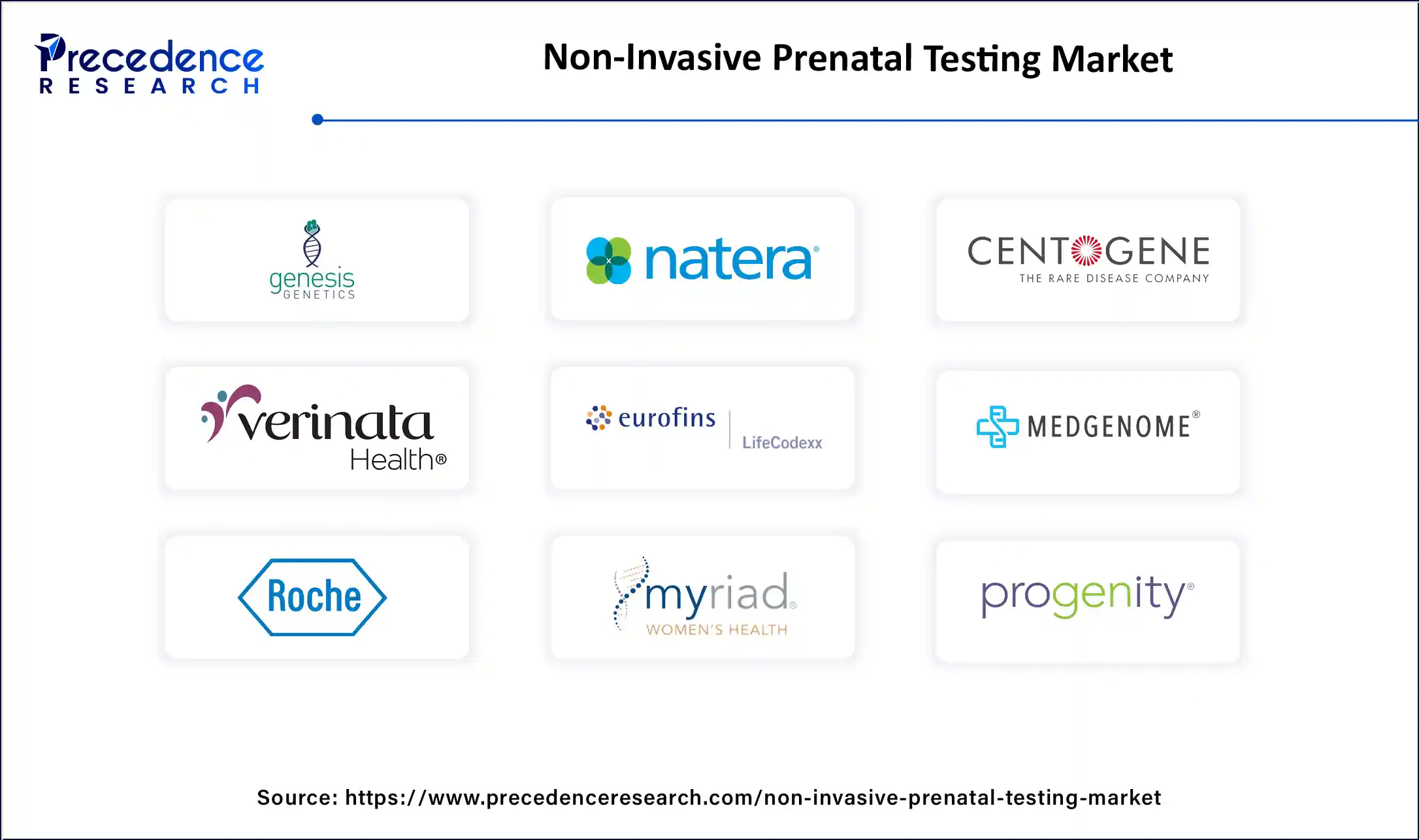
- Genesis Genetics (CooperSurgical, Inc.)
- Natera, Inc.
- Centogene N.V.
- Illumina, Inc. (Verinata Health, Inc.)
- Eurofins LifeCodexx GmbH
- MedGenome Labs Ltd.
- F. Hoffmann-La Roche Ltd. (Ariosa Diagnostics)
- Myriad Women's Health, Inc. (Counsyl, Inc.)
- Progenity, Inc.
- Qiagen
- Laboratory Corp. of America Holdings
- Quest Diagnostics, Inc.
Recent Developments
- In August 2025, Natera launched Fetal Focus, a noninvasive prenatal test for inherited conditions, enhancing cell-free DNA testing and precision medicine.
- In June 2025, NHS England announced its intention to have universal DNA testing for newborn babies to identify them as being at risk of having hundreds of conditions. The programme aims to follow a ‘preventative healthcare' strategy across the implementation of genomic sequencing and the application of AI tools; some concerns have been raised as to privacy, consent, and data control.
- In February 2025, a breakthrough in fetal medicine was reported: a drug affecting the functioning of a gene can be used to repair SMA Type 1 in utero. Now it's almost three years old, the baby is no longer suffering either, and so examining clinical and ethical aspects of prenatal gene therapy is now possible, raising questions about the need for future monitoring.
Segments Covered in the Report
By Component
- Instruments
- Kits and Reagents
- Services
By Application
- Down Syndrome (trisomy 21)
- Edwards Syndrome (trisomy 18)
- Patau Syndrome (trisomy 13)
- Turner Syndrome
- Other Applications
By End User
- Hospitals
- Diagnostic Labs
By Geography
- North America
- Europe
- Asia-Pacific
- Latin America
- Middle East and Africa
For inquiries regarding discounts, bulk purchases, or customization requests, please contact us at sales@precedenceresearch.com
Frequently Asked Questions





Ask For Sample
No cookie-cutter, only authentic analysis – take the 1st step to become a Precedence Research client
 Get a Sample
.webp)



 sales@precedenceresearch.com
 Schedule a Meeting
