



Protein Supplements Market Size, Key Companies, Company Market Share, Production Volume, Consumption Trends, Pricing Analysis, Export & Import Dynamics, Competitive Positioning, and Demand Forecast
Protein Supplements Market (By Products: Protein Bars, Protein powders, Ready to Drink, Others; By Source: Plant based, Animal based; By Application: Sports, Functional Food; By Distribution Channel: Supermarkets & Hypermarkets, Online Stores, Direct to Customers, Others; By Form: Ready to Drink, Protein Powder, Protein Bar, Others; By Gender: Male, Female; By Age Group: Millennials, Geneartion X, Baby Boomers) - Global Industry Analysis, Size, Trends, Leading Companies, Regional Outlook, and Forecast 2026 to 2035
Source: https://www.precedenceresearch.com/protein-supplements-market
 Get a Sample
 Table Of Content


What is the Protein Supplements Market Size in 2026?
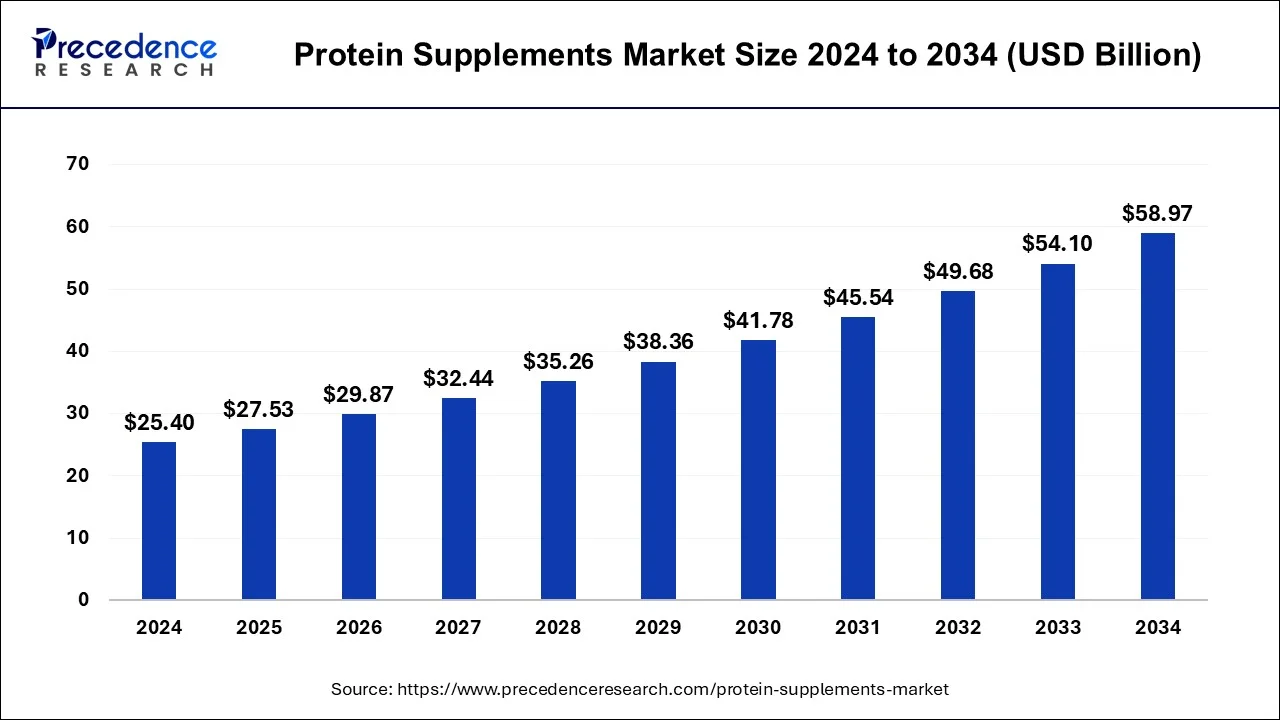
The global protein supplements market size was calculated at USD 27.53 billion in 2025 and is predicted to increase from USD 29.87 billion in 2026 to approximately USD 63.54 billion by 2035, expanding at a CAGR of 8.72% from 2026 to 2035. Driven by increasing health awareness, rising fitness participation, growing demand for sports nutrition products, and expending consumer preference for high- protein diet and functional foods.
Market Highlights
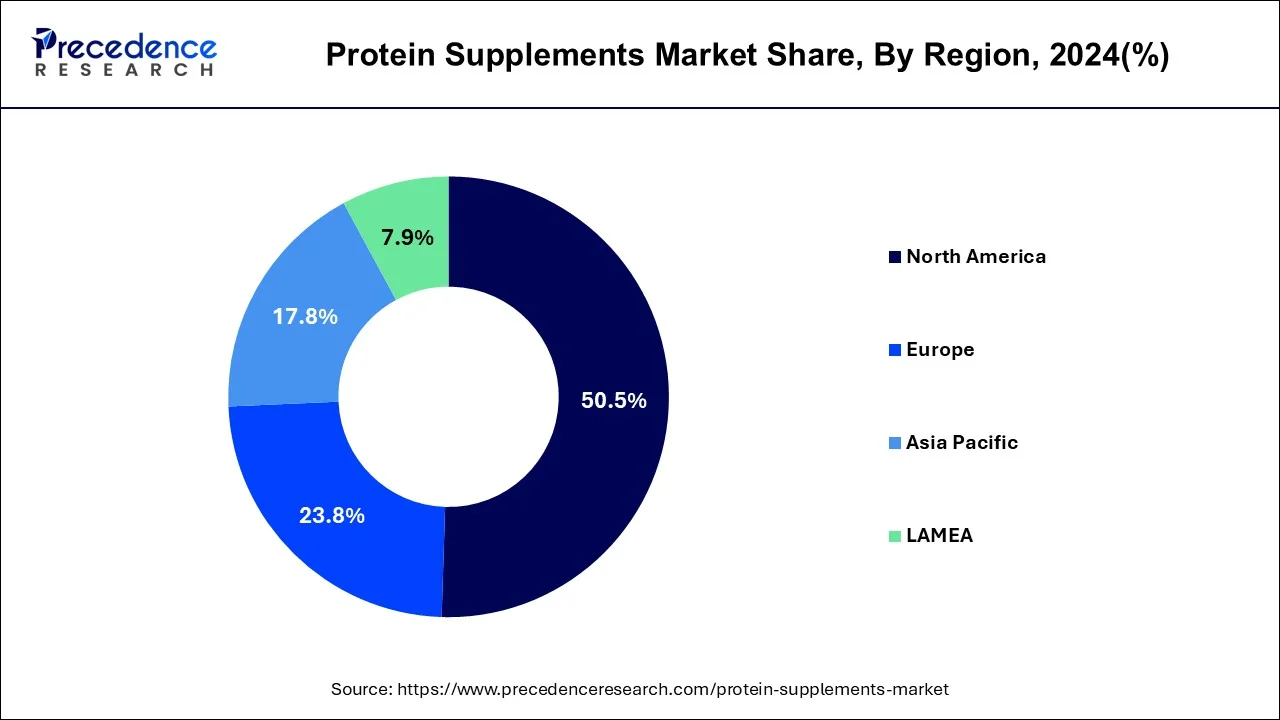
- North America held the largest revenue share of over 50.50% in 2025.
- The sports nutrition segment holds the largest share 66.1% in 2025.
- The animal-based protein supplements segment contributed the highest market share of 65.3% in 2025.
- The e-commerce segment has accounted revenue share of 81.6% in 2025.
Market Overview
There have been notable changes within the protein supplement industry over the last few years, with consumers adapting a healthier lifestyle and participating more in physical fitness, many people use protein supplements on a regular basis in order to build muscles, lose weight, recover, and maintain general wellbeing, protein powder, bars, ready-to- drink products continue to be favourite products in the market.
Additionally, market development is being facilitated by the increasing demand for plant- based foods and clean label products, there is an increased consumer interest in protein sources such as pea, soy, rice, and hemp, among other traditional protein sources like and casein proteins, the innovation product development, flavor development, customization of nutrition products, and fast growing ecommerce channels are other key factors driving the market.
Worldwide, a strong growth is projected to be sustained as the demand will not only be limited to athletes but will also extend it to the other sectors including working professionals and the elderly population, in India, increased disposable income, heightened awareness about fitness, and preference for formulations without any additives and gut- friendly are opening up many avenues for companies.
How is Artificial Intelligence Changing the Protein Supplements Market?
Artificial Intelligence has been changing the protein supplements market with personalized nutrition, product innovations, and increased consumer engagement. Artificial Intelligence-based tools assess dietary habits, personal goals, and nutrition needs to identify the right kind of protein supplements and ways of consumption. Moreover, machine learning helps manufacturing companies create new products by determining which ingredients, tastes, and nutritional values are in demand among customers. As for the production process, Artificial Intelligence improves quality assessments, requires less inventory, and predicts demand. AI-based analytics helps understand customer preferences regarding protein products being developed.
Protein Supplements Market Growth Factors
The protein supplements market is increasing as there is a growing population of health-conscious people. Protein supplements are gaining popularity amongst millennials. In order to build health through a balanced diet is expected to create a demand for protein supplements over the forecast. Young athletes need protein supplements as they provide many benefits like building muscles, increasing strength, lowering cholesterol, fighting cancer, improving immunity, and lowering blood pressure. These factors are leading to growth in the market.
Future Trends in Protein Supplements Market
- Advance in Plant Proteins: The increase in demand for plant-derived proteins such as pea protein, soy protein, and rice protein is attributed to rising interest in vegan/vegetarian diets, facilitated by the creation of clean-label and environmentally-favorable products.
- Nutrition Personalization: It is expected that protein nutrition products will go through an evolution in terms of personalized nutrition practices featuring tailored solutions depending on multiple factors such as age, physical condition, and personal preferences.
- Innovation in Functionality: Producers will increasingly build upon the differentiation among protein products in terms of essential amino acids, vitamins and minerals, probiotics, and other functional benefits.
- Sustainable Production: Environmental issues will contribute to the necessity of sourcing the ingredients properly, utilizing recyclable materials, and other efforts aimed at reduction of environmental impact in the production process.
Market Outlook
- Overview of the Market: The Protein Supplements Market is moving ahead from being confined to sports nutrition to becoming popular in mainstream wellness. This trend gains momentum because of the increasing popularity of muscle health, healthy aging, active lifestyle, and convenient nutrition. Innovative solutions are emerging that help bring to the market high-quality protein drinks, bars, powders, etc.
- Global Situation: The growth of the market becomes supported due to the localization of products used as well as the advancement of e-commerce, pharmacies, supermarkets, fitness clubs, and other direct-to-consumer channels. Asia-Pacific is growing rapidly especially in India and other emerging markets that make it possible to reach new customers and cater to their tastes and preferences.
- Sustainability Trends: Sustainability becomes one of the key trends in product development encouraging companies to test innovative protein source such as pea, chickpea, corn, etc.
- Startup Ecosystem: New companies appear on the market and offer their views on the use of sustainable proteins, fermentation, and other advanced sources of plant proteins.
Market Scope
| Report Coverage | Details |
| Market Size in 2025 | USD 27.53 Billion |
| Market Size in 2026 | USD 29.87 Billion |
| Market Size by 2035 | USD 63.54 Billion |
| Growth Rate from 2026 to 2035 | CAGR of 8.72% |
| Largest Market | North America |
| Second Largest Market | Europe |
| Base Year | 2025 |
| Forecast Period | 2026 to 2035 |
| Segments Covered | Products, Source, Application, Distribution Channel, Form, Gender, Age Group, and Region |
| Region Covered | North America, Europe, Asia Pacific, LAMEA |
Market Dynamics
Drivers
Increasing Demand from Athletes and Sports Enthusiasts
Protein supplements are highly favored among athletes and individuals aiming to increase muscle mass, serving as a convenient option for those with a busy lifestyle or experiencing reduced appetite post-workout. Athletes have heightened protein requirements to ensure optimal protein synthesis, energy production, immune function, and gut health during physically demanding and prolonged exercise sessions. As the intensity and duration of athletic performance increase, the need for protein also rises, necessitating its inclusion in pre- and post-performance meals, as well as regular consumption throughout the day, to ensure a consistent and effective supply of essential amino acids.
Furthermore, the growing awareness about the role of nutrition in athletic performance has led to a greater emphasis on sports nutrition practices. Athletes and sports enthusiasts are more informed about the benefits of protein supplementation and its impact on their training outcomes. This increased knowledge drives the demand for protein supplements as an integral part of sports nutrition regimens.
Increasing Health and Wellness Consciousness
In the past decade, consumers have made efforts to proactively prioritize their health and maintain fitness and vitality as they age. Although the increasing rates of obesity and diabetes raise concerns about the effectiveness of such endeavors, it indicates that consumers are striving to enhance their well-being. As weight management and healthy weight loss become focal points for many, protein supplements offer a solution to support appetite control and reduce cravings. By incorporating protein supplements into their diets, individuals can enhance their weight management efforts and improve dietary adherence. Further, there are numerous reasons why consumers hold favorable perceptions of protein. They acknowledge protein as an ingredient present in everyday food and beverage products that they trust and consider affordable. Additionally, unlike previous health-boosting ingredients like antioxidants, protein appeals to both men and women, as it is associated with muscle mass and overall health and well-being.
Traditionally, improved dietary habits have predominantly revolved around weight loss, which continues to be important for consumers worldwide who are currently on a weight loss journey. However, as consumers become more knowledgeable about health and well- being, they have adopted a more comprehensive approach to defining a balanced diet. They are no longer solely focused on eliminating unhealthy elements from their eating and drinking plans; instead, they are also seeking to increase their consumption of ingredients associated with overall health enhancement beyond basic satiety. This is attributed to the fact that a majority of consumers regularly conduct research on various health-boosting ingredients. Embracing the concept of holistic health, consumers are turning to ingredients they believe can address multiple health concerns. This shift in consumer behavior is expected to positively impact the protein supplement market during the forecast period.
Increasing Shift towards Plant-Based Protein Products
The demand for plant-based protein products is being fueled by consumers who are linking health and sustainability considerations. Sustainability has become a prominent topic of interest for many individuals. Global consumers express concerns about the state of the environment. Additionally, most of them believe that environmental issues have intensified over the past two decades, while others feel that the damage inflicted is irreversible. These concerns are driving worries about the quality of life for both present and future generations. Traditionally, consumers viewed environmental protection as primarily the responsibility of large corporations rather than individuals. However, this mindset is evolving, with consumers increasingly recognizing the collective effort required to address sustainability challenges. As a result, consumers report having made dietary changes within the past two years in order to adopt a more sustainable lifestyle. The production of meat and dairy products has been associated with negative environmental impacts, such as deforestation and a large carbon footprint. By choosing plant-based protein options, consumers aim to mitigate these environmental issues. These choices align with their desire to lead healthier and more sustainable lifestyles, promoting both personal well-being and the well-being of the planet.
Consumers show a willingness to explore various alternatives to animal protein, such as rice, beans, potato, or maize protein. Among plant-based options, pea and rice protein are being well consumed and known among consumers, while pumpkin seed protein presents a growing niche. Additionally, emerging plant proteins like microalgae and fava bean hold future potential as opportunities. The pursuit of healthier and more sustainable lifestyles by consumers continues to propel the demand for plant-based nutrition. In the realm of bars, an increasing inclusion of nuts, fruits, vegetables, and botanicals is anticipated. Thus, the rising popularity of plant-based diets, driven by ethical, environmental, and health considerations, has created a strong demand for plant-based protein supplements. Furthermore, both plant-based and whey proteins have gained popularity among Generation Z and millennial, a trend that is expected to contribute to the expansion of sustainable food practices. Whey protein, in particular, has become prominent among athletes and individuals seeking protein supplements in their diets. Manufacturers, media outlets, consumers, and influencers are placing their confidence in whey protein powders to foster sustainable food production.
Rising Demand for Clean Nutrition
Consumer demand for transparency is a significant factor as the majority of global consumers consider brand stories influential in their purchase decisions. The clean label movement has experienced substantial growth in the supplement industry, driven by consumers' increasing demand for transparency. Clean labeling has become a mainstream trend, permeating the active and sports nutrition category. Consumers seeking active nutrition products prefer items with recognizable and fewer ingredients, free from artificial flavors or colors. The scrutiny of labels has intensified, with consumers expecting to find familiar ingredients. Food manufacturers that go the extra mile to disclose the origin of ingredients earn higher consumer trust. Consequently, current industry developments primarily revolve around the elimination of additives and preservatives. All indicators of clean labeling demonstrate growth. Moving forward, it is anticipated that more comprehensive and holistic clean strategies will emerge, leveraging their unique potential for product differentiation.
Also, clean label consumers across all generations perceive products with natural or fewer ingredients, as well as those with improved nutrition, as meeting the clean label criteria. It is no surprise that social media has played a significant role in raising awareness, making it customary for the food industry to provide better-for-you ingredient information. Rather than being viewed as a selling point, this transparency is now expected by consumers. Consequently, clean label has become the "new norm," stimulating innovation across various Consumer Packaged Goods categories. This notion is supported by the findings of a survey commissioned by Ingredient Communications, a specialty public relations agency. The survey revealed that a considerable 73 percent of consumers are willing to pay a higher retail price for food or beverage products containing recognized and trusted ingredients.
Clean and mindful eating further gained significant importance during the pandemic as consumers sought natural and nutritious food options. As a result, the demand for clean labels is expected to continue rising in the future, as consumers increasingly prioritize products with recognizable ingredients and simple processing methods that mirror those they would employ in their own kitchens. Consequently, as clean nutrition continues to rise, protein supplements that are prioritizing transparency, quality ingredients, and sustainable practices will be well-positioned for growth. Manufacturers are also likely to embrace and promote clean nutrition principles in their products to attract a broader consumer base, providing to the evolving needs and preferences of health-conscious individuals.
Restraints
Counterfeit Products
The prevalence of fake bodybuilding supplements has surged, largely due to the widespread grey market. While some companies blatantly deceive consumers by misrepresenting the protein content on their labels, others employ a more cunning trick recognized as nitrogen spiking. Nitrogen spiking, which is also referred to as "protein spiking" or “amino spiking," enables supplement manufacturers to include less protein than indicated on the label, evading detection. Surprisingly, numerous companies engage in this deceptive practice. The issue arises from the escalating costs associated with protein powder production, leading many companies to resort to drastic measures to reduce expenses and increase profits. Nitrogen spiking is an unethical ploy, corrupting the integrity of the industry.
Nitrogen spiking serves as a method to manipulate the protein content test utilized for measuring protein powders. The present measurement technique involves assessing the nitrogen content, that is later converted into protein quantity. Nitrogen is employed because amino acids, the building blocks of protein, contain nitrogen. By measuring the nitrogen content in a protein powder, one can infer the protein amount per serving. However, this assumption relies on the presence of complete proteins, like whey, casein, or egg protein. Regrettably, many protein powders not only contain these complete proteins, but they also incorporate additional amino acids.
Many individuals believe that the addition of extra amino acids to protein powders is advantageous. However, the significant issue with protein powders containing added amino acids is that these additional amino acids do not contribute any beneficial effects to the product. They are solely included for their nitrogen content. By incorporating less expensive amino acids into their protein powders, supplement companies can elevate the nitrogen levels, which technically increase the perceived protein quantity per serving as measured by the nitrogen test. This affects the credibility of the protein products and is likely to restraint the growth of the market during the forecast period.
Misconceptions about Protein Powder Intake
The misconceptions surrounding protein powder intake is anticipated to limit the growth of the protein supplements market during the forecast period. Concerns may arise about consuming excessive amounts of protein powder due to potential impacts on the liver, kidneys, or bones. Despite the extensive scientific evidence supporting the safety and benefits of protein supplementation, misconceptions and misinformation continue to prevail among consumers. One significant concern regarding protein powder intake is its potential effect on kidney and liver health. In the past, experts believed that excessive protein consumption could harm the kidneys and liver in healthy individuals. These misconceptions are often generated from outdated or inaccurate information that has not kept pace with the current body of research.
However, numerous recent studies have disproved this claim. For instance, a study involving group of 48 women and men who followed a high protein diet from both whey-beef protein powder and food during an intensive 8-week resistance training program found no significant difference in kidney function among those who consumed the protein powder. It is worth noting that individuals with kidney disease or reduced kidney function may face challenges in excreting protein waste products through urine and should therefore monitor their protein intake. Reduced kidney function is defined as an estimated glomerular filtration rate (eGFR) below 90. Therefore, unless an individual has decreased kidney function or chronic kidney disease, taking protein powder and other high-protein foods is generally considered safe.
Furthermore, there is a common belief that a high protein diet can be harmful to bone health. This misconception stems from the notion that the high acid content of protein could deplete calcium from bones, resulting in increased calcium levels in urine and weakened bones. However, current research indicates that a high protein diet might actually have a positive impact on bone health. Scientists suggest that it achieves this by enhancing calcium absorption, supporting the development of skeletal muscle mass and preserving bone mass during weight loss. An 18-month study of high quality involving 280 older men and women sheds light on this topic. The participants consumed either 45 grams of whey protein or a placebo daily. The results revealed no significant differences in bone composition between the two groups. Interestingly, the whey protein group demonstrated a notable preservation of muscle mass, suggesting that protein intake may help mitigate age-related muscle loss. This preservation of muscle mass can have a positive impact on bone health, as it enables older individuals to maintain their physical activity levels for a longer period, thus benefiting their overall bone health. Such studies are important to disapprove such misbeliefs and also by addressing and dismissing misconceptions, the protein supplements market can improve trust, confidence, and broader acceptance among consumers, leading to increased adoption and continued market growth.
Opportunities
Introduction of New Formats and Demand for Convenience
Protein supplements are expected to evolve beyond the conventional formats of protein powder or bars, presenting new forms that cater to diverse needs. For instance, protein crisps can serve as a solution to ensure children receive adequate protein and essential nutrition for their development. While parents aim to provide balanced meals for their kids, there are instances where snacks become necessary to avoid hunger when dealing with picky eaters. Consequently, conscientious parents no longer wish to offer snacks with minimal nutritional value, instead seeking healthy alternatives that allow children to enjoy their food. The versatility of chicken protein ingredients enables snack developers to incorporate the nutritional benefits of real chicken protein into various applications, whether savory or sweet. Consumers are increasingly seeking alternatives to traditional protein presentations like shakes or bars. High-protein dairy products, such as protein-enriched yogurts or portable beverages, are experiencing a growing demand as individuals recognize their nutritional benefits and convenience. This shift reflects the evolving preferences of consumers who are actively looking for innovative ways to incorporate protein into their diets beyond the standard choices available.
Furthermore, snacking patterns are undergoing a transformation, shifting towards products that offer both nutrition and convenience for individual consumption. In today's fast-paced lifestyle, people are constantly on the move and seek nutritional options that can be consumed on-the-go. High-protein foods, bars, and beverages have become the preferred choice for individuals concerned about weight management, seeking satisfying snacks, or looking for meal replacements. This trend is particularly relevant as people increasingly seek healthy grab-and-go alternatives to support their busy schedules. Collagen, an intriguing ingredient, stands out due to its versatility in formulating a wide range of convenient "to-go formats." Collagen supplementation, typically in the form of collagen peptides derived from the hydrolysis of native collagen, contributes to maintaining flexibility, mobility, and strength over time. Therefore, there is a growing demand for products that offer quick and convenient nutritional boosts. Furthermore, the sports nutrition category is transitioning from niche to mainstream consumption, with products being embraced not only by athletes but also by the general public. This shift has led to an increased demand for on-the-go options that are easier to consume and available in novel formats.
Thus, the introduction of new formats and the increasing demand for convenience is likely to drive the growth of the protein supplements market. By providing consumers with convenient and easily consumable protein options, the market can attract more individuals seeking to incorporate protein supplementation into their daily lives, fueling further growth and innovation within the industry.
Segments Insights
Product Insights
Why the Protein Powders Segment Dominates the Protein Supplement Market?
The protein powders segment dominated the protein supplement market in 2025. Due to its ease of use, cost- effectiveness, and versatility, this product is mostly used by athletes and bodybuilders, as well as others who lead healthy lifestyles due to the benefits that arise from protein intake, the long shelf-life, convenient consumption form, and variety of products that include whey, casein, and plant based types have contributed to the dominance of the protein powder product segment in the market.
Protein Bars segment expects the fastest growth in the market during the forecast period. Due to the increasing demand for easily available nutrition people's busy live, health consciousness, and functional snack interests have contributed to their increased popularity, protein bars are being chosen by people as meal replacement product or as healthy snacks, while innovation and flavors, ingredients, and clay labelled formulation continue to attract a broader customer base and support rapid market growth.
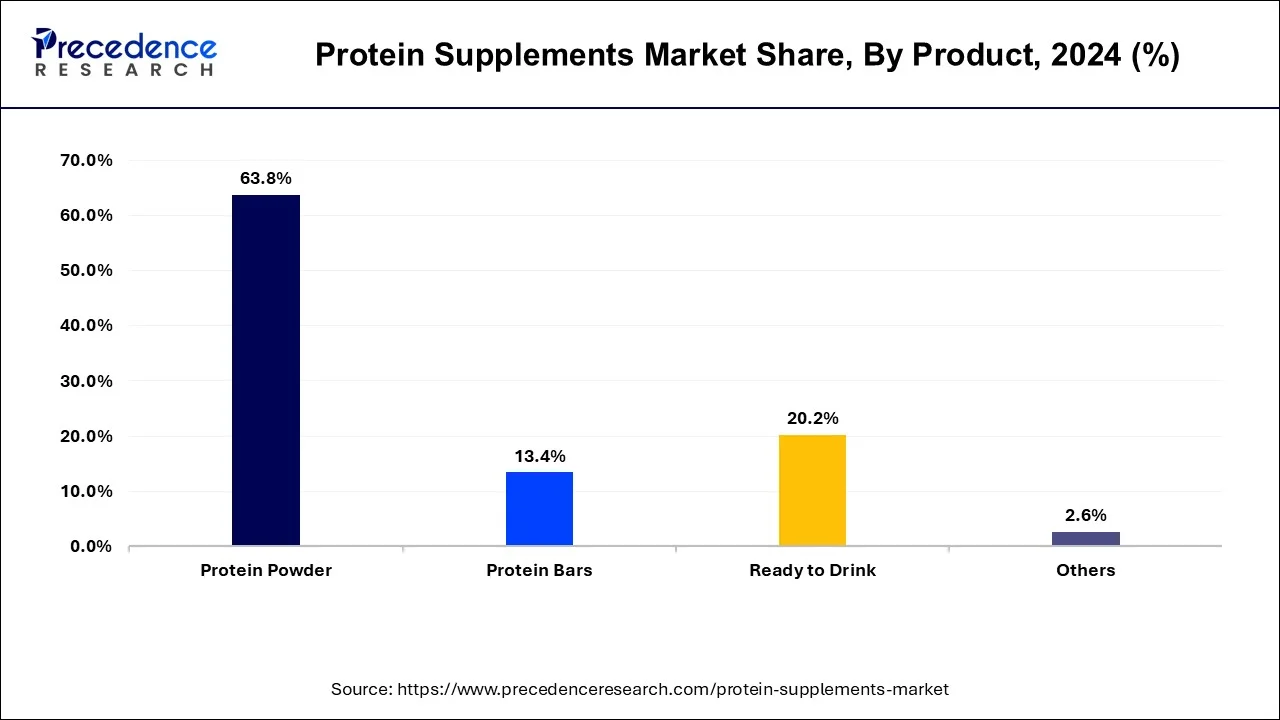
Global Protein Supplements Market Revenue, By Product, 2022-2024 (USD Million)
| Product | 2022 | 2023 | 2024 |
| Protein Powder | 13,830.4 | 14,957.7 | 16,191.8 |
| Protein Bars | 2,933.3 | 3,162.0 | 3,411.6 |
| Ready to Drink | 4,347.8 | 4,726.3 | 5,142.3 |
| Others | 560.6 | 603.3 | 649.8 |
Source Insights
Why The Plant based Segment Dominates the Protein Supplement Market?
The plant-based segment dominated the protein supplement market in 2025. Due to the trend toward vegan, vegetarian, and sustainable diets, growing consciousness, of sustainable concerns, lactose problems, and clean labels has driving the demand for plant proteins, including pea, soya bean, rice hemp-based proteins, there are also tasty and digestible forms of plant proteins that are being produced by companies.
Animal based segment expects the fastest growth in the market during the forecast period. Because of their high biological value and efficacy in muscle building and development, the rise in fitness activities and sports nutrition consumption is driving the segment, together with an increase in demand for whey and collagen products, in addition to that, product innovations and protein- writes consciousness among consumers will keep fuelling the market's expansion.
Global Protein Supplements Market Revenue, By Source, 2022-2024 (USD Million)
| Source | 2022 | 2023 | 2024 |
| Animal-based | 14,274.5 | 15,375.1 | 16,589.8 |
| Plant-based | 7,397.6 | 8,074.2 | 8,805.7 |
Application Insights
Why the Sports Segment Dominates the Protein Supplement Market?
The sports segment dominated the protein supplement market in 2025. Because owing to the increasing number of sports people, bodybuilders, and gym goers who are in search of products that will help them build muscles, increased involvement in sports activity and increased awareness about the importance of proteins in building muscle strength and endurance have contributed to increased demand for the sports nutrition category.
Functional Food segment expects the fastest growth in the market during the forecast period. Due to growing consumer inclination to what food products that are nutritious and healthy, increasing demand for protein fortified snacks, beverages, cereals and meal replacement products is fuelling their demand for these products, consumer health consciousness and growing preference for preventive wellness are factors that have led to the inclusion of protein fortified functional foods in daily diets.
Global Protein Supplements Market Revenue, By Application, 2022-2024 (USD Million)
| Application | 2022 | 2023 | 2024 |
| Sports Nutrition | 14,251.5 | 15,465.8 | 16,799.1 |
| Functional Food | 7,420.6 | 7,983.4 | 8,596.4 |
Distribution Channel Insights
Why the Online Stores Segment Dominates the Protein Supplement Market?
The online stores segment dominated the protein supplement market in 2025. Due to the convenience, wide choice, and low prices, for consumers, it is very convenient to compare various manufacturers and their products, read reviews, and gather all necessary information before buying, due to the development of e-commerce and direct marketing, the speed of purchasing through the internet become even faster.
Supermarkets & Hypermarkets segment expects the fastest growth in the market during the forecast period. Because of the high availability of products, attractive promotions, and overall convenience of shopping there, more and more customer tend to purchase supplements together with their other groceries that allows comparing different products and making an immediate purchase, the growth of retail networks and consumers trust in them is also contributing to this growth.
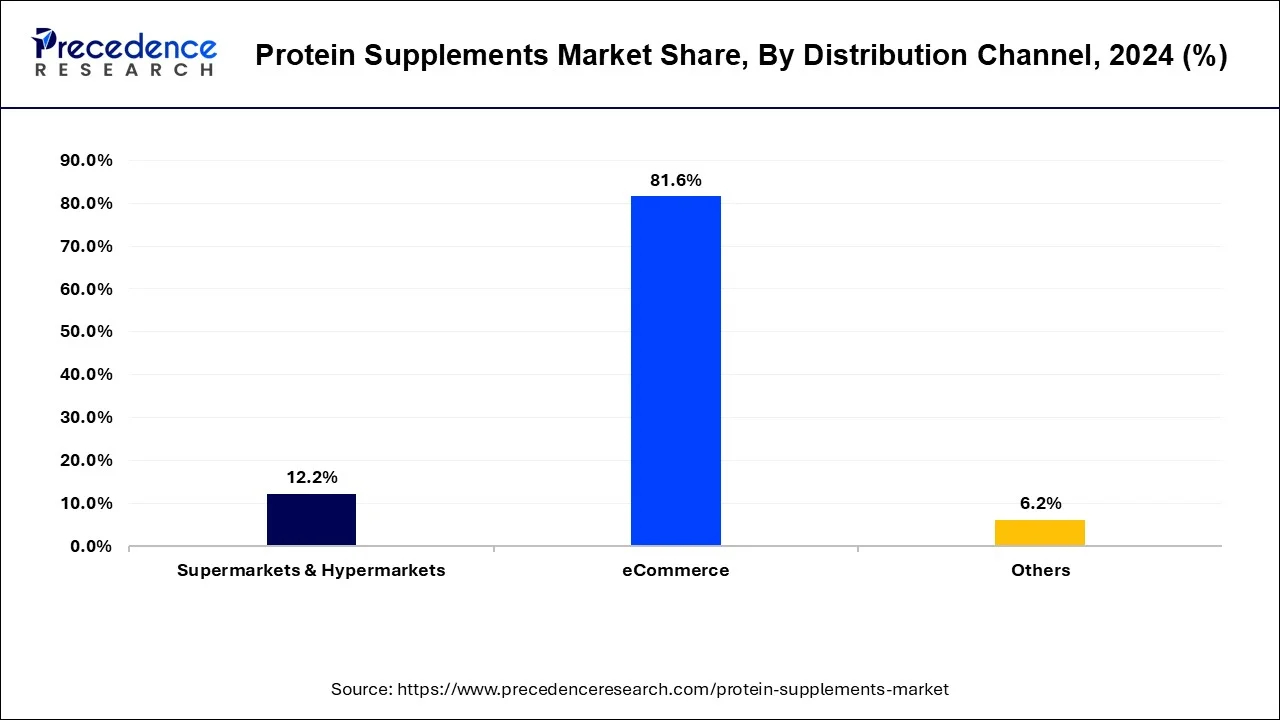
Global Protein Supplements Market Revenue, By Distribution Channel, 2022-2024 (USD Million)
| Distribution Channel | 2022 | 2023 | 2024 |
| Supermarkets & Hypermarkets | 2,661.7 | 2,868.2 | 3,093.6 |
| eCommerce | 17,652.2 | 19,115.9 | 20,720.0 |
| Others | 1,358.2 | 1,465.2 | 1,582.0 |
Regional Insights
Why North America is Dominating the Protein Supplement Market?
North America Dominate protein supplement market, because attributed to this strong culture of fitness in the region, high health consciousness among the consumers, and the increase in demand for sports nutrition products, this reason enjoys the advantage of having a huge number of consumers who regularly walk out at the gyms, as well as athletes and fitness enthusiasts.
U.S. Protein Supplement Market Trends
Due to such aspect as growing health consciousness amongst consumers, greater participation in physical exercise programs, and increase demand for sports nutrition products, consumers are increasingly showing interest in protein-enriched, natural and plant- based supplements, rapid development of e- commerce, tailor-made nutritional solutions, and fortified protein- enriched foods & drinks is also affecting the market dynamics.
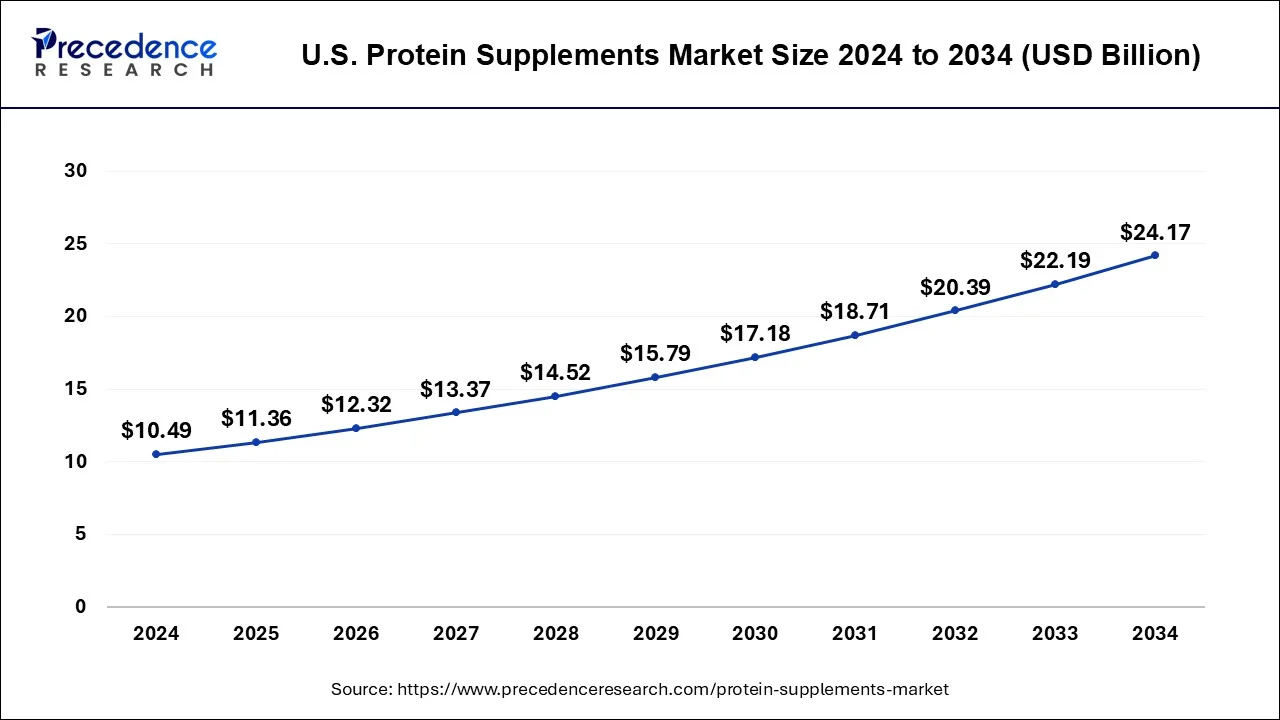
U.S. Protein Supplements Market Size and Growth 2026 to 2035
The U.S. protein supplements market size was exhibited at USD 12.32 billion in 2026 and is projected to be worth around USD 26.03 billion by 2035, growing at a CAGR of 8.64% from 2026 to 2035.
Asia Pacific Protein Supplement Market Trends
Asia Pacific expects the fastest growth in the market during the forecast period, Because of the increasing awareness of health issues, rising disposable income levels, and growing participation in fitness and sports- related activities, growing urban population, growing middle- class people, and increase consumption of nutritional products as some of the factor that contribute to the growth of the protein supplement markets.
China Protein Supplement Market Trends
Due to heightened health consciousness, increased participation in fitness activities, and increased need for nutritive products among consumers, there is high consumer demand for protein powder, functional food items, and sports nutrition products for active life, increased e-commerce, high disposable income, and preventive healthcare are contributing to the growth of the market and changing consumer demands.
Europe Expects the Significant Growth in the Market
Due to growing health consciousness among consumers along with their inclination towards fitness and balanced diet, the rising consumption of plant proteins, clean label products, and functional foot is fueling the growth of the market, in addition, increased sporting activity, aging population requiring nutritional support and innovations in protein formulas are driving market growth in the region.
Germany Protein Supplement Market Trends
Due to increasing popularity of health and fitness culture among consumers, there is an increasing demand for sustainable sources of protein in the form of plant-based, organic, and clean label routines among consumers due to their increased health benefits, the growth of gym members and active aging and protein 45 products will contribute to the market growth and purchase decision.
Middle East Expects the Significant Growth in the Market
Because the increased awareness of health consciousness, physical fitness, and the need for a sports nutrition products, increased urbanization, rising disposable income, and the adoption of preventive healthcare are driving the intake of protein supplements, further, the fast-growing pace of gymnasiums and wellness programs is also conducting for market growth.
UAE Protein Supplement Market Trends
Due to increased awareness about health, the emergence of a strong fitness culture, and involvement in sporting and wellness activities, consumers are demonstrating a keen interest in protein powder, ready-to-drink products, and functional foods, growing number of gyms, increased disposable incomes, and the role of e-commerce and premium brands in wellness have influenced market trends.
South America Expects the Significant Growth in the Market
Due to increased consciousness about health issues, growing involvement in fitness and sporting activities, and growing preference for nutrition-based products, the growing trend of urbanization along with increasing disposable incomes are changing preference towards unactive lifestyle or driving the growth of the market, also, the growing presence of protein-enriched food and supplements is providing new avenues for growth.
Brazil Protein Supplement Market Trends
Because owing to the country's vibrant sports environment, increasing fitness activity, and growing nutrition awareness, the demand for protein shakes, sports nutrition, and functional foods is rising amid active people, the growing number of gym members, increasing disposable incomes, and availability off supplements in online and offline stores are among other factors fuelling the development of the market in Brazil.
Competitive Landscape
The protein supplements market has a semi-consolidated nature where big nutrition firms are expected to compete with specialists in sports nutrition and various new wellness companies. Strong brand image, distribution channels, innovations in various products, and trust from customers make entry barriers moderate, whereas online sales channels enable small companies to compete successfully.
Major companies in the market include Nestlé, Abbott, Glanbia, PepsiCo and The Bountiful Company with wide ranges of products, strong presence in retail, nutitional knowledge and global distribution.
Companies are trying to enhance their competitiotiveness by creating new products, making mergers and acquisitions, forming partnerships, utilizing unique tastes while expanding its investement in alternative sources of protein.
Future competition is going to depend on compliance with the regulations, costs of raw materials, the level of research and development, availability of intellectual property and changing preferences of customers among which premium, plant-based and personalized products are likely to be the most popular ones.
Protein Supplements Market Companies
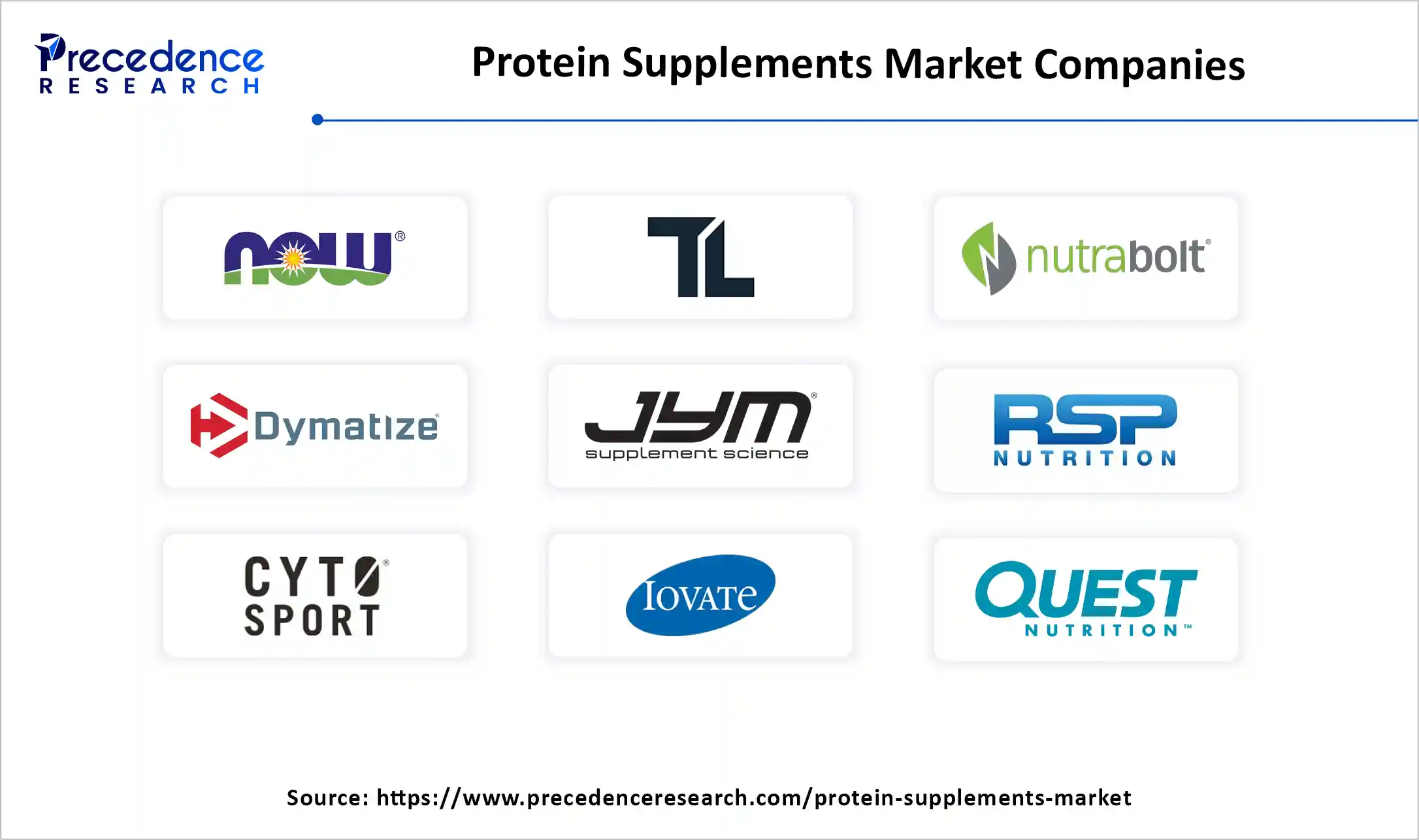
- NOW Foods
- Transparent Labs
- WOODBOLT DISTRIBUTION LLC
- Dymatize Enterprises LLC
- JymSupplementScience.com
- RSP Nutrition
- CytoSport, Inc.
- Iovate Health Sciences International Inc.
- QuestNutrition
- THE BOUNTIFUL COMPANY
- AMCO Proteins
- Glanbia PLC
- MusclePharm
- Abbott
- BPI Sports LLC
- International Dehydrated Foods, Inc.
- BRF
- Rousselot
- GELITA AG
- Hoogwegt
Recent Developments
- In May 2026, Triquetra Health expanded its supplement portfolio with Instant Aminos Essential Amino Acids + BCAAs and FolinicActive Adult 1 mg, targeting muscle recovery and personalised folate support through free-form amino acids and active B-vitamin formulations. (Source: Nutraceutical Business Review)
- In March 2026, Ranveer Singh's SuperYou launched SuperYou Pro Creatine Monohydrate, featuring micronised creatine, probiotics, zero sugar and zero calories. The supplement is positioned for strength and performance, with the company highlighting testing for purity and heavy metals.
- In June 2025, Nutrabay introduced BioAbsorb, positioned as India's first gut-friendly whey protein. The formulation aims to improve protein digestion and absorption, addressing consumer concerns around digestive discomfort while supporting the country's expanding sports nutrition and wellness market. (Source: healthcareradius.in)
- On 23rd Sep 2024, Factor launched a new supplement brand designed to elevate daily performance. America's leading ready-to-eat (RTE) meal delivery service has launched the impressive new supplements brand named ‘Factor Form.' Reaching consumers' needs and fulfilling the demand, this brand is offering keto-friendly ingredient products with no added sugar. The detailed factors define the strategic efforts of the brand.
- On 10th June 2024, Steadfast launched fast-release protein supplements. A supplement promotes the wellness of nutritional products. At Asia's largest health and fitness festival, supplement factors and features were introduced.
- On 18th Nov 2024, Ranveer Singh launched SuperYou, a protein food and supplements brand. A celebrity-trusted brand promotes living and healthy lifestyle. The company claims 10 grams of protein per serving with no added sugar.
Segments Covered in the Report
By Products
- Protein Bars
- Protein powders
- Ready to Drink
- Others
By Source
- Plant based
- Soy
- Spirulina
- Pumpkin Seed
- Hemp
- Rice
- Pea
- Others
- Animal based
- Whey
- Casein
- Egg
- Fish
- Others
By Application
- Sports
- Functional Food
By Distribution Channel
- Supermarkets & Hypermarkets
- Online Stores
- Direct to Customers
- Others
By Form
- Ready to Drink
- Protein Powder
- Protein Bar
- Others
By Gender
- Male
- Female
By Age Group
- Millennials
- Generation X
- Baby Boomers
By Geography
- North America
- Europe
- Asia-Pacific
- Latin America
- Middle East & Africa (MEA)
For inquiries regarding discounts, bulk purchases, or customization requests, please contact us at sales@precedenceresearch.com
Frequently Asked Questions





Ask For Sample
No cookie-cutter, only authentic analysis – take the 1st step to become a Precedence Research client
 Get a Sample




 sales@precedenceresearch.com
 Schedule a Meeting
