



Dental Sterilization Market Size, Key Companies, Company Market Share, Patient Volume, Treatment Adoption Rates, Pricing Analysis, Regulatory Landscape, Competitive Positioning, and Demand Forecast
Dental Sterilization Market (By Product: Instruments; By End Use: Hospitals, Dental Clinics, Dental Laboratories) - Global Industry Analysis, Size, Trends, Leading Companies, Regional Outlook, and Forecast 2026 to 2035
Source: https://www.precedenceresearch.com/dental-sterilization-market
 Get a Sample
 Table Of Content


What is the Dental Sterilization Market Size?
The global dental sterilization market size was calculated at USD 1.80 billion in 2025 and is predicted to increase from USD 1.95 billion in 2026 to approximately USD 4.14 billion by 2035, expanding at a CAGR of 8.69% from 2026 to 2035. The increasing prevalence of dental issues in the worldwide population and the demand for efficient disinfection of instruments and devices drive the growth of the market.
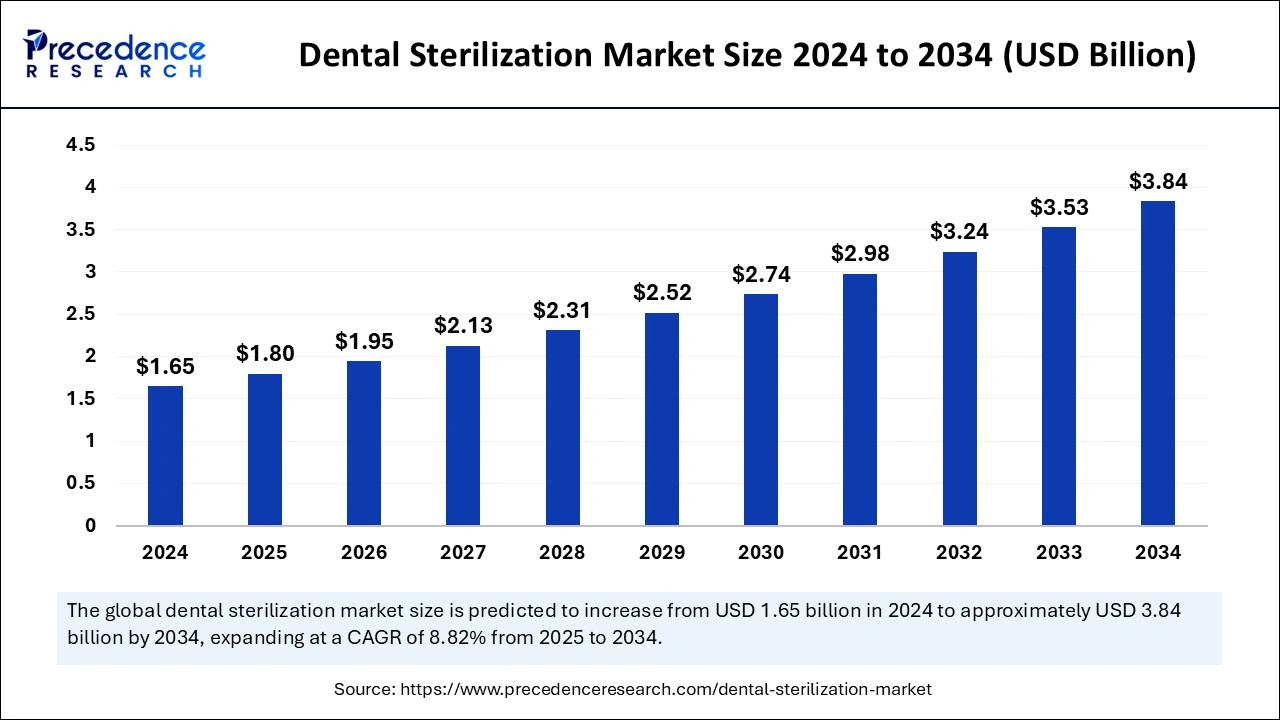
Dental Sterilization Market Key Takeaways
- North America dominated the dental sterilization market with the largest market share of 44% in 2025.
- Asia Pacific is projected to grow at a notable CAGR of 9.42% during the predicted period.
- By product, the instruments segment has held a major market share of 74% in 2025.
- By product, the consumables and accessories is expanding at a solid CAGR of 8.52% during the predicted period.
- By end use, the dental clinics segment accounted for the highest market share of 68% in 2025.
- By end use, the hospital segment is expected to expand at a CAGR of 8.22% during the forecast period.
Market Overview
Sterilization in the dental process is the sterilization of dental treatment devices or equipment, also known as the reprocessing of reusable dental equipment after every usage. Sterilization helps in preventing infection-causing diseases due to the lack of hygiene, improper sterilization, and other bacterial infections. It deactivates, kills, and eliminates all types of bacterial or biological agents which cause infections. There are different types of sterilization processes in dentistry, such as high and low-temperature sterilization, ultrasonic disinfectants, and others.
How Can AI Impact the Dental Sterilization Market?
The integration of artificial intelligence into the sterilization of hospital or surgical equipment helps in elevating patient safety. The dental sterilization market offers a significant shift in the sterilization process by offering automation, optimization, and precision. The AI provides real-time parameter control, and with the use of machine learning algorithms, it optimizes sterilization parameters like pressure, temperature, humidity, and cycle duration. AI offers end-to-end automation and helps in improving the Sterility Assurance Levels (SALs).
Dental Sterilization Market Growth Factors
- Rising dental cases: The increasing prevalence of dental conditions in the geriatric as well as the younger generation due to the aging effects, changing lifestyle preferences, and increased consumption of junk and cold and hot beverages drives a number of oral problems that drive the demand for the dental procedure which contributes to the growth of the market.
- Increasing awareness: Rising awareness regarding the infection-causing disease, lack of sterilization, and hygiene in the healthcare environment, which drives the demand for sterilization, and increasing cases of infection by dental equipment, boosts the growth of the market.
- Government initiatives: Government initiatives to maintain hygiene, prevent infection, and limit the disease caused by the lack of hygiene in the healthcare environment boost the growth of the dental sterilization market.
Market key Trends: Ensuring clean smiles
The dental sterilization market is undergoing significant transformation, driven by the rising global emphasis on infection control and cross-contamination prevention in detail settings. With growing awareness of hygiene, and an increase in dental clinics and hospitals now investing heavily in advanced sterilization systems, including autoclaves, ultrasonic cleaners, and disinfectants. An emerging trend is the adoption of fully automated and compact sterilization units, which save space, reduce manual error, and increase operational efficiency. Moreover, the market is witnessing a growing shift toward eco-friendly sterilization methods that reduce chemical usage and energy consumption, aligning with broader sustainability goals in healthcare. Additionally, regulatory bodies across various regions are tightening hygiene standards for dental practices, which is further fueling the demand for reliable and certified sterilization equipment. Another notable trend is the integration of digital monitoring in sterilization devices, allowing real-time tracking of temperature, pressure, and cycle status, critical for quality assurance in high-volume practices.
Market Scope
| Report Coverage | Details |
| Market Size by 2035 | USD 4.14 Billion |
| Market Size by 2025 | USD 1.80 Billion |
| Market Size in 2026 | USD 1.95 Billion |
| Market Growth Rate from 2026 to 2035 | CAGR of 8.69% |
| Leading Region | North America |
| Fastest Growing Market | Asia Pacific |
| Base Year | 2025 |
| Forecast Period | 2026 to 2035 |
| Segments Covered | Product, End-Use, and Regions |
| Regions Covered | North America, Europe, Asia-Pacific, Latin America, and Middle East & Africa |
Market Dynamics
Driver
Benefits regarding sterilization in healthcare
There is rising awareness regarding sterilization in the healthcare industry for disinfection and cleaning of medical devices and equipment to prevent the spread of infections. In the case of dentistry, complex equipment or medical devices are used to treat soft bones and tissue. Sterilization is done using different traditional and modern methods. The dental sterilization market offers several benefits: limits the risk of contamination, prevents the transmission of fungal infections like Candida Albicans, bacterial infections like Staphylococcus aureus, Streptococcus pyogenes, viral infections like rotavirus, poliovirus, HIV (AIDS), coronavirus, Herpes types 1&2, Hepatitis, influenza, SARS, etc.
Restraint
Cost of technology
The high cost of dental sterilization equipment or machinery due to the integration of advanced technologies limiting the adoption of advanced sterilization equipment restraints the growth of the dental sterilization market.
Opportunity
Technological advancements
The continuous investment in the technological evaluation of the sterilization process, along with the integration of automation, robotics, and advanced machinery, drives the growth opportunity in the dental sterilization market expansion. The increasing demand for advanced technologies in the sterilization process drives innovations for improving efficiency in medical sterilization, such as smart Thermo sealing and inspectional technology.
Segment Insights
Product Insights
The instruments segment led the global dental sterilization market in 2025. Sterilization is one of the most important parts of healthcare and pharmaceutical operations. Healthcare sterilization is the process that prevents bacteria from growing into medical devices. Dental sterilization helps protect the chances of spreading infections and protects dental and patient professionals. Dental sterilization prevents the spread of bacteria to the instrument or medical device that is used in dental surgeries, treatment, or checkups. There are different dental treatments or procedures that cause bleeding and saliva, which may result in exposure to other patients. There are several diseases that are spread by the patient's saliva and blood, like hepatitis, herpes, strep, hepatitis, and tuberculosis, that can lead to serious issues or problems with health. Proper sterilization helps prevent the spread of serious illnesses or diseases. Instrument sterilization includes different steps and procedures, such as high and low-temperature sterilization, washer disinfectants, ultrasonic cleaners, and others.
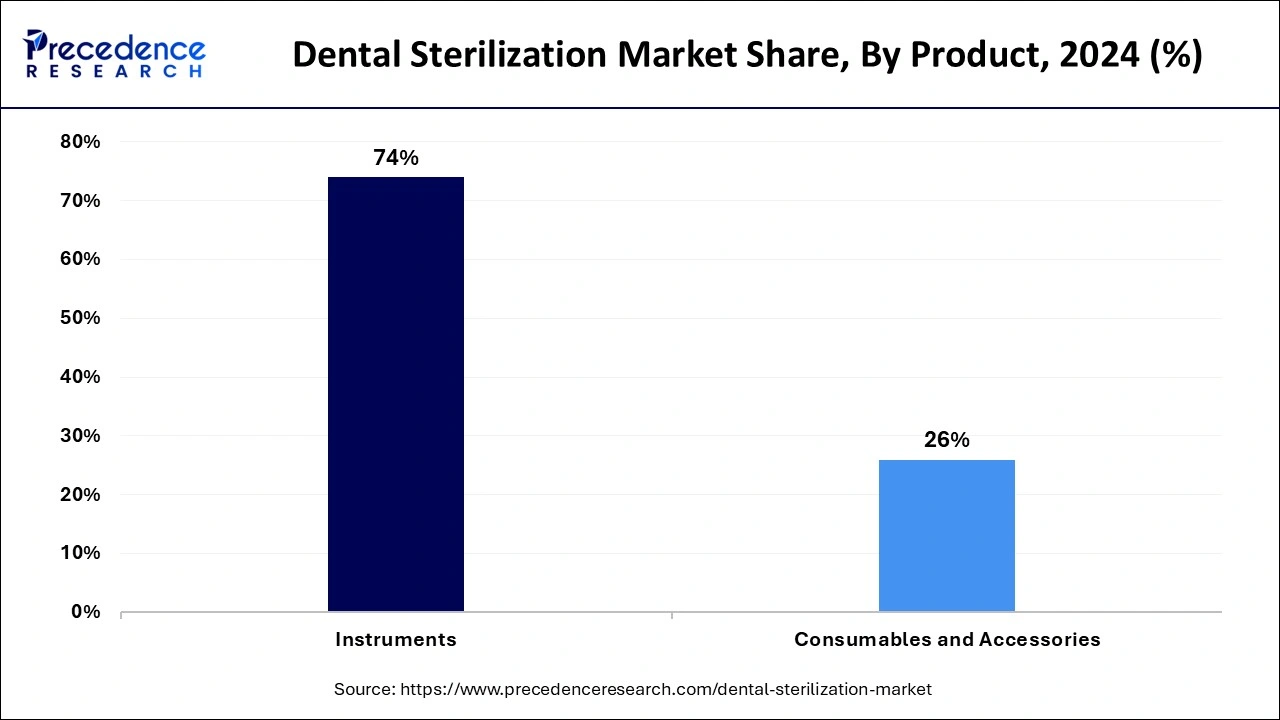
The consumables and accessories segment will witness substantial growth in the market during the predicted period. The rising awareness regarding the sterilization and disinfection of healthcare instruments and devices boosts the adoption of different sterilization consumables and accessories, which further include sterilization indicators, sterilization packaging accessories, cleaning solutions, and surface disinfectants. The rising advancement in medical or healthcare technologies and drugs are contributing to the demand of the segment.
End Use Insights
The dental clinics segment dominated the dental sterilization market in 2025. The increasing adoption of dental procedures or treatment in dental clinics is due to the availability of skilled dental professionals. The dental clinics had skilled and trained staff with the knowledge of sterilization or cleaning of the clinic environment, dental instruments, and devices for preventing infection to both the patient and the doctors, which accelerated the demand for dental sterilization equipment, machinery, or equipment for efficient sterilization processes.
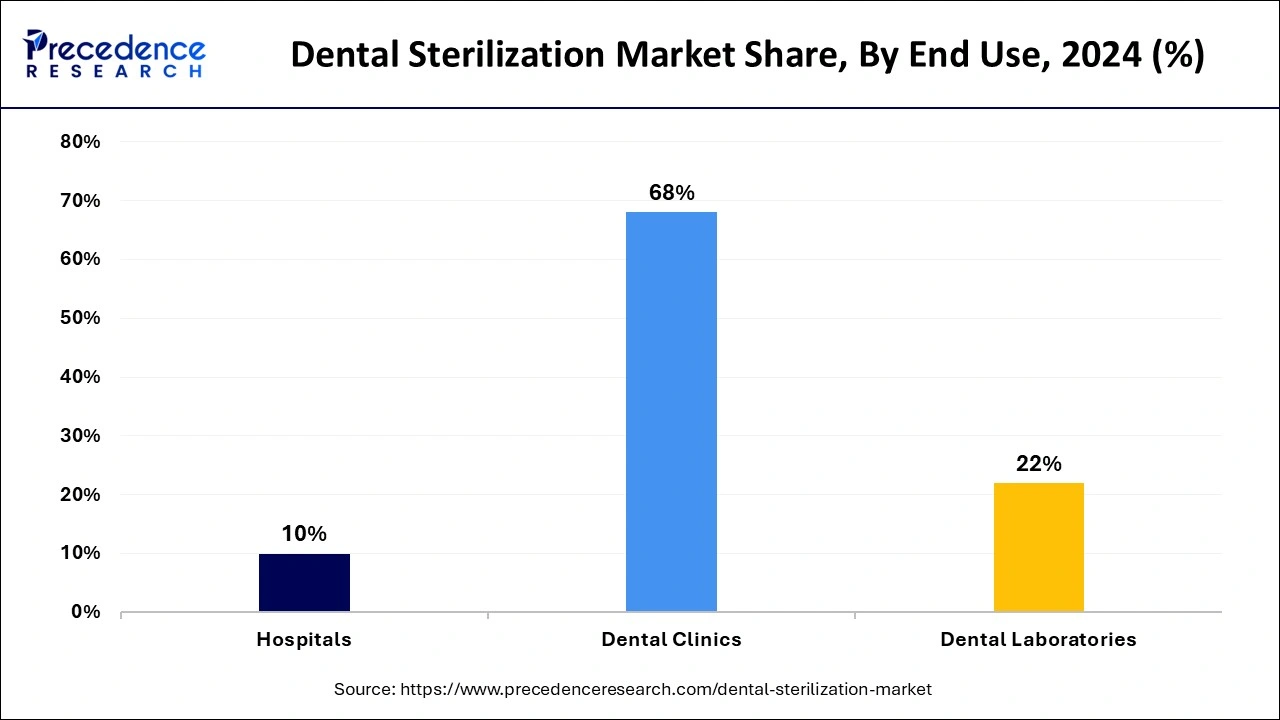
The hospitals segment expects notable growth during the forecast period. The increasing adaptation of sterilization processes or machinery by hospitals is due to the increasing prevalence of infections in the hospital environment or instruments. The rising dental treatment in hospitals and stringent regulations regarding the cleaning and sterilization process are accelerating the growth of the market.
Regional Insights
What is the U.S. Dental Sterilization Market Size?
The U.S. dental sterilization market size was exhibited at USD 680 million in 2026 and is projected to be worth around USD 1,470 million by 2035, growing at a CAGR of 8.84% from 2026 to 2035.
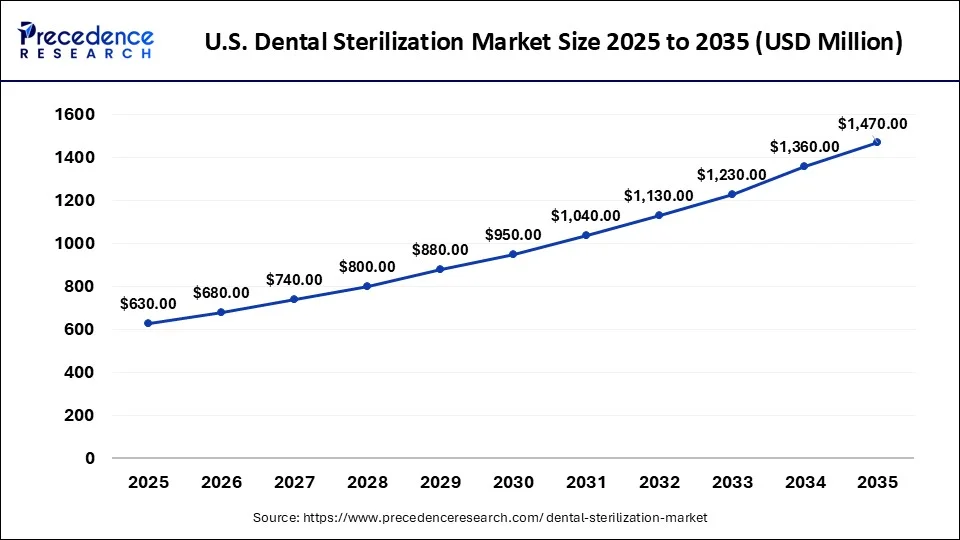
North America dominated the dental sterilization market in 2025. The growth of the market is attributed to the well-availability of the healthcare and pharmaceutical industry and the increasing awareness regarding infection-causing diseases in the regional population, which boosts the demand for the sterilization process or equipment. The increasing prevalence of dental programs in the population, such as tooth decay, cavities, hyper-sensitivity, and others due to changing lifestyles, eating habits, and others, drives the demand for dental treatment procedures.
- There are 181,469 Active Dentists in the United States in 2023, with a 2.8% increase from 2022.
- About 19% of the adult population in the United States suffer from some kind of oral or dental problem.
North America Leading the Way in Sterilization Standards
North America remains the leading region in the dental sterilization market due to strong regulatory oversight, high dental care expenditure, and the presence of well-established healthcare infrastructure. The United States stands at the forefront, supported by organizations like the Centers for Disease Control and Prevention (CDC) and Occupational Safety and Health Administration (OSHA), which have introduced strict sterilization protocols to reduce infection risks in dental facilities. These guidelines have pushed clinics to adopt top-tier sterilization technology and undergo regular compliance checks. Meanwhile, Canada has implemented robust public health programs promoting safe dental practices, especially in rural and community-based settings, further enhancing market penetration.
Top Contributing Countries in North America:
- U.S.: Regulatory pressure and high dental visit rates contribute to demand for advanced sterilization systems.
- Canada: Government-supported hygiene campaigns and investments in public dental health boost equipment adoption.
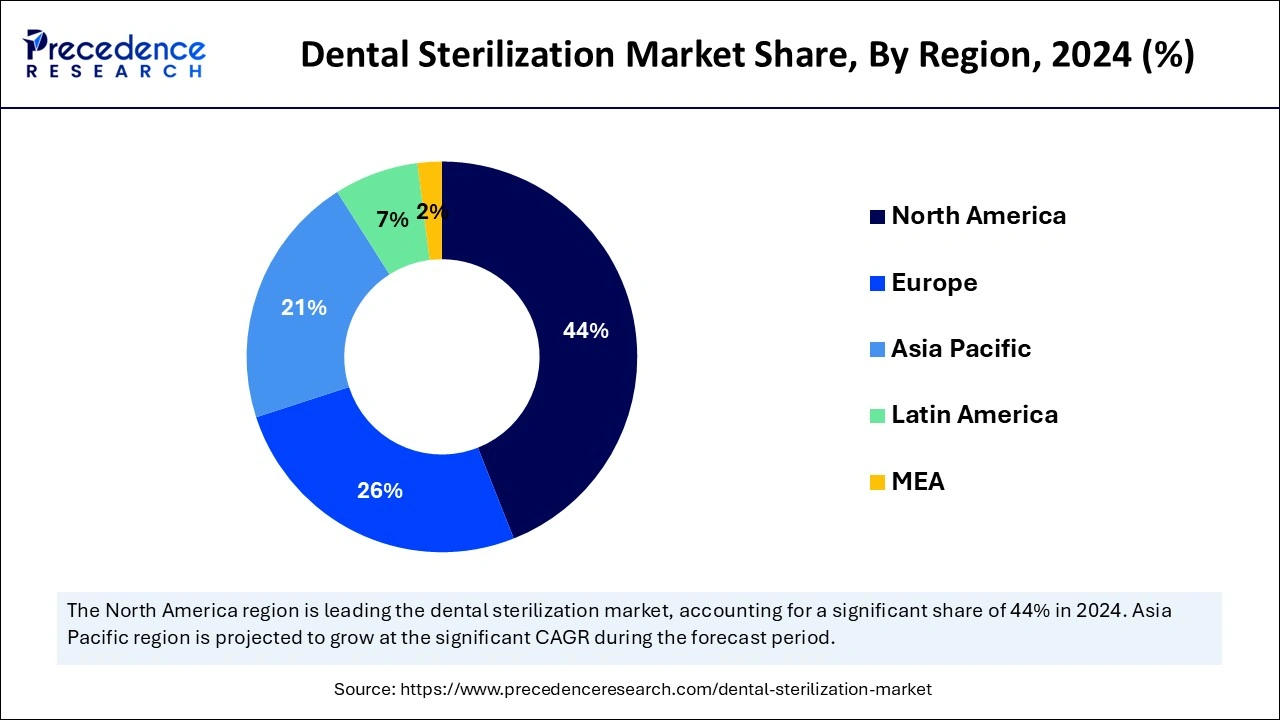
Asia Pacific is expecting substantial growth during the predicted period. The growth of the market is owing to the rising population and the increasing number of geriatric population in the regional countries, which are more prone to dental conditions due to aging condition and the rising cases of dental problems in the younger generation due to the changing lifestyle, urbanization, eating and drinking habits, and others are accelerating the number of dental problems which drives the demand for the dental treatment and awareness regarding the infection prevention boosts the growth of the dental sterilization market across the region.
Asia-Pacific: A Clean Sweep in Growth Potential
Asia-Pacific is emerging as the fastest-growing region in the dental sterilization market. The region's growth is anchored in a combination of population expansion, rising awareness of oral hygiene, and increased investments in healthcare infrastructure, particularly in countries like India, China, South Korea, and Vietnam. As dental clinics multiply in both urban and semi-urban areas, the demand for affordable yet efficient sterilization devices is accelerating. Governments across Asia-Pacific are also rolling out initiatives to upgrade public health facilities and introduce sterilization standards for dental operators. In India, for example, public-private partnerships are pushing quality improvements in dental clinics under various health missions. Moreover, growing medical and dental tourism in countries like Thailand and Malaysia has created a competitive pressure to uphold global hygiene standards, spurring clinics to modernize their sterilization protocols. The shift toward digitized dental practices is also influencing the purchase of smart sterilization units that seamlessly integrate into existing clinic management systems.
Major Contributing Factors in Asia-Pacific
- Rapid growth in dental tourism and private dental chains
- Increasing government focus on improving infection control standards
- Rising income levels and health awareness in emerging economies
What are the Advancements in the Dental Sterilization Market in Europe?
Europe is expected to have significant growth during the forecast years. This growth and development is fueled by a rapidly aging population, the increasing awareness of dental aesthetics, and supportive reimbursement policies in several countries. Regulatory frameworks, such as the EU Medical Device Regulation, help to ensure product safety and efficacy, which boosts market demand. Germany and France are the leading players in the region. Countries like Germany, France, and the UK are leading players.
Germany Market Trends
The region is also witnessing a surge in dental clinics adopting advanced technologies, which are enhancing the overall patient experience and driving market growth. The region's competitive landscape is characterized by a mix of established players and emerging companies.
What are the Key Trends in the Dental Sterilization Market in Latin America?
Latin America is witnessing quite a substantial amount of market expansion and growth. This growth is driven by several factors, including the rising acceptance of advanced technologies and improved training courses in implantology. As more and more general practitioners in the region receive training in implantology techniques, the need for specialization will decrease. Countries like Brazil and Mexico are leading players.
Brazil Market Trends
The country benefits from a strong presence of well-established dental practices, and a growing awareness of oral health further enhances the region's market dynamics, fostering investments and innovation. Companies are also seen investing actively in training programs to help familiarize and train dentists with their products, thereby enhancing brand awareness and loyalty.
How is the Middle East and Africa Region Growing in the Dental Sterilization Market?
The Middle East and Africa are expected to witness significant growth in the upcoming years. This growth is driven by increasing urbanization, rising healthcare expenditure, and a growing awareness of dental aesthetics. Countries like South Africa and the UAE are leading players in the regional market. This is because they are supported by strong government initiatives that aim to enhance healthcare infrastructure and broaden access to quality dental services and equipment.
South Africa Market Trends
Regulatory frameworks are gradually improving in the region, and companies are increasingly investing in marketing and distribution channels, thus driving the market further.
Dental Sterilization Market Companies
- Hu-Friedy Mfg. Co., LLC.
- Dentsply Sirona
- Midmark Corporation
- MATACHANA
- W&H Dentalwerk
- Nakanishi Inc.
- SciCan Ltd.
- Getinge
- Tuttnauer U.S.A. Co., Ltd.
Latest Announcement by Industry Leaders
- In January 2025, DENTSPLY SIRONA Inc. announced that they are focusing on the Byte business model and treatment, including in-person dentist oversight. The company is analyzing the scope for go-to-market business and economic model with partnering dentists' direct-to-consumer (“DTC”) demand generation using Byte's core competencies.
Recent Updates on Dental Sterilization
Smart technologies reshape sterilization practices
- On 12 March 2025, when automation and smart systems are used, the dental sterilization market enters a new stage of innovation. Integrated traceability software, cycle monitoring applications, and IoT-enabled sterilization units are now assisting clinics in minimizing human errors and adhering to sterilization procedures. Group practices and dental hospitals that handle large volumes of instruments daily are especially benefiting from this skill.
Global regulatory push increases adoption
- On 5 April 2025, advanced sterilization units are becoming more widely used because of increased regulatory pressure from dental councils and health departments around the world, increased awareness of the risks of cross-contamination, and infection control compliance requirements are driving up demand in developing regions such as South America and Southeast Asia. Investing in infrastructure and training for infection control has become essential to the dental clinic.
Recent Development
- In July 2025, ZimVie Inc. announced a strategic distribution partnership with Osstem Implant Co., Ltd., which is a prominent provider of high-quality dental implants and integrated dental technologies worldwide. This collaboration aims to strengthen ZimVie's global footprint by expanding into the rapidly growing Chinese implant market, which is estimated to boost the number of units sold annually, and will also improve customer access to its innovative range of implant solutions. (Source: https://www.globenewswire.com)
- In March 2025, Dentsply Sirona, which is the world's largest manufacturer of diversified professional dental products and technologies, announced its participation at the Academy of Osseointegration's (AO) Annual Meeting 2025, which is taking place from March 27 to 29 in Seattle, WA. Here, Dentsply Sirona will spotlight its latest innovation, the MIS LYNX implant, alongside an engaging Corporate Forum focused on the continuous evolution of implant dentistry. (Source: https://www.dentsplysirona.com)
- On 21 February 2025, a leading European manufacturer introduced a compact, high-speed dental autoclave aimed at small clinics and mobile dental units. With faster cycle times and energy-efficient operation, it meets the growing demand for portable and eco-conscious sterilization tools.
- In March 2025, a U.S.-based dental supply company announced a strategic partnership with software developers to integrate sterilization cycle monitoring into broader dental practice management systems. This aims to improve compliance tracking and maintenance scheduling.
- On 11 March 2025, Midmark Corporation unveiled a compact benchtop sterilization unit, “Sterili-Mini,” designed for small practices and mobile dental clinics. It offers a rapid sterilization cycle of under 10 minutes, aimed at increasing patient turnaround without compromising safety.
- On 29 March 2025, W&H Dentalwerk announced a strategic partnership with a Southeast Asian distributor to expand access to its Lisa sterilizers. The company also revealed plans for a fully automated maintenance-free sterilization unit expected to launch in Q1 2026.
Segments Covered in the Report
By Product
- Instruments
- Sterilization Equipment
- High-temperature Sterilizers
- Low- temperature Sterilizers
- Cleaning and Disinfectant Equipment
- Washer Disinfectants
- Ultrasonic Cleaners
- Packaging Equipment
- Sterilization Equipment
- Consumables and Accessories
- Sterilization Packaging Accessories
- Instrument Disinfectants
- Surface Disinfectants
- Sterilization Indicators
- Lubrication and Cleaning Solutions
By End Use
- Hospitals
- Dental Clinics
- Dental Laboratories
By Region
- North America
- Europe
- Asia Pacific
- Latin America
- Middle East and Africa
For inquiries regarding discounts, bulk purchases, or customization requests, please contact us at sales@precedenceresearch.com
Frequently Asked Questions
Tags





Ask For Sample
No cookie-cutter, only authentic analysis – take the 1st step to become a Precedence Research client
 Get a Sample
.webp)



 sales@precedenceresearch.com
 Schedule a Meeting
