



Glass Manufacturing Market Trends, Leading Companies, Company Revenue / Sales Performance, Plant Utilization, Production Volume, Pricing Dynamics, Supply Chain Performance, Competitive Landscape, and Industry Growth
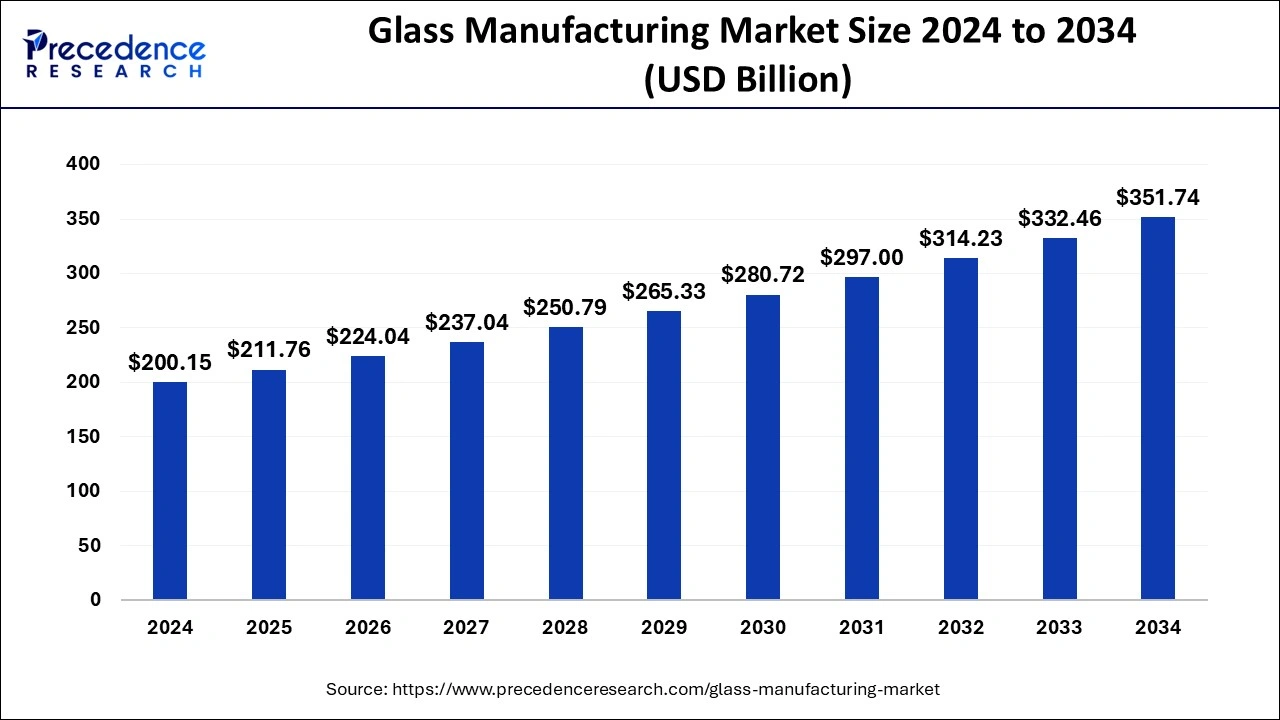
The global glass manufacturing market was valued at USD 224.04 billion in 2026 and is projected to reach USD 370.32 billion by 2035, growing at a CAGR of 5.75% from 2026 to 2035. Market growth is driven by rising demand from the construction, automotive, packaging, solar energy, and consumer electronics industries, along with increasing adoption of energy-efficient and recyclable glass products. Advancements in AI-powered manufacturing, smart glass technologies, sustainable production processes, and green building initiatives are further accelerating market expansion. Asia Pacific dominated the market in 2025 due to rapid industrialization and infrastructure development, while North America is expected to witness the fastest growth, supported by stringent energy-efficiency regulations and growing investments in sustainable manufacturing.
Source: https://www.precedenceresearch.com/glass-manufacturing-market
 Get a Sample
 Table Of Content


What is Glass Manufacturing Market Size?
The global glass manufacturing market size accounted for USD 224.04 billion in 2026 and is expected to be worth around USD 370.32 billion by 2035, at a CAGR of 5.75% from 2026 to 2035. Glass manufacturing is gaining traction due to a massive boom in solar energy infrastructure and surging demand for energy-efficient construction materials.
Market Highlights
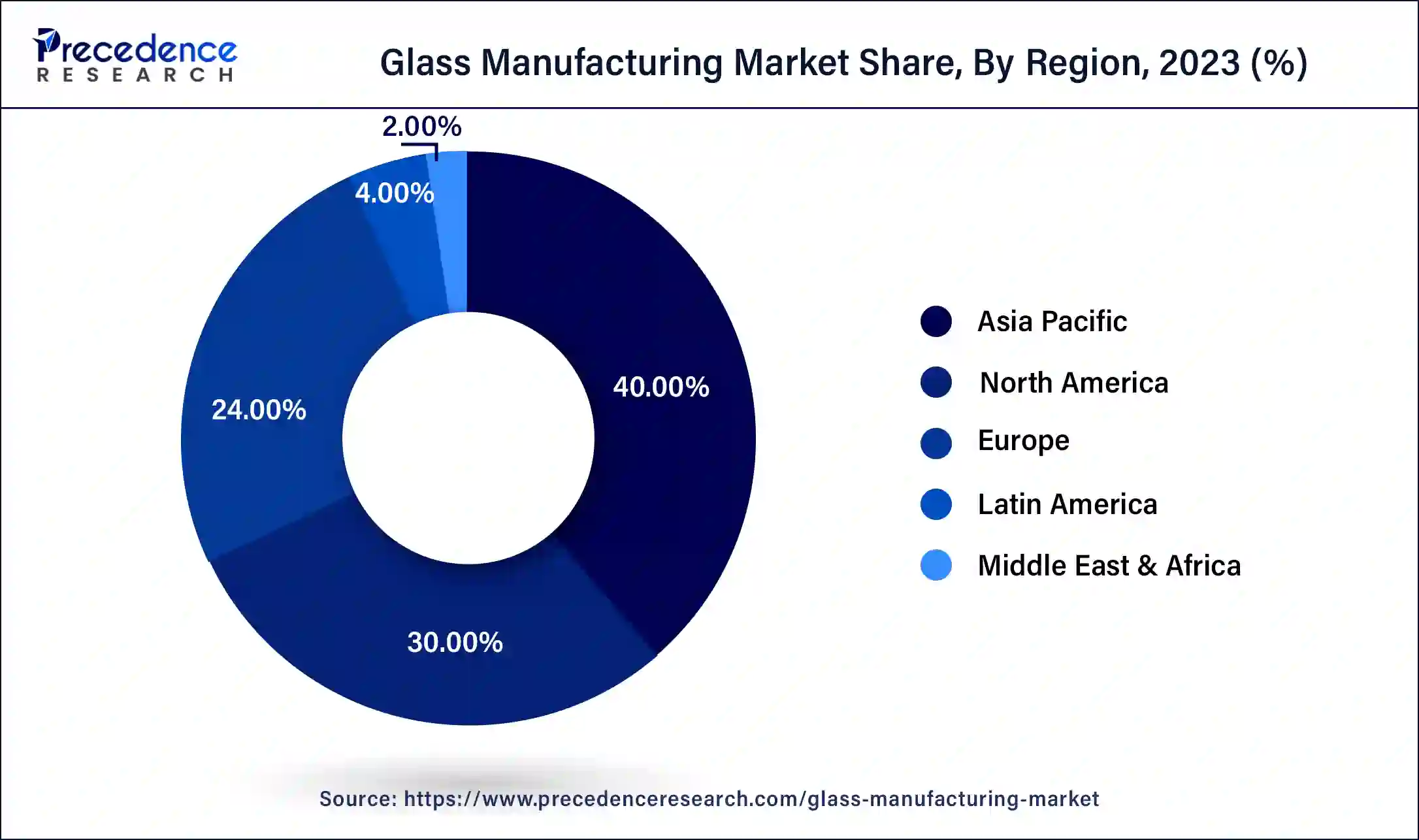
- Asia Pacific led the global market with the highest market share of 40% in 2025.
- By Product, the container glass segment has held the largest market share of 50% in 2025.
- By Application, the automatic segment registered a maximum market share of 45% in 2025.
Market Overview
What is the Glass Manufacturing?
Glass is known for its firmness and fragility, and the primary raw materials in glass are limestone, sand, soda, coloring glass, glistening glass, and clarifying agents. Glass is categorized into different types based on its chemical composition, including soda lime glass, lead glass, borosilicate, aluminosilicate, high silica glass, and fused quartz. The glass sector produces durable, promising products that are recyclable. The consumer preferences for recyclable packaging, urbanization, infrastructure investment, renewable energy installations, and automotive glazing are driving the momentous growth of the glass manufacturing market. On the other hand, the Glass Manufacturing Industry Council (GMIC) prioritizes technology development, workforce training, and sustainability. This council aims to promote industrial expansion through productivity, innovation, and environmental cooperation.
What is the Role of AI in the Glass Manufacturing Market?
AI is supporting sustainability goals in the glass industry by lowering emissions, improving energy efficiency, reducing waste, and increasing recycling. AI technologies help glass manufacturers meet sustainability goals. AI optimizes energy and emissions, improving quality and reducing waste, and boosting circularity through smart recycling. AI adjusts equipment parameters to lower energy use. AI process controls improve furnace efficiency to cut carbon dioxide output. AI is enabling glass manufacturers to improve their processes that save energy, cut emissions, boost recycling, and reduce waste.
What Factors Contribute to the Growth of the Glass Manufacturing Market?
- The increasing domestic demand for construction materials, ceramics, glass, and advanced industrial products from glass and ceramics manufacturing supports the market.
- A rapid growth is seen in infrastructure modernization, residential construction, and manufacturing activity. It supports higher-end use of minerals used as fluxing agents in glass and ceramic production.
- The essential industrial minerals are used in glass making and ceramic manufacturing due to their ability to improve durability, product strength, and production efficiency.
- Manufacturers are expanding production capacity to serve growing demand from automotive glass, construction, electronics, and sanitaryware industries.
- The market experiences increasing industrial production of glass containers, sanitaryware, ceramic tiles, specialty glass products, and fiberglass insulation across the U.S.
Market Outlook
- Industry Growth Offerings- Industry growth in the market is driven by increasing demand from the construction, automotive, and consumer electronics sectors. Companies are delivering high-performance float glass, architectural glazing, specialty and smart glass, and value-added decorative and safety glass to meet diverse applications.
- Global Expansion- Global expansion in the market is fueled by rapid urbanization, infrastructure investments, and growing automotive production. Manufacturers are scaling operations regionally, expanding exports, and leveraging innovations like smart, energy-efficient, and specialty glass to meet global demand.
- Startup ecosystem- Startups in the market are innovating with smart glass, energy-efficient coatings, recyclable materials, and advanced architectural and automotive solutions. They focus on sustainability, lightweight designs, and enhanced functionality, complementing traditional manufacturing processes.
Market Scope
| Report Highlights | Details |
| Market Size in 2025 | USD 211.76 Billion |
| Market Size in 2026 | USD 224.04 Billion |
| Market Size by 2035 | USD 370.32 Billion |
| Growth Rate from 2026 to 2035 | CAGR of 5.75% |
| Base Year | 2025 |
| Forecast Period | 2026 to 2035 |
| Segments Covered | Product, Application, and Regions |
| Regional Scope | North America, APAC, Europe, Latin America, MEAN, Rest of the World |
Segmental Insights
Product Insights
How does the Container Glass Segment Dominate the Glass Manufacturing Market in 2025?
The container glass segment dominated the market in 2025, owing to the key properties of glass containers, such as chemical inertness, impermeability, transparency, heat resistance, and mouldability. The glass containers in packaging are advantageous in terms of product safety and preservation, 100% recyclability, reusability, light protection through colouring, and premium brand perception.
The fiberglass segment is expected to grow at the fastest CAGR in the market during the forecast period due to its versatility and durability and the heavy reliance of the automotive and construction sectors on fiberglass. The use of fiberglass boosts the efficiency of any project, and it needs careful handling during the process.
Application Insights
What made Packaging the Dominant Segment in the Glass Manufacturing Market in 2025?
The packaging segment dominated the market in 2025, owing to the advantages of glass packaging in preserving product quality across industries and enhancing shelf appeal. Glass packaging is ideal for pharmaceuticals, beverages, foods, and personal care products.
The electronics segment is estimated to grow at the fastest rate in the market during the predicted timeframe due to the wide use of glass in lighting, automotive windshields, and architectural windows because of its chemical stability and transparency. There are various uses of glass in electronics, including laptops, smartphones, tablets, automotive displays, and advanced applications.
Regional Insights
How does Asia Pacific dominate the Glass Manufacturing Market in 2025?
Asia Pacific dominated the market in 2025, owing to expanding solar energy infrastructure, a rising demand for sustainable packaging, and a booming automotive sector. The policymakers across major hubs like China and India are focusing on energy-efficient, high-tech, and low-carbon glass variations. Local regulations enforce green building and energy-efficient building infrastructure. Governments are providing financial incentives for glass manufacturing plants.
Asia Pacific Glass Manufacturing Market Size and Growth 2026 to 2035
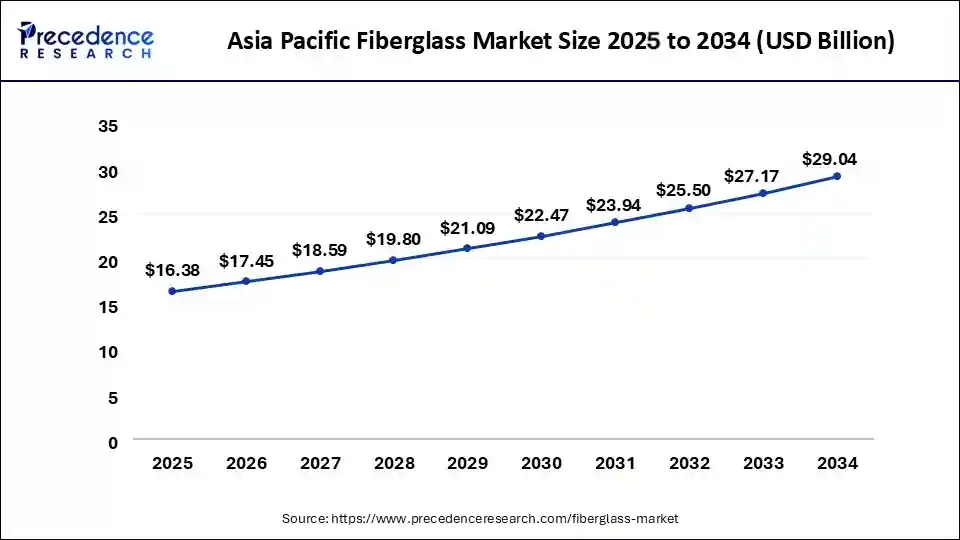
The Asia Pacific glass manufacturing market size is estimated at USD 84.70 billion in 2025 and is predicted to be worth around USD 148.14 billion by 2035, at a CAGR of 5.75% from 2026 to 2035.
How can the Glass Manufacturing Market Contribute to the Growth of India?
India experiences a boom in the real estate and construction sectors, automotive industry upgrades, urbanization, and high-rise projects. The Union Budget expanded the PLI scheme to reduce import dependency on high-tech glass variants. The incentives and subsidies target the production of heat-resistant variants, energy-efficient glass, and uPVC structural glass.
What is the Potential of the Glass Manufacturing Market in North America?
North America is expected to grow at the fastest CAGR in the market during the forecast period due to strict energy-efficiency regulations, an eco-friendly packaging shift, and a surge in infrastructure and renovation projects. North American governments are actively driving supply chain resilience, energy efficiency, and decarbonization of the glass manufacturing industry. The U.S. government prioritizes the industrial demonstration program, federal decarbonization, and infrastructure grants.
How is the Expansive Reach of the Glass Manufacturing Market in the U.S.?
U.S. is advancing in the market through smart glazing innovations in the automotive sector, next-generation automotive needs, and sustainable packaging preferences. The federal programs in the U.S. and Canada are focusing on mandating sustainable materials and replacing fossil-fuel-powered furnaces.
Why is Europe considered a significantly growing region in the Glass Manufacturing Market?
Europe is expected to grow at a significant rate in the market during the studied period due to technological innovations toward fossil fuel mitigation, lightweighting programs, and higher recycled content. Government initiatives for the European glass manufacturing industry focus strongly on circular economy targets, industrial decarbonisation, and protecting market competitiveness. European Union and individual member states have introduced direct funding, legal frameworks, and border protections to boost the transition away from fossil-fueled furnaces.
What is the Key Role of the Glass Manufacturing Market in Germany?
Germany is growing and expanding in the market due to a surge in pharmaceutical packaging, decarbonization and green technology, circular economy regulations, and technological modernization. German glass manufacturing projects are expected to deploy specific next-generation technologies and meet strict environmental targets.
Which Major Growth Factors Drive the Notable Growth of the Glass Manufacturing Market in Latin America?
Latin America is expected to grow at a notable rate in the market during the predicted timeframe, driven by strict sustainability and circular economy laws, including recycling mandates, production investments, and lightweight innovations. Government initiatives across the region have shifted towards renewable energy integration, strict environmental compliance, and circular economy regulations. This regional modernization is driven by foreign direct investments, public infrastructure projects, and industrial decarbonisation mandates.
How can the Glass Manufacturing Market Expand in Brazil?
Brazil is transitioning toward regional infrastructure, local production scaling, a surge in healthcare packaging, and solar module supply chains. The federal policies shift toward clean energy, eco-friendly production, and a streamlined fiscal structure. The government policy forces large manufacturers to scale up furnace technologies and adopt returnable-bottle systems.
How does the Glass Manufacturing Market Majorly Impact the Significant Growth of MEA?
MEA is expected to grow significantly in the market in the coming years, propelled by government bans on single-use plastics, updates to energy efficiency regulations, and regional infrastructure giga projects. The mega infrastructure projects, a regional construction boom, and strict sustainability policies are expanding the regional market. Local manufacturing regulations depend on domestic pharmaceutical packaging. Government mandates for renewable energy utilities have driven the adoption of anti-reflective, low-iron solar glass.
What is the Major Footprint of Saudi Arabia in the Glass Manufacturing Market?
Saudi Arabia is transforming due to government policies promoting industrial localization and massive infrastructure developments under Saudi Vision 2030. Government policies are targeting pharmaceutical-grade packaging, high-performance construction glass, and green production technologies. The Kingdom's strategy focuses on transforming the local glass industry into a self-reliant hub.
Competitive Landscape
The glass manufacturing market is dominated by Saint-Gobain, AGC Inc./Asahi Glass, Corning Incorporated, Fuyao Glass Industry Group, and Guardian Industries. Moreover, the top specialty and container glass leaders are SCHOTT AG, Vitro, Xinyi Glass Holdings, and O-I Glass. The global industry is defined by ultra-tough consumer electronics displays, high-performance architectural options, and low-carbon, sustainable building materials. The key technologies targeted for R&D are green hydrogen furnaces, AI-driven quality inspection, automated thermal controls, etc.
Top Vendors and their Offerings
- AGC Inc: Produces high-performance float, laminated, tempered, and specialty glass for automotive, architectural, and display applications with advanced coatings and smart glazing technologies.
- Heinz Glas: Manufactures luxury glass flacons and jars for the perfume and cosmetics industry, offering custom designs and premium finishing.
- Koa Glass: Provides high-quality glass containers for cosmetics and perfume, including antibacterial “Million Guard” options.
- NSG Co., Ltd: Supplies architectural, automotive, and ultra-fine specialty glass for construction, automotive, and electronics applications.
Glass Manufacturing Market Companies
- Nippon Sheet Glass Co., Ltd.
- Saint Gobain
- Central Glass Co. Ltd.
- Nippon Electric Glass Co. Ltd.
- Guardian Industries
- Fuyao Glass Industry Group Co., Ltd.
- Owens Illinois Inc.
- Nihon Yamamura
- Amcor
- 3B - the fiberglass company
Recent developments
- In May 2025, a collaboration between AGI, which is a global leader in advanced glass-engineered systems that provides chemical, pharmaceutical, and biotech sector solutions, and GL HAKKO, which is its sister company, which develop high-quality glass-lined reactor and heat exchanger technologies. A 20-year license to assemble and market GL HAKKO's world-class glass-lined shell and tube heat exchangers in India will be granted by this collaboration. (Source: https://www.msn.com)
- In April 2025, to improve the glass recycling services throughout the US, a division of Ardagh Group, that is Ardagh Glass Packaging-North America (AGP-North America), and CAP Glass have achieved a long-term collaboration. A comprehensive system for sorting, collecting, recycling, and processing the glass bottles will be implemented to minimize the glass waste volume that is sent to landfills through this collaboration. Furthermore, to meet the quality standards for AGP-North America's glass manufacturing operations by the cullet, advanced technologies will be utilized at CAP glass with the help of this collaboration. (Source: https://finance.yahoo.com)
Segments Covered in the Report
By Product
- Flat Glass
- Container Glass
- Fiberglass
- Others
By Application
- Construction
- Packaging
- Transportation
- Telecommunication
- Electronics
- Others
By Region
- North America
- Europe
- Asia-Pacific
- Latin America
- Middle East & Africa
For inquiries regarding discounts, bulk purchases, or customization requests, please contact us at sales@precedenceresearch.com
Frequently Asked Questions





Ask For Sample
No cookie-cutter, only authentic analysis – take the 1st step to become a Precedence Research client
 Get a Sample




 sales@precedenceresearch.com
 Schedule a Meeting
