






 Request Consultation
Molded interconnect devices (MIDs) integrate circuits into 3D components, driving innovation in IoT, 5G networks, automotive sensors, and medical electronics. This blog covers techniques, top manufacturers, and the global market outlook.
What are Molded Interconnect Devices?
Molded interconnect devices (MIDs) are 3-dimensional electromechanical components that are integrated with conductive circuit paths directly into their surface by merging mechanical housing and electrical circuits. These devices are manufactured from various materials, including thermoplastic substrates, copper, gold, and nickel. They are manufactured using processes such as injection molding, laser activation, and metallization. MIDs are highly useful for manufacturing advanced, miniature, and complex electronic systems that cannot be achieved with traditional flat circuit boards. These interconnected devices were initially developed using the two-shot molding process due to its cost-effectiveness.
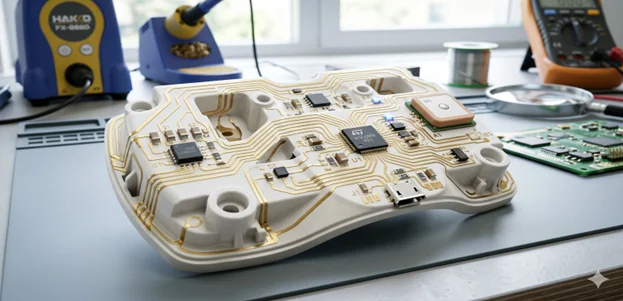
- In March 2026, Lightmatter launched vClick Optics. vClick Optics is an advanced molded device that comes with several features, including advanced packaging compatibility, field serviceability, automated assembly, and high bandwidth capability.
What is the Molded Interconnect Device Market Size in 2026?
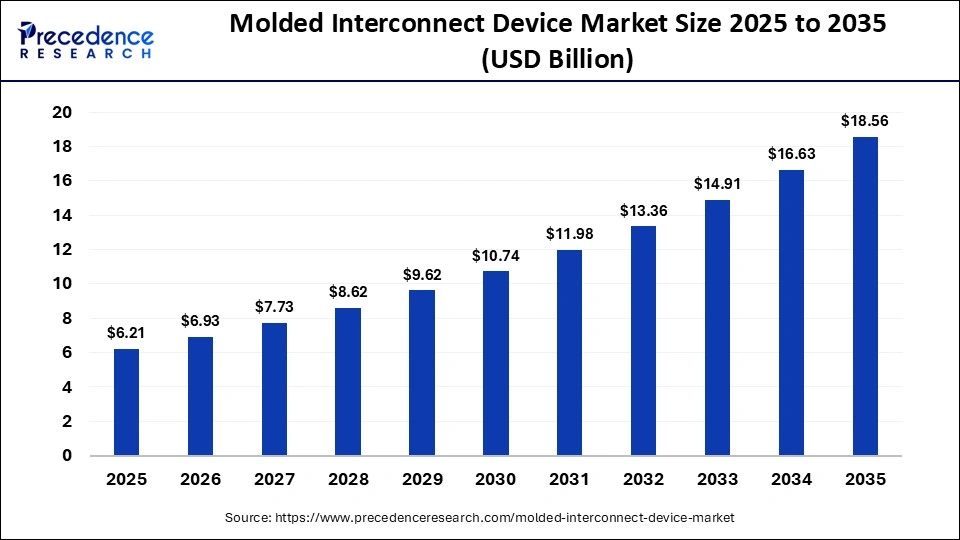
The global molded interconnect device market size was calculated at USD 6.21 billion in 2025 and is predicted to increase from USD 6.93 billion in 2026 to approximately USD 18.56 billion by 2035, expanding at a CAGR of 11.57% from 2026 to 2035
Top Players Engaged in Manufacturing Molded Interconnect Devices
|
Companies |
Offerings |
|
|
TE Connectivity is a leading global industrial technology company that designs and manufactures a broad portfolio of connectors, sensors, and electronic components essential to connecting power, data, and signal in industries such as automotive, aerospace, medical, and data centers. Its key products comprise antennas, connectors, sensors, relays, heat shrink tubing, and terminals. |
|
|
Molex, a subsidiary of Koch Industries founded in 1938 and headquartered in Lisle, Illinois, is a global leader in electronic connectivity, serving industries like automotive, data communications, medical, and consumer electronics. This brand deals in a wide range of products, including connectors, cables, antennas, and optical solutions. |
|
|
Amphenol Corporation, founded in 1932 and headquartered in Wallingford, Connecticut, is one of the world's largest designers and manufacturers of electrical, electronic, and fiber optic connectors, interconnect systems, sensors, and antennas. |
|
|
HARTING Technology Group is a leading global provider of industrial connectivity technology, specializing in data, signal, and power transmission. Founded in 1945, the company produces industrial connectors, network components, and charging equipment for electromobility. |
|
|
Sumitomo Electric Industries, Ltd., founded in 1897 and based in Osaka, Japan, is a global leader in automotive wiring harnesses, optical fiber cables, and compound semiconductors. This company operates in Automotive, Info-communications, Electronics, Environment & Energy, and Industrial Materials.
|
|
|
TEPROSA GmbH, established in 2009 in Magdeburg, Germany, is a specialized technology service provider and contract manufacturer focusing on precision laser micro-machining, 3D-MID (three-dimensional molded interconnect devices), and electrical steel processing.
|
|
|
MID Solutions GmbH is a German research-based, medium-sized company specializing in the metallization of plastics and, specifically, Molded Interconnect Device (MID) technology. It focuses on creating lightweight components to replace all-metal components, catering to advanced manufacturing. |
|
|
Mitsubishi Electric Corporation, founded in 1921 and headquartered in Tokyo, Japan, is a premier global leader in manufacturing and selling electrical and electronic equipment. With over 149,000 employees, the company specializes in factory automation, HVAC systems, power semiconductors, and automotive equipment. |
|
|
Sierra Circuits is a Sunnyvale, California-based, family-owned company specializing in quick-turn, high-density interconnect (HDI) PCB manufacturing and assembly, primarily serving the aerospace, defense, and medical industries since 1986. They offer 1-30-layer boards with 1.5-mil trace/space, including rigid, flex, and rigid-flex.
|
|
|
Nexlogic Technologies (founded 1995, San Jose, CA) is a premier provider of PCB design, fabrication, assembly, and component management services for high-reliability, regulated markets. |


Which Molding Techniques are in High Demand?
Key molding techniques that are adopted by MID manufacturers comprise laser direct structuring (LDS), two-shot molding, and film transfer.
- Laser Direct Structuring (LDS): Laser Direct Structuring (LDS) is a high-precision production process that develops 3D plastic components to manufacture conductive circuits, enabling direct, complex, and miniature antenna integration into the housings of electronic devices. It reduces space, weight, and production costs. These molded parts are widely used in mobile, wearable, and automotive electronics.
- Two-Shot Molding: Two-shot molding (or 2K molding) is an advanced manufacturing process that molds two different materials or colors in a single cycle to create complex, multi-material parts. Its primary function lies in consolidating assembly by reducing labor costs, enhancing product durability through molecular bonding, and enabling superior ergonomic designs.
- Film Transfer: The film technique, also known as In-Mold Electronics (IME) or flex-foil film-insert over molding, is playing a prominent role in the production of molded interconnect devices (MIDs) because it enables the seamless integration of functional, conductive circuits onto complex 3D plastic surfaces in a single, automated manufacturing procedure.
Where Are Molded Interconnect Devices Used? Exploring Their Key Applications
Molded interconnect devices find applications in numerous industries such as telecommunication, consumer electronics, automotive, healthcare, and military & aerospace.
- Telecommunication: MIDs are generally used to integrate antennas directly into the plastic casings of smartphones, wearables, and 5G modules. This eliminates the need for bulky, separate antenna components, which in turn helps in saving valuable space inside compact and high-density devices.
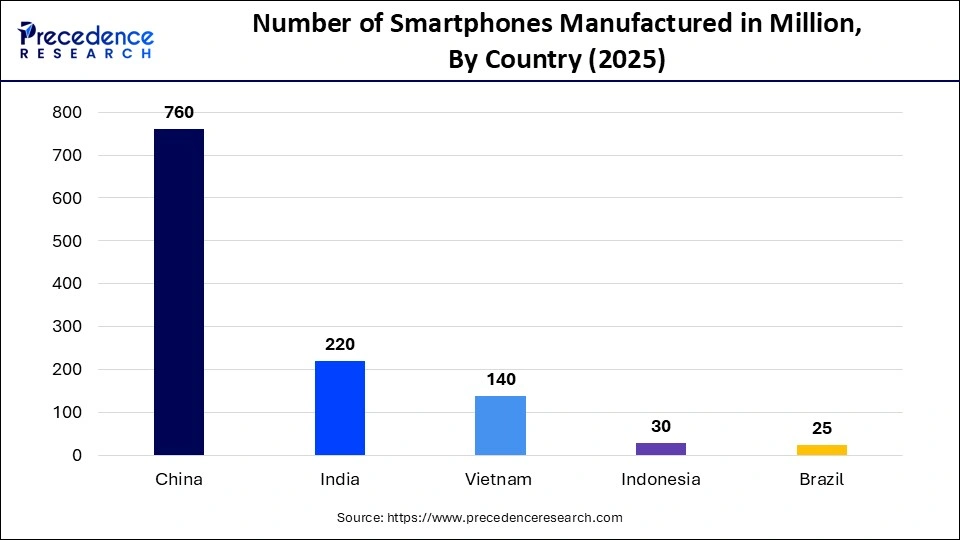
China manufactured around 760 smartphones in 2025, followed by India, Vietnam, Indonesia, and Brazil
- Consumer Electronics: MIDs are primarily used to create compact, high-performance antennas in communication devices, LED lights, and smartwatches, as well as for manufacturing sensor housings and space-efficient miniaturized connectors.
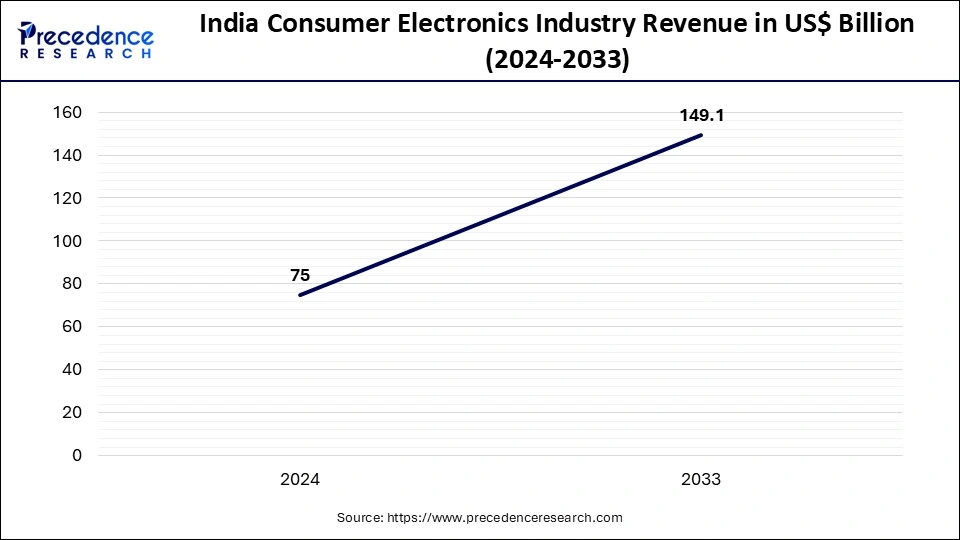
The revenue of the Indian consumer electronics industry in 2024 was US$ 75 billion, which is expected to reach US$149.1 billion by 2033.
- Automotive: MIDs are used for manufacturing advanced sensor housings for autonomous driving, including Radar, LiDAR, and camera systems. These devices are also used in steering wheels and center consoles by providing a sleek, lightweight, and reliable solution for buttons and switches. By replacing traditional PCBs and heavy wire harnesses, MID-based components further improve the energy efficiency in electric vehicles.
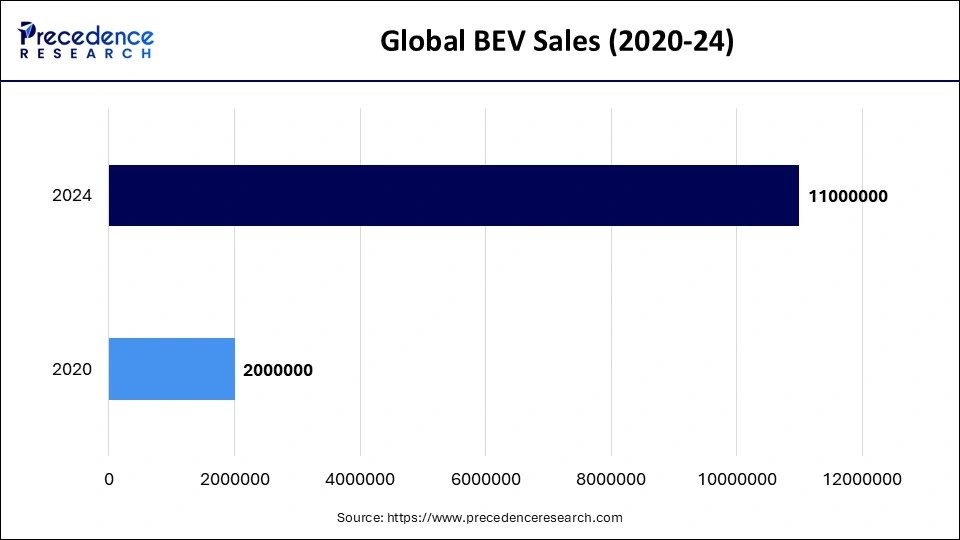
Around 2000000 BEVs were sold globally in 2020, which increased to 11000000 in 2024.
- Healthcare: MIDs play a crucial role in the healthcare industry. These devices are used in a wide range of portable diagnostic systems, such as blood glucose meters, pulse oximetry sensors, blood pressure monitors, and hearing aids. These devices also find application in neurostimulation controllers, pacemakers, and smartwatch-based trackers.
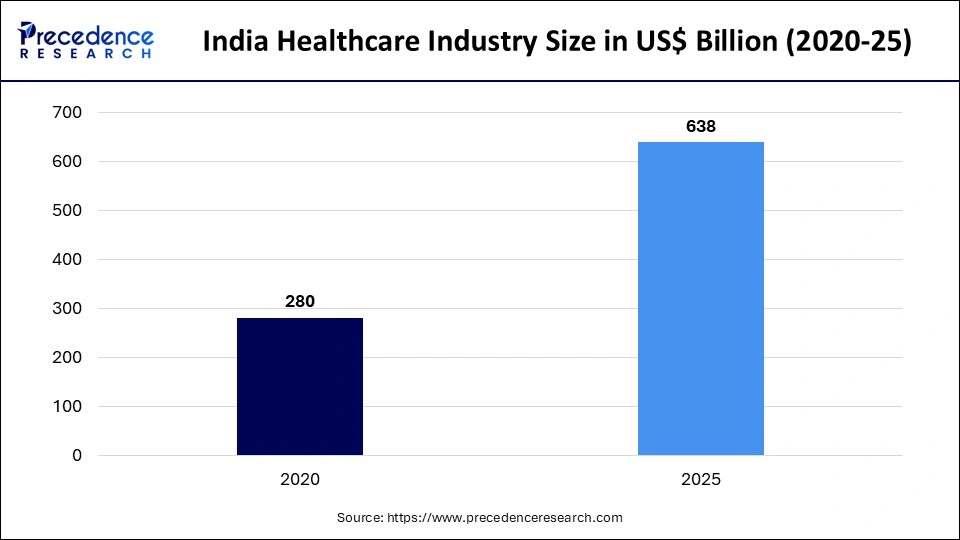
The Indian healthcare sector was valued at US$ 280 billion in 2020, which reached US$ 638 billion in 2025.
- Aerospace and Defense: MIDs are used for developing next-generation, superior-performance, and lightweight electronic systems for the defense sector. MIDs utilize advanced high-temperature, durable thermoplastics to withstand extreme conditions, making them ideal for military-grade, harsh-environment applications. The spending on the defense sector is increasing significantly to enhance national security.
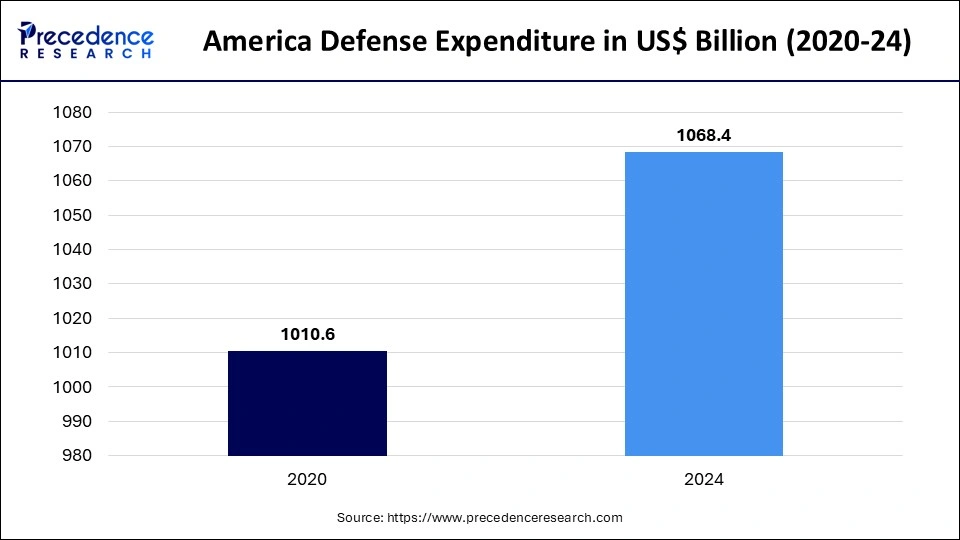
The defense expenditure of the Americas region in 2020 was US$ 1010.6 billion, which increased to US$ 1068.4 billion in 2024.
From Funding to Innovation: Government Support for MID Development
- In January 2026, the government of Vietnam announced plans to invest around US$ 129 billion. This investment is aimed at developing high-tech manufacturing, electronics, and clean energy across this country.
- In January 2025, the government of India announced to invest around US$ 2.92 billion. This investment is made to boost the electronics component industry in this nation.
- In September 2024, the Brazilian Government invested 7 billion BRL. This investment is made to strengthen the electronics sector in Brazil.
- In January 2024, the French Government invested 5.4 billion euros. This investment is made to strengthen the electronics industry of this country.
Top E-Commerce Platforms Delivering Molded Interconnect Devices Globally
Top e-commerce brands engaged in delivering molded interconnect devices are as follows
|
E-Commerce Brands |
Operations |
|
Amazon |
Amazon is the world's largest online retailer. It offers a cornerstone logistics service to handle storage, packing, shipping, and returns for sellers, ensuring fast, often Prime-eligible, delivery across the world.
|
|
Alibaba |
Alibaba is transforming its e-commerce ecosystem by integrating generative AI across the entire value chain to boost efficiency and consumer experience. Key initiatives include the Qwen-powered Quark app for consumers, "Accio" AI for B2B sourcing, and AI-powered marketing tools to increase merchant adoption. This AI strategy, aimed at optimizing logistics, marketing, and customer service, has led to triple-digit growth in AI-related products in China and other parts of the globe. |
|
PDD Holdings
|
PDD Holdings (Nasdaq: PDD) is a multinational e- commerce group headquartered in Dublin/Shanghai. It is a global online marketplace that offers heavily discounted fashion, electronics, and household goods, driving international expansion. This brand mostly operates in the Asia Pacific region.
|
|
Shopify
|
Shopify is a leading, cloud-based e-commerce platform that allows users to create, customize, and manage online stores without coding. It supports selling online, in-person (POS), and across social media. It mainly caters to the consumers of Canada and the rest of the North American region. |
|
Zoro |
Zoro is a major B2B e-commerce retailer and subsidiary of W.W. Grainger, Inc., launched in 2011 to supply millions of industrial tools, electronics goods, maintenance, repair, and operations (MRO) items, and equipment. This company is headquartered in Buffalo Grove, Illinois, U.S. It mainly serves small-to-medium businesses (SMBs) and consumers with a digital-first, fast, and easy-to-use platform across the U.S. |
Core Factors Boosting the Adoption of Molded Interconnect Devices
The major factors consist of the rapid expansion of the 5G infrastructure, surging adoption of IoT devices, and growing demand for automotive sensors.
- Rapid Expansion of the 5G Infrastructure: Molded Interconnect Devices (MIDs) are important in the expansion of the 5G infrastructure for creating lightweight, compact, and high-frequency antennas that deliver superior networks globally.
- Growing Adoption of IoT devices: The increasing popularity of IoT devices has increased the demand for MIDs, as it enables three-dimensional wiring for reducing the size of IoT devices. MID technology also allows for the embedding of switches and conductive paths directly into the structural components of smart IoT devices to enhance their usability.
- Surging Demand for Automotive Sensors: The demand for automotive sensors has grown significantly from prominent automakers such as Tesla, BYD, Toyota, and Volkswagen. MIDs enable compact, high-precision position sensors for initiating adaptive cruise control and camera/radar systems that are used for improving the performance of ADAS systems in vehicles.
Why Isn’t MID Technology Widely Adopted Yet?
The main restraining factors include incompatibility issues, high production costs, and supply-chain complexities.
- Incompatibility Issues: The incompatibility of MIDs with high-density electronic packages is hampering the industry.
- High Manufacturing Costs: The production expenditure of the molded interconnect device is growing significantly due to the high wage rates of the workforce and increasing raw material prices. This, in turn, creates problems in the industry.
- Supply-Chain Problems: The distribution channel of MIDs in remote areas is facing difficulties due to a lack of proper logistics facilities, which restrains the industrial growth.
The Road Ahead for Molded Interconnect Device Technology
The rising emphasis of industry leaders on manufacturing eco-friendly molded interconnect devices, coupled with the surging use of compact electronics systems in electric vehicles, and ongoing research and development activities related to the 6G network, is creating numerous growth opportunities for industry in the coming years.
Wrapping Up
It can be concluded that the molded interconnect device is gaining traction in recent times. Advancements in automotive sensors, the deployment of 5G networks, government investments, and the increasing demand for IoT devices have contributed to industrial development. The lack of a well-established distribution channel and high production costs have hampered the industry significantly. The increasing focus on establishing 6G infrastructure, investments in eco-friendly alternatives, and surging EV adoption will drive the industry in the future. Additionally, the top industry leaders and e-commerce companies are engaged in delivering high-quality MIDs to several end-users, including telecom, consumer electronics, aerospace, healthcare, and others.
About the Authors

Aditi Shivarkar
Aditi, Vice President at Precedence Research, brings over 15 years of expertise at the intersection of technology, innovation, and strategic market intelligence. A visionary leader, she excels in transforming complex data into actionable insights that empower businesses to thrive in dynamic markets. Her leadership combines analytical precision with forward-thinking strategy, driving measurable growth, competitive advantage, and lasting impact across industries.



Aman Singh
Aman Singh with over 13 years of progressive expertise at the intersection of technology, innovation, and strategic market intelligence, Aman Singh stands as a leading authority in global research and consulting. Renowned for his ability to decode complex technological transformations, he provides forward-looking insights that drive strategic decision-making. At Precedence Research, Aman leads a global team of analysts, fostering a culture of research excellence, analytical precision, and visionary thinking.

Piyush Pawar
Piyush Pawar brings over a decade of experience as Senior Manager, Sales & Business Growth, acting as the essential liaison between clients and our research authors. He translates sophisticated insights into practical strategies, ensuring client objectives are met with precision. Piyush’s expertise in market dynamics, relationship management, and strategic execution enables organizations to leverage intelligence effectively, achieving operational excellence, innovation, and sustained growth.