



Catalyxx plans biobased alcohol plant to improve European chemical security
Published: 30 Jul 2026
Author: Vidyesh Swar



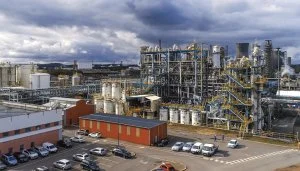
In July 2026, European policymakers worked actively to make the continent’s chemical industry more sustainable and less dependent on imported fossil fuels. To that end, the Spanish start-up Catalyxx has secured $22 million in European Union (EU) funding to support the construction of a biobased higher alcohol plant in Sines, Portugal. The funding was awarded through RenewChem, which is an EU project that is aimed at delivering Europe’s first industrial production of biobased alcohols that can replace conventional, fossil-based petrochemicals.
Catalyxx, which uses a chemocatalytic process to convert ethanol into alcohols such as n-hexanol and n-butanol, will lead the project in a consortium with other chemical firms, including Arkema and Evonik Industries. The start-up also operates a demonstration plant in Seville, Spain, and last year partnered with Arkema to develop biobased acrylic resins.
Interest in diversifying feedstocks is also on the rise in Europe because the supply of conventional petrochemicals is under pressure from the war in Iran and the periodic closure of the Strait of Hormuz. Domestically sourced alternatives to petrochemicals can potentially help to increase the continent’s supply security and give struggling industries an edge over competitors in countries such as the US and China, with cheaper feedstocks.
Catalyxx expects the Portuguese facility to cost $132 million and produce 30,000 metric tons of alcohols per year. It also won Project of National Interest (PIN) status from the Portuguese government, meaning it will be fast-tracked through the regulatory approval process. With environmental permits already issued, Catalyxx expects to start construction by the end of the year.
Impact on the Chemicals Market
The global chemical market is turning into a more sustainable one, and the emphasis is on green chemistry and the principles of the circular economy. The relocation of non-renewable petrochemical feedstock to biomass-based materials is one of the steps in this process, and it is also being supported by the BioE3 strategy, which supports sustainable biomanufacturing. India is also producing bio-based specialty chemicals, enzymes, and biopolymers using agricultural residues and industrial wastes. This further reduces the dependence on petrochemicals and opens new frontiers of high-value and friendly products.
As a result of green chemistry innovations, bio-based materials, and circular economy practices, the global chemical market landscape is turning to sustainable chemicals. The industry is also taking note of effective utilization of resources, incorporation of renewable energy, and friendly production to the environment. It is seizing the benefits of capital in petrochemicals, specialty chemicals, and agrochemicals in domestic markets. Government support, investment incentives, research hubs, policy reforms, and stimulating academia, industry, and technology providers to work together are all improving local capabilities.
Impact on the Ethanol Market
The global ethanol market size accounted for USD 114.89 billion in 2025 and is expected to reach around USD 191.78 billion by 2035, expanding at a CAGR of 5.26% from 2026 to 2035.
According to Precedence Research, ethanol is a cheaper solution than any other conventional petroleum-based fuel, making it stand out as a preferred option in many countries. Ethanol can be easily blended, and it is produced on a large scale due to its renewable properties, unlike finite sources of oil and coal, which are non-renewable and cannot be generated manually. Furthermore, ethanol generated can create significant job opportunities for individuals ready to learn skills related to this sector, and is propelling the ethanol market globally.
Increasingly, modern governments across the globe are enacting more and more biofuel blending regulations. Such policies facilitate the use of fuel types containing a certain number of ethanol units (starting from E10 and going higher). In addition, the growth of investment in the local biofuel production sector and regulatory frameworks supporting the industry simply allows for increased fuel consumption, thus making it a driver of growth for the ethanol industry.
Impact on the Industrial Alcohol Market
The global industrial alcohol market size is calculated at USD 168.21 billion in 2025 and is expected to reach around USD 258.74 billion by 2035, expanding at a CAGR of 4.4% from 2025 to 2035.
According to Precedence Research, the market for industrial alcohol has expanded in tandem with rising petrochemical demand and the introduction of alternative fuels. Industrial alcohols have a wide range of uses in industries like paints and coatings, pharmaceuticals, and cosmetics because of their versatility. Methanol, benzyl alcohol, and isopropyl alcohol are just a few examples of the alcohols that are utilized in the manufacturing of food items, flavorings, cosmetics, and adhesives.
Another major trend which propelling market adoption of sustainable production methods, such as using bio-based feedstocks like grains and agricultural waste, to align with circular economy practices. The growing use of industrial alcohol in sectors such as sustainable aviation fuel and the adoption of advanced distillation technologies are also notable. Large industrial and agricultural technology companies such as Cargill, Archer Daniels Midland, and BASF are major investors. Investment is also being driven by initiatives focused on biofuels, sustainability, and expanding production capacity, often supported by government mandates and end-user demands.
Expert Opinion
CEO Joaquín Alarcón hails RenewChem for “strengthening Europe’s security of supply and strategic autonomy in critical chemical value chains,” which he called “increasingly important” at a turbulent time for the continent’s chemical industry.