



Clariant Introduces CATOFIN 1000 Catalyst to Enhance Propylene Manufacturing Performance
Published: 21 Jul 2026
Author: Vidyesh Swar



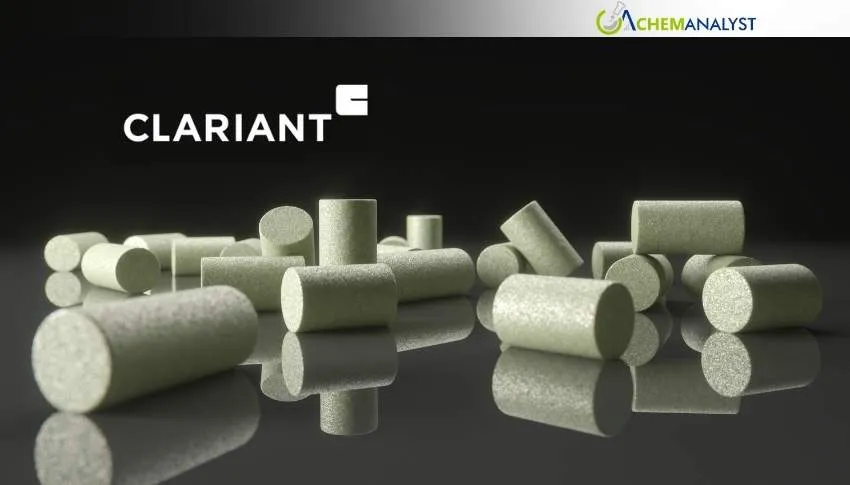
On 28 April 2026, Clariant launched CATOFIN 1000. A new generation of propane dehydrogenation catalysts was created to increase propylene production for the world's petrochemical sector. The catalyst is intended to lower production costs while assisting producers in increasing propylene output, operational efficiency, and process dependability. The launch demonstrates Clariant's continued dedication to creating cutting-edge catalyst technologies that allow petrochemical manufacturers to satisfy the expanding market demand for propylene, a crucial raw material used in the manufacturing of plastics, synthetic fibers, packaging materials, automotive components, and a variety of industrial chemicals. The company hopes to promote more sustainable and effective petrochemical production globally by broadening its array of CATOFIN catalysts.
CATAFINTM 1000 uses cutting-edge catalyst technology to increase the efficiency of propane conversion while lowering the creation of undesirable byproducts. Production units can run for longer periods of time with fewer maintenance shutdowns when byproduct creation is reduced. This leads to increased process stability, reduced operating costs, and increased plant output. Additionally, operators may track catalyst performance, optimize plant operations, and make data-driven decisions that increase overall manufacturing efficiency and reliability thanks to the catalyst's compatibility with Clariant's digital performance monitoring systems.
The launch of CATOFINTM 1000 is evidence of Clariant's ongoing commitment to using cutting-edge process technology to support innovation throughout the petrochemical sector. Manufacturers are looking for ways to boost production efficiency while enhancing operational sustainability as the demand for propylene grows globally. Clariant seeks to assist clients in bolstering their competitive position in the petrochemical industry by providing a catalyst that increases productivity, prolongs operating cycles, and facilitates digital process optimization. The company's aim of providing high-performance catalyst technologies that support more dependable, efficient, and sustainable industrial manufacturing is further supported by this launch.
Impact on the Chemical Industry
According to Precedence Research, to increase production efficiency, lower operating costs, and promote more environmentally friendly manufacturing processes, the chemical industry is investing more in cutting-edge catalyst technology. In petrochemical operations, catalysts are technology. In petrochemical operations catalysts are now crucial for increasing process efficiency, optimizing feedstock use, and reducing energy consumption. This trend is reflected in Clariant's launch of CATOFINTEM 1000, which gives producers a cutting-edge catalyst that boosts propylene production efficiency while lowering equipment fouling and maintenance needs. It is anticipated that these developments would promote the worldwide chemical industry's broader adoption of next-generation catalyst technology.
Chemicals production is also changing as a result of the increased focus on digital process optimization and operational efficiency. To increase plant dependability, streamline maintenance schedules, and maximize production output, businesses are combining high-performance catalysts with digital monitoring tools. Advanced catalyst technologies are expected to play an increasingly significant role in enhancing productivity, supporting sustainability goals, and boosting the competitiveness of the global chemical industry as petrochemical producers continue to modernize their manufacturing facilities.
Impact on the Petrochemical Market
The global petrochemical market size was calculated at USD 700.10 billion in 2025 and is predicted to increase from USD 743.50 billion in 2026 to approximately USD 1,257.50 billion by 2035, expanding at a CAGR of 6.03% from 2026 to 2035.
According to Precedence Research, the chemical industry is increasing due to production efficiency, lower operating costs, and the promotion of more environmentally friendly manufacturing processes; the chemical industry is investing more in cutting-edge catalyst technology. In petrochemical operations catalysts are now crucial for increasing process efficiency, optimizing feedstock use, and reducing energy consumption. This trend is reflected in Clariant's launch of CATOFINTM 1000, which gives producers cutting-edge catalysts that boost propylene production efficiency while lowering equipment fouling and maintenance needs. It is anticipated that these developments would promote the worldwide chemical industry's broader adoption of next-generation catalyst technology.
Chemical production is also changing as a result of the increased focus on digital process optimization and operational efficiency. To increase plant dependability, streamline maintenance schedules, and maximize production output, businesses are combining high-performance catalysts with digital monitoring tools. Advanced catalyst technologies are expected to play an increasingly significant role in enhancing productivity, supporting sustainability goals, and boosting the competitiveness of the global chemical industry as petrochemical producers continue to modernize their manufacturing facilities. Additionally, it is anticipated that ongoing developments in catalyst design would lower resource consumption, enhance process economies, and promote increased investment in environmentally friendly chemical manufacturing technologies across international production sites.
Impact on Propylene Market
The global propylene market size was accounted for at USD 116.23 billion in 2025 and is anticipated to reach around USD 168.12 billion by 2035, growing at a CAGR of 3.76% between 2025 and 2035.
According to Precedence Research, due to the rising demand from sectors such as consumer products, plastics, packaging, automotive, and construction, the propylene industry is expanding significantly to boost propylene output while enhancing process efficiency, cutting energy use, and lowering production costs. Manufacturers are investing in cutting-edge production technologies. The increasing use of propane dehydrogenation technology is contributing to the growth of propylene manufacturing capacity worldwide.
It is anticipated that Clariant's launch of CATOFINTM 1000 will boost the propylene industry by allowing producers to increase propylene yields and propane conversion efficiency. It is expected that the upgraded catalyst will increase plant profitability, improve production dependability, and decrease operational downtime. Catalyst technology advancements are anticipated to be crucial in guaranteeing a steady and effective supply of this crucial petrochemical feedstock as the world's demand for propylene keeps growing.
Impact on the Propane Market
The global propane market size was evaluated at USD 92.56 billion in 2025 and is projected to attain around USD 137.98 billion by 2035, growing at a CAGR of 4.07% during the forecast period from 2025 to 2035.
According to Precedence Research, the rising demand from petrochemical, industrial, residential, and energy uses means the propane market is expanding steadily. Manufacturers are being encouraged to invest in cutting-edge production technologies that enhance feedstock usage, operational efficiency, and production dependability due to the increasing use of propane as a feedstock for propane dehydrogenation operations. Propane's position in the global petrochemical value chain is also being strengthened by growing investments in propane facilities.
The propane market is anticipated to benefit from Clariant's launch of the CATOFINTM 1000 catalyst, which makes it possible to convert propane into propylene more effectively while increasing plant productivity and lowering maintenance needs. It is expected that manufacturers will benefit from the enhanced catalyst technology. Advancements are anticipated to improve propane consumption and support the long-term expansion of the global propane market as PSH capacity investments continue to develop.
About Clariant
Petrochemicals, energy, plastics, coatings, personal care, mining, and industrial production are just a few of the areas for which Clariant, a multinational specialty chemicals corporation with headquarters in Switzerland, creates cutting-edge and environmentally friendly solutions. High-performance catalysts, specialized chemicals, and functional materials that assist clients in enhancing production effectiveness, product quality, and environmental performance are the company's areas of expertise. Clariant is committed to developing technologies that enable more sustainable manufacturing and cleaner industrial processes via ongoing investment in research and development.
Clariant serves clients in over 100 countries through its manufacturing sites, research centers, and technical service operations located in Europe, Asia Pacific, North America, Latin America, the Middle East, and Africa. Through strategic alliances, customer-focused product creation, and technology innovation, the company keeps growing its portfolio. Clariant seeks to enhance resource efficiency, lower carbon emissions, and facilitate the worldwide shift toward a more sustainable and circular chemical industry by combining cutting-edge catalyst technology, digital solutions, and sustainability-driven innovations.