



Dunlop Launches Joint Research Target on Sustainable Natural Rubber Manufacturing
Published: 26 Aug 2026
Author: Laxminarayan



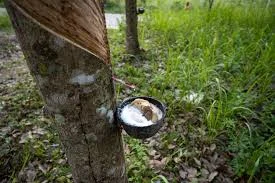
On August 24, 2026, Dunlop announced a joint research programme focused on achieving increasingly sustainable natural rubber production. The initiative shows that there is increasing pressure on manufacturers to protect biodiversity, improve traceability, and ensure sustainability across their raw-material supply chains. The purpose of the partnership is to address the environmental and supply-chain problems connected with natural rubber, which is a vital raw material for the manufacture of tyres and several industrial uses. For Dunlop, facilitating sustainable natural rubber could aid its wider strategy of designing tyres by offering safety, durability and product quality.
The cultivation and production might help to improve resource efficiency, strengthen long-term supply resilience plus minimize the environmental impact linked to the sourcing of rubber. Concerns about climatic conditions, land use, and supply volatility affect agricultural commodities, which drives collaborative research for the development of useful technologies and production techniques. Additionally, this strategy enables a vital advantage to rubber farmers, manufacturers, and downstream industries by helping to establish a robust natural rubber ecosystem.
Impact on the Automotive Tire Industry
The global automotive tire market size accounted for USD 151.07 billion in 2025 and is predicted to increase from USD 158.62 billion in 2026 to approximately USD 252.34 billion by 2035, expanding at a CAGR of 5.26% from 2026 to 2035.
According to Precedence Research, for automobile manufacturers, using rubber that is sourced in an environmentally responsible way could help them achieve their wider environmental objectives across their vehicle supply chains. The automotive tire sector could gain high progress in the manufacturing of sustainable natural rubber. Better purchasing practices could additionally enhance the strength of the supply chain in the face of climate-related disturbances and agricultural volatility.
Natural rubber is a crucial material for superior tire performance, especially due to its durability, sustainable handling, and elasticity to achieve environmental expectations without sacrificing technical performance. Additionally, research leading to solutions that can be put into commercial use, it might promote greater adoption of responsible rubber procurement and speed up improvements in sustainability within automotive tire manufacturing.
Impact on the Rubber Industry
The global rubber market size was estimated at USD 48.27 billion in 2025 and is predicted to increase from USD 50.73 billion in 2026 to approximately USD 79.07 billion by 2035, expanding at a CAGR of 5.06% from 2026 to 2035.
According to Precedence Research, rubber farmers are encountering difficulties due to climate change, the condition of the soil, productivity, and biodiversity. Research is aimed at improving the sustainability of natural rubber, which could bring about long-term advantages. The initiative might lead to greater cooperation among rubber producers, researchers, and manufacturers. Through research partnerships, it might be possible to find cultivation practices that increase yields by lowering environmental pressure and protect agricultural ecosystems.
Improved methods of rubber production could likewise improve farmers' resilience by promoting more stable productivity and possibly lowering input costs. If it is successful, it could result in the establishment of practical sustainability standards that can be taken up in different rubber-growing infrastructure and boost the industry's long-term competitiveness.
Impact on the Sustainable Materials Industry
The global sustainable materials market is estimated at USD 375.38 billion in 2025 and is projected to hit around USD 1,078.35 billion by 2034, growing at a CAGR of 12.44% during the forecast period 2025 to 2035.
According to Precedence Research, rising environmental concerns and the use of eco-friendly materials bolster the environmentally accountable manufacturing of natural rubber through significant investments. Manufacturers in the industrial equipment, medical products, footwear, and consumer goods utilizing natural rubber through sustainable efforts.
Greater sustainable rubber could provide several industries with a renewable material by offering superior traceability and effectiveness in production methods, promoting a competitive landscape. Advancement and investment in innovation of bio-based materials, circular manufacturing, and low-impact supply chains support Dunlop’s initiative and align with RAOT and CIRAD.
Expert Opinion
From the point of view of the expert, Dunlop's joint research programme is of strategic importance because sustainability in the case of natural rubber must be tackled through improvements in manufacturing. The most desirable result would be a practical combination of effective protection of biodiversity, greater productivity, improved traceability, and stronger farmer livelihoods. Tire manufacturers, farmers, and rubber providers require a sustainable rubber solution with grip, safety, and durability.
The natural rubber supply chains are vulnerable to climate risks, pressure relating to land use and variations in agriculture, which makes research into resilient production all the more valuable. The long-term success of this joint research strategy depends on farmers' acceptance, sourcing standards and supply chain resilience.