



Hyundai Expands Hydrogen Truck Deployment to Strengthen Foundation for Automated Refueling Systems
Published: 26 Mar 2026
Author: Precedence Research



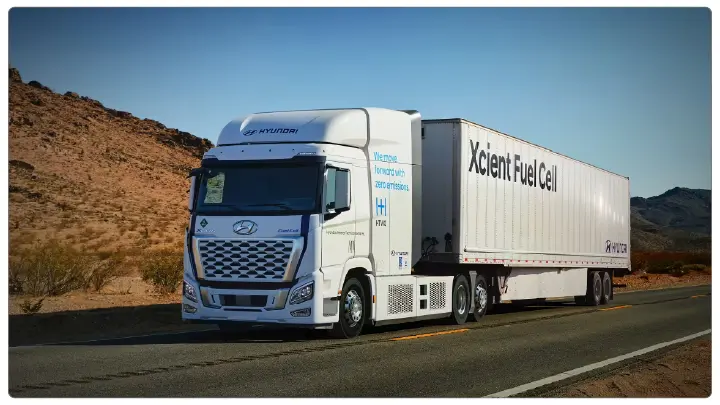
In March 2026, Hyundai Motor Company made an announcement regarding the deployment of its XCIENT hydrogen fuel cell truck fleet in Uruguay, which marks a major milestone towards hydrogen powered commercial logistics and hydrogen refueling infrastructure. The deployment of hydrogen trucks is part of the Kahiros project, which aims at developing an integrated hydrogen value chain including hydrogen production, distribution as well as vehicle refueling systems. The deployment of hydrogen trucks has emphasized the need for hydrogen fueling systems, which are considered a fundamental infrastructure system for the integration of robotic refueling systems.
Hydrogen Infrastructure Development Driving Automation Potential
The hydrogen ecosystem created by the Kahiros Project provides localized hydrogen generation and hydrogen refueling stations. This provides the physical infrastructure to support hydrogen dispensing operations. This is important in driving the potential for robotic refueling system adoption because it provides a physical environment to support hydrogen refueling operations. Hydrogen refueling operations involve high-pressure hydrogen dispensing systems. These systems require a controlled refueling process to prevent hydrogen leakage and ensure system safety.
The robotic refueling system market size was calculated at USD 352.06 million in 2025 and is predicted to increase from USD 502.07 million in 2026 to approximately USD 12,249.45 billion by 2035, expanding at a CAGR of 42.61% from 2026 to 2035 as the demand grows for autonomous refueling solutions for fleets of unmanned vehicles.
Fleet Deployment Supporting Long-Term Robotic Refueling Integration
The deployment of hydrogen-powered fleets by Hyundai Motor Company provides an opportunity to drive hydrogen refueling system adoption. The deployment provides an opportunity to support hydrogen refueling system integration into commercial operations because it represents an alternative refueling technology that requires an efficient refueling system. The hydrogen fuel cell vehicles require high volume hydrogen fueling operations, which have been implemented to support the growing demand for hydrogen fuel cell vehicles.
Analysts in the industry have predicted that the continued growth of hydrogen fuel cell transportation networks and the investments in the development of automated fueling technologies have the potential to increase efficiency and minimize downtime. The Kahiros project is paving way for the future use of robotic fueling technology by establishing the backbone of the infrastructure needed to support the integration of automated fueling operations.
A recent report by Precedence Research highlights that the robotic refueling system market is benefiting from developments in machine vision technology, robotic manipulation systems, and intelligent refueling infrastructure.