



LG Display Unveils FLiPP, Achieving Vision for Next-Generation OLED Technology
Published: 21 Aug 2026
Author: Laxminarayan



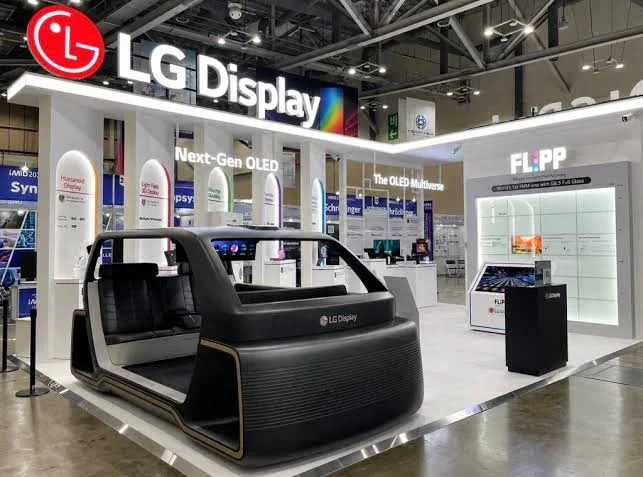
On August 18, 2026, LG Display introduced FLiPP, a next-generation OLED technology that is intended to overcome the main shortcomings of traditional OLED displays by opening new opportunities for future mass production. The technology is a vital part of the company’s initiative to enhance OLED performance by increasing display lifespan, structural performance, and lowering power consumption. FLiPP allows the creation of lighter, thinner, and more adaptable displays which utilized in consumer electronics, electric mobility, and emerging digital integration.
The demand for high-end displays in various areas includes smartphones, monitors, televisions, and automotive systems, supporting the integration of the new breakthrough FLiPP to consolidate OLED's advantage in replacing other display technologies. Major global and domestic-scale display manufacturers focus on providing brighter, more flexible panels and more energy-efficient solutions while maintaining image quality. Additionally, the advancement highlights LG Display's strong emphasis on next-generation display structure, which is capable of providing advancement and an immersive multimedia experience.
Impact on the Consumer Electronics Industry
The global consumer electronics market size was calculated at USD 870 billion in 2025 and is predicted to increase from USD 943.08 billion in 2026 to approximately USD 1,949 billion by 2035, expanding at a CAGR of 8.40% from 2026 to 2035.
According to Precedence Research, the rising commercial use of electronic products enables the development of manufacturing practices. The new OLED product design to achieve superior performance, FLiPP, has the potential to affect the next generation of tablets, laptops, and mobile phones. The consumer expects brighter pictures, thinner devices, and aim to create more flexible forms of devices, especially in high-end consumer electronics infrastructure.
FLiPP manages to deliver higher efficiency, durability, and flexibility in the consumer electronics sector by strengthening OLED technology's competitive edge. The advancement in OLED technology supports manufacturers in achieving performance and distinguishing their premium products.
Impact on the Automotive Electronics Industry
The global automotive electronics market size is accounted at USD 307.61 billion in 2025 and predicted to increase from USD 334.13 billion in 2026 to approximately USD 680.56 billion by 2035, expanding at a CAGR of 8.26% from 2026 to 2035.
According to Precedence Research, as the automotive sector advances in electric vehicles, which support the advanced display technologies due to the increasing use of passenger screens, driver assistance systems, digital dashboards, and flexible interior interfaces. These unveilings of FLiPP offer a main opportunity for display manufacturers by creating thinner and adaptable OLED solutions for vehicle interiors.
The flexibility of this display could enable the utilization incurved surface and cockpit layouts with lower energy consumption and greater efficiency. If this technology achieves automotive-grade reliability its is available for end user in large-scale. Additionally, this introduction could speed up the incorporation of complex OLED displays into future connected and software-defined vehicles.
Impact on the Display Industry
The global display market size accounted for USD 195.49 billion in 2025 and is expected to reach around USD 396.10 billion by 2035, expanding at a CAGR of 7.32% from 2026 to 2035.
According to Precedence Research, demand for wearable technology and consumer electronics fuels the growth of display manufacturing. FliPP shows how companies are continually working to improve OLED technology to overcome the drawbacks of the well-established framework. Display manufacturers focus on boosting efficiency and performance by providing sustainability commitments and cost-efficiency.
If integration of the next-generation OLED platform is successful, it will enable LG Display to meet a greater level of distinction amongst premium display sectors and panel suppliers. This technology fosters R&D investment promoting competitors to evaluate alternative engineering and manufacturing practices.
Expert Opinion
As per the expert's point of view, the announcement by LG Display regarding FLiPP is strategically gaining momentum in the future competition in OLED technologies. OLED technology is increasingly based on manufacturing scalability, resilience, and efficiency by providing good contrast and visual performance. Experts observed that FLiPP allows manufacturers to advance new form factors for use in consumer electronics and the automotive sector. The next phase of innovation should be concerned with making displays thinner, flexible, and minimizing power usage.
LG Display managed to convert FLiPP into high-volume production. This technology could help to strengthen the commercial infrastructure and wider innovation throughout the global OLED ecosystem. The commercial impact of this technology depends on the demonstration stage, operational yield, and manufacturing cost. So, its long-term importance will be judged by its actual performance and real-time commercial implementation.