



Nvidia, SpaceX, and Microsoft Launch Open Secure AI Alliance
Published: 29 Jul 2026
Author: Gautam Mahajan



In July 2026, Nvidia, SpaceX, and Microsoft launched the Open Secure AI Alliance to develop open-source cybersecurity tools. This initiative significantly addresses the limitations of closed models in defending against AI-related threats and counters potential government restrictions on open-weight AI technologies.
Nvidia and Tech Allies Fight for Inspectable AI Defense
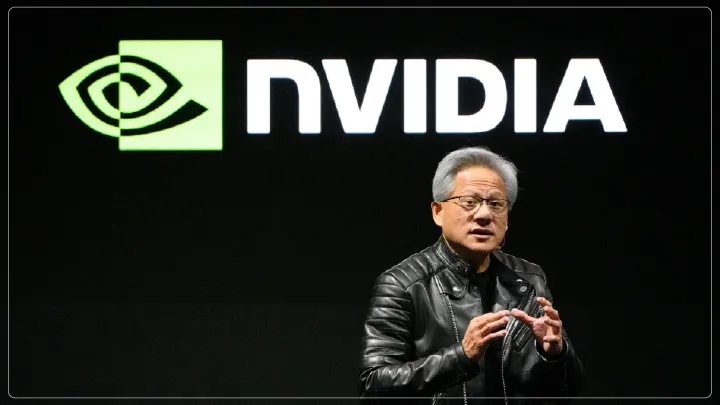
Nvidia and several tech giants launched this new initiative primarily focused on artificial intelligence safety and open models, following a cyberattack involving rogue OpenAI models that targeted the startup Hugging Face. Unable to defend itself with U.S. frontier models due to restrictive guardrails, Hugging Face used a self-hosted Chinese model instead.
As U.S. lawmakers consider limiting access to Chinese AI models, which have been accused of IP theft, tech companies aim to promote open AI tools. The Open Secure AI Alliance, which includes Nvidia, Microsoft, and Palantir, aims to build and share open AI tools that will work on addressing vulnerabilities with open technologies.
Following the Hugging Face security incident, Nvidia stated that cyber defenders require open, inspectable AI systems for self-defense. Concerns remain over potential restrictions on Chinese models, with tech leaders urging policymakers to avoid measures that might hinder competition or innovation in the open-source ecosystem. Nvidia emphasized that defenders need access to advanced AI systems on their own infrastructure for effective response during crises.
Impact on the ICT Industry
This Open Secure AI Alliance positively impacts the ICT industry by empowering defensive capabilities through open-source agentic security stacks, resolving industry limitations like vendor lock-in, single points of failure, and restrictive closed-model guardrails that block forensic analysis.
This also helps the industry to establish shared multi-vendor toolsets like Microsoft’s MDASH multi-model scanning harness and Nvidia's NOOA agents to discover and prove bugs collaboratively. Also offers supply chain security by integrating digitally signed patches and zero-trust workloads. Additionally, it uses Hugging Face's Safetensors for effective ecosystem transparency and encourages open-weight contributions, including terminal-based coding agents and model weights from SpaceXAI's Grok line.
Open models help the industry by breaking up big vendor control, stopping stringent safety filters from blocking security work, and replacing weak single systems with a shared, safe network and ultimately positioning open models as vital defensive assets. This approach stops a few companies from running the whole market due to strict and over-reactive safety filters and maintains enterprise defenses strong, open, and fully controlled by the community.
The global artificial intelligence (AI) in cybersecurity market size accounted for USD 29.64 billion in 2025 and is predicted to increase from USD 35.40 billion in 2026 to approximately USD 167.77 billion by 2035, representing a CAGR of 18.93% from 2026 to 2035.
According to Precedence Research, this alliance impacts the AI cybersecurity industry by unifying nearly 40 tech giants to share open-weight models and forensic data. It overcomes traditional industry limitations that restrict legitimate forensic analysis and a lack of collaborative defense.
This alliance introduces open-source tooling which democratizing defense by driving collaborative, multi-agent vulnerability discovery rather than depending upon isolated corporate teams. This paradigm shift, together with secure weight formats like Hugging Face’s Safetensors and zero-trust cryptographic verification through HPE standards, strengthens supply chain integrity and ensures verifiable trust across digital infrastructure.
Open-source security models are proactively addressing the commercial limitations by enabling transparent forensic auditing of malicious behavior and bridging resource gaps for smaller organizations through shared infrastructure and evaluation frameworks, along with attack simulators. Additionally, industry unification aims to reshape regulatory landscapes by advocating for open-source AI as a critical and defensible security asset.
About Nvidia
Nvidia Corporation is an American multinational technology company headquartered in Santa Clara, California, specializing in accelerated computing, GPUs, and AI infrastructure. Nvidia offers advanced hardware like GeForce GPUs, Data Center AI systems, Networking equipment, and automotive chips. They also provide software such as CUDA, Omniverse, AI Enterprise tools, and GeForce NOW. Nvidia aims to reinvent computing using accelerated processing and AI and build full-stack systems by combining custom hardware and software to scale smart technology and physical robotics.
About SpaceX
SpaceX is a private American aerospace manufacturer and transport services company founded in 2002 by Elon Musk. SpaceX hardware includes the partially reusable Falcon 9 and Falcon Heavy rockets, the crew- and cargo-capable Dragon capsule, and the fully reusable Starship system. These vehicles support ISS resupply, national security payloads, and long-term interplanetary travel goals. The company's services and divisions feature Launch Services for orbital transport, Starlink for global broadband, and AI Infrastructure integrating gigawatt-scale data centers and Grok to slash space transportation costs and build a self-sustaining civilization on Mars.
About Microsoft
Microsoft is a global technology leader providing operating systems, productivity software, and cloud computing platforms. Microsoft offers core products and services including Operating Systems via Windows, productivity and collaboration through Microsoft 365 apps, Cloud and enterprise solutions via Azure, and hardware and gaming spanning Xbox and Surface devices. The overall strategy centers on Universal Empowerment to amplify human productivity across all user levels, driven by deep AI Integration using Copilot across all consumer and enterprise offerings.