



Smartphone-Based Test Innovation Improves Severe Malaria Detection
Published: 26 Mar 2026
Author: Precedence Research



New Technology for Rapid Malaria Diagnosis
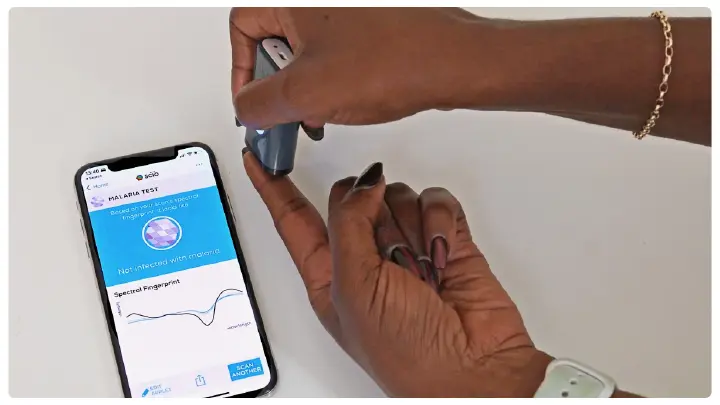
A novel mobile phone-based diagnostic technique has been developed by researchers that can rapidly identify severe cases of malaria. Researchers from Universität Rovira Virgili and the Barcelona Institute for Global Health created the new test. With the use of smartphone video analysis and a quick diagnostic test, medical professionals can diagnose malaria more quickly. This development is crucial because, particularly in high-risk areas, severe malaria can become fatal if it is not identified and treated promptly.
Biomarker Detection Helps Identify Severe Cases
The diagnostic system works by detecting specific biomarkers in the blood that are associated with malaria infection and disease severity. A smartphone camera is used to record and analyze test reactions through video analysis. The test employs a rapid diagnostic strip; this technique aids in identifying a patient's malaria status as well as the likelihood that the illness will get worse. Early detection of severe malaria can speed up treatment decisions and enhance patient outcomes.
Useful for Remote and Low Resource Areas
This new diagnostic technique is inexpensive, portable, and simple to use, which is one of its main benefits. Complex diagnostic tests are challenging to conduct in many malaria-affected areas due to a lack of sophisticated laboratory infrastructure. In remote healthcare facilities, mobile health units, and rural clinics, a smartphone-based diagnostic system enables medical professionals to promptly diagnose malaria without the need for complex equipment. This could greatly increase early detection and lower the number of deaths from malaria in developing nations.
According to Precedence Research, the malaria diagnostic market size was valued at USD 53.16 billion in 2025 and is projected to reach approximately USD 102.83 billion by 2035, growing at a CAGR of 6.82% during the forecast period. The market growth is supported by the increasing prevalence of malaria cases, rising demand for rapid diagnostic tests, and growing government initiatives for early detection and malaria control programs.
Future Impacts on Malaria Diagnosis
To guarantee accuracy and dependability prior to widespread deployment, researchers are still testing and validating the technology in actual clinical settings. The mobile phone-based malaria diagnostic tool has the potential to revolutionize the diagnosis of malaria by increasing testing speed, accessibility, and efficiency. The invention also emphasizes mobile testing speed, accessibility, and efficiency. The invention also emphasizes how mobile technology and digital health are becoming more important in enhancing the diagnosis of infectious diseases and the provision of healthcare globally.