



Europe Nutraceuticals Market Size, Share and Trends 2026 to 2035
Europe Nutraceuticals Market (By Type: Dietary Supplements, Functional Beverages, Functional Foods; By Form: Capsules, Liquid & Gummies, Tablets, Oil, Powder, Others; By Sales Channel: Offline, Online) - Global Industry Analysis, Size, Trends, Leading Companies, Regional Outlook, and Forecast 2026 to 2035
Source: https://www.precedenceresearch.com/europe-nutraceuticals-market
 Get a Sample
 Table Of Content


What is the Europe Nutraceuticals Market Size?
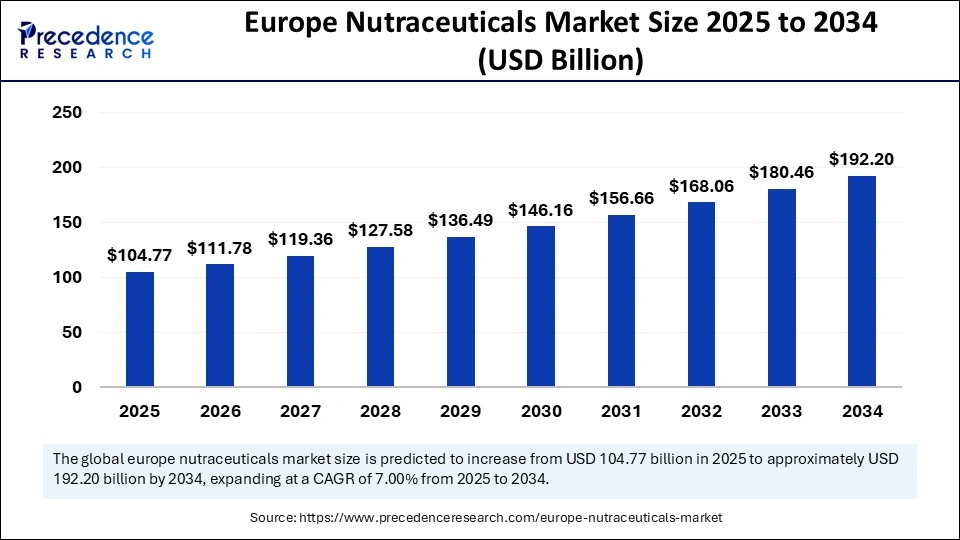
The europe nutraceuticals market size was calculated at USD 104.77 billion in 2025 and is predicted to increase from USD 111.78 billion in 2026 to approximately USD 204.38 billion by 2035, expanding at a CAGR of 6.91% from 2026 to 2035. The growth of the market is driven by the increasing health awareness, aging population, and the rising demand for preventative healthcare solutions.
Europe Nutraceuticals Market Key Takeaways
- By type, the functional food segment dominated the market with the largest share in 2025.
- By type, the dietary supplement segment is expected to grow at the fastest rate in the coming years.
- By form, the tablets segment dominated the Europe nutraceuticals market in 2025.
- By form, the oil segment is projected to grow at the fastest rate during the forecast period.
- By sales channel, the offline segment dominated the market with the largest share in 2025.
- By sales channel, the online segment is expected to grow at the fastest rate in the upcoming period.
Europe Nutraceuticals Market Overview
European nutraceuticals are products derived from food sources that offer health benefits extending beyond basic nutrition. These products encompass dietary supplements, functional foods, beverages, and herbal items designed to support specific health functions such as immunity, digestion, or cardiovascular wellness. Germany, Sweden, and the Netherlands have emerged as primary hubs for nutraceutical innovation in Europe, whereas Spain and Great Britain serve as critical test markets for new products. A wellness revolution is presently unfolding across Europe, with consumer demands and technological advancements reshaping the nutraceutical market.
What is the Role of AI in Nutraceutical Production?
Artificial Intelligence helps in developing personalized nutraceuticals. By analyzing individual health data, dietary patterns, and genetic variables, AI helps develop personalized nutrition plans and recommend tailored functional foods and supplements. With this degree of customization, the market is set to grow at a rapid pace. AI also helps in the development of novel nutraceuticals by optimizing formulations. Brands can develop targeted marketing strategies using AI. Moreover, they can better understand consumer behavior and market trends and optimize inventory management through AI technologies.
Europe Nutraceuticals Market Growth Factors
- The rising prevalence of obesity and digestive issues significantly drives the demand for nutraceuticals aimed at weight management and digestive health. Consumers are increasingly looking for products that promote healthy metabolism, appetite control, and improvements in gut microbiome balance.
- Furthermore, the demand for personalized nutrition is playing a crucial role in the expansion of the European nutraceutical market. Innovative strategies, including genetic testing and data analytics, are informing product offerings to better align with individual needs and lifestyles.
- Increasing awareness of the connection between diet and cognitive function is further propelling the demand for nutraceuticals that target brain health and mental performance. Notably, over one-third of supplements launched in the UK, Germany, and the Netherlands in recent years have focused on brain or mood enhancement.
- There is a notable shift towards daily wellness and long-term health benefits derived from supplements made from organic herbal extracts. In the European nutraceutical market, certified organic herbal extract suppliers provide essential raw materials to product manufacturers.
- Technological advancements are transforming how Europeans engage with health-related information, particularly among younger demographics. Almost one-quarter of individuals now rely on nutrition applications for guidance, although traditional sources continue to exert significant influence.
- The growing incidence of chronic disorders, including diabetes, obesity, and cardiovascular diseases, is one of the key factors boosting the growth of the nutraceuticals market. Nowadays, consumers prefer clean substitutes that can be traced back to their source and are of high quality.
Market Scope
| Report Coverage | Details |
| Market Size by 2035 | USD 204.38 Billion |
| Market Size in 2025 | USD 104.77 Billion |
| Market Size in 2026 | USD 111.78 Billion |
| Market Growth Rate from 2026 to 2035 | CAGR of 6.91% |
| Base Year | 2025 |
| Forecast Period | 2026 to 2035 |
| Segments Covered | Type, Form, Sales Channel,and Regions |
Market Dynamics
Drivers
Rising Health and Wellness Awareness
European consumers are becoming more health conscious and placing a higher value on long-term vitality and well-being, which is driving the growth of the Europe nutraceuticals market. Social media has increased awareness among people about health and access to health-related information. People now understand the significance of gut health, immunity, nutrition, and balanced diets. To bridge nutritional gaps, they are actively incorporating nutraceuticals into their daily routine. Since wellness has evolved from a fad to a daily routine, there is a steady demand for functional foods and supplements. People are also becoming more aware of preventive care through workplace wellness initiatives and public health campaigns. Since immunity has taken center stage after the pandemic, the demand for nutraceuticals is rising.
- In March 2023, France's Ministry of Solidarity and Health collaborated with the National Agency for Food, environmental and Occupational Health & Safety to promote public awareness campaigns encouraging daily supplement use for immune and bone health, especially post-pandemic.
Demand for Natural and Clean-label Products
There is a discernible trend toward natural products devoid of artificial additives. More consumers are carefully reading ingredients on labels and selecting products that support ethical and sustainable business practices. Superfoods, plant-based supplements, and ingredients from organic sources have become more popular. People believe that clean-label nutraceuticals are safer, more efficient, and ethical.
Environmentally friendly packaging and cruelty-free testing are increasingly important considerations. Certifications like Non-GMO, Vegan, and Organic enhance brand credibility. When products can be tracked from the point of origin to the store, consumer trust is increased.
Restraints
High Product Cost and Affordability Issues
The high costs of nutraceuticals hamper the growth of the Europe nutraceuticals market. Expensive raw materials, stringent testing, and sophisticated manufacturing techniques are all necessary for the production of high-quality nutraceuticals, which drives up the final cost. The high costs of supplements and functional foods with clean labels, organic certifications, and sophisticated formulations create barriers for potential consumers. Regular purchases of these products are resisted by consumers in lower income brackets or cost-sensitive areas of Europe. The inability of insurance systems to cover nutraceuticals further restricts affordability. High costs also discourage repeating purchases. In times of inflation or economic downturn, consumers often cut back on their spending on nutraceuticals first. Price sensitivity impacts retail and online sales, particularly for smaller or more recent brands. Manufacturers are under pressure to maintain efficacy while striking a balance between cost-effectiveness and ingredient quality.
Risk of Misleading Claims and Low-quality Products
There is a deluge of products due to the growing demand for nutraceuticals, some of which are misrepresented or poorly regulated. To differentiate themselves in a crowded market, some businesses make inflated or unsubstantiated health claims. This undermines consumer confidence in nutraceuticals. Products that are subpar or fake, especially those that are sold online, might not satisfy EU quality standards. Trust becomes a significant obstacle to trial, particularly for those who are new. This makes respectable brands invest a lot of money in third-party testing certifications and strategies to increase their credibility. E-commerce platform flaws still permit low-quality imports to reach the European market despite regulatory efforts.
Opportunity
Innovation in Personalized Nutrition and Digital Health Integration
In Europe, personalized nutrition based on lifestyle, microbiome, and DNA analysis is becoming more and more popular. More customers are looking for supplements that are specifically designed to meet their health requirements. Technological advancements like wearables and AI-driven health apps allow users to monitor health metrics and receive personalized supplement recommendations. Nutraceutical businesses can work with digital health platforms, thanks to this convergence of technology and wellness. Additionally, this encourages client loyalty with long-term initiatives and subscription models. Customized ingredient dosage and packaging improved consumer satisfaction and brand value. As data-driven wellness gains popularity companies that provide customized solutions will be more competitive.
Growing Aging Population
The growing aging population creates immense opportunities in the Europe nutraceuticals market. There is a significant need for nutraceuticals aimed at older adults due to Europe's rapidly aging population. Products that promote cardiovascular wellness, bone strength, joint health, cognitive function, and vision are highly sought after. Additionally, this group is more likely to use nutraceuticals, which increases the likelihood of repeat purchases. Since older adults are more prone to chronic diseases, they require nutraceuticals.
Segment Insights
Type Insights
The functional food segment dominated the Europe nutraceuticals market with the largest share in 2025. This is mainly due to the increased incorporation of nutraceuticals into regular diets and the rising demand for natural health promotion food items among consumers. The use of products like fiber-rich snacks and probiotic yogurts is rising as preventive healthcare becomes more of a lifestyle priority. Health-conscious millennials and working professionals are looking for wholesome meal options. The rise in the prevalence of chronic conditions like diabetes, heart disease, and obesity is encouraging people to consume functional food that supports health. Plant-based ingredients and lower sugar content are examples of innovative product formulations. E-commerce and retailers have increased the accessibility to functional foods in both urban and rural communities.
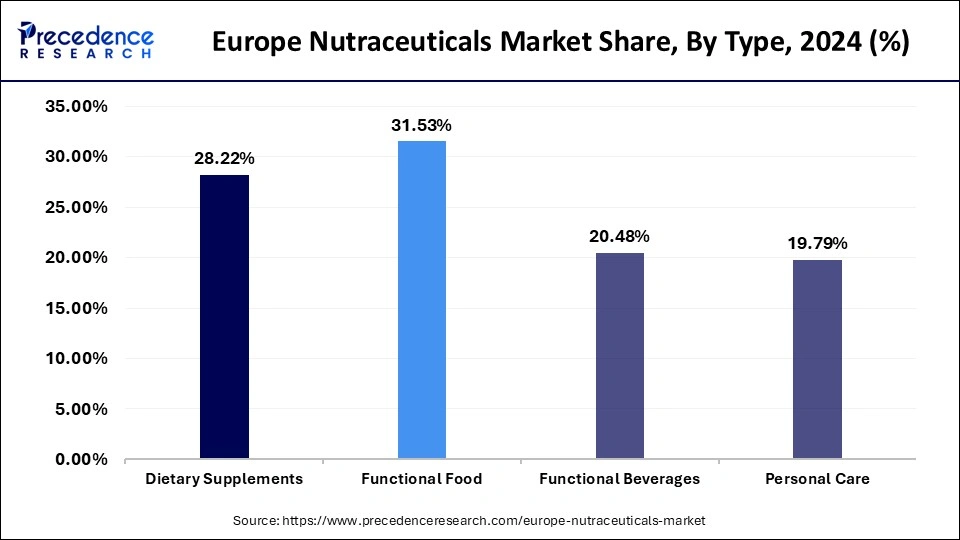
The dietary supplement segment is expected to grow at the fastest rate in the coming years. The growth of the segment can be attributed to the changing dietary patterns. The demand for vitamins, minerals, protein powders, and botanical supplements is rising to meet specific health needs. The growing aging population is a major factor boosting the demand for dietary supplements. Older adults often face issues related to diet and nutrition. The rapid shift toward a proactive healthcare approach further boosts the growth of the segment.
Form Insights
The tablets segment dominated the Europe nutraceuticals market with the largest share in 2025. This is mainly due to the increased preference for tablets due to their long shelf life and precise dosages compared to powder. Customers heavily use tablets to provide vital nutrients in a convenient and regulated manner. They ensure a consistent intake of active ingredients like minerals, multivitamins, and herbal extracts. They have a strong market position because of their affordability and broad availability in pharmacies, supermarkets, and online marketplaces. Technological developments in pharmaceuticals have improved tablet coating, improving bioavailability, taste, and digestibility. Additionally, tables have the benefit of combining several ingredients into a single dosage, which makes them ideal for consumers who lead hectic lives. The demand for tablets is still high due to the rise in preventive health practices, particularly among older populations.
The oil segment is projected to grow at the fastest rate during the forecast period because of the growing demand for supplements containing omega-3, CBD, and herbal oils. Nutraceutical oils are preferred for their ability to absorb quickly and are suitable for people who have trouble swallowing pills. Due to their extensive use in supporting the health of the heart, brain, skin, and joints, nutritional oils are highly sought after. The rapid shift toward natural, plant-based ingredients is significantly boosting the need for cold-pressed and organic oils. The segment is expanding even faster, thanks to the availability of options like flavored drops, sprays, and blends designed for children and the elderly.
Sales Channel Insights
The offline segment dominated the Europe nutraceuticals market with the largest share in 2025, driven by customer confidence in physical retail establishments, such as supermarkets, pharmacies, and health food stores. In-person conversations are essential for fostering confidence in the choice and application of products. Well-established distribution channels and shelf visibility play a major role in consumer preference and brand recognition. Many customers still prefer traditional shopping because they are unfamiliar with digital platforms, especially those in older age groups. In-store promotions and sample trials are frequently offered by retailers to improve customer satisfaction and encourage purchases. Offline channels continue to dominate despite the growth of digital media because of their accessibility, legitimacy, and ability to provide individualized customer services.
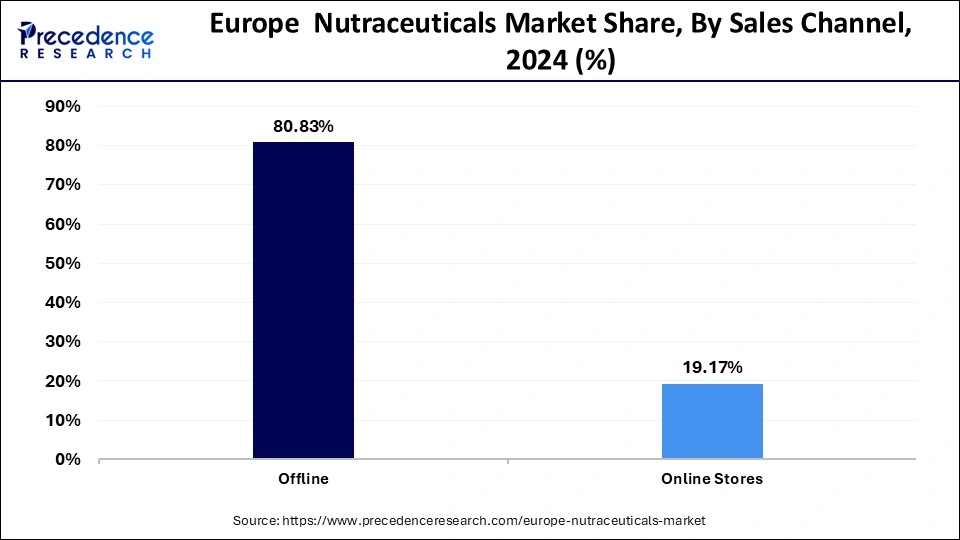
The online segment is expected to grow at the fastest rate in the upcoming period due to the rising use of smartphones and the expansion of e-commerce throughout Europe. Convenient home delivery, a wider selection of products, and instantaneous price and review comparisons offered by online sales channels are attracting more customers. Social media influencers and wellness bloggers are supporting segmental growth. Digital health brands are improving customer engagement and retention through subscription models and customized supplement plans. Online sales channels allow customers to buy products from the comfort of their homes and provide an easy return policy. This flexibility encourages people to shop from online channels. The rapid expansion of online retail pharmacies further contributes to segmental growth.
Country Insights
UK Nutraceuticals Market Trends
The UK nutraceutical market is growing with product development primarily focusing on evidence-based ingredients that support cognitive function, including omega-3 fatty acids, choline, and an expanding array of nootropic botanicals. While cognitive health drives significant innovation, the UK market showcases considerable diversity in its nutraceutical interests. Simultaneously, the UK continues to lead the European sports nutrition sector, demonstrating particular enthusiasm for botanical performance enhancers such as guarana, green tea, and ginger.
Germany Nutraceuticals Market Trends
German consumers prioritize disease prevention, mental well-being, and weight management, leading to a high demand for scientifically supported ingredients like vitamins D and C, as well as comprehensive multivitamins. Trends indicate a growing interest in holistic solutions that address stress, mood, and sleep. The sports nutrition sector is also on the rise, with clean-label and high-protein products appealing to a health-conscious audience. In Germany, there are 256 nutraceutical startups, including BRAINEFFECT, Lowenzahn Organics, Centax Pharma, and Baze. Of these, 32 startups are funded, and 36 have secured Series A+ funding.
Value Chain Analysis of the Europe Nutraceuticals Market
- Raw Material Sourcing: This stage deals with the sourcing and selection of raw materials such as vitamins, minerals, probiotics, fatty acids, plant proteins, extracts, and amino acids.
Key Players: Lonza, BASF, ADM - Manufacturing Process: Here, the sourced ingredients are formulated into finished dosage forms such as tablets, powders, gels, capsules, gummies, functional beverages, or fortified foods, depending on the requirements.
Key Players: Catalent, Cargill, Sirio Pharma - Distribution Process: In this stage, the finished nutraceuticals are packaged and then distributed through pharmacies, drugstores, supermarkets, health and wellness retailers, and even online platforms.
Key Players: CVS Health, Bayer, Sanofi
Competitive Landscape
The nutraceuticals market in Europe is undergoing significant consolidation with a focus on innovation and new product development. The European herbal nutraceuticals market features a complex competitive landscape that includes multinational health and nutrition companies, specialized phytopharmaceutical firms, and agile wellness startups. The regulatory environment established by the European Food Safety Authority (EFSA) and national agencies creates high barriers to entry, favoring companies with robust quality control and clinical substantiation capabilities.
As the Europe nutraceuticals market evolves, several trends are emerging that are likely to shape its future trajectory. Increased focus on personalized healthcare, mental well-being, and sustainability reflects broader societal shifts and changing consumer preferences.
Europe Nutraceuticals Market Companies
- Nestle: This company is Europe's leading consumer health and nutrition anchor, with deep capabilities across infant nutrition, medical nutrition, and functional categories.
- Herbalife: This company is a global direct-selling leader in weight management, sports nutrition, and targeted wellness.
- Amway: This company is one of the largest global supplement players, with Nutrilite-branded botanicals, vitamins, and specialty actives.
- Bayer: This company is a consumer-health mainstay with OTC and supplement adjacency across heart health, immunity, eye health, and women's health.
- Haleon: This company is a consumer health specialist focused on evidence-based OTC and supplements, with strong pharmacy relationships.
Other Major Key Players
- Orthomol
- Worwag Pharma GmbH & Co. KG
- Gelita AG
Latest Announcement by Industry Leader
- In May 2024, Evonik, a German specialty chemicals company, launched Avail Om omega-3 powered & Boswellia for joint health and IN VIVO BIOTICS symbiotic solutions at Vitafoods Europe 2024. Susanne Pluta, director of Consumer Products at Evonik Health Care, stated “Through our dedication to research and innovation, we provide customized nutria ingredients that address unique health requirements enabling our partners to offer their customers a convenient and elevated nutritional experience that enhances their quality of life.”
Recent Developments
- In April 2026, a marine biotechnology firm based in West Cork announced the launch of what it purports to be Ireland's inaugural health supplement range derived from native red seaweed, targeting the wellness, beauty, and women's health sectors.
- In September 2024, Laboratoire PYC significantly expanded its production capabilities with the launch of a new facility dedicated to food supplements and protein manufacturing in France. This state-of-the-art plant is strategically positioned to provide functional food and high-protein solutions, catering to the growing demands of the food & beverage and nutraceutical sectors. The investment underscores Laboratoire PYC's commitment to innovation and meeting the evolving needs of its clients within these key industries.
- In April 2024, Valbiotis SA announced the launch of ValbiotisPRO Cholestérol, a 100% natural dietary supplement targeting hypercholesterolemia for the French market. This product, featuring the patented Lipidrive (formerly TOTUM•070) active substance, is designed for managing mild to moderate LDL hypercholesterolemia. Availability is slated for May 2024 through pharmacies and the company website.
- In May 2024, Nektium launched Vanizem, a botanical extract from Aframomum melegueta, to support stress and mood at Vitafoods Europe 2024. Vanizem is derived from Aframmum malagueta and modulates the endocannabinoid system to alleviate anxiety and enhance mood. This launch aligns with the growing consumer focus on mental well-being.
- In April 2024, Balchem unveiled brand refresh and new product concepts at Vitafoods Europe 2024. New product concepts highlighted ingredients like Vita Choline, K2Vital, Albion Minerals, and OptiMSM, emphasizing the company's commitment to innovative health solutions.
Segments Covered in the Report
By Type
- Dietary Supplements
- Vitamins
- Botanicals
- Minerals
- Proteins & Amino Acids
- Fibers & Specialty Carbohydrates
- Omega Fatty Acids
- Others
- Functional Beverages
- Energy Drinks
- Sports Drinks
- Functional Juices
- Others
- Functional Foods
- Carotenoids
- Dietary Fibers
- Fatty Acids
- Minerals
- Prebiotics & Probiotics
- Vitamins
- Others
By Form
- Capsules
- Liquid & Gummies
- Tablets
- Oil
- Powder
- Others
By Sales Channel
- Offline
- Specialty Stores
- Supermarkets/Hypermarkets
- Convenience Stores
- Drug Stores/Pharmacies
- Online Retail Stores
- Other
- Online
For inquiries regarding discounts, bulk purchases, or customization requests, please contact us at sales@precedenceresearch.com
Frequently Asked Questions





Ask For Sample
No cookie-cutter, only authentic analysis – take the 1st step to become a Precedence Research client
 Get a Sample




 sales@precedenceresearch.com
 Schedule a Meeting
