



Generic Injectable Market Size, Treatment Adoption Rates, Regulatory Landscape, Hospital Procurement Trends, Market Share, and Demand Forecast
Generic Injectable Market (By Product Type: Chemotherapy agents, Small molecule antibiotics, Vaccines, Peptide antibiotics, Blood factors, Peptide hormone, Insulin, Cytokines, Immunoglobin, Monoclonal Antibodies; By Molecular Type: Small Molecule, Large Molecule; By Application: Oncology, Diabetes, Infectious Diseases, Blood Disorders, Musculoskeletal Disorders, Hormonal Disorders, Pain Management, CNS Diseases, Cardiovascular Diseases; By Administration: Intravenous (IV), Intramuscular (IM), Subcutaneous (SC); By Distribution Channel: Hospital pharmacy, Retail pharmacy, Drug stores, Online pharmacy) - Global Industry Analysis, Size, Trends, Leading Companies, Regional Outlook, and Forecast 2026 to 2035
Source: https://www.precedenceresearch.com/generic-injectable-market
 Get a Sample
 Table Of Content


What is the Generic Injectable Market Size?
The global generic injectable market size is calculated at USD 133.34 billion in 2025 and is predicted to increase from USD 152.01 billion in 2026 to approximately USD 482.50 billion by 2035, expanding at a CAGR of 13.72% from 2026 to 2035. The growth of the generic injectable market is driven by the increasing prevalence of chronic diseases, rising government funding in drug discovery and development, and ongoing technological advancements. The increasing need for cost-effective injectable drugs and the increasing burden of chronic diseases drive the generic injectable market.
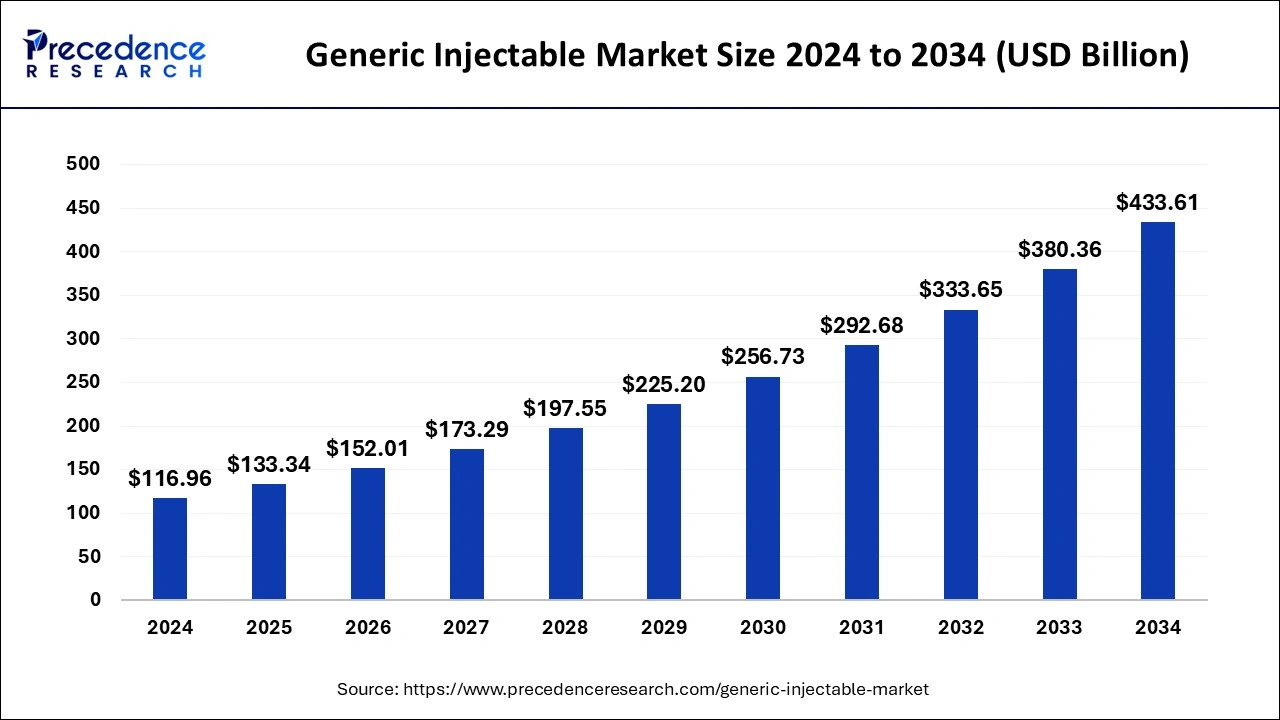
Market Highlights
- By region, North America dominated the global generic injectable market in 2025.
- By region, the Asia Pacific is expected to grow at the fastest CAGR during the forecast period.
- By product type, the monoclonal antibodies segment led the global market in 2025.
- By product type, the vaccines segment is expected to grow at a strong CAGR between 2026 and 2035.
- By molecular type, the large molecule segment accounted for a considerable revenue share in 2025.
- By molecular type, the small molecule segment is projected to grow at a solid CAGR between 2026 and 2035.
- By application, the oncology segment held a dominant position in the market in 2025.
- By application, the diabetes segment is expected to witness the fastest growth between 2026 and 2035.
- By administration, the intravenous segment held a dominant position in the market in 2025.
- By administration, the subcutaneous segment is expected to witness the fastest growth between 2026 and 2035.
- By distribution channel, the hospital pharmacy segment accounted for a considerable revenue share in 2025.
- By distribution channel, the retail pharmacy segment is expected to be the fastest-growing segment between 2026 and 2035.
Market Overview
The generic injectable drug is the compound having therapeutic characteristics with increased efficiency, potent. Which focus to kill the disease or the chronic infection. The generic drug basically is the chemical substance with increased developments and continuous research have increased the availability of the generic drugs in the market with fast approval of the drug. There are two categorisation involves generic drug and branded drug. Generic drug is basically same with the branded drug with same active pharmaceutical ingredient, with equal safety, quality, strength, efficiency, output of the drug, route of administration is same of both generic and branded drugs.
Therefore, increased focus on producing and manufacturing the generic drug with increased efficiency and decreased adverse drug reactions of the generic drugs. Increased chronic diseases among the population with increased medications enhanced the market of generic injectable drugs. Changing lifestyle of the people with increased diseases strives the market growth. Increased various new launch of the generic drugs as that of branded drugs with expiry of patents which reduced the new launch of the drug. Which helps to boost the market of generic injectable.
Impact of AI in the Generic Injectable Market
Artificial intelligence (AI) has the potential to accelerate drug development processes. One significant application of AI is the identification of biosimilars, which are biological medical products. AI can streamline this process by analyzing complex biological data, facilitating faster development of effective alternatives to existing therapies. Additionally, AI plays a crucial role in researching drug compound crystal structures. By employing advanced machine learning algorithms, researchers can predict and analyze drug compounds' crystallization behaviors and properties, optimizing formulations for better efficacy and stability. Furthermore, AI can enhance salt and polymorph screening. This involves identifying different forms of a drug compound and understanding how these variations can impact solubility, stability, and bioavailability. Utilizing predictive analytics in this context allows for more efficient exploration of potential drug candidates and helps select the most promising options earlier in the development process.
Generic Injectable Market Growth Factors
- Cost-effectiveness: Generic drugs are less expensive than branded drugs. As healthcare costs rise, the demand for cost-effective therapeutics increases, which is a major factor boosting the adoption of generic injectable drugs.
- Technological Advancements: Technological advancements in drug discovery and development methods lead to innovations in drug formulations. This enhances the efficacy of generic injectable drugs.
- Rising Patient Population: There is a significant increase in the patient population of infectious diseases worldwide. This, in turn, boosts the demand for generic injectable drugs.
- Research and Development: Pharmaceutical companies are investing heavily in rising research and development programs to develop new formulations, which contributes to market expansion. Moreover, the rising approvals for new generic drugs fuel the market growth.
Market Outlook
- Industry growth overview - The generic injectable market is growing steadily as demand increases for affordable medicines, hospital-based treatments, and oncology therapies supported by rising healthcare spending and patent expirations.
- Global expansion - Companies are expanding manufacturing capacity, strengthening distribution networks and expanding presence in emerging healthcare markets.
- Major Investors - Global pharmaceutical companies, private equity firms and healthcare investment funds support manufacturing expansion, biosimilar development and sterile production facilities to strengthen market competitiveness. Major investors in the market include KKR, TPG Capital, Warburg Pincus, Bain Capital, ChrysCapital, Novo Holdings, and GIC.
- Startup ecosystem - The startup economy in the market is developing advanced drug delivery technologies and sterile manufacturing solutions. 
Market Scope
| Report Coverage | Details |
| Market Size in 2025 | USD 133.34 Billion |
| Market Size in 2026 | USD 152.01 Billion |
| Market Size by 2035 | USD 482.50 Billion |
| Growth Rate from 2026 to 2035 | CAGR of 13.72% |
| Base Year | 2025 |
| Forecast Period | 2026 to 2035 |
| Segments Covered | Product Type, Molecular Type, Application, Administration, and Distribution Channel |
| Regions Covered | North America, Europe, Asia-Pacific, Latin America, and Middle East & Africa |
Market Dynamics
Drivers
Rising prevalence of chronic infectious diseases
Increased population in the regions with increased infectious diseases among the people which led to increased number of patients for hospitalization with increased demand for the generic injectable drugs. Branded drugs come with patent expiry with decreased launch of the new generic injectable drug therefore expanded the demand for the generic injectables with similar efficacy, quality, strength, potent, safety. Which boosts the generic injectable market to a greater extend.
Cost effectivity of the generic injectables
- Low cost of the generic injectables drugs with increased demand from the health care sector with increased affordability for the consumers with increased facility and increased number of treatments with low cost have enhance the market growth at a larger extent. The cost effectivity is the major reason for striving the growth of the generic injectable with increased manufacturing and producing of the generic drugs with similar efficacy, quality, strength, good patient response, increased therapeutic index.
- Increased research and development for introducing new developments for the infectious diseases with less number of step than that of branded drugs. Fast approval of the new drug with increased production and manufacturing of the drugs supports to fuel the market of injectable drugs with increased demand from the health care centre. Branded injectables with patent expiry with reduced developing of the new injectables which led to developing of the generic injectables.
Challenges
- Increased cost for processing of the generic injectables - Rising cost of the generic injectables for producing and manufacturing of the drug with increased equipment cost for processing of the active compound with increased care management during the processing of the generic injectable drug. Increased manufacturing producing, packing, storage of the generic drug. With increased cleanliness with increased sterilization to avoid bacterial, fungal contamination to the generic drug. Which contributes for increased stability for the generic drugs. Cost issues can challenge the generic market to grow during the forecast period.
- Lack of skill- Lack of skill for producing the generic injectables with increased research and development with new technology and new skills for development of the generic injectables lack of skill may hamper the market growth of generic injectables.
- Availability of other drugs - Availability of other injectable drugs other than generic with increased options for adopting the treatment can decrease the market growth during the forecast period.
Opportunities
- Increased manufacturing and developments of generic injectables - Increased manufacturing and producing of the injectables with increased research with improved efficacy, safety, quality of the drug, output of the drug contributes for increasing the market with increased requirement for the new development of the generic drugs with increased sterilization to prevent from microbial attack. Which fuels the growth of generic injectable market. Enhanced study of pharmacokinetics and pharmacodynamics of the generic injectables which expands the market growth to a larger extend.
- The key market players - The key market players involved in introducing new technology with increased development of the generic injectables with increased investment for producing the new generic injectables strives the market to grow high with increased demand from the health care centre with increased technology.
Segments Insights
Product Type Insight
The Monoclonal Antibodies Segment Held the Largest Share of the Generic Injectable Market in 2025
The monoclonal antibodies segment held a dominant position in the generic injectable market in 2025 due to the high demand for biosimilar and biologic therapies. They are found in many products meant for the treatment of oncology, autoimmune, and inflammatory diseases. Also presents new opportunities for biosimilar launches are the patent expiration of big milestones biologics presents new opportunities for biosimilar launches.
The vaccines segment is expected to witness strong growth during the forecast period due to the increase in immunization programs and emphasis on prevention and primary care. Immunisation programmes are expanding in terms of their scope and magnitude in an effort to address infectious diseases. As demand for low-cost vaccines for injection modes keeps increasing, the segment continues to grow.
The immunoglobulin segment is projected to grow at a notable pace as a result of its usage in immune deficiencies and autoimmune diseases. The diagnosis of rare immune-related diseases is increasing, and this will help drive the treatment needs. Taking the idea further, health care professionals are adopting the use of immunoglobulin in the treatment of long-term disease management.
The chemotherapy agents segment is expected to witness steady growth during the forecast period due to the rising burden of cancer worldwide. Chemotherapy drugs are commonly used in hospitals and oncology centers. The segment is also benefiting from a surge in the expiration of the patents for branded oncology medicines.
Molecule Type Insight
The Large Molecule Segment Dominated the Generic Injectable Market in 2025
The large molecule segment dominated the generic injectable market in 2025 due to the presence of biosimilars and biologic injectables in the large molecule segment. They are used in oncology, autoimmune diseases, and the chronic management of diseases. Major opportunities for biosimilar manufacturers, thanks to growing patent expiries of biologics.
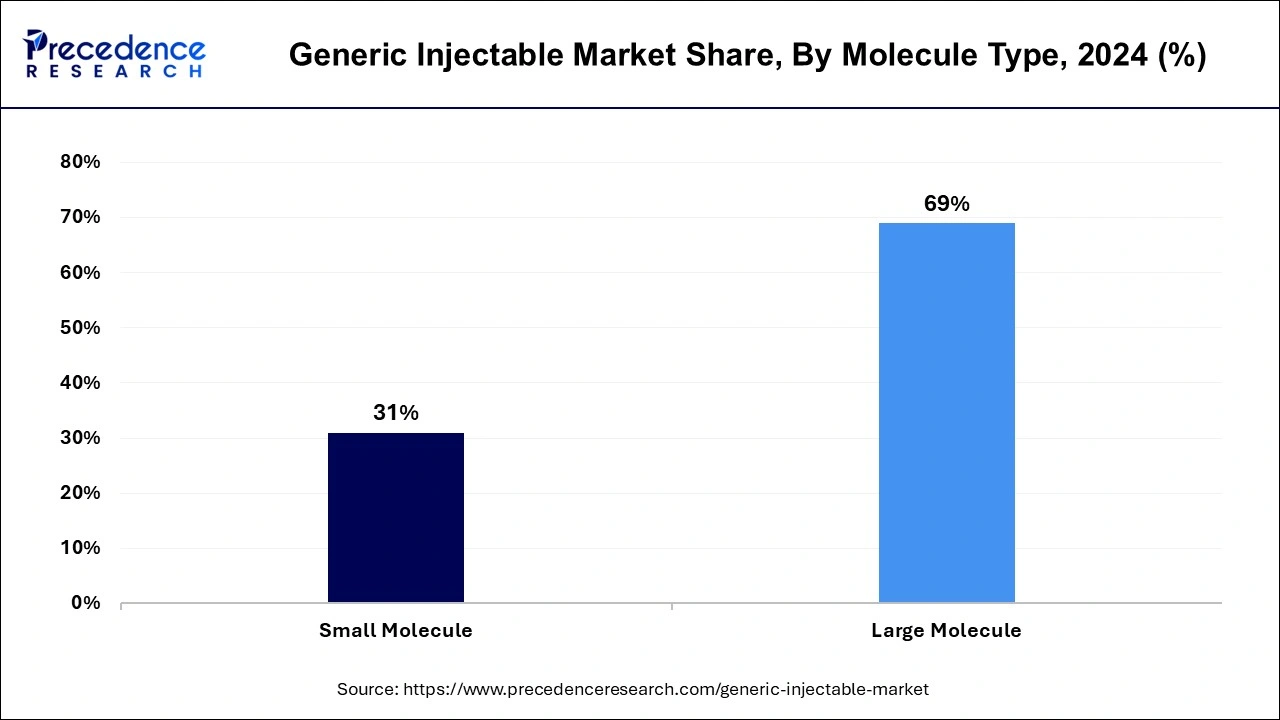
The small molecule segment is expected to grow significantly during the forecast period, driven by the rising need for low-cost injectables in pain care, anti-infective, and cardiovascular prevention/management. It is usual to see these products in a hospital or an outpatient setting. There are also rising examples of generic adoption and developed manufacturing processes, which continue to help with this growth.
Application Insight
The Oncology Segment Dominated the Generic Injectable Market in 2025
The oncology segment dominated the market in 2025, due to the cancer is prevalent worldwide. In cancer treatment, chemotherapy drugs that can be injected into the body, as well as monoclonal antibodies and supportive drugs must be used. The segment is growing due to the increasing demand for cost-effective treatment for cancer.
The diabetes segment is expected to grow steadily during the forecast period, as diabetes has become a growing concern in the world. There is an increasing demand for low-cost insulin injection and other drugs. Awareness, diagnosis, and access to healthcare are rising, thus driving up segment growth.
The cardiovascular diseases segment is projected to grow at a healthy pace as there is a heightened incidence of cardiovascular diseases, particularly hypertension. They are frequently used for general injection in cases of medical emergencies and for critical situations or after surgeries for cardiovascular treatment. Demand is further increasing due to the ageing population and lifestyle-related health risks.
The musculoskeletal disorders segment is expected to experience considerable growth during the forecast period, due to the number of individuals affected by diseases like arthritis, osteoporosis, and chronic pain. Pain relief and anti-inflammatory therapies are as popular as diabetes and arthritis treatments, and are also injected. The aging population and increasing demand for orthopedic treatments are driving the segment growth.
Administration Insights
The Intravenous Segment Dominated the Generic Injectable Market in 2025
The intravenous segment dominated the generic injectable market in 2025, with the rapid delivery of drugs and instant effect. Widespread use in oncology, anti-infectives, Emergency Medicine, and pain management. Intravenous Dilutions are critical for the care provided in hospitals in the acute and critical care setting.
The subcutaneous segment is expected to grow steadily, due to increasingly popular insulin, biologics, and self-administered treatments. This is a convenient route, improved patient convenience, and easier long-term treatment. Diabetes and autoimmune diseases are on the rise, helping to drive the demand.
The intramuscular segment is expected to witness notable growth with increasing demand for its use in vaccines, hormonal treatments, and pain relief injections. It may be administered in the hospital and outpatient settings conveniently and quickly. The increase in vaccine uptake continues to drive the growth in segments.
Distribution Channel Insight
The Hospital Pharmacy Segment Dominated the Generic Injectable Market in 2025
The hospital pharmacy segment dominated the generic injectable market in 2025, as a large number of people are admitted as inpatients, using oncology drugs, undergoing surgery, and intensive care in the hospitals. Complicated Injectable therapies are administered in a hospital setting, by trained medical staff and facilities. The increase in the number of chronic diseases, as well as the number of surgeries, continues to add strength to this segment.
The retail pharmacy segment is expected to witness notable growth as the amount of injected drugs in patients and chronic treatment increases. Patients would like to have ease of access to medicines by injection via community pharmacies. Retail pharmacies also play a role in supporting the administration of vaccines, prescription refills, and patient education.
The drug stores segment is expected to grow steadily, as the number of affordable Injectable medicines keeps on increasing in it. These are stores that provide easy pick-up sites for ongoing (and chronic) care treatments. The segment is growing as a result of awareness and better availability of prescriptions.
The online pharmacy segment is projected to witness stable growth during the forecast period as more healthcare services and home delivery are moving to a digital milieu. Patients are increasingly ordering insulin, specialty injectables, and long-term therapies via the Internet. Delivery format, convenience, and price competitiveness are fueling growth.
Regional Insights
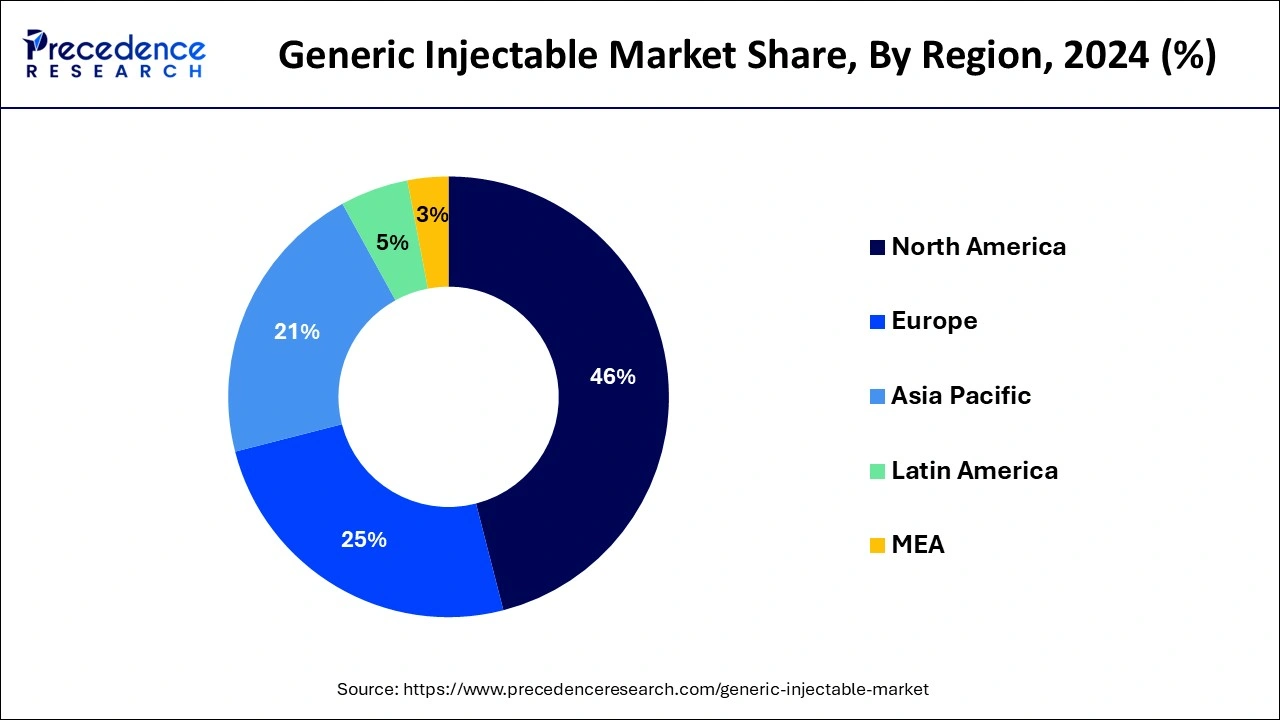
North America will lead the Global Generic Injectable Market in 2025
North America dominated the global generic injectable market in 2025 with an improving prevalence of chronic diseases and growing biosimilar popularity. Demand growth in affordable injectables to treat oncology, diabetes, and cardiovascular disease is growing in the region, and health systems are seeking to find products that can compete with branded drugs. To supportive regulatory pathway for biosimilars and generics and increase drug manufacturing in the country with investments in sterile production.
U.S. Market Trends
The U.S. represents a large market for generic injectables because of the prevalent chronic diseases in the region, high hospital-based therapy demand, and well-established pharmaceutical and healthcare network. The market is growing as the usage of the generic oncology, anti-infectives, anesthetics, and injectable diabetes therapy drugs increases. The growth in the biosimilars and complex injectables market, as hospitals are looking to save costs, ensure the same clinical outcomes.
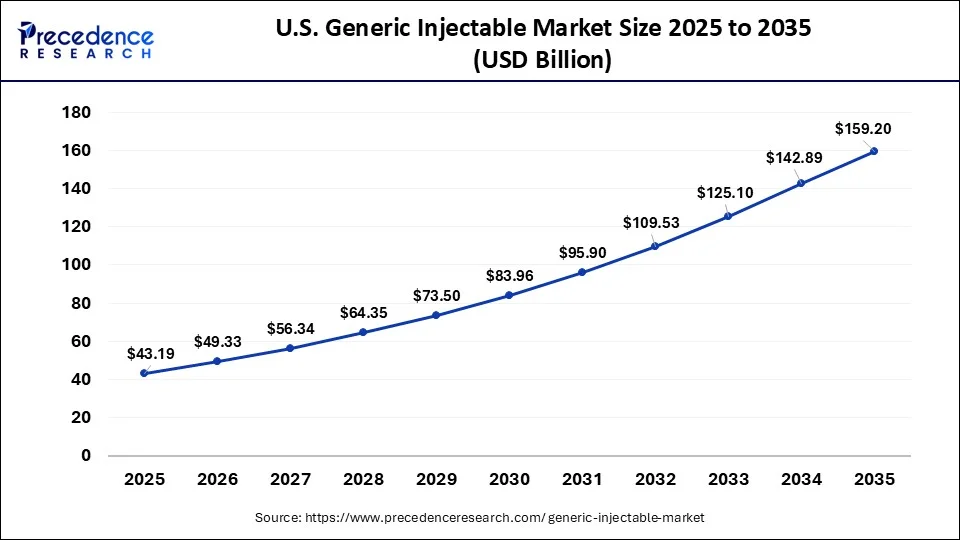
What is the U.S. Generic Injectable Market Size?
The U.S. generic injectable market size was estimated at USD 49.33 billion in 2026 and is predicted to be worth around USD 159.20 billion by 2035, at a CAGR of 13.93% from 2025 to 2035.
Asia Pacific is Undergoing the Fastest Growth in the Generic Injectable Market
Asia Pacific is expected to grow at the fastest rate in the generic injectable market, driven by the rising number of chronic ailments and the boom in pharmaceutical production. The increased hospital admissions, increased use of biosimilar and injectable drugs, and policy initiatives to ensure affordable access to health services in this region. Additionally, the significant investments by local companies in sterile injectable production, a higher number of major generic drug manufacturers, and lower drug production costs.
China Market Trends
China's generic injectable market is anticipated to grow significantly, with the increasing presence of the country's pharmaceutical industry and the prevalence of various chronic diseases. The Government is actively supporting the production of Low-Cost Generic Medicines and Biosimilars in the country to ensure access to medicines and a decrease in dependence on medicines being imported. The expansion of the hospital infrastructure, increasing demand for oncology and anti-infective injectables, and favorable regulatory reforms are also contributing to the market.
Advancements in the Generic Injectable Market in Europe
Europe is expected to witness significant market growth throughout the forecast period, as high adoption of biosimilars and high hospital drug spending for cost-effective therapy. There has been a rise in the number of countries in the region that are investing in health care systems, and the use of low-cost, injectable medicines to manage chronic diseases and reduce health care costs. Oncology and specialty injectables are being driven by the increasing prevalence of cancer, cardiovascular diseases, and autoimmune disorders.
Germany Market Trends
Germany represents a major market for generic injectables with a well-developed pharma manufacturing base and increasing demand for affordable injectables. The country is known as a high adopter of biosimilar use, has a positive reimbursement policy, and doctors' acceptance of generic injectables is high. With an increase in the number of patients with chronic diseases and an ageing population, the demand for long-term injectable drugs increases.
Key Trends in the Generic Injectable Market in Latin America
Latin America is expected to witness significant growth in the generic injectable market due to an increasing number of chronic diseases and increasing access to healthcare. Increasing treatment demand has resulted in growing public health programmes and better pharmaceutical access in the region. The oncology-drugs, insulin, and anti-infective-injectables category is gaining market share as more people are developing cancer, diabetes, and infectious diseases.
Brazil Market Trends
Brazil represents a significant market for generic injectables due to the increasing prevalence of chronic diseases, the increasing number of hospital admissions, and the increasing demand for health care. The affordability of injectable drugs and the availability of a large population, and the increasing public health programmes, are assisting in improving access to treatment. Oncology products, insulin, and critical care injectables are among the products increasingly demanded in specialty clinics and hospitals in Brazil.
Growth of the Middle East and Africa in the Generic Injectable Market
The Middle East and Africa region is expected to witness significant growth in the generic injectable market due to healthcare modernization and the rise of chronic diseases. Widespread investment is being made in health care infrastructure, medicines supply chains, and access to essential medicines in various countries in the region to improve treatment delivery. As hospitals grow, hospitals become busier, demand for the use of injected drugs for treatment of cancers, anti-infectives, insulin, and medicines for emergency treatment is also on the rise.
Saudi Arabia Market Trends
Saudi Arabia represents a significant market for generic injectables due to the expansion of the healthcare infrastructure and better access to advanced therapies under long-term healthcare transformation initiatives. With the surge of diabetes, cardiovascular, and cancer cases, the injection therapy hospital & specialty clinic market is also expanding. The Government is encouraging in-country production of medicines and strengthening the supply chain, and reducing dependency on imported medicines.
Value Chain Analysis for the Generic Injectable Market
- R&D: It is vital for transitioning from the simple generic manufacturing to producing complex, high-value, and high-quality sterile products. It allows firms to navigate strict regulatory landscapes, decrease production expenses, and provide more user-friendly, specialized, and accessible medications.
Key Players: Pfizer Inc., Fresenius Kabi, Teva Pharmaceutical Industries Ltd. - Clinical Trials and Regulatory Approvals: They are foundational to the generic injectable industry, providing a pathway to prove therapeutic equivalence to brand-name drugs, guaranteeing safety, and enabling rapid market entry.
Key Players: Pfizer, Fresenius Kabi, Sandoz - Formulation and Final Dosage Preparation: It offers the technical foundation to change active pharmaceutical ingredients into stable, sterile, and bioequivalent medicines that can be safely administered to patients.
Key Players: CSPC Pharmaceutical, Viatris, Teva Pharmaceutical
Competitive Landscape
The generic injectable market key players are focusing on increasing product portfolios and further developing the sterile manufacturing technology and biosimilar development. For example, Glenmark Pharmaceuticals is introducing its new product Methylene Blue Injection USP in the U.S. market in June 2026, which is a new addition to the company's generic injectables business. The large companies are developing their ‘injection' businesses with product approvals, complex generic approvals, and investing in agility via their supply chains.
There has been a significant focus on strategic partnerships and manufacturing expansions to help improve the product availability and tackle drug shortages. Increase in the number of companies investing in fill-finish plants, vertical integration of APIs and biosimilar pipelines for efficiency and competitiveness.
Generic Injectable Market Companies
- Teva Pharmaceuticals: Teva Pharmaceuticals is a global contributor in the generic injectable market, providing a vast portfolio of sterile, high-value, and even complex generic products, mainly in the United States and Europe.
- AstraZeneca Plc: AstraZeneca PLC provides a strategic portfolio of branded generic injectables, aiming heavily on specialized therapeutic areas, mainly oncology, anaesthetics, and cardiovascular or metabolic health, thus, primarily in emerging markets.
- Sanofi S.A: Sanofi S.A. functions in the generic injectable market primarily via its subsidiary, Winthrop US, which offers authorized generics, including complex, high-quality, and even cost-effective alternatives to branded products such as Docetaxel and Enoxaparin.
Other Major Key Players
- DR. Reddys Laboratries Ltd
- Baxter International
- Mylan N.A
- Fresenius Kabi
- Pfizer Inc
- Cipla Ltd
- Merck & Co. Inc
- Novartis AG
- Sun Pharmaceutical Industries Ltd
- Aurobindo Pharma Limited
- Samsung Biologics Co Ltd
- Biocon
- Lupin,Ltd
- Astrazeneca
- GlaxoSmithKline Plc
- Hikma Pharmaceuticals
- Cosette Pharmaceutical, Inc
- Johnson & Johnson Services, Inc
- Sanofi SA
- Amgen Inc.
- Bristol- Myers Squibb Company
- Piramal Pharma Solutions
- Merck KGaA
Latest Announcement by Industry Leader
- In March 2024, Alex Oshmyansky, CEO of Mark Cuban Cost Plus Drug Company, announced a plan to begin manufacturing its own generic medications. He said that the company would first manufacture commercial batches of epinephrine and norepinephrine for patients in the ICU, and then the company would begin making pediatric chemotherapy.
Recent Developments
- In August 2026, Glenmark Pharmaceuticals Inc., USA, announced the launch of Sugammadex injection in the United States with approval from the U.S Food and Drug Administration (USFDA). The company launched Sugammadex injection 200 mg/2 mL (100mg/mL) and 500 mg/ 5mL (100mg/mL) in single dose vials. The product is bioequivalent and therapeutically equivalent to the reference listed drug BRIDION (Sugammadex) Injection, 100mg/mL, marketed by Merck Sharp & Dohme LLC.
- In July 2026, Sun Pharma announced that the South African Health Products Regulatory Authority 9SAHPRA) approved its semaglutide injection, a generic equivalent of Novo Nordisk's Ozempic for the treatment of adults with type 2 diabetes mellitus. The injection was approved as a pre filled, multi dose injectable pen in two dosage 2mg/1.5mL and 4mg/3mL for once weekly treatment of adult patients.
- In February 2026, PharmaTher Holdings Ltd. reported a 'strategization' aimed at a Health Canada approval in Canada for its generic version of semaglutide, and outlined plans to commercialize the drug once it is approved. The change comes as the GLP-1 market is growing, with both of the brands of drug (Ozempic and Wegovy) containing semaglutide. (Source: https://www.pharmather.com)
- In August 2025, Teva Pharmaceuticals, Inc., gets approval and launches the first generic version of Saxenda (liraglutide injection) in the U.S. The clearance cleared the path for Teva to develop its intricately complicated generics pipeline, followed by the availability of cheaper GLP-1 weight-loss drugs. (Source: https://ir.tevapharm.com)
Segments Covered in the Report
By Product Type
- Chemotherapy agents
- Small molecule antibiotics
- Vaccines
- Peptide antibiotics
- Blood factors
- Peptide hormone
- Insulin
- Cytokines
- Immunoglobin
- Monoclonal Antibodies
By Molecular Type
- Small Molecule
- Large Molecule
By Application
- Oncology
- Diabetes
- Infectious Diseases
- Blood Disorders
- Musculoskeletal Disorders
- Hormonal Disorders
- Pain Management
- CNS Diseases
- Cardiovascular Diseases
By Administration
- Intravenous (IV)
- Intramuscular (IM)
- Subcutaneous (SC)
By Distribution Channel
- Hospital pharmacy
- Retail pharmacy
- Drug stores
- Online pharmacy
By Geography
- North America
- Europe
- Asia-Pacific
- Latin America
- Middle East & Africa (MEA)
For inquiries regarding discounts, bulk purchases, or customization requests, please contact us at sales@precedenceresearch.com
Frequently Asked Questions
Tags





Ask For Sample
No cookie-cutter, only authentic analysis – take the 1st step to become a Precedence Research client
 Get a Sample
.webp)



 sales@precedenceresearch.com
 Schedule a Meeting
