



MilliporeSigma Showcases Advanced Sterile Filtration Solutions for Biopharma at March 2026 Event
Published: 23 Mar 2026
Author: Precedence Research



In March 2026, MilliporeSigma delivered a technical webinar with a specific focus on next-generation filtration solutions for biopharma manufacturing. This is a key update in the sterile filtration market, where there is a growing demand for more effective and less prone-to-contamination filtration technologies, especially for biologics production, which is growing exponentially.
Focus on High-Performance Sterile Filtration Systems
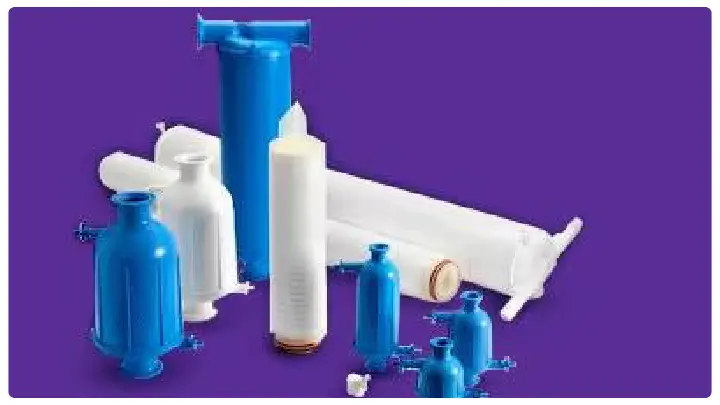
The webinar placed a great emphasis on final sterile filtration, a crucial step in the production of drugs, where the highest level of sterility must be assured before the fill-finish steps of production. MilliporeSigma discussed high-capacity membrane filtration technologies, which can be employed for the production of monoclonal antibodies, vaccines, and other biologics, where highest level of sterility must be assured. This is particularly important as the production of biologics is growing exponentially.
Another important aspect of sterile filtration technologies discussed during the webinar was the use of single-use filtration technologies. These systems are gaining popularity owing to the benefits they offer in the form of reduced cross-contamination, as well as elimination of the need for cleaning validation between batches. This makes them very suitable for use in sterile environments, as the need for aseptic conditions is always paramount in such cases.
According to Precedence Research, The global sterile filtration market size was calculated at USD 5.04 billion in 2025 and is predicted to increase from USD 5.54 billion in 2026 to approximately USD 12.95 billion by 2035, expanding at a CAGR of 9.90% from 2026 to 2035 as the demand grows for sterile processing in the biopharmaceutical industry, the pharmaceutical industry, and the food industry.
Automation and Contamination Control Take Center Stage
One of the main highlights of this event was the emphasis placed on particulate contamination control, which is a significant issue in sterile filtration process control. The company presented various techniques that can be implemented to reduce such particulate-related risks, especially in downstream processing, as it may affect the quality of the final drug product. Automation and digital technologies in filtration process control were presented as a significant step forward in this area. Automated filter integrity testing systems were presented as a significant advantage in ensuring that filter membranes perform to required standards both pre and post-use.
A recent report by Precedence Research highlights that the sterile filtration market is benefiting from the increasing development of membrane technology and single-use filtration systems.