



GLP-1 Drugs May Resolve Worsening Addictions
Published: 11 Mar 2026
Author: Precedence Research



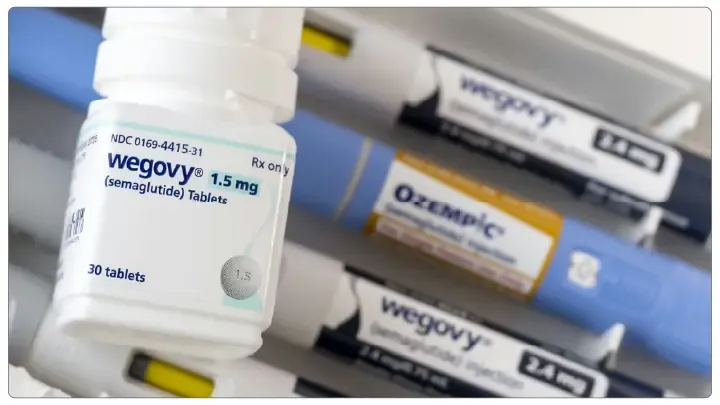
According to the new research conducted by a large group of U.S. Military Veterans, drugs like Ozempic, Mounjaro along with other GLP-1 drugs that are primarily used for diabetes can prevent new substance use disorders and reduces addictions. The protective effects have been confirmed on wide variety of addictive and habit-forming substances that includes opioids, alcohol, nicotine, cocaine and cannabis that further confirm evidence to a phenomenon shows previously in a small group study.
Dr. Ziyad AI-Aly of the VA saint Louis Health care system located at Missouri said, “that breadth was a quite surprise and in addiction medicine, there is not a single drug that works across all these substances.”
His team utilized database of type 2 diabetes patients from the U.S. Veteran Affairs system aiming to detect patients treated with drugs with two different classes namely, GLP-1 like Eli Lily’s Trulicity or Mounjoro and Ozempic from Novo Nordisk along with the SGLT-2 inhibitors like Jardiance from Boehringer Ingelheim and AstraZeneca’s Farxiga and compared them in a randomized trials based on simulation.
According to Precedence Research, the smart drugs market size accounted for USD 2.30 billion in 2025 and is predicted to increase from USD 2.54 billion in 2026 to approximately USD 6.24 billion by 2035 expanding at a CAGR of 10.50% from 2026 to 2035 as demand grows for faster, scalable smart drug production technologies amid rising addictions cases.
What Did researchers Found?
According to the researchers, GLP-1 drugs have minimized the odds of new alcohol-use disorders by 18%, cannabis use disease by 14%, cocaine addiction by 20%, nicotine misuse by 26% and opioid exploitation by 25%. It's important to note that, the participants were not taking a high dosage of GLP-1 drugs.
Nearly 124,001 participants without any past of substance abuse who were taking GLP 1 drugs had 14% lower odds of stimulating or developing a new substance use disorder over the next three years as compared to 400,816 patients who were prescribed for SGLT-2 inhibitors.
Participants with existing substance use disorders, among 81,617, the odds of related emergency department visits during next three years were minimized by 31% as compared to those who were on GLP-1 drugs. Also, these drugs seem to be reduced hospital admissions by 26% and related death by 50%, drug abuse/overdose by 39% and suicidal attempts or thoughts/ideation by 25%.
A recent report by Precedence Research highlights that the smart drug market is benefiting from planning a huge, conventional clinical trial testing semaglutide which is a lead ingredient in Ozempic and Wegovy in U.S. Veterans with alcohol-use disorders.
Novo Nordisk claimed it is not currently performing any clinical studies with a focus on evaluating addiction related diseases or substance use disorders in a large pool of patients however, changes in a alcohol consumption is a secondary target of the trial currently conducting on semaglutide with other medication as a one combined therapy or medication for patients with liver-related disease caused by alcohol abuse. By recognizing these efforts and is effect, A Danish drugmaker also agreed on several studies about GLP-1 has shown a promising effect to reduce addiction-related issues and expecting separate research in this area.