



Federal Government Introduces Nigerians in Diaspora Advanced Health Program
Published: 21 Jul 2026
Author: Gautam mahajan



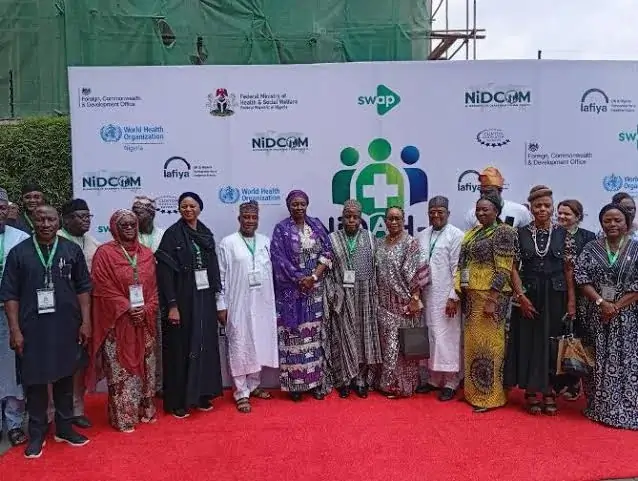
In July 2026, the Federal Government unveiled the Nigerians in Diaspora Advanced Health Program (NiDAH-P). They also launched a digital platform, which is intended to utilize the knowledge and experience of Nigerian medical professionals across the globe. Their aim is to apply that knowledge and experience in the Nigerian healthcare ecosystem to boost the quality and accessibility of medical facilities in the country.
This program was launched in Abuja, Nigeria, by Prof. Ali Pate, the Minister of Health and Social Welfare, along with the Nigerians in Diaspora Commission (NIDCOM) and other partners. According to Prof. Ali Pate, the program has been created to allow the Nigerian healthcare ecosystem to benefit from the knowledge and experience of the Nigerian diaspora across the world via physical and virtual means of learning.
He said that Nigeria has consistently faced a shortage of medical professionals, while there are many Nigerian healthcare workers across the world. He said that this program has been inspired by various countries like the Philippines, Rwanda, India, and Egypt, which have already established such models. According to Mrs. Daju Kochollom, the Minister of Permanent Secretary of the Ministry, this program points towards Nigeria’s transition towards utilization of the brain drain for the development of their own healthcare system.
Impact on the Healthcare Industry
According to Precedence Research, the launch of the NiDAH-P is expected to benefit the global healthcare industry, as there are many underdeveloped and developing countries from where many educated professionals emigrate to developed countries for better career prospects. This leads to a shortage of skilled personnel in the country, which results in irregular welfare and economic development. It stalls the economic growth of the country. This results in a decrease in the human development index (HDI) in the country.
Impact on the Healthcare Staffing Market
The global healthcare staffing market size was worth around USD 44.97 billion in 2025 and is anticipated to reach around USD 87.61 billion by 2035, growing at a CAGR of 6.90% from 2026 to 2035.
According to Precedence Research, the launch of the NiDAH-P is expected to positively impact the healthcare staffing market. This is because, underdeveloped as well as developing countries face shortages of skilled doctors, nurses, and medical researchers who are vital for the sustainability and development of the healthcare sector in the country. The healthcare sector needs to keep up with the changes in microbes and diseases.
Climate change is causing the incidence of new diseases and deadlier versions of already existing diseases. The healthcare industry of any country needs to keep up and consistently innovate and develop new drugs and medicines that can protect humans against modern illnesses. Underdeveloped countries such as Nigeria face significant brain drain due to weak career prospects in the country. This leads to understaffing in the healthcare institutions, and thus, the quality and accessibility of healthcare in the country are reduced.
Impact on the Healthcare Supply Chain Management Market
The global healthcare supply chain management market size is calculated at USD 3.95 billion in 2025 and is predicted to increase from USD 4.16 billion in 2026 to approximately USD 6.63 billion by 2035, expanding at a CAGR of 5.32% from 2026 to 2035.
According to Precedence Research, the launch of the NiDAH-P will benefit the healthcare supply chain management market as it will boost the healthcare technology and infrastructure in Nigeria. This helps to improve the economic activity in the healthcare sector. This, in turn, will boost the demand from the large number of underserved patients in the country who have had to travel to other nations to receive quality treatment. The development of indigenous medical facilities would be quickly adopted by the Nigerian citizens, as treatment within the country usually costs much less than travelling to another country and then receiving treatment.
This boost in the local healthcare economy also propels the need for a variety of medical supplies and equipment. The medical supplies involved include biologics, drugs, vaccines, generic medicines, and other medical fluids. Such a boost helps the transport and logistics industry as medical supplies need sophisticated transport conditions,, which could be temperature and heat-controlled storage, or the sterile transport of chemically sensitive medical supplies.
Expert Opinion
According to various government officials, the launch of the NiDAH-P will improve the quality and accessibility of healthcare to Nigerian citizens. It is also expected to boost various related sectors such as cold chain transport, medical research, and educational facilities. Such major government programs help to improve the overall quality of life of the citizens in that country. It facilitates knowledge and technology exchange, which can be very beneficial for developing as well as underdeveloped countries. The improvement of the economy of Nigeria will also help to improve the career prospects in the country itself and thus help to decrease brain drain in the future.