



Daihatsu Enters the Electric Era with Nationwide Launch of e-Hijet Cargo and e-Atrai Mini BEVs
Published: 02 Feb 2026
Author: Precedence Research



Daihatsu Motor Co., Ltd. has made an indisputable move into the electric mobility sector by rolling out its first mass-produced battery electric vehicles (BEVs), the e-Hijet Cargo and e-Atrai. It is based on the established Hijet Cargo and Atrai mini commercial platforms. The new BEVs represent a major milestone for the company, combining years of experience with small commercial cars with current electric drive systems.
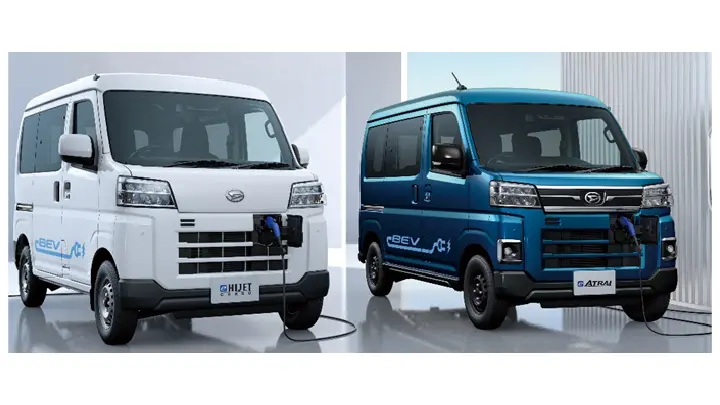
These models can be introduced as another sign of the long-term interest of Daihatsu in the development of electric vehicles. The company started to conduct research into electric mobility as early as the 1960s, long before numerous other companies worldwide started to do so. Those experimentations were the foundation of modern-day BEV offerings, which are currently being introduced to the market at a moment when decarbonization and sustainable logistics demands are growing faster in society.
The e-Hijet Cargo and e-Atrai centre around the recently developed system of e-SMART ELECTRIC BEV, but specifically in mini vehicles. Daihatsu engineers redesigned the location of components used and redesigned the body to fit a large capacity battery without compromising the interior space and cargo use. This has seen the e-Hijet Cargo Four-Seater having the largest loading area in the category of mini cab-over vans and still retains the same level of practicality that is familiar to the customers. Moreover, cars have the best range on a charge per kilowatt hour among their kind, 257 km in WLTC mode, and they are therefore very well adapted to everyday business purposes.
The introduction of the e-Hijet Cargo and e-Atrai highlights the bigger multi-pathway approach of Daihatsu to carbon neutrality. The company is still trying to seek a balanced combination of technologies, such as efficient internal combustion engines. Electrification presents a definite direction in the logistics industry where mini commercial vehicles cannot do without, since it is possible to significantly reduce CO2 emissions without affecting the performance. Furthermore, Daihatsu plans to refine its electric line of commercial vehicles further, taking into consideration the customer response, battery technology development, and convenience in charging.