



Prescription Weight Loss Medications Market Size, Companies, Share, Patient Volume, Treatment Adoption Rates, Pricing Analysis, Regulatory Landscape, Competitive Positioning, and Demand Forecast
Prescription Weight Loss Medications Market (By Drug Class: GLP-1 Receptor Agonists, Combination Therapies, Appetite Suppressants/Other Pharmacotherapies, Emerging/Next-Gen Agents; By Route of Administration: Injectable Medications, Oral Medications; By Prescription Type: Specialist Prescriptions, General Practitioner Prescriptions; By Indication: Obesity Management, Weight Loss with Comorbid Condition (T2D, CVD risk)) - Global Industry Analysis, Size, Trends, Leading Companies, Regional Outlook, and Forecast 2026 to 2035
Source: https://www.precedenceresearch.com/prescription-weight-loss-medications-market
 Get a Sample
 Table Of Content


What is the Prescription Weight Loss Medications Market Size?
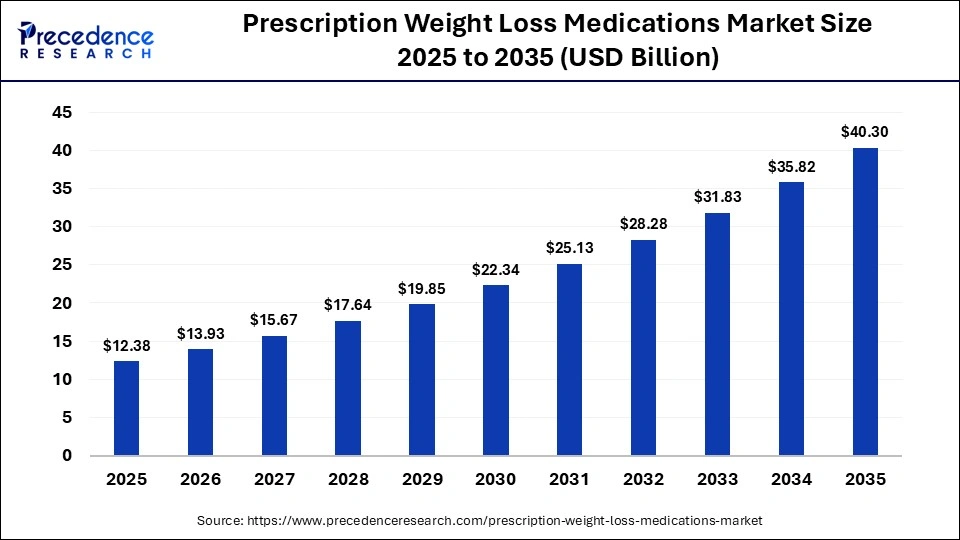
The global prescription weight loss medications market size accounted for USD 12.38 billion in 2025 and is predicted to increase from USD 13.93 billion in 2026 to approximately USD 40.30 billion by 2035, expanding at a CAGR of 12.53% from 2026 to 2035. The prescription weight loss medications market is experiencing unprecedented growth, driven by growing awareness of obesity as a serious medical condition.
Market Highlights
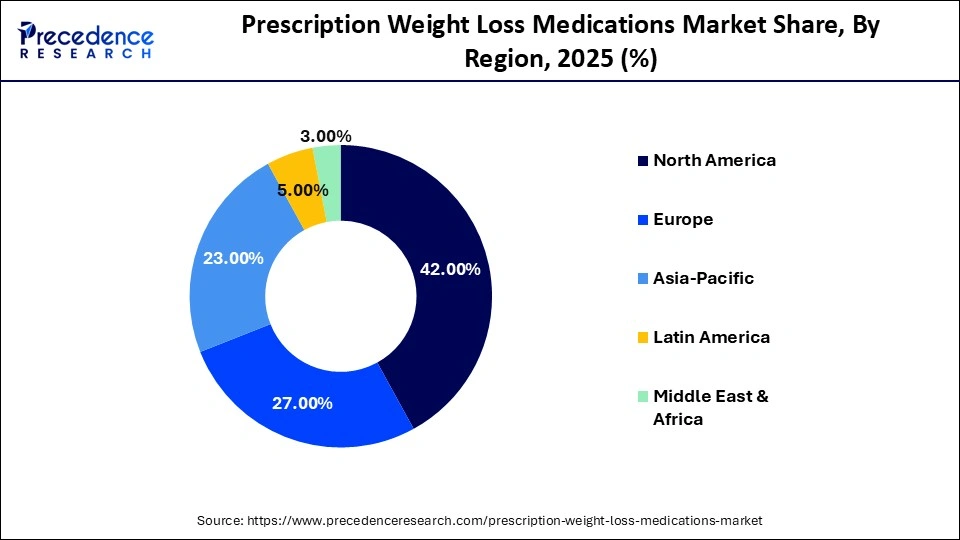
- North America dominated the market, holding the largest market share of 42% in 2025.
- Asia-Pacific is expected to expand at the fastest CAGR in the prescription weight loss medications market between 2026 and 2035.
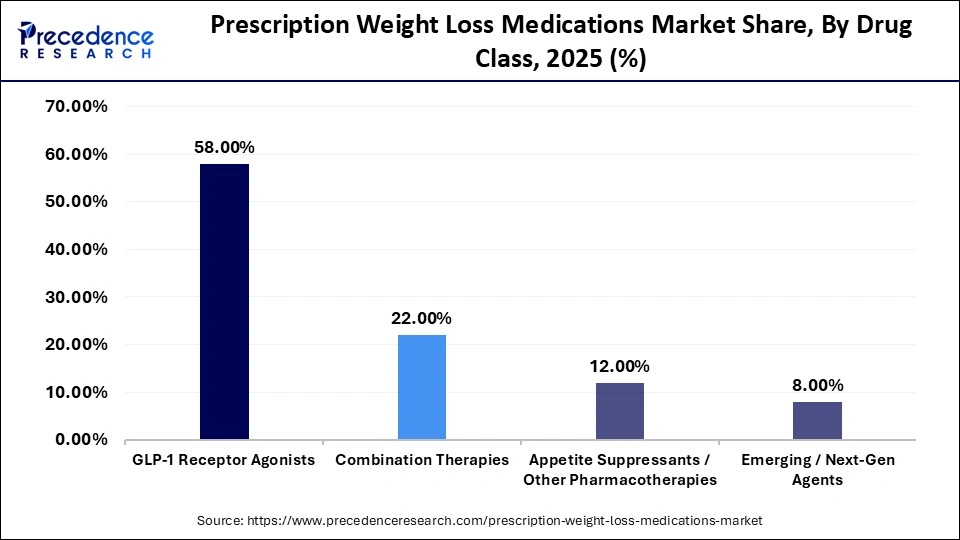
- By drug class, the GLP-1 receptor agonists segment held the largest market share of 58% in 2025.
- By drug class, the emerging/next-gen agents segment is expected to grow at a remarkable CAGR between 2026 and 2035.
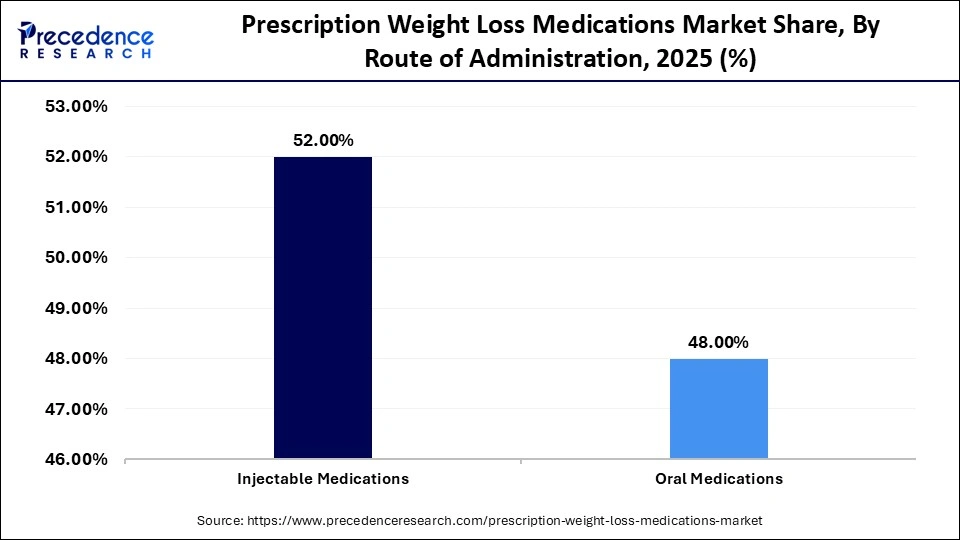
- By route of administration, the injectable medications segment held the largest share of 52% in the prescription weight loss medications market during 2025.
- By route of administration, the oral medications segment is set to grow at a notable CAGR between 2026 and 2035.
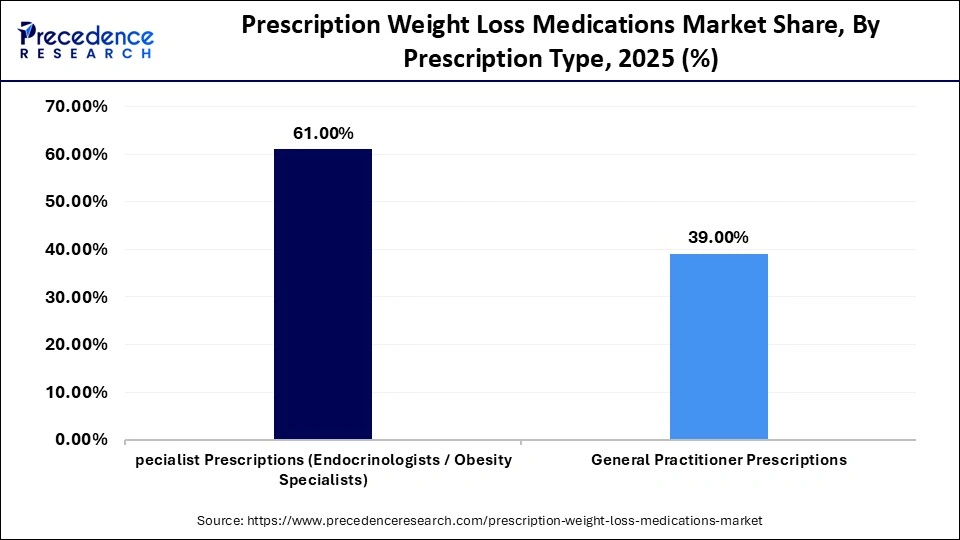
- By prescription type, the specialist prescriptions segment held the largest market share of 61% in 2025.
- By prescription type, the general practitioner prescriptions segment is expected to grow at a significant CAGR between 2026 and 2035.
- By indication, the obesity management segment held the largest market share of 73% in 2025.
- By indication, the weight loss with comorbid condition segment is expected to experience remarkable growth between 2026 and 2035.
Market Overview
The global prescription weight loss medications market includes pharmacological treatments specifically approved or widely prescribed for long-term overweight and obesity management. These medications act via appetite suppression, metabolic modulation, nutrient absorption alteration, or incretin pathways to support sustained weight loss in patients with elevated BMI and associated comorbidities. The market spans GLP-1 receptor agonists, combination therapies, SGLT2 inhibitors (off-label), and emerging molecular classes.
Rising prevalence of obesity-linked conditions such as type 2 diabetes, cardiovascular disease, and metabolic syndrome is strengthening long-term clinical demand for prescription-based weight management therapies. Increasing physician acceptance of chronic pharmacotherapy for obesity, supported by updated clinical guidelines, is expanding treatment adoption beyond short-term interventions. In parallel, robust late-stage pipelines and ongoing lifecycle management strategies are accelerating innovation across next-generation weight loss drug classes.
How Are AI-Driven Innovations Reshaping the Prescription Weight Loss Medications Market?
In the rapidly evolving technological landscape, the integration of Artificial Intelligence (AI) is significantly accelerating the growth of prescription weight loss medications. Artificial intelligence (AI), particularly machine learning (ML) and deep learning (DL), has significantly revolutionized drug discovery. Artificial intelligence emerges as an indispensable tool in drug discovery, clinical trials, and expediting the identification of novel drug candidates, as well as optimizing treatment strategies. AI has the potential to develop next-generation anti-obesity therapeutics. By analyzing massive datasets, including chemical structures and patient records, AI enhances the success rate of clinical trials.
AI can significantly optimize clinical trial design, identify optimal dosing strategies, and predict treatment responses, which makes trials more efficient. In effective anti-obesity treatments, AI identifies new therapeutic targets, small molecules, and peptides, which enhance drug discovery efficiency and safety. Several pharmaceutical companies are increasingly integrating AI into various stages of drug development, from target identification to clinical trial design. AI aids in customizing treatment plans based on an individual's genetic and metabolic information, improving treatment outcomes.
What Are the Emerging Trends in the Prescription Weight Loss Medications Market?
- The rising healthcare awareness and increasing prevalence of obesity are anticipated to accelerate the growth of the market during the forecast period. Obesity is driven by several factors, such as genetic, environmental, and behavioral, making it a highly complex health issue.
- The expanded payer coverage, along with the rise in per capita healthcare expenses, is expected to create significant growth opportunities for the prescription weight loss medications market during the forecast period.
- The introduction of GLP-1 agonists such as tirzepatide/Mounjaro, semaglutide/ Wegovy is expanding treatment efficacy and patient access, bolstering the market's expansion in the coming years.
- The surge in clinical trials for newer and more potent oral and injectable drugs is anticipated to fuel the market's expansion during the forecast period.
- The increasing government and private spending on the healthcare system, including for chronic disease management, supports the growth of the market.
Market Scope
| Report Coverage | Details |
| Market Size in 2025 | USD 12.38 Billion |
| Market Size in 2026 | USD 13.93 Billion |
| Market Size by 2035 | USD 40.30 Billion |
| Market Growth Rate from 2026 to 2035 | CAGR of 12.53% |
| Dominating Region | North America |
| Fastest Growing Region | Asia Pacific |
| Base Year | 2025 |
| Forecast Period | 2026 to 2035 |
| Segments Covered | Drug Class, Route of Administration, Prescription Type, Indication, and Region |
| Regions Covered | North America, Europe, Asia-Pacific, Latin America, and Middle East & Africa |
Segmental Insights
Drug Class Insights
What Causes the GLP-1 Receptor Agonists Segment to Dominate the Prescription Weight Loss Medications Market?
The GLP-1 receptor agonists segment held the largest market share of 58% in 2025, owing to the surging obesity cases, rising awareness regarding their weight loss benefit, and strong clinical trial data. GLP-1 receptor agonists promote weight loss management by increasing satiety, reducing appetite, and slowing gastric emptying. They modulate central neural pathways and peripheral metabolic processes, which provide significant cardiometabolic benefits beyond weight reduction.
The emerging/next-gen agents segment is expected to grow at a remarkable CAGR between 2026 and 2035, owing to their unprecedented weight loss efficacy and significant associated health benefits compared to older medications. The next generation of weight loss medications includes multi-hormone receptor agonists and novel oral formulations of peptide-based therapies. The emerging agents primarily target gut-derived hormones, such as glucose dependent insulinotropic polypeptide (GIP), glucagon-like peptide-1 (GLP-1), amylin, and glucagon.
Route of Administration Insights
Which Segment Is Dominated by the Route of Administration in the Prescription Weight Loss Medications Market?
The injectable medications segment is dominating the prescription weight loss medications market by holding a majority share of 52%. The growth of the segment is supported by the superior efficacy of injectable drugs for chronic weight management, including liraglutide (Saxenda), semaglutide (Wegovy), and tirzepatide (Zepbound/Mounjaro). These are part of a class of drugs known as GLP-1 receptor agonists or dual GIP/GLP-1 receptor agonists. Several of the leading injectable medications require administration only once or twice a week, which is considered more convenient compared to daily oral options.
The oral medications segment is the fastest-growing segment in the prescription weight loss medications market, and the segment is set to grow at a notable CAGR between 2026 and 2035. Prescription oral weight loss medications work by suppressing appetite and decreasing fat absorption, with popular options including Phentermine-topiramate (Qsymia), Bupropion-naltrexone (Contrave), Orlistat (Xenical), and Gelesis100 (Plenity). Oral drugs mimic gut hormones to enhance satiety and reduce appetite. Several pharmaceutical companies are increasing their focus on developing new and highly effective oral formulations that offer high efficacy and non-invasive treatments to patients.
Prescription Type Insights
What Factors Are Driving the Specialist Prescriptions Segment to Dominate the Prescription Weight Loss Medications Market?
The specialist prescriptions segment is dominating the prescription weight loss medications market with a 61% market share in 2025. Prescription weight loss drugs for individuals with obesity (BMI ≥ 30) or those who are overweight (BMI ≥ 27) with at least one weight-related comorbidity, such as type 2 diabetes, high cholesterol, and high blood pressure. These are complex medical conditions that often require efficient medication to manage the associated health risks. The segment's growth is also driven by several combinations of factors, such as the severity of the condition, the efficacy of newer drugs, a surge in the number of obesity specialists, increasing demand for specialized treatment for weight loss management, and favorable insurance/reimbursement policies.
On the other hand, the general practitioner prescriptions segment is expected to grow at a significant CAGR between 2026 and 2035, owing to the wide accessibility and increasing number of GPs compared to specialists and growing awareness and acceptance of effective new medications as legitimate treatment options. Several patients initially consult their general practitioner for weight issues. GPs are the first point of contact to manage a wide range of chronic conditions, such as obesity, diabetes, and hypertension.
Indication Insights
What Has Led the Obesity Management Segment to Dominate the Prescription Weight Loss Medications Market?
The obesity management segment is dominating the prescription weight loss medications market with the largest market share of 73% in 2025. The rise in obesity prevalence, driven by sedentary lifestyles and poor/unhealthy diets. Drugs like tirzepatide (Zepbound) and semaglutide (Wegovy) offer unprecedented weight loss and significantly enhance treatment outcomes.
The weight loss with comorbid condition segment is a rapidly growing segment and is expected to experience remarkable growth between 2026 and 2035. The growth of the segment is driven by the increasing incidence of obesity and its linked medical conditions like diabetes, heart disease, thyroid disease, fatty liver, hypertension, and others. The high efficacy of GLP-1 agonists like semaglutide (Wegovy) and tirzepatide (Zepbound) offers substantial weight loss and metabolic improvements, making them crucial tools for efficiently managing complex chronic diseases beyond weight loss.
Regional Insights
How Big is the North America Prescription Weight Loss Medications Market Size?
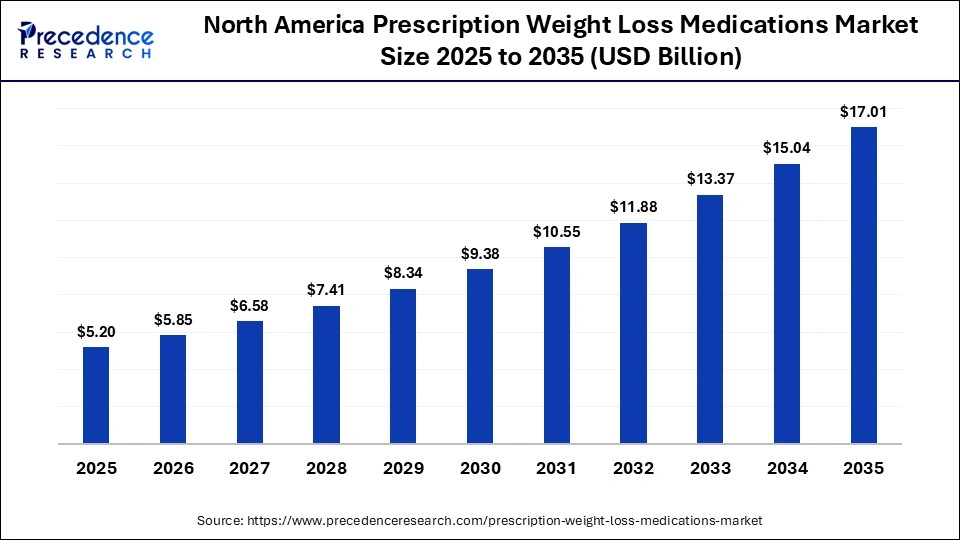
The North America prescription weight loss medications market size is estimated at USD 5.20 billion in 2025 and is projected to reach approximately USD 17.01 billion by 2035, with a 12.58% CAGR from 2026 to 2035.
Why Did North America Dominate the Prescription Weight Loss Medications Market During 2025?
North America dominates the prescription weight loss medications market, holding the majority of the revenue share. The North American region has an advanced healthcare infrastructure and a robust presence of pharmaceutical companies. The region's leadership position is attributed to the high prevalence of obesity, high per capita income, the rise in the older population, and the growing demand for efficient weight management options. Companies are increasingly focusing on developing innovations that improve the way the drugs are taken, with new dosing schedules that can reduce the weekly dose to monthly or even less frequently. Additionally, the rising spending on the healthcare system and expanded payer coverage are anticipated to fuel the region's growth during the forecast period. Medicare provides coverage for obesity-related comorbidities and proposals aiming to cover the weight loss drugs.
In November 2025, GoodRx, the leading platform for medication savings in the U.S., announced two major initiatives to make FDA-approved GLP-1 medications more widely available. First, the launch of GoodRx for Weight Loss, a telemedicine subscription that connects consumers to licensed healthcare providers for affordable weight management treatment. Second, in partnership with Novo Nordisk, a new introductory cash price of $199 per month for Ozempic (semaglutide) and Wegovy (semaglutide) injection pens, available to GoodRx users.
What is the Size of the U.S. Prescription Weight Loss Medications Market?
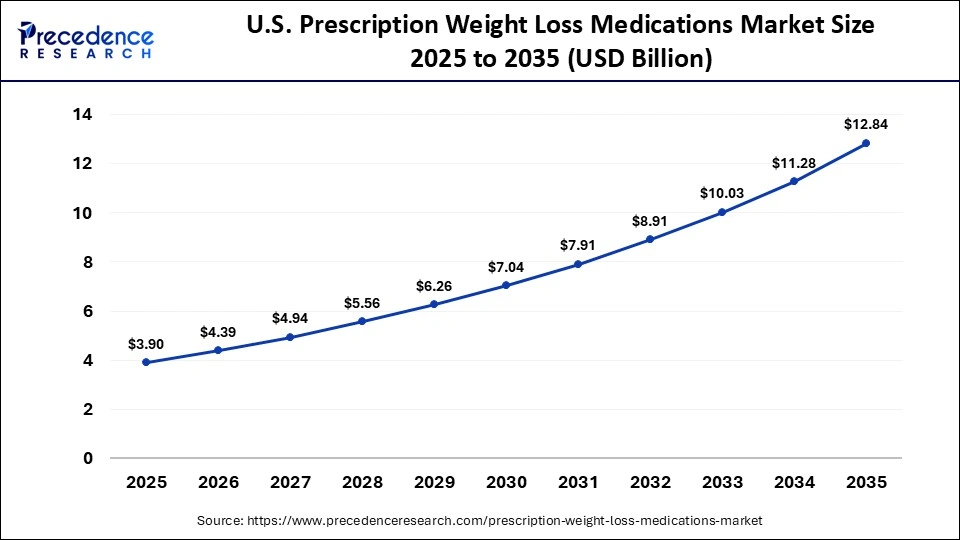
The U.S. prescription weight loss medications market size is calculated at USD 3.90 billion in 2025 and is expected to reach nearly USD 12.84 billion in 2035, accelerating at a strong CAGR of 12.65% between 2026 and 2035.
United States' Prescription Weight Loss Medications Market Analysis
The United States leads the prescription weight loss medications market. The United States is a major contributor to the prescription weight loss medications market in the North American region. The country is home to prominent market players such as Eli Lilly and Company, GlaxoSmithKline plc, Currax Pharmaceuticals LLC, Novo Nordisk A/S, Pfizer, Amgen, and others. The growth of the country is fueled by the increasing prevalence of obesity, rapid innovation in next-generation delivery mechanisms, and increasing FDA approval for obesity drugs. Several pharmaceutical drug companies invest heavily in R&D activities, which lead to the rapid development and wide availability of GLP-1 agonists. Moreover, rising AI integration in drug discovery, clinical trials, and the identification of novel drug candidates is bolstering the country's rapid growth.
In December 2025, the Food and Drug Administration (FDA) approved Wegovy (semaglutide) tablets, the first oral glucagon-like peptide-1 (GLP-1) receptor agonist for the treatment of obesity. Wegovy provides those seeking help with their weight the revolutionary science of GLP-1 medicine in a pill for the first time. This advancement opens new possibilities for the more than 100 million Americans living with obesity.
In June 2025, PlushCare, a leading virtual healthcare platform, announced a significant upgrade to its online Weight Loss Program, enabling greater access to GLP-1-based prescription treatments such as semaglutide through board-certified physicians. This development marks a critical milestone in the company's mission to provide affordable, clinically supervised weight management across the United States.
What is the Asia Pacific Prescription Weight Loss Medications Market Size?
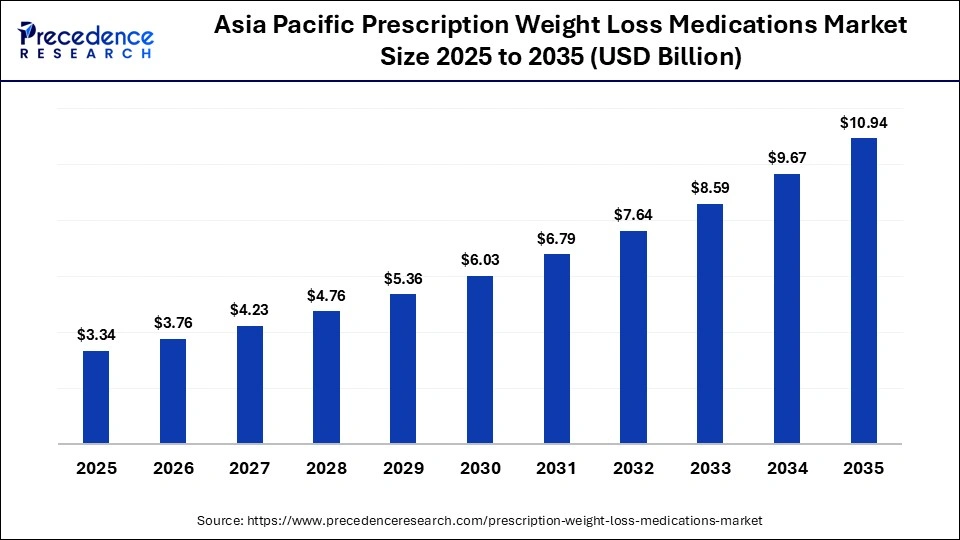
The Asia Pacific prescription weight loss medications market size is expected to be worth USD 10.94 billion by 2035, increasing from USD 3.34 billion by 2025, growing at a CAGR of 12.60% from 2026 to 2035.
Why Is Asia Pacific Expected to Be the Fastest-Growing in the Prescription Weight Loss Medications Market During the Upcoming Period?
Asia Pacific is the fastest-growing region in the prescription weight loss medications market. The region has a developing healthcare infrastructure and increasing awareness and integrated care. The growth of the region is attributed to the increasing adoption of drugs like Semaglutide (Wegovy) and Tirzepatide (Zepbound), government and private spending on healthcare expenditure, an increasing patient population with obesity and related comorbidities, a surge in the geriatric population, rising pharmaceutical R&D, and favorable reimbursement policies.
India Prescription Weight Loss Medications Market Analysis
The country is experiencing significant growth. The prescription weight loss medications market growth is supported by the increasing presence of pharma giants, the rise in the obese population, the rising aging population, and favorable regulations supporting drugs like Wegovy and Zepbound. Rising incidence of obesity-related comorbidities such as type 2 diabetes and cardiovascular disorders is increasing physician-driven demand for prescription-based weight management therapies. Expansion of specialty endocrinology and metabolic clinics is improving diagnosis rates and long-term treatment adherence across urban centers. In parallel, growing patient awareness and affordability initiatives are supporting gradual adoption of advanced weight loss pharmacotherapies in India.
In March 2025, Eli Lilly launched Mounjaro (tirzepatide) in India. The drug, a single-molecule drug designed to bind to and activate both GIP and GLP-1 receptors, helps in regulating blood sugar and metabolism. It is approved by the Central Drugs Standard Control Organisation (CDSCO). The once-weekly injectable drug offers a novel approach to metabolic health management, targeting both glucose-dependent insulinotropic polypeptide (GIP) and glucagon-like peptide-1 (GLP-1) receptors.
What is the Europe Prescription Weight Loss Medications Market Size and Growth Rate?
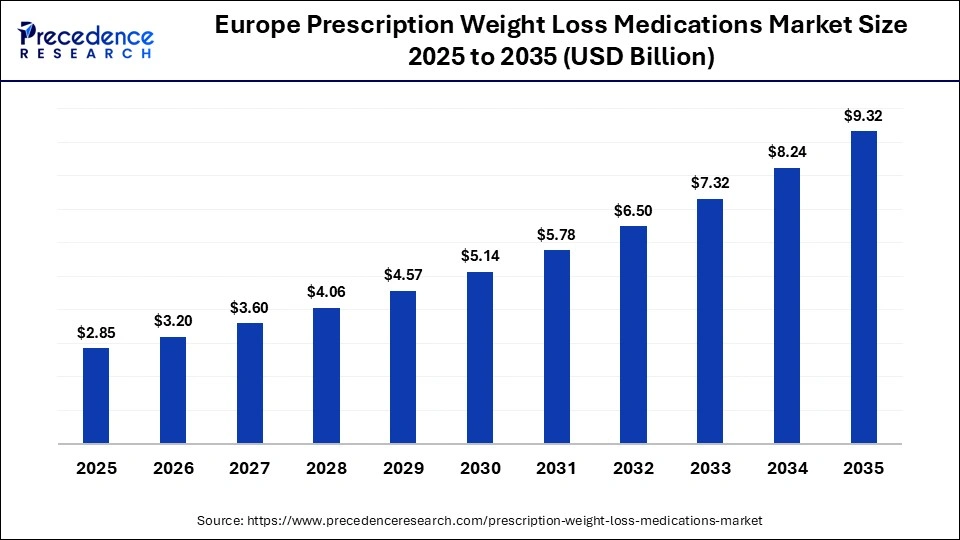
The Europe prescription weight loss medications market size has grown strongly in recent years. It will grow from USD 2.85 billion in 2025 to USD 9.32 billion in 2035, expanding at a compound annual growth rate (CAGR) of 12.59% between 2026 and 2035.
How is the Opportunistic Rise of Europe in the Prescription Weight Loss Medications Market?
Europe is expected to grow at a significant rate in the market, driven by a growing prevalence of obesity and well-established healthcare systems. Increasing regulatory approval of innovative therapies such as GLP-1 receptor agonists is reshaping obesity treatment across the region. Moreover, rising investments by leading pharmaceutical companies in boosting local manufacturing capacity and drug development are improving accessibility and fueling market expansion, while public health initiatives and reimbursement policies further encourage the adoption of prescription weight‑loss drugs.
Who are the Major Players in the Global Prescription Weight Loss Medications Market?
The major players in the prescription weight loss medications market include Novo Nordisk, Eli Lilly and Company, Pfizer Inc., Amgen Inc., GlaxoSmithKline (GSK) plc., AstraZeneca, Rhythm Pharmaceuticals, F. Hoffmann-La Roche Ltd, Currax Pharmaceuticals LLC , Zealand Pharma A/S, and Viking Therapeutics Inc.
Recent Developments
- In August 2025, Danone announced the launch of a drinkable yogurt designed specifically for people who want to lose weight using GLP-1 weight-loss drugs such as Ozempic and Wegovy. Oikos Fusion supports muscle preservation and digestion while losing weight with GLP-1 medications. The product contains 23 grams of protein, 5 grams of prebiotic fiber, and vitamins such as D, B3, and B12. It is also lactose-free and contains no added sugars. Oikos Fusion is available in three flavors, such as strawberry, mixed forest fruit, and vanilla.(Source: https://www.retaildetail.eu)
- In April 2025, Nestle launched a new line of protein-based drinks aimed at supporting people on weight loss journeys, particularly those using GLP-1 medications such as Ozempic. The products, developed using a proprietary whey protein microgel technology, are designed to help regulate appetite, stabilise blood sugar, and preserve muscle mass. The innovation is part of Nestle's strategic focus on weight management and personalised nutrition. Its scientists have filed over 100 patents for whey protein innovations in the past decade, including 11 supporting this latest microgel format.(Source: https://www.newfoodmagazine.com)
Segments Covered in the Report
By Drug Class
- GLP-1 Receptor Agonists
- Semaglutide
- Liraglutide
- Combination Therapies
- Phentermine/Topiramate
- Bupropion/Naltrexone
- Appetite Suppressants/Other Pharmacotherapies
- Emerging/Next-Gen Agents
By Route of Administration
- Injectable Medications
- Oral Medications
By Prescription Type
- Specialist Prescriptions (Endocrinologists / Obesity Specialists)
- General Practitioner Prescriptions
By Indication
- Obesity Management
- Weight Loss with Comorbid Condition (T2D, CVD risk)
By Region
- North America
- Europe
- Asia-Pacific
- Latin America
- Middle East & Africa
For inquiries regarding discounts, bulk purchases, or customization requests, please contact us at sales@precedenceresearch.com
Frequently Asked Questions





Ask For Sample
No cookie-cutter, only authentic analysis – take the 1st step to become a Precedence Research client
 Get a Sample
.webp)



 sales@precedenceresearch.com
 Schedule a Meeting
