



Myocardial Ischemia Market Size, Share and Trends 2026 to 2035
Myocardial Ischemia Market (By Drug Type: Nitroglycerin, Beta Blockers, Calcium Channel Blockers, Others; By Route of Administration: Oral, Parenteral; By Distribution Channel: Hospital Pharmacies, Retail Pharmacies & Drug Stores, Online Pharmacies) - Global Industry Analysis, Size, Trends, Leading Companies, Regional Outlook, and Forecast 2026 to 2035
Source: https://www.precedenceresearch.com/myocardial-ischemia-market
 Get a Sample
 Table Of Content


What is the Myocardial Ischemia Market Size?
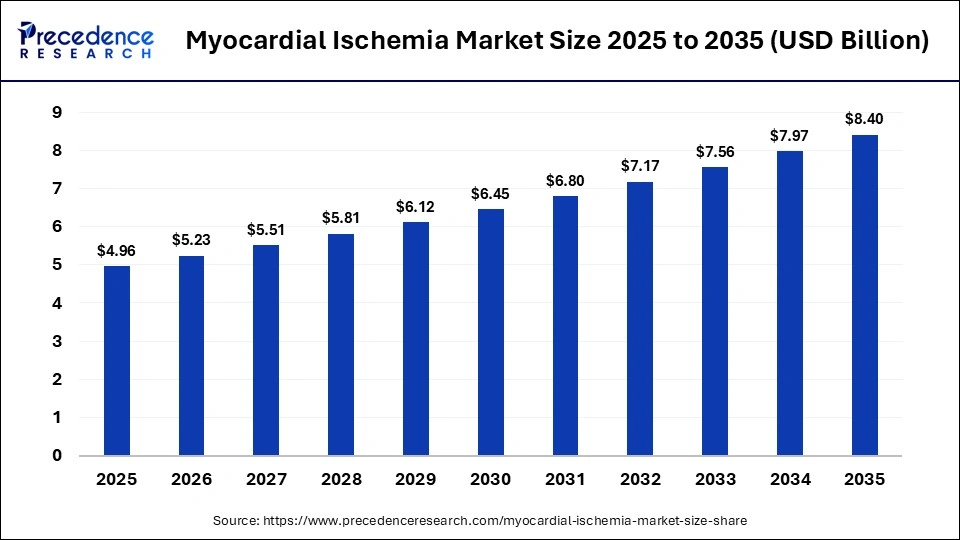
The global myocardial ischemia market size was calculated at USD 4.96 billion in 2025 and is predicted to increase from USD 5.23 billion in 2026 to approximately USD 8.4 billion by 2035, expanding at a CAGR of 5.41% from 2026 to 2035. The market is driven by the rising burden of cardiovascular diseases, an aging population, and increasing adoption of advanced cardiac diagnostic technologies.
Market Highlights
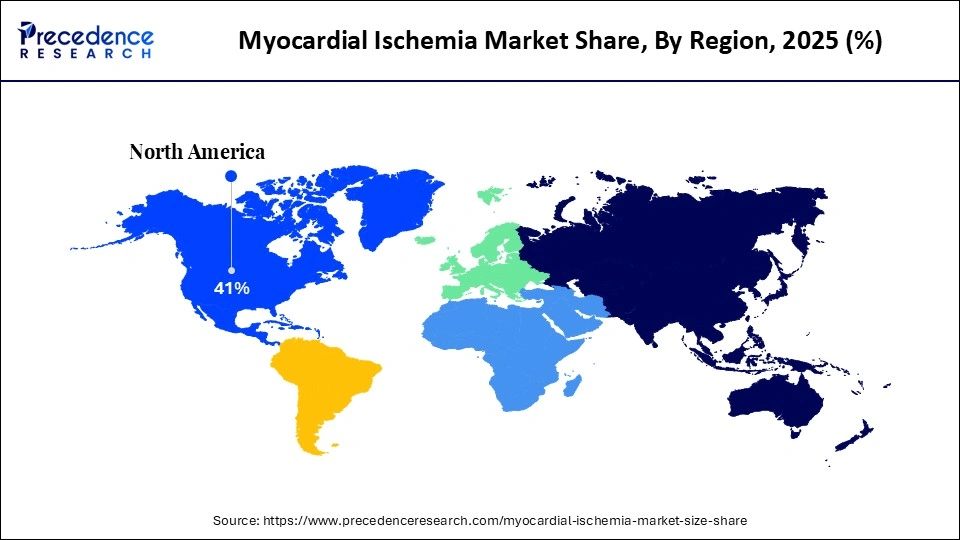
- North America dominated the market with the largest share of 41% in 2025.
- By region, Asia Pacific is expected to grow at the fastest CAGR in the market during the forecast period.
- By drug type, the beta blockers segment held the largest share of the market in 2025.
- By drug type, the calcium channel blockers segment is expected to grow at the fastest CAGR in the market between 2026 and 2035.
- By route of administration, the oral segment held the major market share of 92% in 2025.
- By route of administration, the parenteral segment is expected to grow at the highest CAGR during the studied period.
- By distribution channel, the retail pharmacies & drug stores segment led the global market in 2025.
- By distribution channel, the hospital pharmacies segment is expected to expand at a rapid pace in the market in the coming years.
Market Overview
Myocardial ischemia or decreased blood flow to the heart is a severe cardiovascular disease that may result in heart attacks, arrhythmias, and cardiac complications in the long term. Rising rates of cardiovascular diseases due to sedentary lifestyles, obesity, hypertension, and diabetes are increasing the demand for effective diagnostics and treatments. Advances in technology, including AI-assisted imaging, high-resolution cardiac MRI, CT scans, and minimally invasive procedures, are improving diagnostic accuracy and treatment efficacy. Additionally, expanding hospital facilities, dedicated cardiac care centers, supportive government programs, insurance coverage, and reimbursement policies are enhancing patient access and driving market growth.
How is AI Integration Influencing the Myocardial Ischemia Market?
The myocardial ischemia market is undergoing a significant transformation due to the integration of AI, enabling faster, more accurate, and efficient diagnosis and treatment planning. AI-based imaging tools enhance the interpretation of CT scans, MRI, and echocardiography, enabling the timely detection of reduced blood flow and myocardial damage. Routine clinical tasks, such as report generation and image analysis, are being automated, reducing physician workload and speeding up diagnoses. Additionally, AI-driven decision-support systems provide personalized treatment recommendations by analyzing patient data, improving therapy selection and outcomes. As digital health adoption in hospitals continues to grow, AI integration is becoming increasingly central to effective case detection and management.
Myocardial Ischemia Market Trends
- The increased use of AI-powered cardiac imaging and decision-support systems is enhancing the early detection, risk assessment, and efficiency of clinical workflows to help physicians detect myocardial ischemia earlier and promptly start a tailored treatment regimen across the healthcare systems.
- Growth in ambulatory care facilities and outpatient cardiology care is enhancing the availability of diagnostic testing and interventional services, decreasing hospital workload, and supporting the cost-effective approach to management of myocardial ischemia in urban and semi-urban areas.
- The increased investment in cardiac research and clinical trials has increased the rate of novel biomarkers, precision medicines, and combination therapies, which have optimized treatment results and have helped in long-term disease management among ischemic heart patients globally.
- A combination of wearable cardiac monitoring systems and remote patient care systems is facilitating round-the-clock monitoring of heart health, enhancing compliance with therapy, and providing early intervention to patients at high-risk of myocardial ischemia.
The increasing development of healthcare infrastructure in the emerging economies is intensifying access to more sophisticated cardiac care, diagnostic devices, and expertise in endorsing more myocardial ischemia management solutions in the market.
Market Scope
| Report Coverage | Details |
| Market Size in 2025 | USD 4.96 Billion |
| Market Size in 2026 | USD 5.23 Billion |
| Market Size by 2035 | USD 8.4 Billion |
| Market Growth Rate from 2026 to 2035 | CAGR of 5.41% |
| Dominating Region | North America |
| Fastest Growing Region | Asia Pacific |
| Base Year | 2025 |
| Forecast Period | 2026 to 2035 |
| Segments Covered | Drug Type, Route of Administration, By Distribution, and region |
| Regions Covered | North America, Europe, Asia-Pacific, Latin America, and Middle East & Africa |
Segment Insights
Drug Type Insights
How Does the Beta Blockers Segment Hold a Major Market Share?
The beta blockers segment dominated the myocardial ischemia market while holding a major share in 2025. This is because beta blockers directly address ischemic conditions by slowing heart rate, lowering blood pressure, and reducing myocardial oxygen consumption. They are included in key treatment guidelines and recommended for patients with hypertension, arrhythmias, or a history of myocardial infarction, reinforcing their primary role in therapy. Widespread accessibility, affordability of generic formulations, predictable pharmacokinetics, safety, and long-term efficacy make beta blockers a preferred first-line treatment for both acute and chronic management of myocardial ischemia.
The calcium channel blockers segment is expected to grow at the fastest CAGR in the market during the projection period. The growth of the segment is driven by rising adoption of calcium channel blockers as an alternative to beta blockers, particularly for patients with comorbidities such as hypertension, diabetes, or vascular conditions. Advances in drug formulations, including sustained-release and combination therapies, have improved patient compliance and treatment outcomes. Growing global healthcare access, increased physician awareness, and rising prevalence of cardiovascular diseases are driving adoption. Additionally, the emphasis on individualized therapy and supportive reimbursement policies in several regions further boosts the segment's growth.
Route of Administration Insights
What Made Oral the Leading Segment in the Myocardial Ischemia Market?
The oral segment led the global market with the largest share in 2025 because it is convenient and available, and can be used in the long-term. Oral medications enable patients to treat chronic ischemic conditions in their own homes or in outpatient environments with limited medical supervision, and this greatly enhances adherence. Beta blockers and calcium channel blockers are the most commonly used drugs for managing myocardial ischemia, and all are available in oral formulations. Widespread availability through retail pharmacies and drug stores ensures a continuous supply, allowing patients to refill prescriptions without hospital visits. Oral formulations are generally more affordable than parenteral options, making them accessible to a broader population.
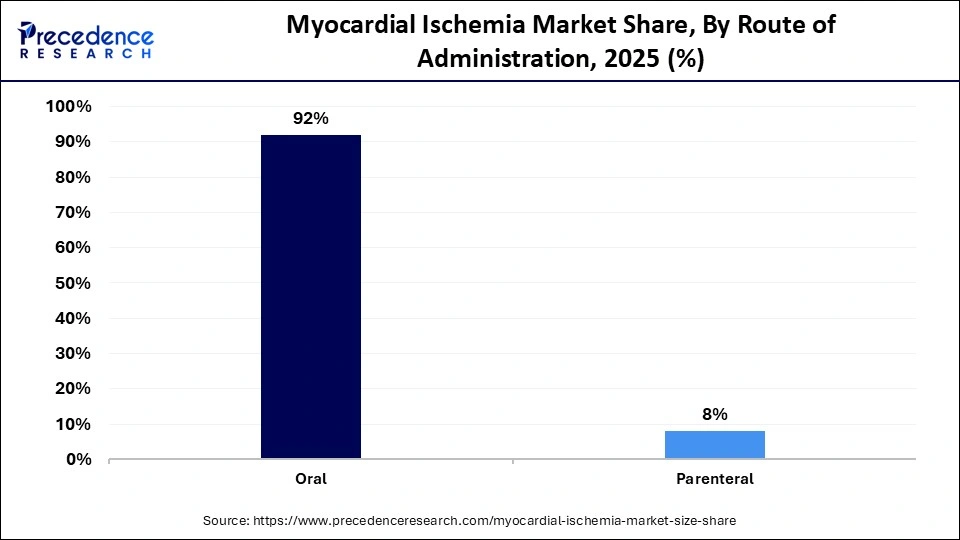
The parenteral segment is expected to grow at the highest CAGR in the upcoming period, driven by its critical role in acute myocardial ischemia and hospital-based procedures requiring rapid action and precise dosing. Growth is supported by expanding hospital facilities, rising cardiovascular emergencies, and adherence to acute treatment guidelines. Increased availability of intravenous and injectable therapies, along with improved healthcare access in emerging markets, further accelerates adoption. As healthcare systems focus on effective management of acute cardiac events, parenteral therapies are increasingly used alongside oral treatments for rapid patient support.
Distribution Channel Insights
Why Did the Retail Pharmacies & Drug Stores Segment Dominate the Myocardial Ischemia Market?
The retail pharmacies & drug stores segment registered dominance in the market in 2025. This is because these dispensaries enable the patients to access prescription drugs without being hospitalized, especially when dealing with chronic diseases such as myocardial ischemia that necessitate long-term compliance. These outlets support patient compliance through counseling, prescription management, and refill services. Partnerships with pharmaceutical companies ensure a steady supply of branded and generic drugs, making treatment accessible and affordable. The widespread presence of retail pharmacies in urban and semi-urban areas, combined with their patient-oriented services, reinforces their preference among physicians and patients, maintaining their market dominance.
The hospital pharmacies segment is expected to expand at the fastest rate in the market over the forecast period. The growth of the segment is driven by the urgent need to treat acute and high-risk myocardial ischemia with parenteral drugs, targeted therapies, and combination treatments. Growth is supported by expanding hospital infrastructure, particularly in emerging markets, and the rising incidence of severe cardiovascular events. Increased focus on patient safety, adherence monitoring, and in-hospital management further boosts demand for hospital-based pharmaceutical services. As healthcare systems continue to strengthen acute care capabilities and prioritize high-quality treatment delivery, the hospital pharmacies segment is poised for rapid growth.
Region Insights
How Big is the North America Myocardial Ischemia Market Size?
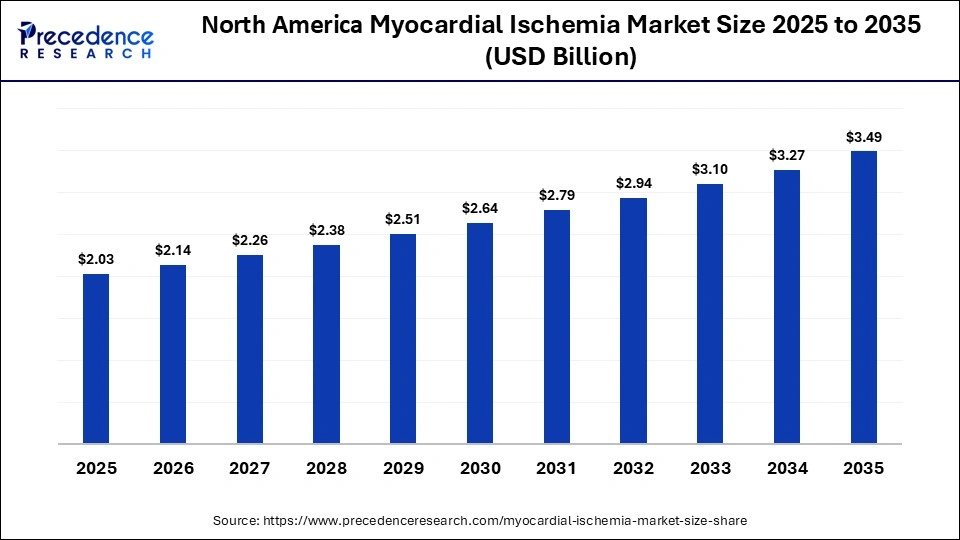
The North America myocardial ischemia market size is estimated at USD 2.03 billion in 2025 and is projected to reach approximately USD 3.49 billion by 2035, with a 5.57% CAGR from 2026 to 2035.
What Made North America the Dominant Region in the Myocardial Ischemia Market?
North America dominated the myocardial ischemia market by capturing the largest share in 2025. The region's dominance in the market is attributed to its well-organized healthcare network, high prevalence of cardiovascular diseases, and the high demand for early detection and treatment technologies. Supportive government and private insurance reimbursement policies encourage routine screening, early diagnosis, and long-term disease management. Market growth is further driven by widespread access to interventional cardiology procedures, innovative drug therapies, and advanced digital health solutions. Continuous clinical research and AI-based diagnostic tools are also enhancing the accuracy of detection and treatment planning in the region.
What is the Size of the U.S. Myocardial Ischemia Market?
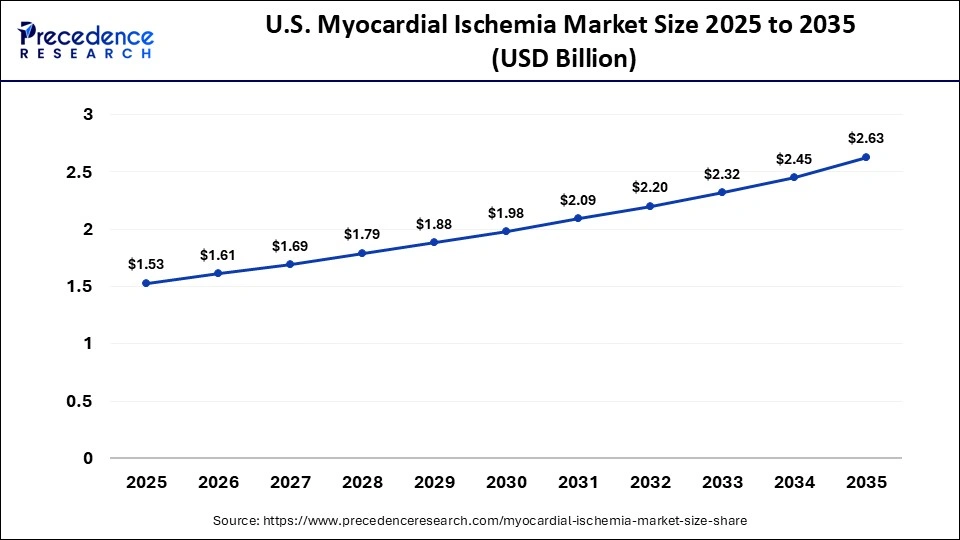
The U.S. myocardial ischemia market size is calculated at USD 1.53 billion in 2025 and is expected to reach nearly USD 2.63 billion in 2035, accelerating at a strong CAGR of 6.00% between 2026 and 2035.
U.S Myocardial Ischemia Market Analysis
The U.S. leads in adopting advanced diagnostic technologies, including AI-based ECG analysis, high-resolution cardiac imaging, and cardiac monitoring devices. The strong presence of major pharmaceutical and medical device companies facilitates the commercialization of new drugs, stents, and minimally invasive treatments. Early regulatory approvals and robust clinical trial activity accelerate the integration of innovative therapies into clinical practice. Additionally, high healthcare spending, widespread insurance coverage, and well-developed cardiac care networks ensure patients have stable access to diagnostic and therapeutic services. All these factors contribute to market growth in the U.S.
Why is Asia Pacific Considered the Fastest-Growing Region in the Myocardial Ischemia Market?
Asia Pacific is expected to grow at the fastest CAGR during the forecast period, driven by an aging population, rising prevalence of lifestyle-related cardiac disorders, and improved access to healthcare services. Rapid urbanization, sedentary lifestyles, smoking, and dietary changes have significantly increased the incidence of coronary artery disease in major economies such as China, India, and Japan. Governments are expanding healthcare insurance, upgrading hospital infrastructure, and implementing large-scale cardiovascular screening and prevention programs to reduce mortality. Growing awareness of early diagnosis and preventive cardiology among the middle-income population is further boosting demand for stress testing, cardiac imaging, and biomarker-based diagnostics.
India Myocardial Ischemia Market
The India myocardial ischemia market is expanding rapidly as cardiovascular diseases continue to rise across the country. The alarming rise in diabetes and hypertension is driving India's myocardial ischemia market. The increasing adoption of minimally invasive and AI-assisted cardiac care technologies is shaping the market. Government healthcare programs and rising awareness campaigns are helping improve early screening and treatment accessibility. The country has a growing number of multispecialty hospitals and private healthcare chains investing in modern cardiology, influencing the market.
China Myocardial Ischemia Market Trends
China is a major player in the Asia Pacific myocardial ischemia market due to its large patient population and emerging healthcare sector. An aging population, urban lifestyles, and rising rates of diabetes and hypertension have sharply increased cardiovascular disease prevalence. Government healthcare reforms have expanded hospital infrastructure, insurance coverage, and access to advanced cardiac diagnostics in urban and semi-urban areas. Additionally, significant investments in medical device manufacturing and digital health platforms are making ECG systems, cardiac imaging equipment, and AI-based diagnostic solutions more accessible and affordable.
How is the Opportunistic Rise of Europe in the Market?
Europe is expected to grow at a significant rate in the myocardial ischemia market due to its advanced healthcare infrastructure, high awareness of cardiovascular diseases, and strong emphasis on early diagnosis and preventive cardiology. The region benefits from well-established reimbursement policies, widespread adoption of AI-based diagnostics, and integration of digital health solutions in clinical practice. Growing investments in research, clinical trials, and innovative therapies, such as minimally invasive interventions and combination drug regimens, are further driving market expansion. Additionally, an aging population and the rising prevalence of lifestyle-related cardiac disorders create sustained demand for effective diagnostics and treatment solutions across Europe.
Italy Myocardial Ischemia Market
The Italy myocardial ischemia market is steadily growing as cardiovascular diseases continue to remain one of the leading health concerns across the country. The country has a well-established healthcare system with advanced cardiology infrastructure, reshaping the market. The country's aging population is one of the leading growth factors of the market. growing burden of diabetes, hypertension and obesity is increasing demand for long-term cardiovascular management services. The increasing adoption of minimally invasive cardiac procedures and advanced cardiovascular technologies is shaping the market.
Germany Market Trends
There is an accelerated movement toward the use of imaging, such as coronary CT angiography and cardiac MRI, to predict heart disease without procedures. The use of coronary CT angiography, as an imaging modality to evaluate risks, is becoming much more common. In addition, improved emergency care in hospitals is ensuring heart attacks are diagnosed much earlier, and there is a rise in concern over microvascular angina and how to best manage and diagnose these small blood vessel-related cardiac symptoms.
How is the Middle East and Africa Performing in The Myocardial Ischemia Market?
The Middle East and Africa are expected to grow at a significant CAGR during the forecast period. This region has a remarkably high burden of heart disease. Contributing to this are lifestyle factors, including an unhealthy diet and smoking, in addition to low rates of diagnosis, thus emphasizing the need for preventative measures. Efforts to provide early screening, promote awareness, and implement better preventive programs will reduce the disease rate significantly.
Saudi Arabia Market Trends
Newer technologies, such as AI, are becoming commonplace for early recognition of heart attacks, assisting physicians in the care processes. Development of more cutting-edge cardiac care centers is widespread and growing, alongside the increased use of medicines to reduce risk and manage cardiovascular disease more efficiently and safely for a more comprehensive system.
What Are the Driving Factors of The Myocardial Ischemia Market in Latin America?
Latin America is expected to grow at a significant CAGR during the forecast period. Heart disease continues to rise in Latin America, in large part due to unhealthy lifestyles that include an unhealthy diet and increasing obesity rates. Treatment in these locations is often restricted, with access to more complex and advanced treatments limited in many regions, especially in more isolated communities. The need to expand access to care, improve diet and fitness, and advance the system for better early diagnosis remains a priority to decrease mortalities.
Mexico Myocardial Ischemia Market
The Mexico myocardial ischemia market is growing steadily as cardiovascular diseases continue to remain one of the leading causes of death across the country. The country's rapidly aging population and growing urbanization are contributing to the increasing burden of heart-related disorders. Higher healthcare spending and stronger private insurance are supporting demand for advanced cardiac care services. The growing burden of diabetes and obesity is shaping the country's myocardial ischemia market.
Brazil Market Trends
Access to cardiac treatment has increased due to an increase in the number of facilities and hospitals providing the necessary advanced procedures for emergent care. The public health system is improving its focus on conditions like hypertension and diabetes to reduce mortality. Additionally, increasing utilization of telehealth is helping doctors manage and guide cardiac treatment remotely from other locations.
Competitive Landscape
The global myocardial ischemia market is highly competitive. The pharmaceutical companies, medical device manufacturers and healthcare technology providers are continuously focusing on innovation and advanced cardiovascular care solutions. The market is dominated by major players such as Medtronic, Abbott, Boston Scientific, Pfizer and Johnson & Johnson through strong product portfolios, extensive distribution networks and ongoing investments in cardiac diagnostics and minimally invasive treatment technologies.
The companies are competing around advanced imaging systems, AI-powered diagnostic tools, drug-eluting stents, remote cardiac monitoring devices and personalized treatment approach. However, strict regulatory requirements, high treatment costs and limited healthcare accessibility in developing regions continue to remain major challenges across the market.
Who are the Major Players in the Global Myocardial Ischemia Market?
The major players in the myocardial ischemia market include Pfizer, Novartis, AstraZeneca, Boston Scientific, Johnson & Johnson, Boehringer Ingelheim, Daiichi Sankyo, Merck, Edwards Lifesciences, Bayer
Recent Developments
- In November 2025, Amgen reported that its Phase 3 VESALIUS-CV trial results revealed that Repatha (evolocumab) had a significant impact on major adverse cardiovascular event reduction, such as a 25 per cent decrease in first major events and a 36 per cent decrease in heart attacks among high-risk adults. This historic outcome makes Repatha the first PCSK9 inhibitor to exhibit a certain cardiovascular advantage in primary preventive clinical settings. (Source: https://www.amgen.com)
- In October 2025, Merck announced new data at the AHA Scientific Sessions 2025 on its oral investigational PCSK9 inhibitor enlicitide decanoate, indicating statistically significant and clinically meaningful LDL-C reductions of approximately 59 percent over placebo in Phase 3 trials. The effectiveness of oral therapy indicates a possible paradigm change in the management of lipid-lowering therapy because the efficacy of oral therapy can be chosen as an effective daily oral pill against hypercholesterolemia and cardiovascular risk. (Source: https://www.merck.com)
- In June 2025, Indoco Remedies launched Ticagrelor 90 mg film-coated tablet in the UK, which was indicated to prevent heart attack risk, stroke, or other MI-related vascular accidents in patients who had a heart attack. This introduction increases the availability of antiplatelet therapy and emphasizes the work of Indoco in the field of cardiovascular care in the area.
Segments Covered in the Report
By Drug Type
- Nitroglycerin
- Beta Blockers
- Calcium Channel Blockers
- Others
By Route of Administration
- Oral
- Parenteral
By Distribution Channel
- Hospital Pharmacies
- Retail Pharmacies & Drug Stores
- Online Pharmacies
By Region
- North America
- Europe
- Asia-Pacific
- Latin America
- Middle East & Africa
For inquiries regarding discounts, bulk purchases, or customization requests, please contact us at sales@precedenceresearch.com
Frequently Asked Questions
Tags





Ask For Sample
No cookie-cutter, only authentic analysis – take the 1st step to become a Precedence Research client
 Get a Sample



 sales@precedenceresearch.com
 Schedule a Meeting
