



Patients Deserve Stronger Regulatory Protection as Oral Semaglutide Launches
Published: 24 Jul 2026
Author: Gautam mahajan



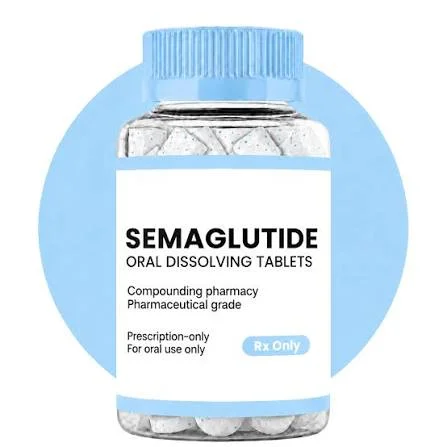
In July 2026, following the introduction of oral semaglutide, the first oral GLP-1 receptor agonist for the treatment of type 2 diabetes, medical experts from the Pharmaceutical Journal stressed the need for a more robust regulatory structure to safeguard people. The editorial emphasized that even while novel medications have substantial clinical advantages, regulators must make sure that patient safety is always the top concern by conducting thorough evidence reviews, communicating openly, and conducting ongoing post-market surveillance.
According to the perspective, the significance of efficient pharmacovigilance systems has increased due to the quick uptake of GLP-1 medications. Adverse event reporting should be strengthened, prescribing guidelines should be improved, and patients should be given clear information about potential risks and benefits. Maintaining public confidence through a strong regulatory framework will be crucial to guaranteeing the safe and responsible use of these treatments as the demand for oral semaglutide keeps rising.
The announcement also emphasizes how important it is for healthcare institutions to strike a balance between patient safety and pharmaceutical innovation. To establish long-term safety outcomes and encourage broader access to successful diabetic medications, experts feel that ongoing regulatory oversight and real-world evidence collection will be essential.
Impact on the Healthcare Industry
According to Precedence Research, healthcare systems are strengthening patient safety programs, pharmacovigilance, and regulatory supervision because of the growing use of novel treatments for chronic illnesses. The introduction of oral semaglutide emphasizes how crucial it is to strike a balance between pharmaceutical innovation and strict regulations to provide patients with safe and efficient care to monitor treatment outcomes and more effectively identify potential safety risks. Healthcare providers are expected to make additional investments in digital health technology, electronic medical records, and real-world evidence platforms.
It is anticipated that increased cooperation between regulatory bodies, medical practitioners, pharmaceutical corporations, and research institutes will result from the growing usage of GLP-1 receptor agonists. Greater treatment adherence and clinical outcomes are expected to be supported by more post-marketing surveillance, greater patient education, and open safety communications. Healthcare organizations are required to focus on patient-centric regulatory processes that boost public confidence and enhance overall care quality as novel medications continue to enter the market.
Impact on the Diabetes Drugs Market
The global diabetes drug market size was valued at USD 75.09 billion in 2025, accounted for USD 28.82 billion in 2026, and is expected to reach around USD 138.83 billion by 2035, expanding at a CAGR of 6.34% from 2026 to 2035.
According to Precedence Research, by giving patients a practical substitute for injectable treatments, the introduction of oral semaglutide is expected to hasten the uptake of oral GLP-1 receptor agonists. It is anticipated that the provision of a successful oral treatment alternative will increase drug adherence among qualified patients and give doctors more therapeutic options. To improve their competitiveness in the global diabetes therapeutics market. Pharmaceutical companies are expected to invest more in next-generation diabetic medication combinations, therapies, and enhanced oral formulations.
Long-term market growth is also anticipated to be supported by rising awareness of early diabetes control and individualized treatment strategies. Advanced diabetic drugs are projected to become more widely used in both developed and developing healthcare markets as a result of ongoing clinical research and regulatory approvals for novel treatments.
Impact on the Pharmacovigilance Market
The global pharmacovigilance market size was estimated at USD 10.36 billion in 2025 and is expected to reach over USD 23.92 billion by 2035, poised to grow at a registered CAGR of 8.73% from 2026 to 2035.
According to Precedence Research, globally the demand for sophisticated pharmacovigilance solutions is being driven by the growing introduction of novel medications. The need for ongoing adverse event monitoring, real-world data collection, and thorough risk management throughout a medication lifecycle is reinforced by the increased regulatory focus on oral semaglutide to ensure patient safety and comply with changing worldwide regulatory standards. Pharmaceutical manufacturers are expected to fortify their pharmacovigilance infrastructure.
By facilitating quicker safety signal identification and better regulatory reporting, technological developments like artificial intelligence, machine learning, electronic health records, and big data analytics are expected to revolutionize pharmacovigilance operations. It is anticipated that these developments will promote proactive risk assessment and regulatory decision-making while improving the effectiveness of medication safety monitoring. The pharmacovigilance industry is expected to grow steadily on a global scale as long as regulatory bodies continue to prioritize post-marketing surveillance.
Impact on the Drug Discovery Market
The global drug discovery market size was valued at USD 71.89 billion in 2025 and is predicted to increase from USD 78.51 billion in 2026 to approximately USD 171.36 billion by 2035, expanding at a CAGR of 9.07% from 2026 to 2035.
According to Precedence Research, the worldwide drug discovery market is expected to be impacted by the growing emphasis on patient safety and regulatory transparency, which will push pharmaceutical companies to improve clinical research safety evaluations and evidence gathering throughout the drug development process. The introduction of oral semaglutide and the controversy that followed regarding strict regulatory oversight underscore the increasing significance of producing clinical and practical data both before and following product approval.
To increase the safety and effectiveness of new treatments, pharmaceutical companies are anticipated to invest more in biomarker research, artificial intelligence, sophisticated drug discovery technologies, and predictive analytics. It is expected that increased cooperation between regulators, research institutions, and pharmaceutical companies will spur innovation while guaranteeing that novel medications adhere to strict quality and safety requirements. According to Precedence Research, by encouraging patient-centric innovation and boosting trust in recently created treatments, these advancements are anticipated to support sustained growth in the worldwide drug discovery industry.
About the Pharmaceutical Journal
The Royal Pharmaceutical Society, the professional leadership organization for pharmacists in Great Britain, publishes the Pharmaceutical Journal. The publication was founded in 1841 and provides reliable news, professional opinions, clinical insights, research updates, and policy analysis pertaining to public health, pharmaceutical innovation, pharmacy practice, and medication regulations. By offering evidence-based information on advancements that affect patient care and the safe use of medications, it benefits pharmacists, medical professionals, researchers, regulators, and legislators. The pharmaceutical journal encourages high standards in pharmacy practice and healthcare regulation and supports well-informed decision-making through its independent editorial coverage.