



Swedish Scientists Advance Stem Cell Breakthrough for Type 1 Diabetes
Published: 18 May 2026
Author: Deepa Pandey



In a breakthrough in research in the field of Regenerative Medicine and Cellular Therapy, it has been discovered in Sweden how to improve the process of creating insulin-producing cells from human stem cells. In lab tests, the lab-grown cells have proven to be effective in regulating blood-sugar levels, even reversing diabetes, in mice, with high promise for a treatment in the future, according to the study, which was published in Stem Cell Reports.
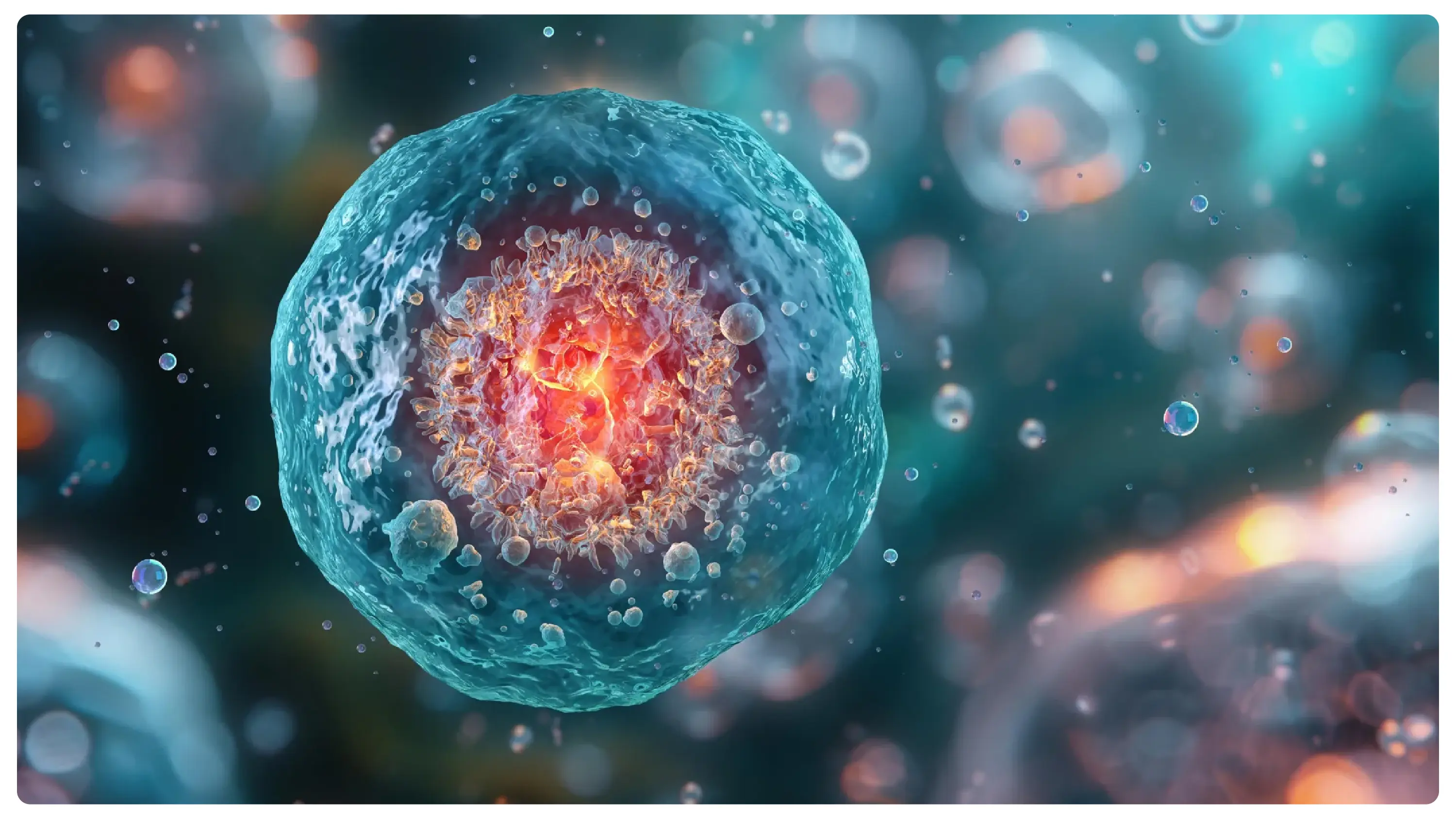
Driving Innovation in Regenerative Diabetes Treatment
The research, carried out by Karolinska Institutet and KTH Royal Institute of Technology, makes it more consistent and useful to use insulin-producing cells created from several different human stem cell lines. Type 1 diabetes is a disease in which the insulin-producing cells of the pancreas are destroyed by the body's immune system, so glucose is not controlled. The new method is designed to mature the cells in three dimensions, turn off the unwanted cell types, and boost the cells' responsiveness to glucose.
Early research showed no fluctuations in blood glucose levels, and cells improved for a few months after transplanting. This is because they believe that it could help them develop treatments that are tailored to individual patients and reduce the chance of immune rejection. It also overcomes major difficulties found with some previous stem cell approaches that bring regenerative therapies closer to the clinic.
According to Precedence Research, the Hematopoietic Stem Cell Transplantation Market size was calculated at USD 10.10 billion in 2025 and is predicted to increase from USD 12.89 billion in 2026 to approximately USD 115.57 billion by 2035, expanding at a CAGR of 27.60% from 2026 to 2035, driven by increasing hematologic diseases and technological improvements in stem cell therapies.
Future Outlook for Stem Cell-Based Diabetes Therapies
This represents a big stride towards finding individualised stem cell therapies to manage type 1 diabetes that are scalable to a large patient population. The technology is planned to be further developed and advanced to human clinical trials with the goal of making the technology even safer, uniform, and long-lasting in humans. Progress and continued development of stem cells, the compatibility of their immune systems, and procedures for transplantations are thus expected to improve even more in the near future.