



Non-Hodgkin's Lymphoma Therapeutics Market Revenue, Leading Companies, Company Technology / Innovation, Diagnostic Testing Volume, Adoption Rates, Pricing Metrics, Supply Chain Performance, Competitive Positioning, and Industry Trends
Non-Hodgkin's Lymphoma Therapeutics Market (By Therapy Type: Radiation Therapy, Chemotherapy, Targeted Therapy, Other; By Cell Type: B Cell, T Cell) - Global Industry Analysis, Size, Trends, Leading Companies, Regional Outlook, and Forecast 2025 to 2034
Source: https://www.precedenceresearch.com/non-hodgkins-lymphoma-therapeutics-market
 Get a Sample
 Table Of Content
What is the Non-Hodgkin's Lymphoma Therapeutics Market Size?
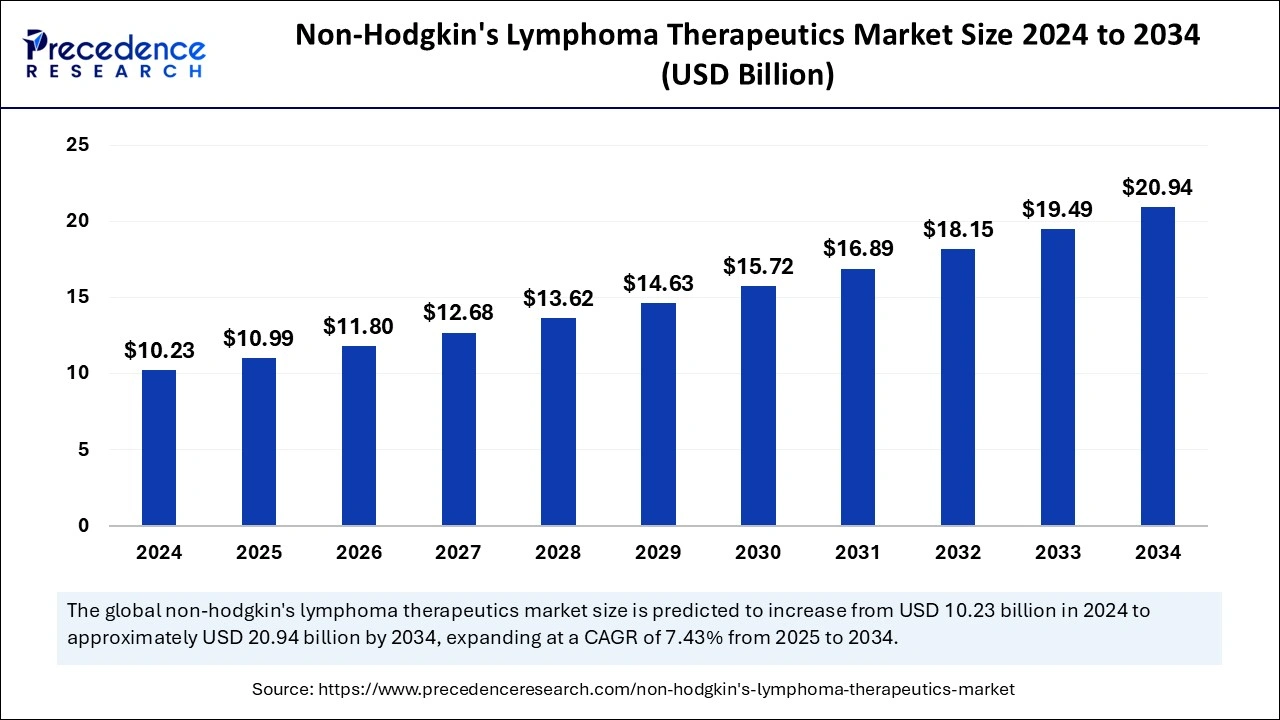
The global non-hodgkin's lymphoma therapeutics market size is accounted at USD 10.99 billion in 2025 and predicted to increase from USD 11.80 billion in 2026 to approximately USD 20.94 billion by 2034, expanding at a CAGR of 7.43% from 2025 to 2034. The market is driven by the increasing incidence rate of non-Hodgkin's Lymphoma, new product development, indication focus on personalized medicine and AI incorporation in diagnosis, governmental encouragement, and enhanced diagnostic tools to investigate early-stage disease.
Non-Hodgkin's Lymphoma Therapeutics Market Key Takeaways
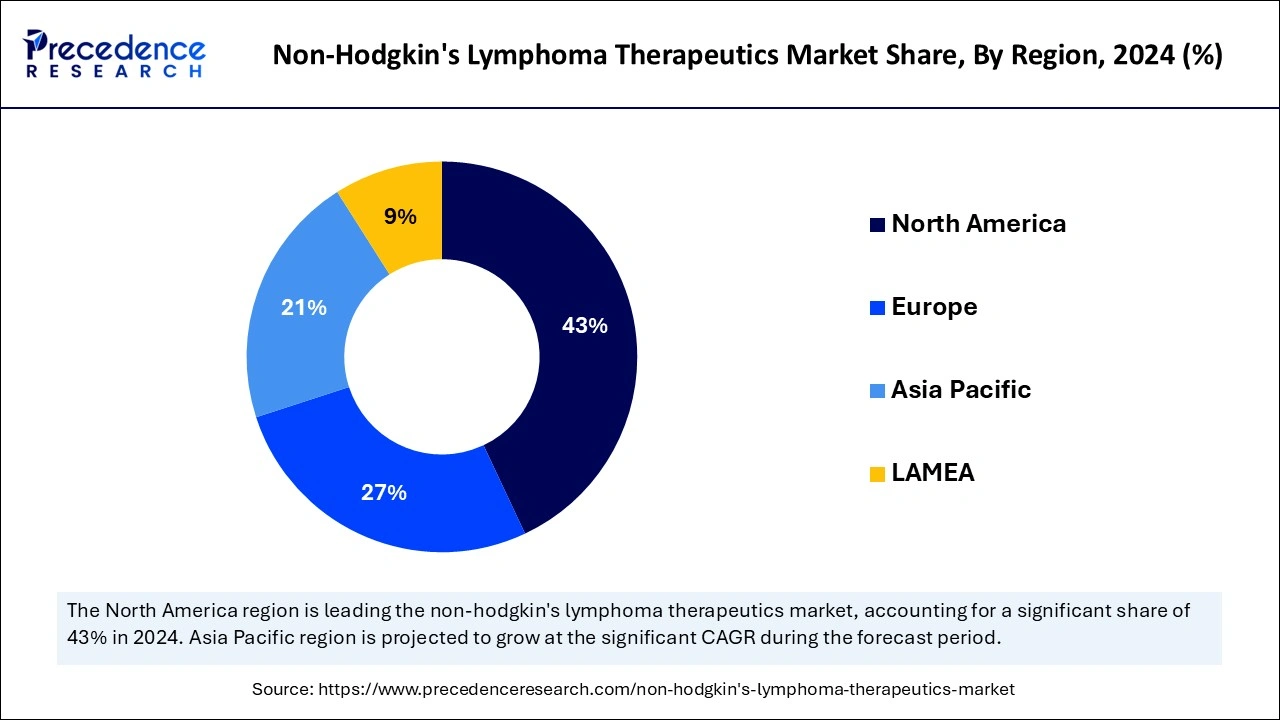
- North America led the non-Hodgkin's lymphoma therapeutics market with the largest market share of 43% in 2024.
- Asia Pacific is expected to grow at a notable CAGR of 7.93% during the forecasted years.
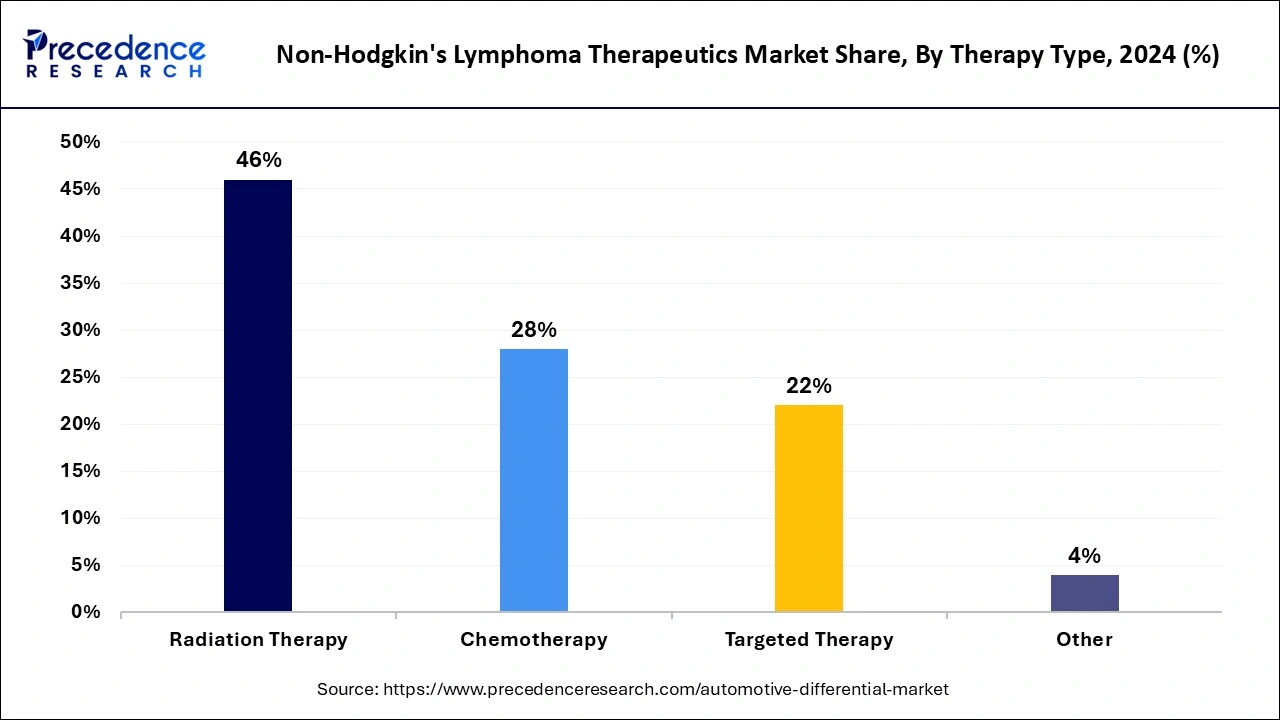
- By therapy type, the radiation therapy segment generated the largest market share of 46% in 2024.
- By therapy type, the chemotherapy segment is projected to witness the fastest growth during the forecast period.
- By cell type, the B-cell segment has held a major market share of 61% in 2024.
- By cell type, the T-cell segment is projected to witness the fastest growth during the forecast period.
Artificial Intelligence (AI) Integration in the Non-Hodgkin's Lymphoma Management
The implementation of artificial intelligence in the non-Hodgkin's lymphoma therapeutics market is shifting diagnosis, treatment planning, and drug discovery processes in this segment. Genomic, clinical, and imaging data provide knowledge input into the predictive modeling process of analyzing patterns and the efficacy of the treatment to produce more effective diagnosis and treatment procedures. AI predicts treatment responses and speeds up drug discovery, is revolutionizing NHL therapeutics, and has enlarged treatment potential through enhanced diagnostics.
NHL has variations in the genetic mutations and molecular subtypes of drugs, and using AI assistance, individuals can find the specific medication that will improve their quality of life. Moreover, it also contributes to the identification of new compounds, which can be potentially effective for the specific subtypes of NHL more effectively than it can be done using regular approaches.
Market Overview
Non-Hodgkin's lymphoma (NHL) is a type of cancer that begins in lymphocytes, the white blood cells essential to the immune system of the body. The non-Hodgkin's lymphoma therapeutics market encompasses a range of treatments expected to address and potentially eliminate various subtypes of NHL, a type of blood cancer. The potential in this market includes chemotherapy, immunotherapy, targeted therapy, radiation therapy, and stem cell transplants, customized to meet the specific needs of patients based on disease progression and subtype. The need for different treatment options arises from the variety of NHL subtypes and their specific clinical features and responses to therapy.
The non-Hodgkin's lymphoma therapeutics market is projected to grow as a result of the rising number of groundbreaking and innovative advancements anticipated to offer more efficient therapies for non-Hodgkin lymphoma. The rising incidence of non-Hodgkin lymphoma is expected to fuel market expansion. Additionally, there is an increasing market demand for affordable and easily accessible therapeutic products. The increasing demand for treatments that ensure both clinical efficacy and cost-effectiveness for patients drives further expansion in the market.
Non-Hodgkin's Lymphoma Therapeutics Market Growth Factors
- Increasing incidence of NHL: The global incidence of NHL is increasing every year because of factors such as increasing life expectance and alterations in lifestyle causing the need for those therapies thereby boosting the non-Hodgkin's lymphoma therapeutics market.
- Advances in targeted therapies: Novel target therapy, and immunotherapies are expanding treatment options and minimizing side effects, making the market grow.
- Personalized medicine trends: Customized medical care is primarily based on patients' genes and tumor markers specifying NHL treatments.
- Growing research and clinical trials: Rising spending on research and development, coupled with the enlargement of clinical trials for new drugs and therapies for NHL, are fostering innovations in this market.
- Government initiatives and funding: The rise in investments in cancer research and government encouragement for the development of new therapeutic therapies that are extending application in treating the NHL are the major drivers to the growth of this market.
Market Scope
| Report Coverage | Details |
| Market Size by 2026 | USD 11.80 Billion |
| Market Size in 2025 | USD 10.99 Billion |
| Market Size in 2034 | USD 20.94 Billion |
| Market Growth Rate from 2026 to 2034 | CAGR of 7.43% |
| Dominating Region | North America |
| Fastest Growing Region | Asia Pacific |
| Base Year | 2025 |
| Forecast Period | 2026 to 2034 |
| Segments Covered | Therapy Type, Cell Type, and Regions |
| Regions Covered | North America, Europe, Asia-Pacific, Latin America, and the Middle East & Africa |
Market Dynamics
Drivers
High occurrence of non-Hodgkin lymphomas
The non-Hodgkin's lymphoma therapeutics market is expanding quickly because of the increase in NHL cases globally. This trend is propelled by multiple factors, including an aging demographic, environmental influences, and shifts in lifestyle behaviors like smoking and obesity. The main factors influencing this market for non-Hodgkin lymphoma treatment are the ongoing trends showing an increased occurrence of nearly all cancer types, including various forms of non-Hodgkin lymphoma. Improved and beneficial clinical results frequently arise from the use of effective and innovative non-Hodgkin lymphoma therapeutic agents.
- The National Library of Medicine states that the lifetime risk for non-Hodgkin lymphoma is 1:44 among men and 1:52 among women, making this malignancy the 6th most common cancer in the United States.
Restraint
High cost of approved therapeutics in emerging countries
Discovery of new drugs for non-Hodgkin lymphoma is a lengthy and expensive procedure as it involves extensive phases of research and testing. The expenses of synthesizing new chemical compounds, identifying new disease targets, conducting clinical trials, and receiving approval for new drugs from regulatory agencies are significant.
One of the biggest challenges that has been observed in the non-Hodgkin's lymphoma therapeutics market is the high costs associated with some types of treatment like immunotherapies. Additionally, the failure rates in clinical trials are high, leading to significant financial risks for pharmaceutical companies.
Opportunity
Rising demand for personalized medicine
The increasing demand for personalized medication presents a significant opportunity for the non-Hodgkin's lymphoma therapeutics market. The growing knowledge of the genetic alterations associated with NHL has led to the creation of personalized therapies aimed at particular mutations and molecular subtypes, thus improving treatment effectiveness and minimizing side effects.
Tailored medicines created for patient genes or tumor-specific biomarkers help the treatment work well with fewer side effects. Modern molecular testing helps doctors find the best drug targets in each patient and select treatments that work better. Many treatment centers now employ companion diagnostics in NHL to find better therapies based on specific molecular markers that help doctors develop more precise medicines.
Therapy Type Insights
The radiation therapy segment noted the largest non-Hodgkin's lymphoma therapeutics market share in 2024. Radiotherapy (RT) is important in the management of NHL and remains the most powerful therapeutic intervention for aggressive subtypes of NHL. Radiation therapy is a treatment protocol for non-Hodgkin lymphoma (NHL) that employs the use of high-energy rays or particles to penetrate and kill cancer cells. Radiation therapy can be combined with other treatment types like chemotherapy and immunotherapy to make the treatment effective. In intensity-modulated radiation therapy (IMRT) and image-guided radiation therapy (IGRT), enhancements have been made in the therapy radiation technologies to ensure the accurate delivery of the treatment. This can lead to effective targeting of the tumor with less damage to the other parts of the body.
- In October 2024, Aster completed IOeRT first in India successfully which is an invasive intraoperative technique, mostly for cancer in India. The hospital provides care by a competent team of surgeons, radiation oncologists as well as other employees, extreme care is taken in delivering patient-centered care by availing the best equipment together with compassion.
The chemotherapy segment is projected to witness the fastest growth during the forecast period. Chemotherapy is widely used in the treatment of NHL, and it entails the use of drugs to eliminate cancer cells. Physicians utilize chemotherapeutic agents as first-line treatments more often than other treatments since diseases tend to be aggressive or metastatic. Chemo drug developers and scientists are working hard to produce better chemotherapy treatments that are effective without as many side effects. Moreover, chemotherapy is based on gene mutations and other conditions of individual patients, thus making chemotherapy regimens more effective and specific.
- In January 2025, Immuneel Therapeutics launched Qartemi, the country's first global CAR T-cell therapy for adult B-cell non-Hodgkin lymphoma (B-NHL). A personalised therapy for adult patients with relapsed or refractory B-NHL, Immuneel addresses a critical gap in India's cancer immunotherapy landscape.
Cell Type Insights
The B-cell segment held the largest non-Hodgkin's lymphoma therapeutics market share in 2024. Non-Hodgkin's lymphoma is a cancer affecting the B cells, which is a sub-type of white blood cells responsible for producing antibodies for the immune system. These include diffuse large B cell lymphoma, follicular lymphomas, mantle cell lymphomas, and others, and they account for a large proportion of the NHL type. Combined with the availability of therapeutic drugs and the outcome of therapies showing efficacy, B cell lymphomas, due to their targeted treatments and therapeutic classifications specific to them.
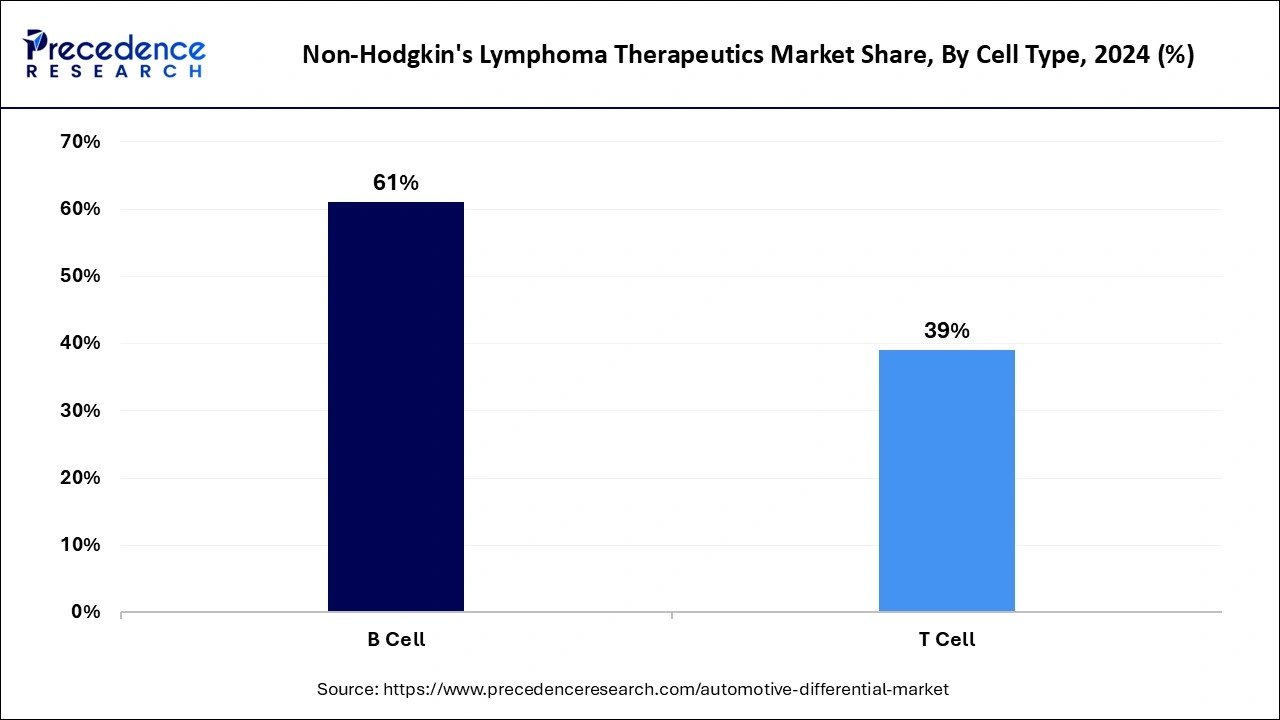
The T-cell segment is projected to witness the fastest growth during the forecast period. Non-Hodgkin lymphoma (NHL) T-cell lymphomas are a rare type of cancer that originates in T cells, a white blood cell that protects the body from foreign substances. Allogeneic stem cell transplantation is used to replace impaired or malignant stem cells in T-cell lymphoma treatment. It can provide an opportunity for possible treatment for some of the patients. Chemotherapy agents are combined with other targeted therapies or immunotherapies to enhance the treatment benefits.
Regional Insights
U.S. Non-Hodgkin's Lymphoma Therapeutics Market Size and Growth 2025 to 2034
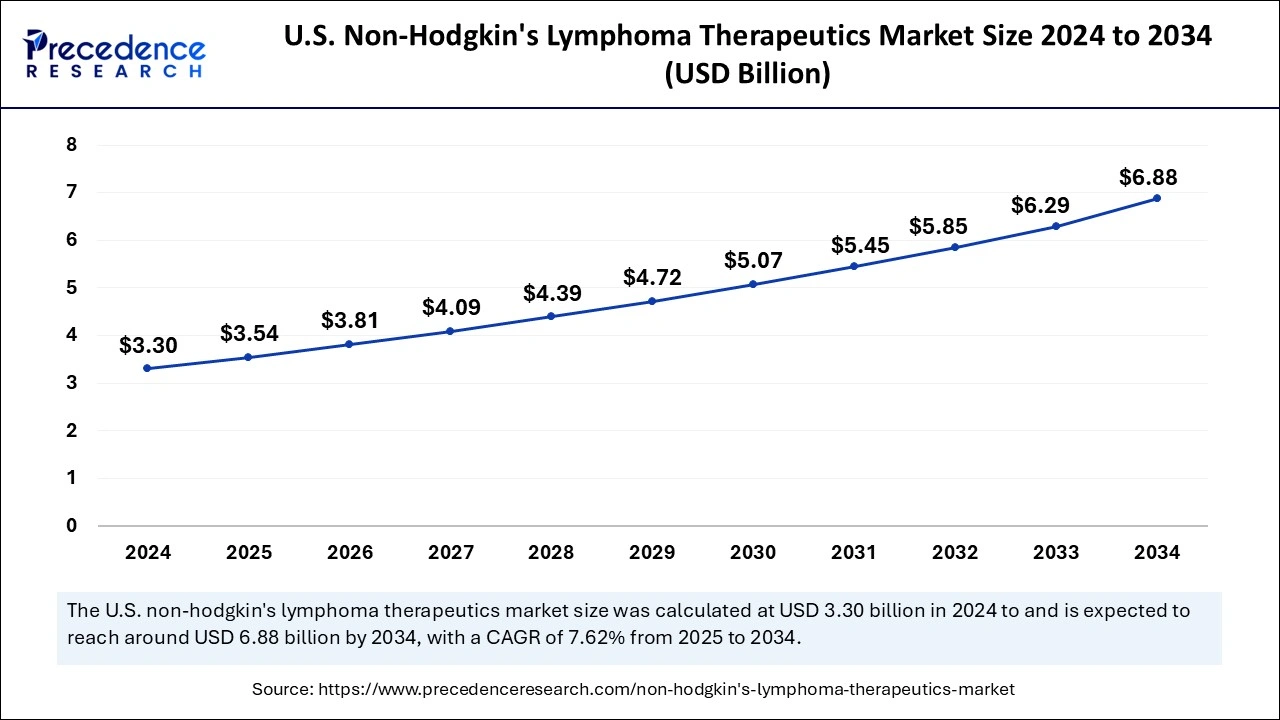
The U.S. non-hodgkin's lymphoma therapeutics market size is exhibited at USD 3.81 billion in 2026 and is projected to be worth around USD 6.88 billion by 2034, growing at a CAGR of 7.62% from 2025 to 2034.
North America accounted for the dominant share of the non-Hodgkin's lymphoma therapeutics market in 2024. North America has well-developed healthcare systems, equipped with the most advanced facilities and legal standards. This allows early detection and holistic management of NHL offering many treatment options and new solutions to patients. The region is home to many pharmaceutical companies, biotechnology organizations, research universities, and medical facilities both conducting and facilitating NHL research.
The strengths include large investment in cancer research, a pharmaceutical sector, and regulatory support that fast-tracks drug approvals. Furthermore, high healthcare expenditure, rising awareness levels about lymphoma along availability of improved treatment facilities also play a key role in giving a strong position in North America for non-Hodgkin's lymphoma therapeutics market.
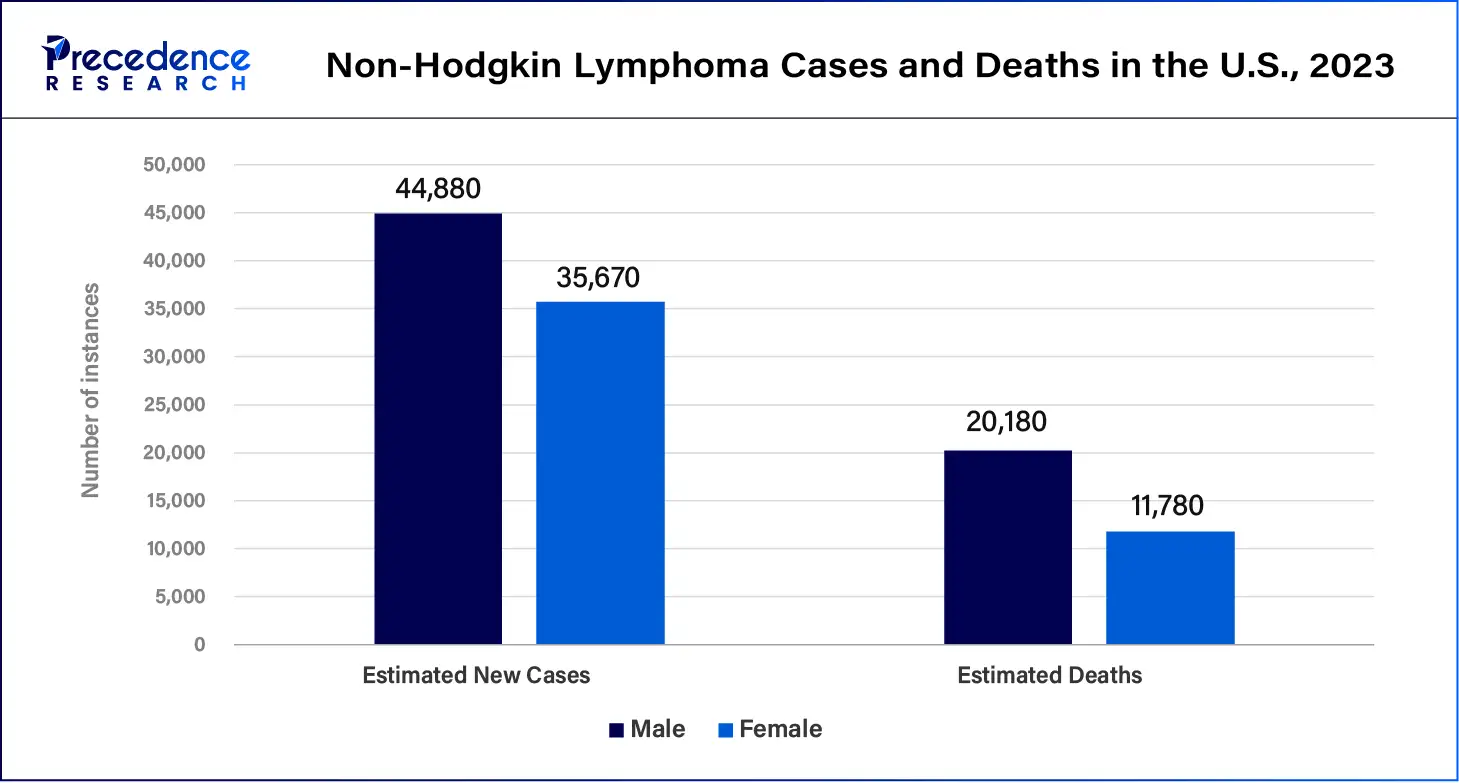
- Based on the American Cancer Society estimates of January 2023, it was determined that approximately 80,550 new cases of non-Hodgkin's Lymphoma will be detected, with males accounting for 44,880 and females 35,670.
Asia Pacific is expected to witness the fastest growth in the non-Hodgkin's lymphoma therapeutics market during the forecasted years. Due to the rising incidence of NHL, the improvement of healthcare systems, the increase in the availability of healthcare facilities, and the awareness of the disease. Moreover, increasing awareness of new technologies in the medical industry and high research and development activities within the region will also help drive the market.
Major countries influencing the Asia Pacific non-Hodgkin's lymphoma therapeutics market include China, Japan, India, South Korea, and Australia. These countries are experiencing rising rates of NHL incidence due to modifiable risk factors like changes in lifestyle, pollution, genetics, and an aging population. A higher growth rate has also been predicted in non-Hodgkin lymphoma therapeutics due to increased access to developed treatments, and partnerships between foreign pharmaceutical firms and Asia Pacific healthcare organizations.
Non-Hodgkin's Lymphoma Therapeutics Market Companies
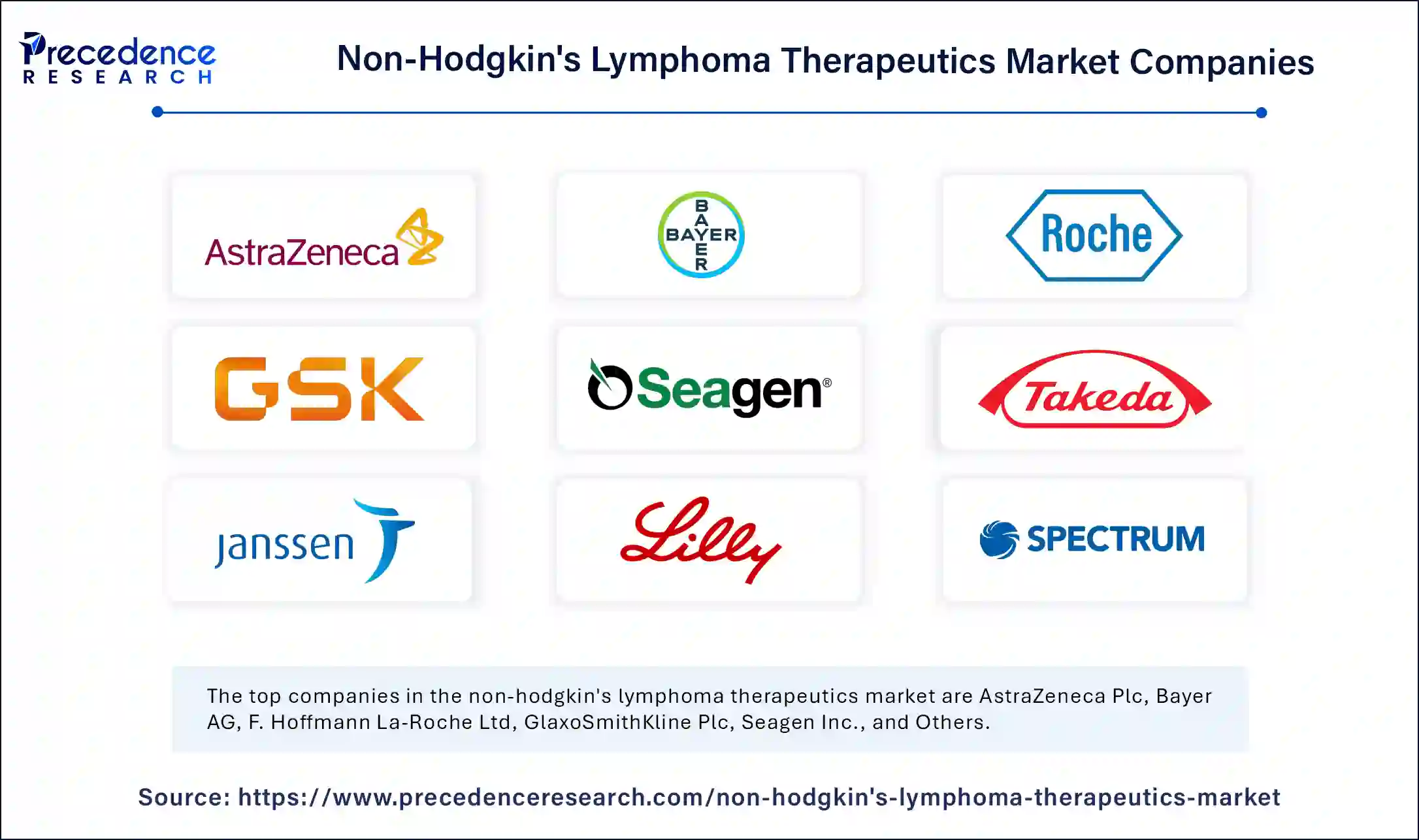
- AstraZeneca Plc
- Bayer AG
- F. Hoffmann La-Roche Ltd
- GlaxoSmithKline Plc
- Seagen Inc.
- Takeda Pharmaceutical Company Limited
- Janssen Pharmaceuticals Inc.
- Eli Lilly
- Spectrum Pharmaceuticals Inc.
Latest Announcement by Industry Leader
- In January 2025, Immuneel introduced Qartemi, a CAR-T therapy for B-cell Non-Hodgkin Lymphoma at the one-tenth cost of the U.S. Co-founder Siddhartha Mukherjee said it was a lifesaving breakthrough.
Recent Developments
- In May 2024, Bristol Myers Squibb received the U.S. Food and Drug Administration (FDA) approval for Breyanzi, a CD19-directed CAR T cell therapy, for adults with relapsed or refractory follicular lymphoma after two or more systemic therapies. These approvals are expected to offer a new treatment option for lymphoma and enhance their product offerings.
- In May 2023, the U.S. FDA approved the investigational new drug (IND) application of SIRPant Immunotherapeutics for the initiation of a first-in-human phase I clinical trial to treat relapsed refractory non-Hodgkin lymphoma
- In May 2023, AbbVie received the approval of the U.S. FDA for EPKINLY (epcoritamab-bysp), a T-cell engaging bispecific antibody for the treatment of adult patients with relapsed or refractory (R/R) diffuse large B cell lymphoma (DLBCL)
Segments Covered in the Report
By Therapy Type
- Radiation Therapy
- Chemotherapy
- Targeted Therapy
- Other
By Cell Type
- B Cell
- T Cell
By Geography
- North America
- Europe
- Asia Pacific
- Latin America
- Middle East and Africa
For inquiries regarding discounts, bulk purchases, or customization requests, please contact us at sales@precedenceresearch.com
Frequently Asked Questions





Ask For Sample
No cookie-cutter, only authentic analysis – take the 1st step to become a Precedence Research client
 Get a Sample
.webp)



 sales@precedenceresearch.com
 Schedule a Meeting
