



Targeted DNA RNA Sequencing Market Size, Key Companies, Company Market Share, Patient Volume, Treatment Adoption Rates, Pricing Analysis, Regulatory Landscape, Competitive Positioning, and Demand Forecast
Targeted DNA RNA Sequencing Market (By Product: NGS, Others; By Workflow: Pre-Sequencing, Sequencing, Data Analysis; By Application: Human Biomedical Research, Plant and Animal Sciences, Drug Discovery, Others; By Type: DNA Based Targeted Sequencing, RNA Based Targeted Sequencing; By End User: Academic Research, Hospitals and Clinics, Pharma and Biotech Entities, Others) - Global Industry Analysis, Size, Trends, Leading Companies, Regional Outlook, and Forecast 2026 to 2035
Source: https://www.precedenceresearch.com/targeted-dna-rna-sequencing-market
 Get a Sample
 Table Of Content


What is the Targeted DNA RNA Sequencing Market Size?
The global targeted DNA RNA sequencing market size is calculated at USD 14.28 billion in 2025 and is predicted to increase from USD 17.06 billion in 2026 to approximately USD 80.78 billion by 2035, expanding at a CAGR of 18.92% from 2026 to 2035. The demand for the targeted DNA RNA sequencing market is driven by the rising need for genetic data based on the specific region which helps in innovating personalized medications to the patients.
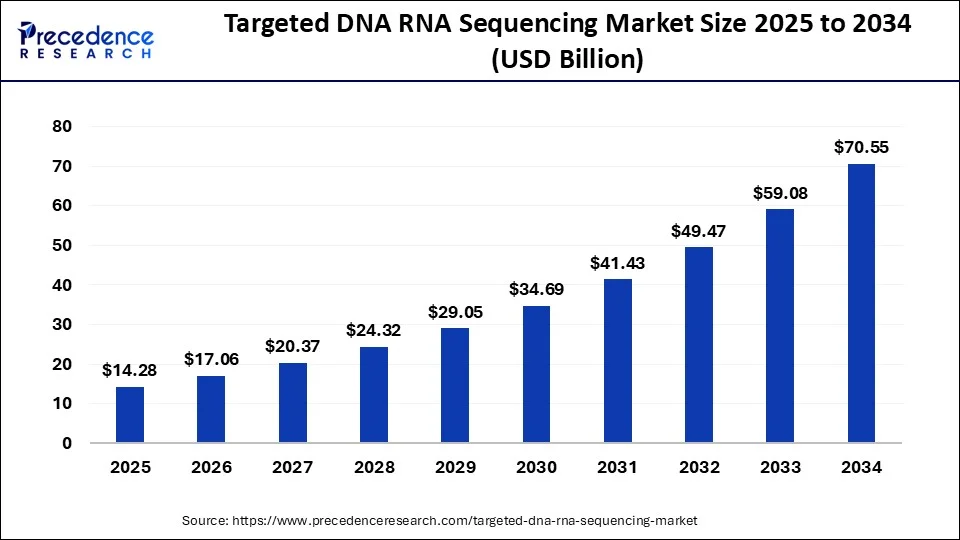
Targeted DNA RNA Sequencing Market Key Takeaways
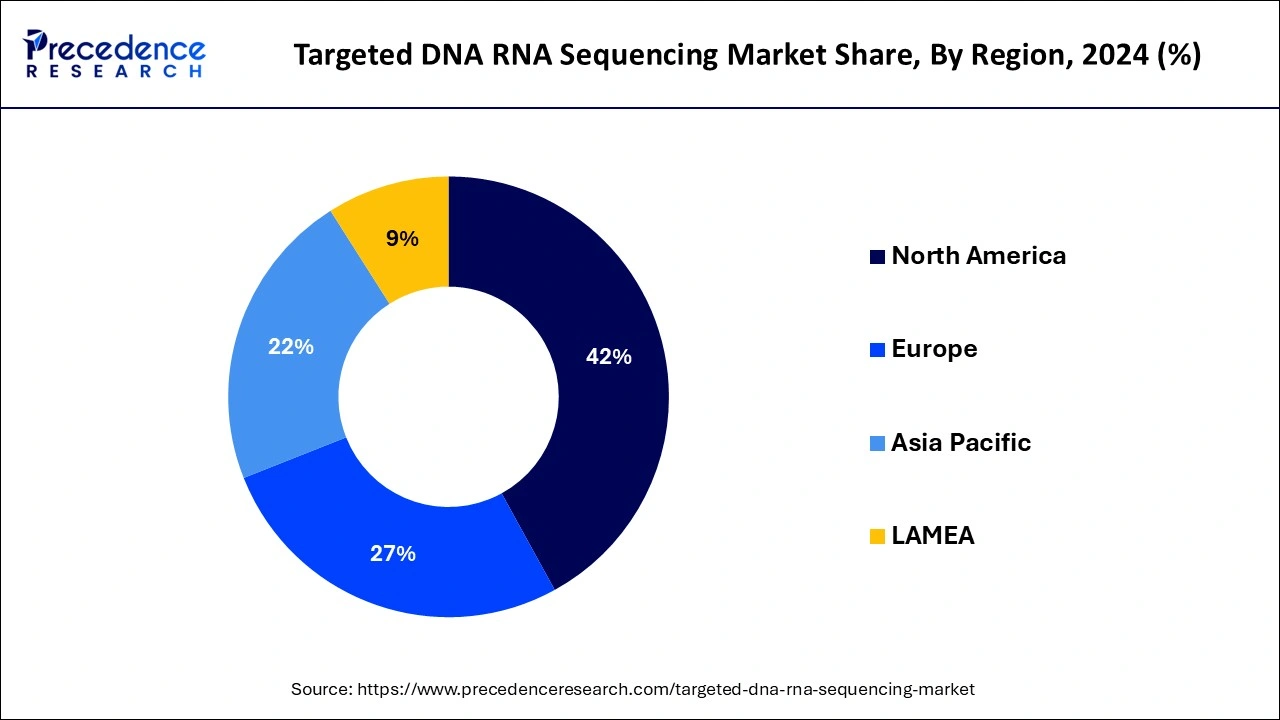
- North America dominated the global targeted DNA RNA sequencing market share of 42% 2025.
- Asia Pacific is anticipated to grow at a significant CAGR in the market during the forecast period of 2026 to 2035.
- By product, the next generation sequencing (NGS) segment registered the largest share of 84% in 2025.
- By workflow, the sequencing segment has held the maximum market share of 72% in 2025.
- By workflow, the pre-sequencing segment is anticipated to grow significantly during the forecast period.
- By type, the DNA-based targeted sequencing segment led the global market in 2025.
- By type, the RNA-based targeted sequencing segment is anticipated to grow at a significant CAGR during the forecast period.
- By application, the drug discovery segment contributed the highest market share of 43% in 2025.
- By application, the plant and animal sciences segment is projected to grow at the fastest CAGR during the forecast period.
- By end-user, the academic research segment registered the highest share of the market in 2025.
- By end-user, the pharma and biotech entities segment is anticipated to grow at a solid CAGR during the forecast period.
Rising Role of Targeted DNA and RNA Sequencing in Advanced Disease Diagnosis
Targeted DNA RNA sequencing is a genomic technique that works on specific RNA and DNA regions to obtain a detailed analysis of those regions instead of the entire genome or transcriptome. DNA sequencing works on the introns, exons, and regulatory regions to detect genetic mutations, and RNA aims to study gene expression and detect RNA events. The targeted DNA RNA sequencing market deals with the diagnosis of various diseases, which can help identify specific genes. It is gaining significant popularity due to its efficiency, which enables whole-genome sequencing with the use of computational resources.
How Does AI Help in the Targeted DNA RNA Sequencing Market?
The growth of technologies like artificial intelligence (AI) and machine learning (ML) is one of the major factors that have made improvements in the targeted DNA RNA sequencing market. The use of AI algorithms in data processing helps effectively as it consumes less time due to the capabilities of the technology. The capability of AI is also being proven in rare genetic variants. The use of AI in the healthcare industry plays an important role in identifying gene fusions that can be linked to diseases like cancer. Further trends also predict that AI will boom in disease risk prediction due to the availability of vast data that can help cure patients.
Market Outlook
- Industry Growth - The industry is growing rapidly due to rising demand for precision medicine, advancements in NGS technologies, and increasing applications in oncology, genetic research, and diagnostics, driving global adoption across clinical and research settings.
- Global Expansion- The global market is expanding due to increased investments in genomics, growing collaborations between research institutions and biotech firms, and rising adoption of personalized medicine and diagnostic applications across North America, Europe, and Asia-Pacific.
- Startup Ecosystem- The startup ecosystem in targeted DNA RNA sequencing is thriving, with emerging companies developing cost-effective sequencing platforms, AI-driven data analysis tools, and novel library preparation technologies to enhance precision diagnostics, personalized medicine, and genomic research applications globally.
Targeted DNA RNA Sequencing Market Growth Factors
- The rising prevalence of genetic and hereditary disorders is one of the major factors which leads to the demand for the targeted DNA RNA sequencing market.
- The growth in these genetic disorder cases has also led to the need for personalized medicines, which increases the use of targeted sequencing to create patient-specific variations.
- Targeted sequencing is growing efficiently as it is considered to be cost-effective compared to whole-genome sequencing.
- The growth in non-invasive testing is also increasing the opportunities in the market.
Market Scope
| Report Coverage | Details |
| Market Size in 2025 | USD 14.28 Billion |
| Market Size in 2026 | USD 17.06 Billion |
| Market Size in 2035 | USD 80.78 Billion |
| Market Growth Rate from 2026 to 2035 | CAGR of 18.92% |
| Dominating Region | North America |
| Fastest Growing Region | Asia Pacific |
| Base Year | 2025 |
| Forecast Period | 2026 to 2035 |
| Segments Covered | Product, Workflow, Application, Type, End User, and Regions |
| Regions Covered | North America, Europe, Asia-Pacific, Latin America, and Middle East & Africa |
Market Dynamics
Drivers
Expansion of the clinical diagnostics
The increasing use of targeted sequencing in the identification of genetic variations has rapidly helped to detect various diseases and tailor treatments for patients. The targeted DNA RNA sequencing market grows efficiently as it becomes a crucial factor in identifying specific genes in BRCA or KRASS-related therapies. Additionally, the rise of cancer patients has led to increasing demand for early detection of the disease, which can be helpful in curing. Additionally, the use of liquid biopsies has also gained popularity in non-invasive cancer-related diagnosis.
- According to the data from the World Health Organization, by 2050, there are expected to be over 35 million new cancer cases, a 77% increase from 2022.
Growth in pharmacogenomic applications
The use of targeted sequencing relates to the study of how genetic variations influence the drug response. The process is being adopted widely as it helps understand its effect on metabolism and efficacy. The targeted DNA RNA sequencing market is growing rapidly due to the increasing testing of drugs that can identify risks to patients. The user base of these applications is promoted by their heavy use in cancer-related therapies.
Restraint
Financial barriers in underdeveloped regions
The targeted sequencing process involves the use of advanced technologies which are well-established in developed countries. The targeted DNA RNA sequencing market in underdeveloped regions can be restrained due to the limited availability of funds that restrict the adoption of technologies and skilled professionals. This also affects the overall operational costs and can restrict growth in underdeveloped regions. The main purpose of technology is to store large datasets, which are also costlier and cannot be afforded by underdeveloped regions.
Opportunities
Rise in medical research activities
The growing number of pharmaceutical companies and academic institutions are promoting several opportunities in the healthcare industry that can benefit the citizens. The targeted DNA RNA sequencing market is growing due to the increasing complications in diseases like cancer, neurodegenerative diseases, cardiovascular and others. The growing attention of the healthcare companies boosts the capacity of this research, which can help mark significant growth. These activities rely on targeted sequencing, which can help get a detailed analysis of the genes to identify the biomarkers.
Growth in the approval rates
The rising focus of organizations like the FDA, EUA, and others is significantly helping to boost the demand for targeted sequencing approval rates. The growing focus on targeted therapies raises the demand for the targeted DNA RNA sequencing market as it helps identify the number of patients eligible for these treatments. Additionally, the growing awareness among individuals will also boost the market growth in the coming years as they lead towards the rising focus of these methods in the healthcare industry. The growing support of governments is also one of the major factors that are helping to increase the approval rates.
Segmental Insights
Product Insights
The next generation sequencing (NGS) segment registered the largest share of the market in 2025. It is a technology that enables the sequencing of millions of RNA in DNA fragments and provides detailed insights into gene expression and genetic variations. The targeted DNA RNA sequencing market is growing popularly due to the increasing application of genomics, epigenomics, and diagnostics in various disease testing and detection.
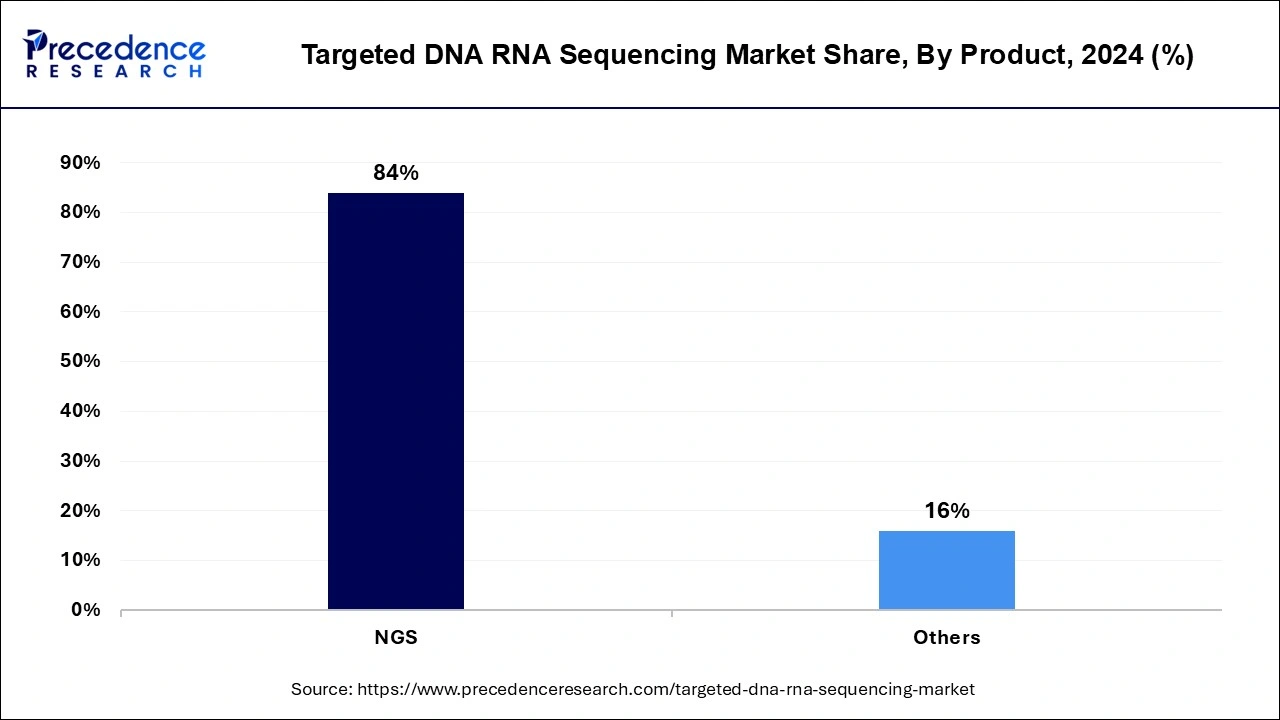
The dominance can also be attributed to the scalability of NGS, which can target small projects. Additionally, cost efficiency remains a major factor that has enabled NGS to be used in a wide range of applications. The increasing focus on these technologies is anticipating more growth due to the advancements through more accuracy and precision.
Workflow Insights
The sequencing segment stood the dominant over the market in 2025. The process includes the use of platforms like PacBio and Illumina to read the actual sequences of DNA and RNA. The dominance of the segment is attributed to the nature of the sequencing process, which is mandatory in the analysis of research and other applications. The targeted DNA and RNA sequencing market is growing significantly due to the rising advancements in the platforms that are enabling more precise sequencing. These advancements have made it popular in various applications, such as disease diagnostics, oncology, and others.
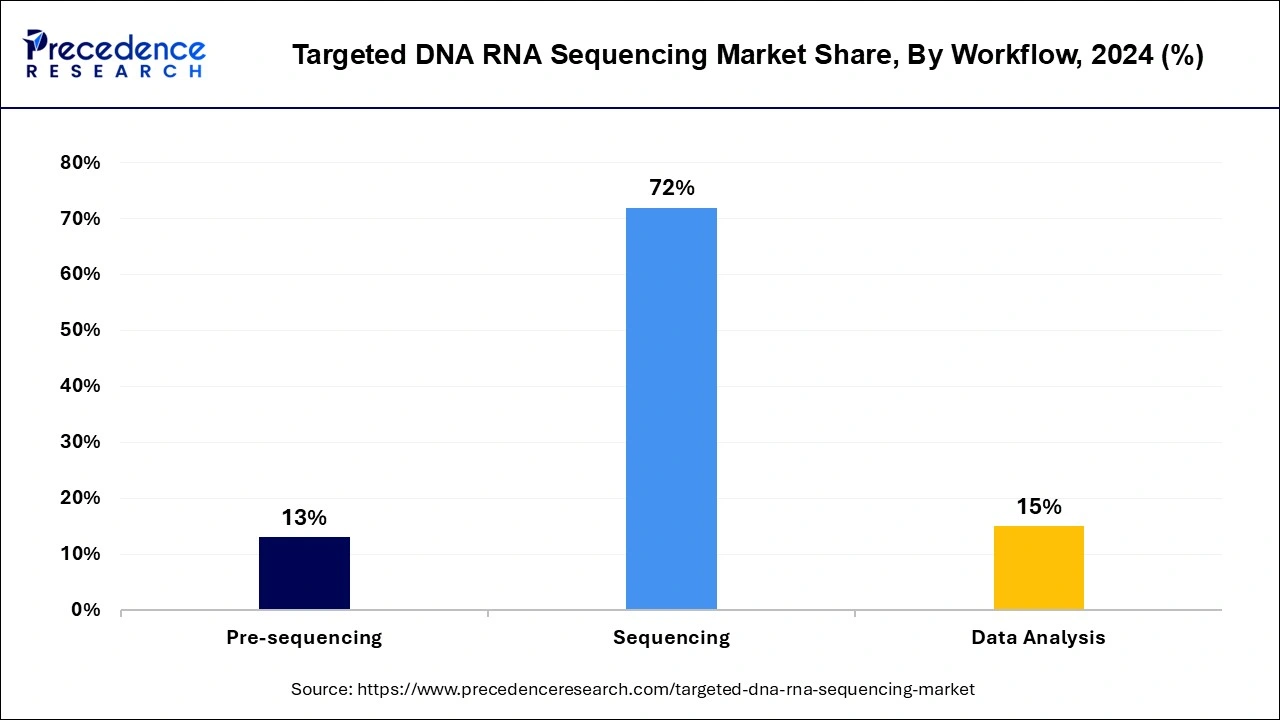
The pre-sequencing segment is anticipated to grow significantly in the market during the forecast period of 2025 to 2034. The segment deals with various processes like sample preparation, library preparation, and others which are becoming essential due to the rising demand for data-based analysis. This is also the major factor that drives the growth of the targeted DNA RNA sequencing market as it helps in reducing the errors within the data.
Type Insights
The DNA-based targeted sequencing segment led the global market in 2025. The dominance of the segment is attributed to the rising focus on genetic disease diagnosis, which aims to improve the healthcare sector. The targeted DNA RNA sequencing market is growing efficiently due to the increasing advancements in DNA sequencing. The rise of clinical diagnostics is also anticipated to boost the growth rate in the upcoming years, which will help create personalized treatment plans.
The RNA-based targeted sequencing segment is anticipated to grow at a significant CAGR in the market during the forecast period of 2025 to 2034. The growth of the segment is attributed to the rising focus on gene expression analysis of how genes are under various conditions. The single-cell technologies are also boosting the growth of the targeted DNA RNA sequencing market. The growth in personalized medicines is also anticipated to boost the growth of RNA in the coming years.
Application Insights
The drug discovery segment marked its dominance over the global market in 2025. The segment uses targeted sequencing to identify genetic variations that can develop therapies according to the medical condition and the patient's medical history. The targeted DNA RNA sequencing market is gaining significant popularity due to the rising use of targeted sequencing in drug development, which enables effective identification. Additionally, the rising use of these sequencing in oncology is anticipated to attract more business opportunities due to the rising demand for immunotherapies.
The plant and animal sciences segment is anticipated to grow at the highest CAGR in the market during the forecast period of 2025 to 2034. The growth of the segment is attributed to the growth in the agriculture sector that uses sequencing for studying crop genomics. The rising population contributes to this growth, which also increases the demand for food. Additionally, the targeted DNA RNA sequencing market is growing as it helps to improve livestock health and productivity of the animals.
End-User Insights
The academic research segment registered the highest share of the market in 2025. The rising demand for gene discovery has attracted the attention of basic researchers who can identify specific genes. As a result, the governments are increasing their funding to the universities where they focus on sequencing with the use of advanced technologies.
The pharma and biotech entities segment is anticipated to grow at the highest CAGR in the market during the forecast period of 2025 to 2034. The growth in drug development is the major reason for the significant need for targeted sequencing and genetic disorders. Additionally, the rise in clinical trials to get an in-depth analysis of the patient's genetic profiles will boost the market growth in the upcoming years.
Regional Insights
U.S. Targeted DNA RNA Sequencing Market Size and Growth 2026 to 2035
The U.S. targeted DNA RNA sequencing market size is exhibited at USD 5.73 billion in 2026 and is projected to be worth around USD 27.72 billion by 2035, growing at a CAGR of 19.17% from 2026 to 2035.
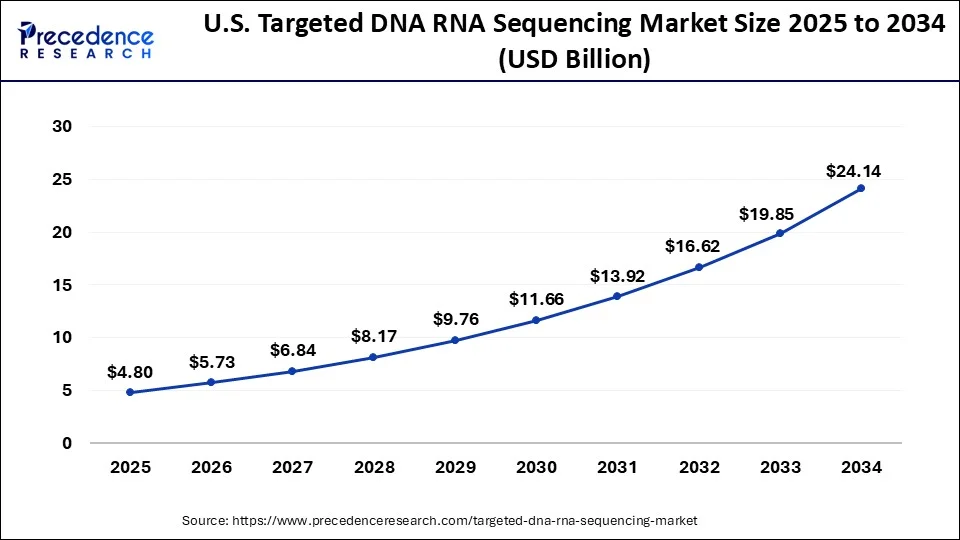
North American Genomics Leadership: 2025 Market Dominance
North America dominated the global targeted DNA RNA sequencing market in 2025. The dominance of the region is attributed to the strong R&D focus of countries like the United States and Canada, where universities and governments constantly focus on genomics research. Additionally, the presence of advanced technologies in the region has also become a dominant factor that drives market growth. These technologies are used to develop specialized therapies that can be beneficial to medical patients.
Why is the U.S. Targeted DNA and RNA Sequencing Market Growing So Rapidly?
The U.S. market is expanding due to increasing adoption of precision medicine, rising prevalence of genetic disorders, and growing demand for personalized diagnostics. Technological advancements in sequencing platforms, strong research funding, and the presence of major biotech companies further drive growth. Additionally, expanding applications in cancer genomics and infectious disease detection are boosting the market's development across clinical and research settings.
Targeted Sequencing, Research Drive Asia Pacific Market Surge
Asia Pacific is anticipated to grow at a significant CAGR in the market during the forecast period of 2026 to 2035. The growth of the region is attributed to the increasing government investments from China and India that are focusing on expanding the genomics research study. The growing number of cancer patients in the region also brings several opportunities in the targeted DNA RNA sequencing market where they focus on the development of these solutions.
Unleashing Genomic Innovation: The Rise of China's Market
The China market is expanding due to growing investments in genomics research, rising prevalence of genetic and cancer-related diseases, and government initiatives supporting precision medicine. Advancements in sequencing technologies, coupled with increasing collaborations between academic institutions and biotech companies, are further boosting market growth. Additionally, the growing demand for personalized healthcare and affordable sequencing solutions is accelerating market expansion across China.
Europe: Advancing the Era of Precision Medicine
The Europe market is growing due to increasing focus on precision medicine, rising cases of genetic and chronic diseases, and strong government support for genomic research. Expanding collaborations between academic institutions and biotech firms, along with advancements in sequencing technologies, are further fueling growth. Additionally, the region's well-established healthcare infrastructure and growing demand for personalized diagnostics are driving market expansion across Europe.
Why UK Emerging as a Leader in Targeted DNA and RNA Sequencing Innovation?
The UK market is increasing due to strong government initiatives in genomics, such as the Genomics England project, and growing adoption of precision medicine. Rising prevalence of genetic and cancer-related diseases, along with expanding R&D activities in academic and clinical settings, is driving demand. Additionally, advanced healthcare infrastructure and collaborations with biotech companies are boosting market growth across the country.
Value Chain Analysis
R&D
- To enhance accuracy, speed, and cost-efficiency in genomic analysis for advanced diagnostics and research.
- Focuses on developing innovative sequencing platforms, reagents, and data analysis tools.
- Encourages integration of automation and AI for improved variant detection.
Key players: Illumina, Bio-Rad Laboratories, QIAGEN, F. Hoffmann-La Roche, and PierianDx
Clinical Trials and Regulatory Approvals
- Enables biomarker identification and personalized treatment in clinical trials and diagnostics.
- Supports precision medicine by guiding targeted therapy decisions.
- Involves strict validation and regulatory approval to ensure analytical and clinical accuracy, especially in high-risk areas like companion diagnostics.
Key players: Illumina, QIAGEN, F. Hoffmann-La Roche, Bio-Rad Laboratories, and PierianDx
Formulation and Final Dosage Preparation
- The final “dosage” refers to the standardized concentration of the prepared sequencing library.
- Library preparation involves multiple enzymatic and purification steps, converting biological samples into sequencer-ready formats.
- This next-generation sequencing (NGS) workflow ensures accurate and efficient data generation.
Key players: Illumina, QIAGEN, Bio-Rad Laboratories, F. Hoffmann-La Roche
Top Vendors and their Offerings
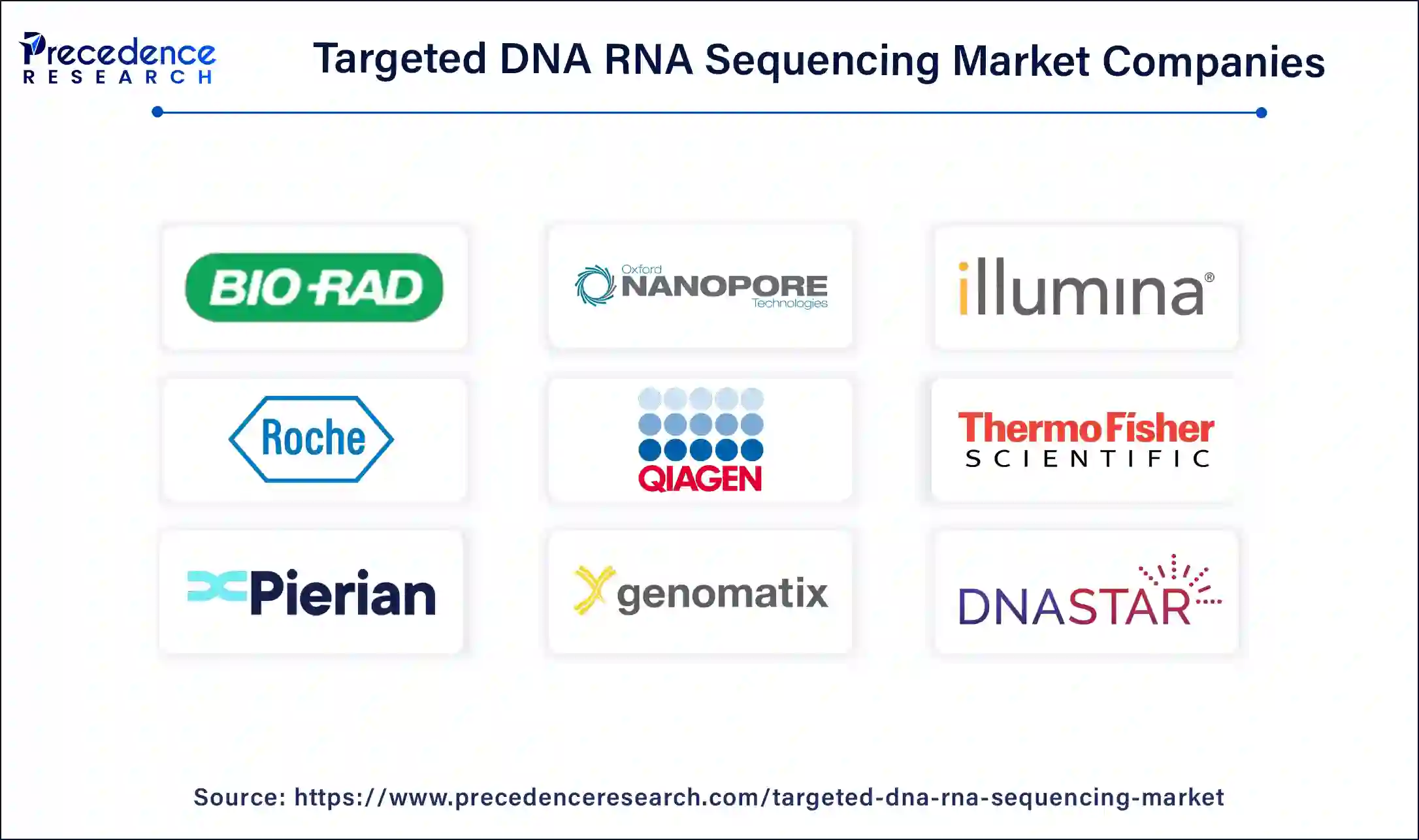
- Bio-Rad Laboratories: Offers advanced sequencing reagents, PCR systems, and genomic analysis tools supporting targeted DNA and RNA sequencing for precise mutation detection and gene expression profiling in research and clinical applications.
- Illumina: Provides next-generation sequencing (NGS) platforms, targeted sequencing panels, and data analysis solutions enabling high-throughput detection of genetic variants and transcriptomic insights for precision medicine and diagnostics.
- QIAGEN: Delivers comprehensive sample preparation kits, target enrichment solutions, and bioinformatics tools designed for efficient targeted DNA/RNA sequencing and accurate variant detection in clinical and research workflows.
- F. Hoffmann-La Roche: Offers sequencing systems, reagents, and informatics solutions through Roche Sequencing, enabling targeted DNA and RNA analysis for oncology, infectious disease, and personalized medicine applications.
- PierianDx: Specializes in genomic data interpretation and clinical reporting software, providing cloud-based platforms that integrate targeted DNA/RNA sequencing data for accurate variant analysis and clinical decision support.
Other Major Companies
- QIAGEN
- Thermo Fisher Scientific, Inc.
- Genomatix GmbH
- DNASTAR, Inc.
- Perkin Elmer, Inc.
Latest Announcement by Industry Leaders
- In January 2024, BioSkryb Genomics highlighted its next-generation single-cell technology at AGBT 2024, showcasing advancements in integrated DNA, RNA, and protein analysis for large-scale research. Suresh Pisharody, the CEO of BioSkryb said, “Our industry-first next generation single-cell technology offers the most comprehensive view of the integrated genome, transcriptome, and targeted proteins from each cell in a single workflow, and we are thrilled to highlight novel applications of our platforms at AGBT,”
- In March 2024, Nvidia CEO Jensen Huang highlighted the AI "revolution" in drug discovery and genomics at GTC 2024, showcasing advancements like the expanded BioNeMo™ generative AI platform and collaborations with AWS and Microsoft Azure. Anthony Nicholls, corporate vice president at Cadence, said “Our pharmaceutical and biotechnology customers require access to accelerated resources for molecular simulation. By leveraging BioNeMo microservices, researchers can generate molecules that are optimized according to scientists' specific needs,”
Recent Developments
- In May 2024, Foundation Medicine launched FoundationOneRNA in the U.S., an RNA sequencing test detecting cancer-related fusions across 318 genes, complementing DNA-based tests for enhanced accuracy.
- In February 2024, Wasatch Biolabs launched a proprietary Targeted DNA Methylation Sequencing Service, leveraging Oxford Nanopore Technologies to bypass common limitations, offering custom methylation panels with up to 2,000 regions analyzed.
Segments Covered in the Report
By Product
- NGS
- Method
- Exome Sequencing
- Enrichment Sequencing
- Amplicon Sequencing
- Others
- Application
- Cancer Gene Sequencing
- Inherited Disease Screening
- Drug Development
- Forensic Genomics
- 16S ribosomal RNA (rRNA) sequencing
- Method
- Others
By Workflow
- Pre-Sequencing
- Sequencing
- Data Analysis
By Application
- Human Biomedical Research
- Plant and Animal Sciences
- Drug Discovery
- Others
By Type
- DNA Based Targeted Sequencing
- RNA Based Targeted Sequencing
By End User
- Academic Research
- Hospitals and Clinics
- Pharma and Biotech Entities
- Others
By Geography
- North America
- Asia Pacific
- Europe
- Latin America
- Middle East and Africa
For inquiries regarding discounts, bulk purchases, or customization requests, please contact us at sales@precedenceresearch.com
Frequently Asked Questions





Ask For Sample
No cookie-cutter, only authentic analysis – take the 1st step to become a Precedence Research client
 Get a Sample
.webp)



 sales@precedenceresearch.com
 Schedule a Meeting
