



US Glioblastoma Multiforme Treatment Market Size, Companies, Share, Patient Volume, Treatment Adoption Rates, Pricing Analysis, Regulatory Landscape, Competitive Positioning, and Demand Forecast
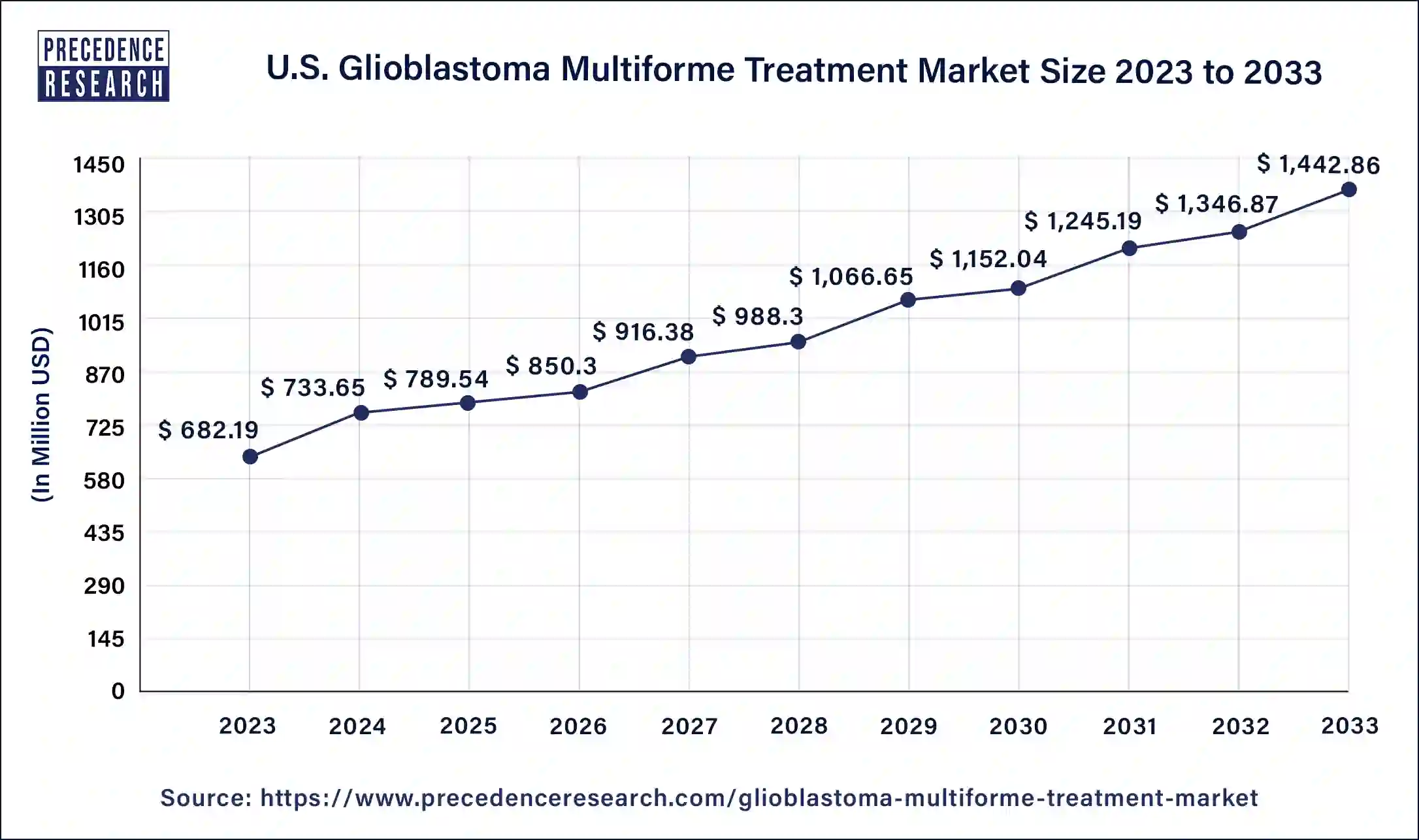
Rohan Patil, a Healthcare Industry Expert, highlights that the US glioblastoma multiforme treatment market has reached USD 850.30 million in 2026 and is on track to reach USD 1,634.84 million by 2035, advancing at a CAGR of 7.55%. Key US glioblastoma multiforme treatment market companies shaping the market include Amgen, Inc., Pfizer Inc., Arbor Pharmaceuticals, LLC, while major growth segments span treatment, drug class, end-user.
Source: https://www.precedenceresearch.com/us-glioblastoma-multiforme-treatment-market
 Get a Sample
 Table Of Content


US Glioblastoma Multiforme Treatment Market Size and Forecast 2026 to 2035
The US glioblastoma multiforme treatment market size accounted for USD 789.54 million in 2025 and is predicted to increase from USD 850.30 million in 2026 to approximately USD 1,634.84 million by 2035, expanding at a CAGR of 7.55% from 2026 to 2035. The market growth is attributed to the rising incidence of glioblastoma, expanding clinical research activity, and continuous advancements in precision oncology and targeted treatment technologies.
Key Takeaways
- By treatment, the surgery segment held the largest market share in 2025.
- By treatment, the radiation therapy segment is expected to expand with the highest CAGR during the forecast period.
- By drug class, the temozolomide segment held the largest share of the market in 2025.
- By drug class, the bevacizumab segment is expected to grow rapidly between 2026 and 2035.
- By end-user, the hospitals segment held the highest share of the market in 2025.
- By end-user, the clinics segment is expected to grow with the highest CAGR during the forecast period.
Market Overview
The rising incidence of glioblastoma and the need for more effective therapies are driving the U.S. glioblastoma multiforme treatment market. Glioblastoma multiforme (GBM) is the deadliest form of primary brain tumor, with its quick growth and frequent recurrence. Surgical resection, radiation therapy, chemotherapy, targeted therapies, and promising newer therapies stimulating the immune system (known as immunotherapy) are used.
Tumor Treating Fields (TTFields) technology is also a promising way in which cells are disrupted by means of low-intensity electric fields, and halts cancer cell division. The Central Brain Tumor Registry of the United States (CBTRUS) reports that glioblastoma is the most common type of malignant brain tumor in the United States, with 51.5% of all cases. Furthermore, the prevalence of glioblastoma and the heightened focus on advancing treatments for the disease continue to drive market growth.
Impact of Artificial Intelligence on the U.S. Glioblastoma Multiforme Treatment Market
AI is transforming the landscape of the market by enhancing the precision of diagnosis and drug development efficiencies. The researchers use advanced machine learning models to reveal biomarkers related to glioblastoma progression from datasets gathered from radiology, pathology, and genomic data.
AI is also playing a role in expediting the discovery of potentially effective treatments for GBM by pinpointing specific targets and the likely effectiveness of drug candidates. Companies such as Tempus AI, Caris Life Sciences, Foundation Medicine, and Illumina continue expanding AI-driven precision oncology capabilities across neuro-oncology research.
Market Report Coverage and Key Metrics
| Report Coverage | Details |
| Market Size in 2025 | USD 789.54 Million |
| Market Size in 2026 | USD 850.30 Million |
| Market Size by 2035 | USD 1,634.84 Million |
| Market Growth Rate from 2026 to 2035 | CAGR of 7.55% |
| Base Year | 2025 |
| Forecast Period | 2026 to 2035 |
| Segments Covered | Treatment, Drug Class, and End-Use |
Market Dynamics
Drivers
Rising Burden of Glioblastoma Diagnoses
The rising incidence of glioblastoma across the U.S. is projected to drive the market in the coming years. Glioblastoma is the most frequent malignant primary brain tumour and is responsible for many of the costs of neuro-oncology therapy. The burden of the disease was also reported by CBTRUS at 3.27 per 100,000 population.
Specialist modes of neurosurgery, radiation oncology, and molecular diagnosis are still increasing the availability of such services to those with needs. Patients continue to be directed to neuro-oncology centers, creating a continued need for innovative treatment strategies.
Restraint
High Disease Recurrence and Treatment Resistance
Potential long-term therapeutic failures and commercial uptake are hindered by the recurrence of the disease, which is likely to hinder market growth. Tumor cells are genetically very heterogeneous, and make it difficult to achieve long-term remission. There are ongoing challenges to researchers in targeting several resistance mechanisms in the tumor microenvironment. Furthermore, the substantial financial burden associated with advanced glioblastoma therapies is anticipated to restrict access in certain patient populations.
Opportunity
Increasing Investment in Precision Oncology and Biomarker Research
Increasing investment in precision oncology research is expected to create immense opportunities for the market. The precision medicine pipeline is growing with research partnerships between biotechnology companies and academic institutions.
Pharma companies are working on specific genetic pathways on which aggressive brain tumors are dependent. Furthermore, the surging clinical trial activity in glioblastoma treatment is estimated to expand the availability of novel therapies and treatment combinations.
Market Segmentation Analysis
Treatment Insights
The Surgery Segment Dominated the Market in 2025
The surgery segment dominated the U.S. glioblastoma multiforme treatment market in 2025, as it is critical for the treatment of first-line glioblastoma. Surgical oncology is a major part of the care that patients receive, as glioblastoma makes up a major number of malignant brain tumors diagnosed each year in the U.S.
According to the Oxford Academic 2025 report, glioblastoma accounts for approximately 5.99 per 100,000 population malignant brain tumors diagnosed in the U.S., making surgical intervention a cornerstone of patient care. Furthermore, the academic institutions still test new surgical procedures to help maintain neurological function with the highest resection rate, thus fuelling the segment growth.
The radiation therapy segment is expected to expand rapidly in the market in the coming years, due to the rising trend of precision-focused radiation therapy after surgery. Radiation is a mainstay in glioblastoma treatment, since it is aimed at any tumor cells that might remain after surgery. Moreover, the expanding utilization of precision radiation technologies accelerates segment growth in the coming years.
Drug Class Insights
The Temozolomide Segment Dominated the Market in 2025
The temozolomide segment dominated the U.S. glioblastoma multiforme treatment market in 2025 due to its established position as the standard chemotherapy backbone for newly diagnosed glioblastoma patients. Clinical guidelines from NCCN, ASCO, and leading neuro-oncology organizations continue recommending temozolomide alongside radiotherapy following surgical resection. Furthermore, with strong inclusion in national treatment guidelines, the segment remained the leader throughout the treatment landscape.
The bevacizumab segment is expected to grow with the highest CAGR in the market during the studied years, driven by rising emphasis on the management of recurrent glioblastoma and treatment-related complications. Bevacizumab inhibits vascular endothelial growth factor (VEGF), which is an important pro-angiogenic mediator of tumor development.
End-Use Insights
The Hospitals Segment Dominated the Market in 2025
The hospitals segment accounted for the highest U.S. glioblastoma multiforme treatment market share in 2025 due to its central role in hospital-based care in glioblastoma diagnosis, surgery, radiation therapy, and chemotherapy administration. These facilities offer the neurosurgeons, radiation oncologists, neuro-radiologists, pathologists, and multidisciplinary tumor boards to assist with complex treatment decisions. The National Brain Tumor Society reports that approximately 1.3 million Americans are living with a brain tumor, supporting consistent utilization of specialized hospital services.
The clinics segment is expected to gain the highest market share between 2026 and 2035, supported by rising demand for convenient post-clinical care and administration of chemotherapy and long-term disease management services in clinics. Clinic-based environments are becoming the growing choice of physicians to treat recurrent illness and monitor treatment outcomes.
U.S. Glioblastoma Multiforme Treatment Market: Country-Level Analysis
Why Did California Dominate the U.S. Glioblastoma Multiforme Treatment Industry?
The market in California is growing due to the presence of some of the nation's most advanced neuro-oncology and brain tumor treatment centers. Premier institutions, including UCSF Brain Tumor Center, Stanford Cancer Institute, City of Hope, and UCLA Health, that offer comprehensive care for glioblastoma and carry out extensive clinical research. Therapeutic innovation is fostered by good relationships between biotechnology companies and research institutions. These benefits maintained the status of California as the frontrunner in the treatment of glioblastoma.
Why Is Texas Emerging as the Fastest-Growing State in the U.S. Glioblastoma Multiforme Treatment Industry?
Texas is considered to be the fastest-growing area, supported by the development of infrastructure and investment in brain tumor research. Growing participation in multicenter clinical trials is strengthening the state's position within the neuro-oncology landscape. Boosting access to specialist health care is expected to drive robust growth in the market.
U.S. Glioblastoma Multiforme Treatment Market Value Chain Analysis
- Drug Discovery & Clinical Research
Research institutions and biotechnology companies identify therapeutic targets and develop novel glioblastoma treatment candidates.
Key Players: National Cancer Institute, Bristol Myers Squibb, Roche, Merck & Co., AstraZeneca.
- Drug & Medical Technology Development
Manufacturers develop chemotherapies, biologics, targeted therapies, and Tumor Treating Fields technologies under regulatory standards.
Key Players: Novocure, Roche/Genentech, Pfizer, Amgen, Novartis.
- Treatment Delivery & Healthcare Services
Hospitals and cancer centers administer surgery, radiation therapy, chemotherapy, and advanced neuro-oncology treatments.
Key Players: MD Anderson Cancer Center, Mayo Clinic, Memorial Sloan Kettering Cancer Center, and Cleveland Clinic.
- Patient Monitoring & Follow-up Care
Healthcare providers conduct disease monitoring, imaging assessments, and long-term management to evaluate treatment response.
Key Players: Tempus AI, Caris Life Sciences, Foundation Medicine, Guardant Health.
Market Competitive Landscape: Leading Companies and Strategies
The U.S. glioblastoma multiforme treatment market is moderately consolidated, with competition led by established pharmaceutical companies, medical technology developers, and emerging neuro-oncology innovators. Roche, Merck & Co., Bristol Myers Squibb, and AstraZeneca have active oncology programs. Development activities are ongoing at emerging companies like Kazia Therapeutics, CNS Pharmaceuticals, and Imvax, which continue to expand development programs in this region.
Strategic collaborations, clinical trial partnerships, and research investments continue shaping the competitive landscape of the market. Roche and Genentech continued to invest in precision oncology technologies. Bristol Myers Squibb furthered its investigation into immuno-oncology for solid tumors. Furthermore, the combination of treatment strategies and next-generation neuro-oncology technologies is expected to intensify competition and influence future market positioning among both established companies and emerging innovators.
U.S. Glioblastoma Multiforme Treatment Market Companies
- Amgen, Inc.
- Pfizer Inc.
- Arbor Pharmaceuticals, LLC
- Amneal Pharmaceuticals
- Karyopharm Therapeutics, Inc
- Sumitomo Dainippon Pharma Oncology, Inc
Recent Developments U.S. Glioblastoma Multiforme Treatment Market (2025-2026)
- In June 2026, UCSF-spun startup Kopra Bio raised USD 9.1 million in a seed funding round to advance KB-516, a genetically engineered virus therapy for glioblastoma. The company plans to move the therapy toward a Phase I first-in-human clinical trial, aiming to transform tumors into immune-activating targets. (Source: https://www.techtimes.com)
- In June 2026, Curasight reported encouraging preliminary Phase I results for uTREAT in glioblastoma patients. The radioligand therapy demonstrated safe delivery, strong tumor uptake, and the potential to provide targeted radiation while limiting exposure to healthy organs.(Source: https://www.prnewswire.com)
Segments Covered in the Report
By Treatment
- Surgery
- Radiation Therapy
- Chemotherapy
- Targeted Therapy
- Tumor Treating Field (TTF) Therapy
- Immunotherapy
By Drug Class
- TMZ
- Carboplatin
- Cisplatin
- Bevacizumab
- Others
By End-User
- Hospitals
- Clinics
- Ambulatory Surgical Centers
For inquiries regarding discounts, bulk purchases, or customization requests, please contact us at sales@precedenceresearch.com
Frequently Asked Questions





Ask For Sample
No cookie-cutter, only authentic analysis – take the 1st step to become a Precedence Research client
 Get a Sample




 sales@precedenceresearch.com
 Schedule a Meeting
