



Digital Health Market Trends, Key Companies, Company Product Portfolio, Healthcare Spending, Technology Adoption, Reimbursement Analysis, Cost Structure, Market Penetration, and Growth Outlook
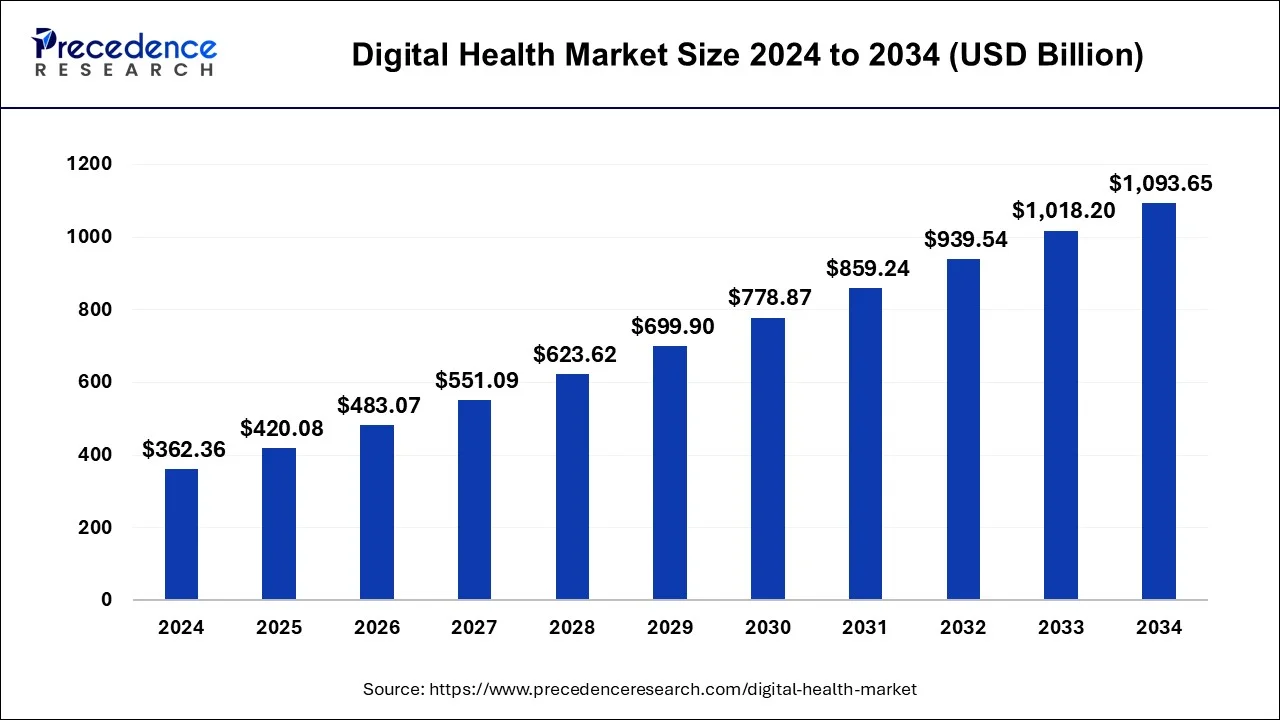
Deepa Pandey, a Healthcare Industry Expert, highlights that the digital health market has reached USD 483.07 billion in 2026 and is on track to reach USD 1,171.24 billion by 2035, advancing at a CAGR of 10.8%. Key digital health market companies shaping the market include BioTelemetry Inc, eClinicalWorks, Allscripts Healthcare Solutions Inc, while major growth segments span by component, by technology and region.
Source: https://www.precedenceresearch.com/digital-health-market
 Get a Sample
 Table Of Content


What is the Digital Health Market Size?
Digital Health Market was valued at USD 420.08 billion in 2025 and is projected to grow from USD 483.07 billion in 2026 to USD 1,171.24 billion by 2035, with a compound annual growth rate of 10.8% during the projection period. The rapid adoption of telehealth, mobile health (mHealth), wearable devices, artificial intelligence (AI), electronic health records (EHRs), and remote patient monitoring solutions, integration of robotics in the healthcare sector along with remote monitoring devices are collectively contributing to the growth of the industry. On the other hand, rising healthcare digitalization, high prevalence of chronic diseases, massive smartphone penetration, supportive government initiatives, and investments in healthcare IT infrastructure are further supporting global market growth.
Market Highlights
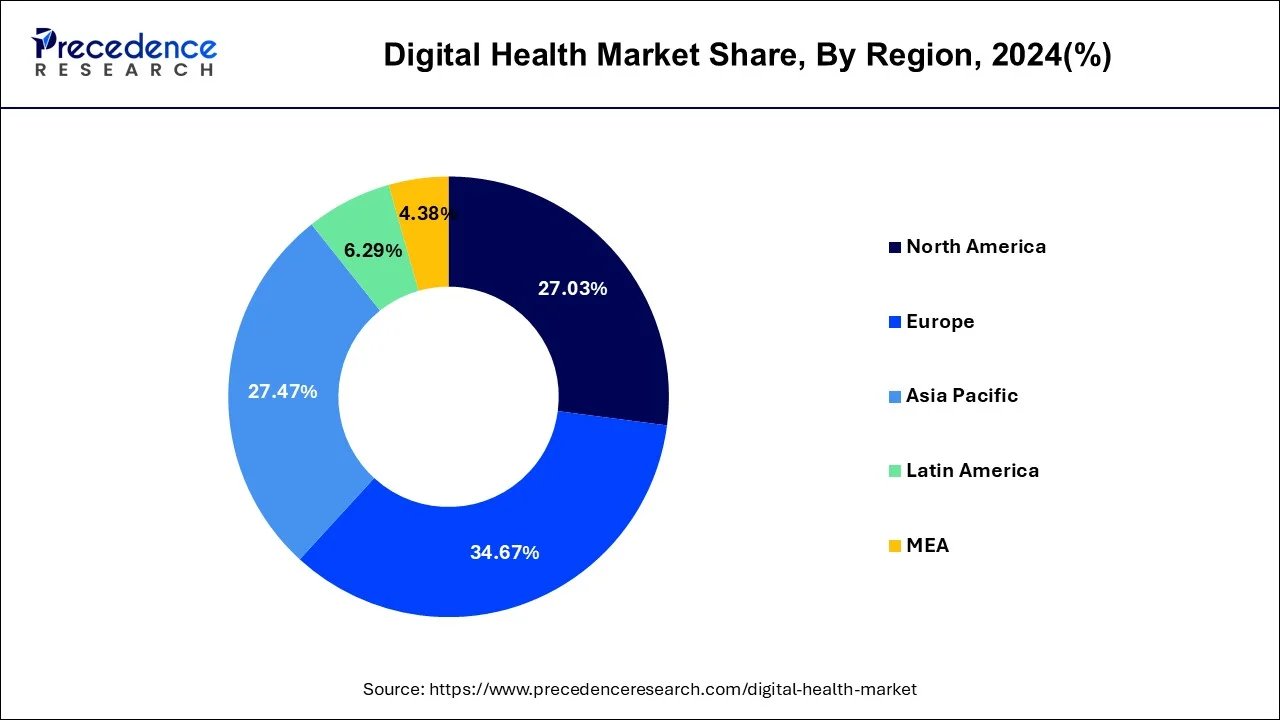
- Europe has generated a revenue share of around 34.67% in 2025.
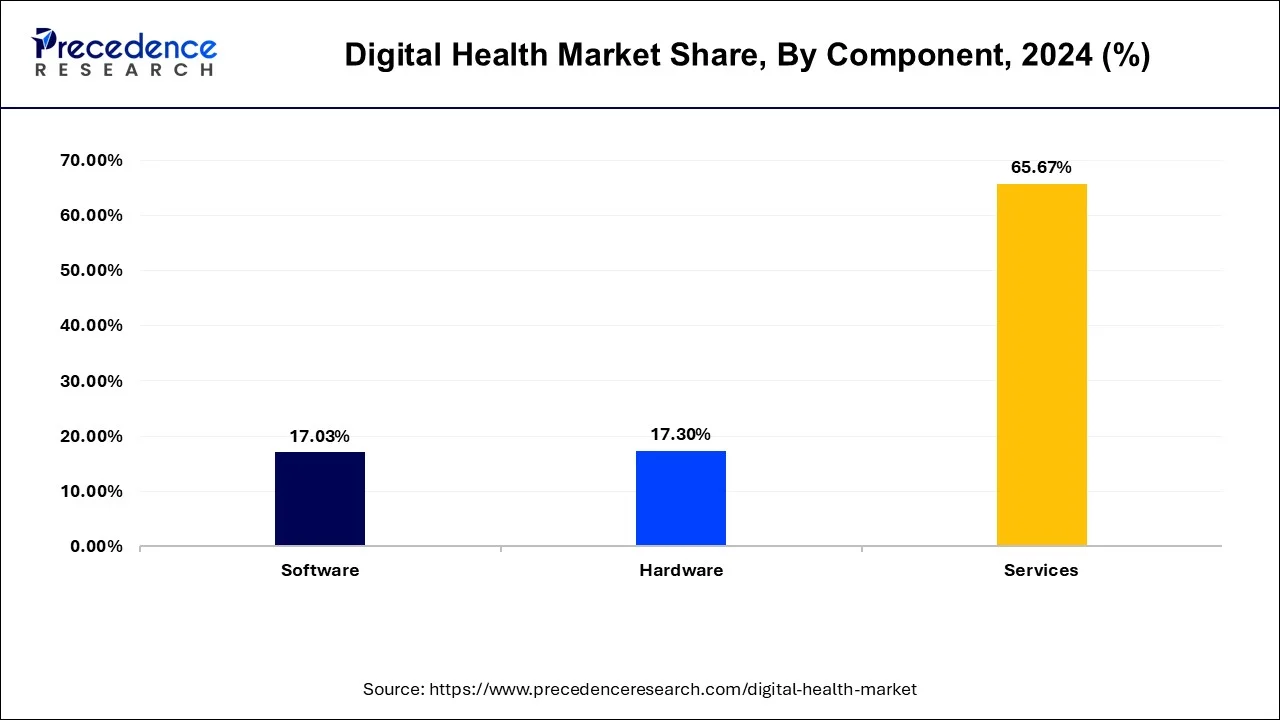
- By component, services segment contributed the highest market share of 65.67% in 2025.
- By technology, telehealthcare captured the biggest market share of 41.01% in 2025
Market Size and Forecast
- Market Size in 2025: USD 420.08 Billion
- Market Size in 2026: USD 483.07 Billion
- Forecasted Market Size by 2035: USD 1171.24 Billion
- CAGR (2026-2035): 10.8%
- Largest Market in 2025: Europe
What is Digital Health?
Digital health refers to the use of technology, including software, hardware, and data, to improve healthcare delivery, patient outcomes, and operational efficiency. For B2B healthcare providers, technology vendors, and enterprise buyers, digital health represents a fast-growing market at the intersection of healthcare IT, connected medical devices, and data-driven care.
The digital health ecosystem spans a broad range of solutions: wearable devices and remote patient monitoring tools, mobile health (mHealth) apps, telehealth and telemedicine platforms, electronic health records (EHR), AI in healthcare, ingestible sensors, and even robotic care assistants. Together, these technologies are transforming how healthcare organizations engage patients, managing clinical workflows, and reducing costs.
For enterprises and health systems, adopting digital health solutions means more than modernizing infrastructure. It means enabling interoperability, improving care coordination, and unlocking real-time health data for better decision-making. Vendors offering digital health platforms, SaaS healthcare solutions, or healthcare data analytics tools are increasingly partnering with hospitals, insurers, and pharmaceutical companies to build scalable, compliant, and patient-centric ecosystems.
While there's no single universal definition, digital health is best understood as the convergence of people, technology, and connectivity, driving measurable improvements in both patient outcomes and business performance across the healthcare value chain.
AI's Role in the Digital Health Market
Artificial intelligence (AI) in healthcare is emerging as a major growth driver for the advanced healthcare sector. The rise of modern therapies and connected devices is accelerating the shift toward home healthcare and remote patient monitoring, while growing wellness awareness among busy, health-conscious populations is pushing healthcare leaders and innovators to prioritize technology integration in market strategy.
AI-powered mobile health applications are central to this shift. By combining AI tools with remote monitoring devices and wearable biosensors, these applications improve data accuracy and bring patients closer to proactive wellness management. For physicians, this means better tools to monitor chronic disease management and optimize medication plans in real time.
Beyond patient care, AI is enabling end-to-end unification across the healthcare value chain. Virtual health assistants and healthcare automation are streamlining clinical workflows, while increased investment in AI-driven drug discovery and clinical trial optimization is accelerating R&D timelines and improving efficiency in drug formulation.
Precision is critical: AI must strengthen accurate, reliable clinical decision support to earn continued trust and adoption across the medical field. Meanwhile, connected care is becoming the next major growth area for AI-based healthcare solutions, with AI and integrative technologies also helping healthcare organizations navigate ongoing supply chain challenges. Ultimately, the convergence of AI, IoT, and mobile computing is solidifying artificial intelligence as a foundational technology in the modern healthcare landscape.
Detailed Growth Analysis
- The growth of the digital health market is mainly driven by the widespread adoption of smartphones and other digital devices and the increasing demand for remote monitoring and telemedicine services.
- Recent funding in digital health has significantly strengthened market expansion by boosting innovation and advancing technology across various domains, such as telehealth, mHealth, and digital therapeutics.
- For instance, digital health startups secured USD 4 billion in venture capital funding in the first quarter of 2026, with $1 billion indicating that investment increased in the first quarter compared to last year and marking the strongest first quarter since the pandemic.
- The growing prevalence of chronic conditions such as diabetes, heart disease, and cancer is increasing the demand for remote monitoring and management solutions. Digital health tools can help patients track their health and adhere to treatment plans.
- Digital health has brought strong advancements in personalized medicine, such as genomics. The introduction of AI and ML allows healthcare providers to analyze large amounts of patient data more efficiently, uncover patterns, and predict health outcomes.
Top Components of Digital Health
- Big data: Large and/or complex data sets that typical data processing models can't handle. Patterns, trends, and relationships related to health in relation to human behavior and interactions can be revealed through computer analysis and predictive analytics. Data acquisition, analysis, curation, sharing, storage, transport, visualization, updating, and information privacy are all issues that Big Data presents.
- Cloud computing: Outsourcing IT activities to one or more third parties with large pools of resources to satisfy the needs of the organization quickly and efficiently. Instead of owning and administering their own IT software, hardware, and general infrastructure, cloud computing users are charged for their use of third-party infrastructure.
- Connected health: A model of health and care delivery in which the equipment, services, and interventions employed are tailored to the patient's unique needs, and their health data is used to inform and share care most proactively and efficiently possible.
- eHealth: When it was first coined, the term "eHealth" referred to the use of electronic processes and information technology (ICT) throughout the entire range of functions influencing health and care. Currently, eHealth refers to the discipline of medical informatics, which uses the internet and related technologies to organize and distribute health services and information.
- ePatients: Patients who are completely engaged in their health and care are referred to as ePatients. They know everything there is to know about their health and health care. They may be involved in their health and care, as well as the health and care of people they care for. In contrast to eHealth, the letter ‘e' can stand for electronic, equipped, empowered, engaged, equal, and other words.
- Gamification: The application of game design features and principles to non-game situations. User engagement, simplicity of use, productivity, recruiting, and assessment all benefit from it. Its primary usage in health and wellbeing has been to motivate consumers to exercise more and adopt lifestyle changes that will improve their overall health. The use of gamification in health and fitness apps has become commonplace.
Emerging Technology Trends
Beyond these established components, several emerging technologies are shaping the next phase of digital health growth. Blockchain is being piloted for secure, tamper-proof health record sharing between providers and payers, particularly in cross-border care coordination. 5G connectivity is improving the reliability of real-time remote monitoring and video-based telehealth in rural and underserved areas where bandwidth has historically been a barrier.
Digital therapeutics, software-based interventions that deliver clinically validated treatment for conditions such as diabetes, insomnia, and behavioral health disorders, are gaining regulatory recognition as standalone treatment options rather than supplementary tools. Robotics and computer-assisted surgical platforms are also expanding beyond hospital operating rooms into diagnostic imaging and rehabilitation settings, supported by AI models trained on large clinical imaging data sets. Together, these technologies are expected to create new sub-segments within the digital health market over the next decade.
Investment and Funding Landscape
Venture capital activity in digital health has grown substantially over the past several years, reflecting sustained investor confidence in the sector.
|
Period |
Funding Figure |
Notes |
|
2019 |
USD 8.9 billion |
Baseline year for VC and private equity investment |
|
2020 |
USD 14.8 billion |
66% year-over-year increase, driven by COVID-19 acceleration of consumer digital health adoption |
|
Past year (U.S. only) |
USD 4.5 billion+ |
302 financing deals, averaging USD 14.8 million per deal |
|
2024 (Rock Health, U.S.) |
USD 10.1 billion |
497 deals recorded |
|
Q1 2026 |
USD 4 billion |
Strongest first quarter since the pandemic, up USD 1 billion year-over-year |
A closer look at these figures shows a shift in investor priorities rather than a simple growth curve. The 2020 surge was concentrated on consumer-facing telehealth and virtual care apps responding to pandemic-driven demand. By 2024, Rock Health's data shows deal volume growing even as average deal sizes matured, suggesting investors are backing a broader base of specialized point solutions, such as AI-driven diagnostics and remote monitoring platforms, rather than betting heavily on a handful of large consumer brands. The strong Q1 2026 figures, the best first quarter since the pandemic, indicate renewed investor confidence following a slower funding environment in the interim years, with capital increasingly directed toward platforms that demonstrate measurable clinical outcomes and clear payer reimbursement pathways.
Market Outlook
- Industry Growth Overview: The digital health market is witnessing massive developmental growth with robust hardware and software systems that support the market mission to serve accuracy in the EMR process. The telemedicine and telehealth trends are bolstering remote solutions via commendable monitoring systems and video calls. The sale of wearable devices due to a health-conscious population drives engagement in the market growth.
- Startup Ecosystem: Startup businesses are at their peak with the emerging devices and integration demand. Investment, initiatives and acquisitions play a major role in startup expansion. Healthcare is succeeding with modernized solutions. This responsible sector requires constant expertise for navigating device developers to imitate health benefit solutions. The tech leaders are earning heavy profit in this market.
- Global Expansion: The expanding footprint of the digital health market is driven by telehealth and machine learning unification. The overall regional healthcare industries are revolutionizing with the tech solutions that ultimately expand the market scope to the providers and population. AI-influenced health solutions are the heart of the market development and expansion.
Market Scope
| Report Highlights | Details |
| Market Size in 2025 | USD 420.08 Billion |
| Market Size in 2026 | USD 483.07 Billion |
| Market Size by 2035 | USD 1,171.24 Billion |
| Growth Rate From 2026 to 2035 | CAGR of 11.68% |
| Largest Market | Europe |
| Base Year | 2025 |
| Forecast Period | 2026 to 2035 |
| Segments Covered | Components, Technology, and Region |
| Regions Covered | North America, Europe, Asia-Pacific, Latin America, and Middle East & Africa |
Market Dynamics
Market Drivers
Rising demand for mobile health apps
The potential of mobile apps is being used to improve patient treatment in a variety of ways, including diagnosing illness, employing wearables, and ingestible sensors. We have become increasingly reliant on our smart devices now that we have entered the digital world. We continue to rely on smartphones to manage our calendars, coordinate our work and business operations, keep informed and connected through social media, and arrange doctor visits and healthcare check-ups. Healthcare app development has become both a need and a luxury.
The healthcare industry has seen significant changes as a result of technology advancements and meddling. We can see how mobile app development has aided in the evolution of the healthcare sector in recent years. The COVID-19 pandemic is still ongoing, and healthcare mobile apps have paved the path for great growth during this time of crisis, transforming people's perceptions of the health industry worldwide.
Market Opportunities
Increasing penetration of digital health in emerging economies
The healthcare ecosystem is witnessing a paradigm shift in the way the services are being delivered and consumed. This is fueled by the urgent need for a healthcare delivery model that is inclusive, high-quality, cost-effective, and decentralized. While these demands contribute to the creation of lofty goals for our society and government, the enterprising side of society is hard at work developing solutions and models to assist us to get there. The digital health model is one such alternative. From birth to death, from well to sick, digital health will dramatically improve the continuum of care by providing solutions that help individuals from birth to end of life. Digital health will aid in the achievement of several goals, including moving healthcare delivery from curative to preventive, increasing accessibility, lowering costs, improving quality, and increasing resource efficiency.
The healthcare sector is moving from a provider-driven to a consumer-driven business as a result of increased earnings, lifestyle changes, and shifting consumer behavior toward wellness. Additionally, efforts are being undertaken to transition healthcare to a consumption-based model due to rising healthcare prices and inadequate healthcare infrastructure. Healthcare is moving toward a proactive “Predict and Prevent Model” that targets the underlying causes of health problems and focuses on preventing future problems through major lifestyle changes, behavioral adjustments, or preventative interventions. The underlying need to provide patients with empowerment, convenience, and a better experience drives these innovations, and their growth is propelled by technology and entrepreneurship.
In emerging nations, the new digital health model will be critical in overcoming many of the issues that currently impede healthcare delivery, such as enhancing access, affordability, quality, and safety. A severe lack of resources and infrastructure has impeded the delivery of healthcare services in many developing countries, particularly in rural areas.
If done in a new way, digitization of health services can help to improve the quality of access to care while lowering costs. Most developed countries have moved away from paper-based healthcare solutions in favor of ‘traditional' digital healthcare models, which they have accepted or are in the process of adopting.
Digital technologies are assisting in the development of novel diagnostic and treatment alternatives, as well as improving process efficiency and lowering costs. Technology developments are also bridging the gap between developed and developing economies, as well as participants throughout the healthcare value chain. This is also shown by the fact that digital health firms in the United States alone raised over USD 4.5 billion in funding over the last year. There were also 302 finance deals in the segment, with an average size of USD 14.8 million. However, as the convergence of healthcare and technology continues, regulatory frameworks are still evolving, and as a result, businesses are rapidly being stuck in a maze of unique legal challenges enforced by unfamiliar authorities, such as patient privacy, consumer protection, fraud, and patient safety.
In recent years, advancements in health technology have increased by leaps and bounds. In the digital space, a plethora of gadgets and technologies have arisen, hastening the rate of expansion in consumer and institutional healthcare delivery.
Segments Insights
Component Insights
Which Component Segment Dominated the Market in 2025?
The services segment held the largest share of the digital health market in 2025, due to rising demand for services, such as staffing, installation, training, maintenance, and other services. Market players are either offering these services as standalone or in packages. The increasing demand for advanced software solutions and platforms is further boosting growth. Industries are majorly focusing on acquiring post-installation services such as staffing, optimization, training, and many other services.
The software segment is expected to grow at the fastest rate over the forthcoming years, due to its vital role in enabling digital healthcare solutions. Rising healthcare expenses and the trend of healthcare digitalization are contributing to the expansion of the software segment. Rising consumer demand for personalized medicine and the transition to value-based care are driving segment growth.
Global Digital Health Market Revenue, by Component, 2022 to 2024 ( USD Million)
| Component | 2022 | 2023 | 2024 |
| Hardware | 45,974.0 | 53,929.3 | 62,673.1 |
| Software | 45,349.4 | 53,157.7 | 61,719.6 |
| Services | 1,71,309.3 | 2,02,843.3 | 2,37,964.6 |
Technology Insights
Why Did the Telehealthcare Segment Dominate the Digital Health Market in 2025?
The telehealthcare segment dominated the digital health market in 2025, driven by the cost-effectiveness of teleconsultation, decreased outpatient waiting times, and easy accessibility. Telehealthcare provides care to people with mobility limitations or those in rural areas who don't have access to a local doctor or clinic. Further growth of the segment is mainly due to the increasing penetration of the internet and smartphones globally, along with the availability of a large number of health-related apps in the market.
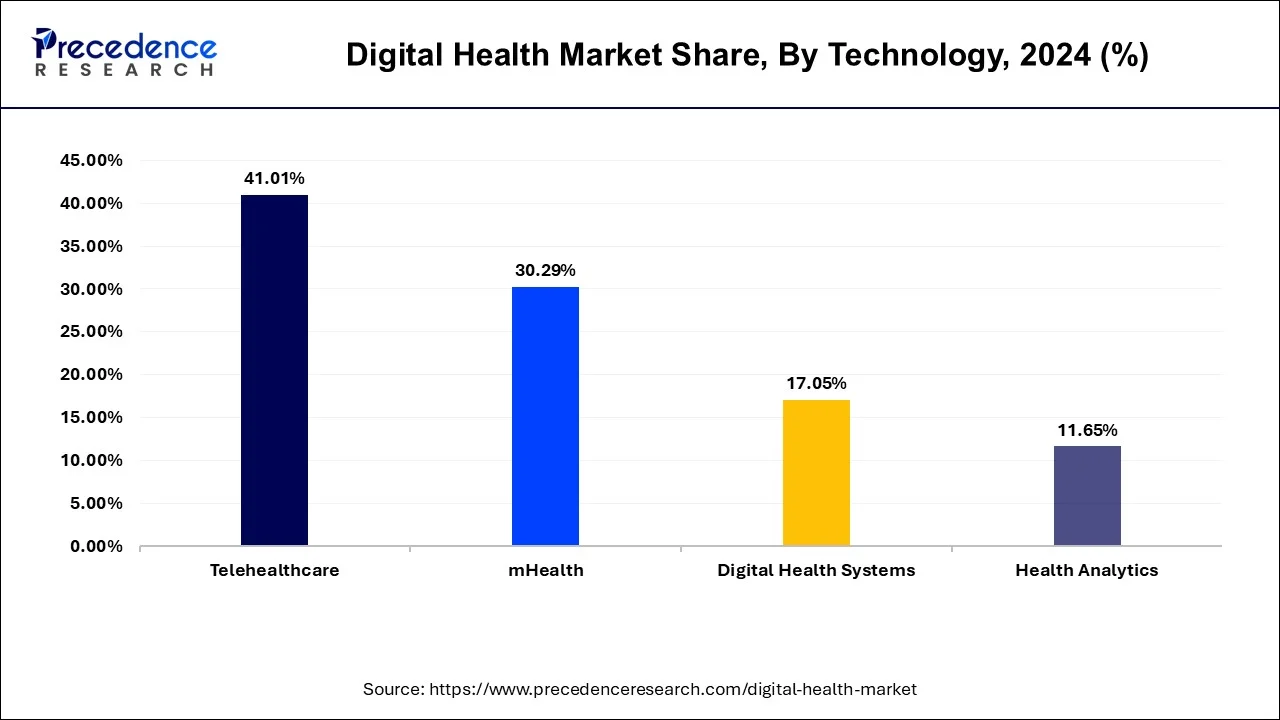
The mHealth segment is observed to witness the fastest rate of expansion in the digital health market during the forecast period, driven by growing use of smartphones, rising demand for self-management tools for chronic diseases, and use of wellness, fitness, and mental health apps. Wearable devices and smartphones optimized as personalized health management platforms allow disease prediction, prevention, diagnosis, and even treatment. In the post-pandemic era, the importance of mobile health has been highlighted, and strong growth in this area is expected to continue.
Global Digital Health Market Revenue, by Technology, 2022 to 2024 ( USD Million)
| Technology | 2022 | 2023 | 2024 |
| Telehealthcare | 1,02,965.6 | 1,02,965.6 | 1,48,618.6 |
| mHealth | 80,610.0 | 80,610.0 | 1,09,741.7 |
| Digital Health Systems | 47,699.6 | 47,699.6 | 61,787.6 |
| Health Analytics | 31,357.5 | 31,357.5 | 42,209.3 |
Regional Insights
Which Region Dominated the Digital Health Market in 2025?
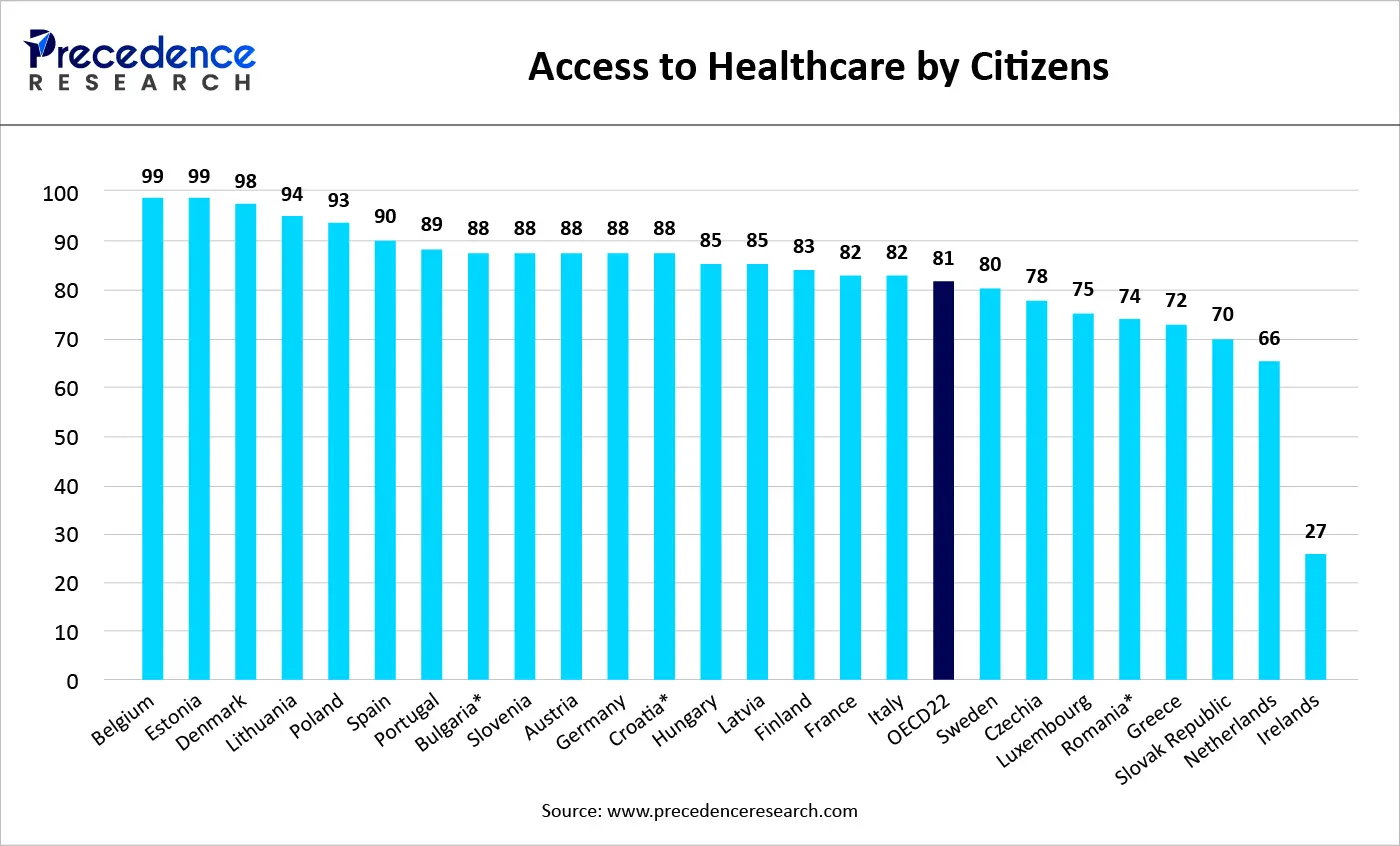
The regional analysis states that Europe dominated the digital health market in 2025. The core factors responsible for this growth were rising demand for healthcare solutions that provide convenience, accessibility, and improved patient outcomes. Furthermore, the region's digital health landscape is expanding because of the integration of Artificial Intelligence, data analytics, and connected devices, alongside an increasingly engaged and tech-savvy patient population. Northern and Western European nations such as Denmark, Estonia, Finland, Germany, and the Netherlands, are widely recognized as digital leaders. These countries have invested in interoperable health data infrastructure, national patient identifiers, and digital-first care pathways.
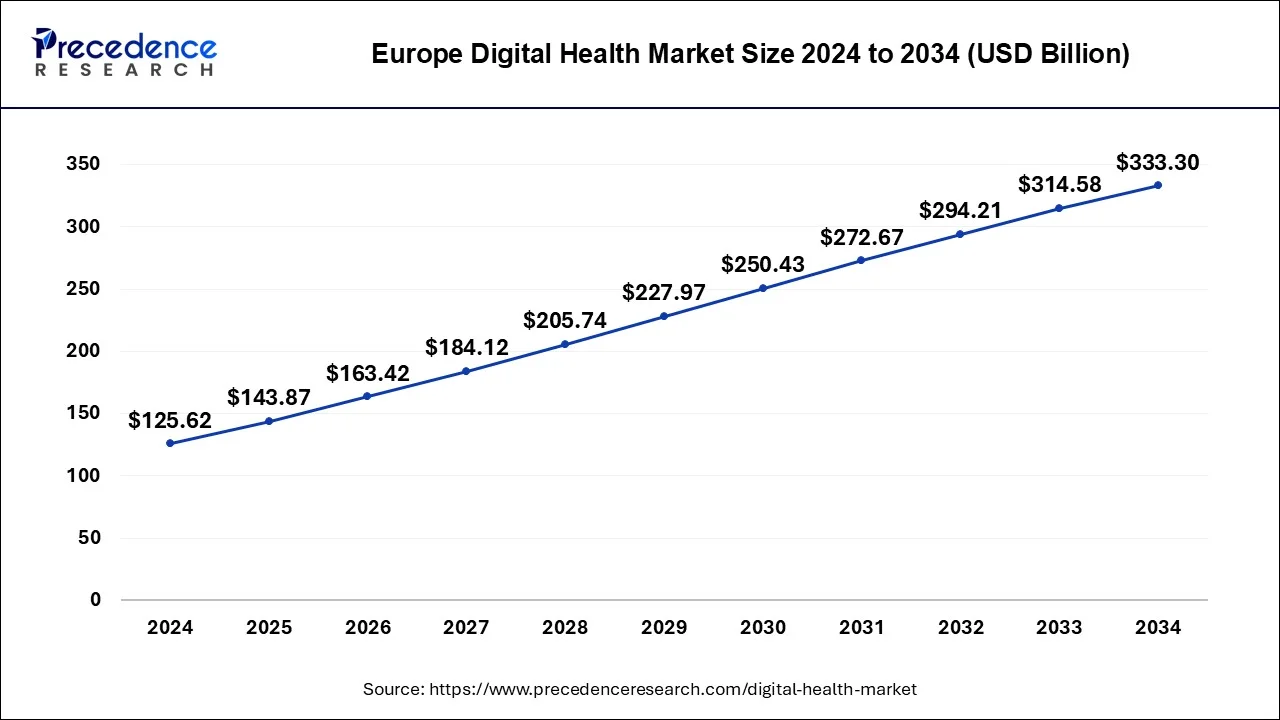
What is the Europe Digital Health Market Size?
The Europe digital health market size is estimated at USD 143.87 billion in 2025 and is predicted to be worth around USD 353.12 billion by 2035, at a CAGR of 9.39% from 2026 to 2035.
Germany Digital Health Market Trends
Germany digital health market is positively influenced by a rising focus on digital health innovation and transformation. Additionally, the rising prevalence of chronic diseases is boosting the industry, which heavily depends upon long-term monitoring and effective disease management. Digital health applications (DiGA) were introduced in 2020 and have since become a permanent part of the German healthcare landscape. By the end of 2024, more than 1 million doctor-prescribed or approved applications were expected, with statutory health insurance (GKV) expenditures estimated at around EUR 234 million.
Asia Pacific Digital Health Market Trends
The Asia Pacific region is anticipated to grow at the fastest rate during the forecast period, due to several factors, including rising healthcare costs, growing awareness of healthcare management's value, and supportive government initiatives. Healthcare facilities in the region are increasingly implementing healthcare IT solutions, such as practice management software, hospital information systems (HIS), and electronic health records (EHRs), to enhance patient care and operational efficiency.
India Digital Health Market Trends
India digital health market is evolving and bridging the urban and rural services with the help of telemedicine, electronic health records, and artificial intelligence (AI)-driven diagnostics. The demand for digital health solutions surged during COVID-19 led to increased virtual consultations, remote patient monitoring, and digital surgeries utilizing robotics, computer-assisted imaging, and AI. This trend accelerated the adaption to digital health.
Digital health Market Trends in India
- India's digital health market is expected to witness a notable growth rate during the forecasted years due to improved internet services and smartphone penetration across many regions of India with enhanced network coverage.
- Also, the government is supporting the digital health market to expand by presenting various initiatives like Disha and digital India. Initiatives like DISHA were introduced to regulate data about digital health records with security and federal structure.
- It also helps regulate at the national as well as state-level healthcare authorities, which is boosting the digital health market in India.
North America Digital Health Market Trends
The North America digital health Market is at the forefront of a technological resurgence in healthcare due to advanced patient outcomes, low operational inefficiencies, and transformed care delivery. The global rise in chronic diseases, such as diabetes and hypertension, acts as a primary catalyst for digital health adoption. Additionally, high smartphone penetration, improved healthcare digitalization, and an increasing preference for virtual healthcare services across the region support market growth.
Also, consumers preferences for telehealth counseling along with regulatory changes offering better reimbursement. Additionally, the lack of medical professionals needed to serve the growing geriatric population in the region further supports the growth of the digital health market in North America. The increasing prevalence of chronic and fatal diseases, such as cardiovascular diseases, cancer, and neurological disorders associated with aging, also drives demand for digital health solutions that enable timely attention and treatment.
Additionally, growing penetration of smartphones and easy internet access have relatively improved digital healthcare systems, which again foster virtual connections with healthcare professionals. The healthcare system is also rebounding by adding advanced software, hardware and services for patients who want to get remote treatment.
- For instance, in 2025, U.S. digital health startup and venture capitalist company, ROCK HEALTH, achieved USD 10.1 billion in funding with 497 deals.
U.S. Digital Health Market Trends
The U.S. market is experiencing growth due to strong adoption of telehealth services, and favorable reimbursement policies. Rising chronic disease burden, an aging population, and shortages of healthcare professionals are accelerating demand for remote monitoring, virtual care, and AI-driven healthcare solutions. Continued investment in healthcare IT infrastructure and innovation further supports market expansion.
Middle East and Africa Digital Health Market Trends
The Middle East and Africa digital health market is experiencing significant growth. In the GCC region, digitalization and public-private collaborations have significantly impacted health spending. In past few years, Saudi Arabia has allocated a huge portion for various initiatives, including digital health services aimed at improving efficiency, accessibility, and transparency in healthcare. Africa's healthcare challenges, such as limited access to medical facilities in rural areas, a shortage of healthcare professionals, and poor infrastructure, accelerate the adoption of mobile health solutions.
Saudi Arabia Digital Health Market Trends
Saudi Arabia's digital health market is characterized by rapid digitalization, rising healthcare spending, and improved access to care. The growth in digital health is propelled by the increasing number of users utilizing telemedicine, online pharmacies, and fitness and diet-management apps. By 2029, the number of digital health users in Saudi Arabia is expected to reach USD 16.2 million, reflecting the ongoing demand for virtual healthcare solutions.
Latin America Digital Health Market Trends
With a growing and aging population, healthcare organizations in the region face mounting pressure to deliver quality care while operating in resource-constrained environments. Simultaneously, digital transformation is advancing rapidly to overcome this pressure. Latin America region is experiencing rapid growth due to extensive governmental investment and increasing technological adaptation in regional healthcare infrastructure. Connectivity, flexibility, and patient-centered innovation are key factors shaping the future of healthcare in Latin America.
Brazil Digital Health Market Trends
Brazil is at the forefront of the digital health market in Latin America. Brazil is emerging as one of Latin America's most promising markets for telemedicine and digital health investment, driven by a combination of regulatory reform, technological adoption, and growing demand for accessible healthcare. The country offers numerous opportunities for scalable telehealth platforms, AI-enabled solutions, and mobile health applications.
Competitive Landscape
The digital health market is highly fragmented, and the competitive landscape is characterized by a large number of small and medium-sized enterprises operating in different sectors, such as wearable devices, telemedicine, EHRs, and mobile health apps. Key players in the digital health market include Google, Apple, Philips, Medtronic, and Roche, among others. In addition, product innovation and regional expansion are the primary aims of these market players for growing into the digital health market. Major players in the digital health market are significantly pursuing innovation and strategic partnerships to strengthen their position in the market.
Digital Health Market Comapnies
- Athenahealth Inc.: Provides cloud-based electronic health records (EHR), medical billing, and practice management solutions, enabling clinics and hospitals to streamline workflows, improve patient engagement, and optimize revenue cycle management.
- Cisco Systems: Offers healthcare networking, telehealth infrastructure, secure data communication, and collaboration platforms, supporting hospitals and clinics in implementing virtual care, connected devices, and AI-driven healthcare solutions.
- McKesson Corporation: Delivers healthcare IT solutions, pharmacy automation, supply chain management, and data analytics, helping hospitals and pharmacies improve operational efficiency, patient safety, and care delivery.
- Koninklijke Philips N.V.: Provides digital health platforms, patient monitoring systems, telehealth solutions, and AI-enabled analytics, focusing on connected care, chronic disease management, and hospital workflow optimization.
- AdvancedMD Inc.: Offers cloud-based EHR, practice management, telemedicine, and patient engagement software for small to mid-sized healthcare providers, improving operational efficiency and care coordination.
- Cerner Corporation: Delivers comprehensive EHR, population health management, revenue cycle management, and analytics solutions, enabling healthcare organizations to enhance clinical outcomes, streamline operations, and support data-driven decision-making.
Other Major key Players
- BioTelemetry Inc
- eClinicalWorks
- Allscripts Healthcare Solutions Inc
- iHealth Lab Inc
- AT & T
- Honeywell International Inc
Key Companies & Market Share Insights
The global digital health market seeks intense competition among the market participants owing to the strategic initiatives adopted by them to gain maximum market share on the global scale. Further, product innovation and regional expansion are the prime motive of these market players for cementing their foothold in the market.
Recent Developments
- In July 2026, LENZ Therapeutics, Inc., a pharmaceutical firm dedicated to the commercialization of VIZZ 1.44%, the first and only aceclidine-based eye drop for the treatment of presbyopia, announced the availability of VIZZ through a convenient telehealth platform. This platform enables an integrated online evaluation conducted by independent licensed eye care providers and facilitates prescription fulfillment through an epharmacy and home delivery service.
- In May 2025, Oracle Health, the Cleveland Clinic, and G42 formed a strategic partnership to develop an AI-driven healthcare platform. The collaboration aims to improve patient care and public health through AI, large-scale data analytics, and intelligent clinical tools, providing secure, scalable, and accessible healthcare solutions.
- In March 2025, Google launched AI-powered initiatives at The Check Up, including Health Connect APIs that let apps securely manage medical records and track over 50 health categories. The app is keeping all data private on users' devices, strengthening interoperability across digital health platforms, and enabling more personalized, privacy-first healthcare experiences.
- In January 2024, 98point6 technologies acquired bright.md. Aiming to expand the launch of asynchronous care modules, presented by 98points6 technologies. This development offers a license for integrated, purpose-built clinician solutions that support multiple care delivery models for healthcare organizations.
- In January 2024, JD Healthcare launched an innovative channel for its application to elderly care which offers a comprehensive platform for the various healthcare needs of the geriatric population in China.
Segments Covered in the Report
By Component
- Software
- Hardware
- Services
By Technology
- Telehealthcare
- Telehealth
- Video Consultation
- LTC Monitoring
- Telecare
- Remote Medication Management
- Activity Monitoring
- Telehealth
- mHealth
- Apps
- Fitness Apps
- Medical Apps
- Wearables
- Glucose Meter
- BP Monitor
- Pulse Oximeter
- Neurological Monitors
- Sleep Apnea Monitor
- Others
- Apps
- Digital Health Systems
- E-prescribing Systems
- Electronic Health Records
- Health Analytics
By Region
- North America
- Europe
- Asia Pacific
- Latin America
- Middle East & Africa
For inquiries regarding discounts, bulk purchases, or customization requests, please contact us at sales@precedenceresearch.com
Frequently Asked Questions
Tags





Ask For Sample
No cookie-cutter, only authentic analysis – take the 1st step to become a Precedence Research client
 Get a Sample




 sales@precedenceresearch.com
 Schedule a Meeting
