



Amyloid Beta Therapeutics Market Size, Companies, Share, Patient Volume, Treatment Adoption Rates, Pricing Analysis, Regulatory Landscape, Competitive Positioning, and Demand Forecast
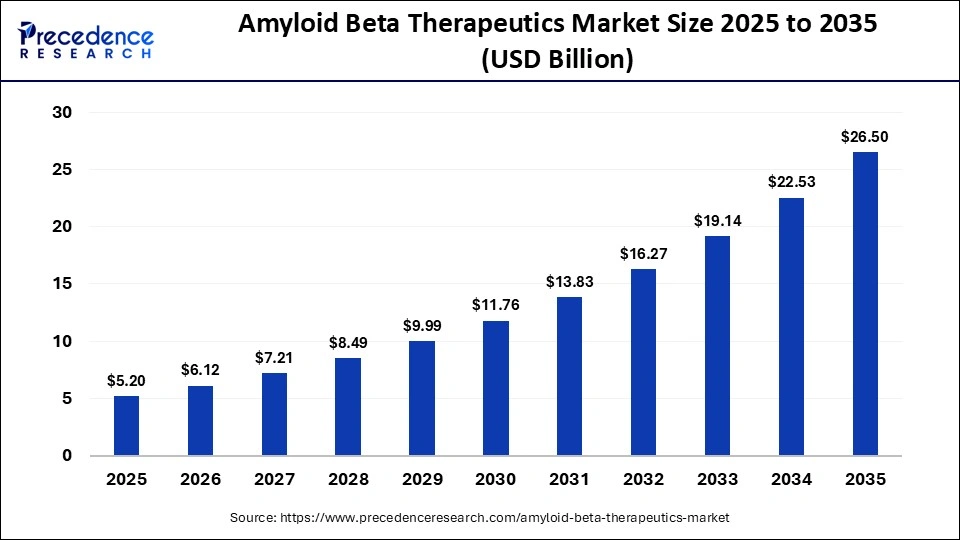
Rohan Patil, a Healthcare Industry Expert, highlights that the amyloid beta therapeutics market has reached USD 6.12 billion in 2026 and is on track to reach USD 26.50 billion by 2035, advancing at a CAGR of 17.80%. Key amyloid beta therapeutics market companies shaping the market include Biogen Inc., Eisai Co., Ltd., F. Hoffmann-La Roche Ltd., Eli Lilly and Company, Novartis AG, while major growth segments span By Therapeutic Type, By Indication, By Mechanism of Action, By Route of Administration, By End-use.
Source: https://www.precedenceresearch.com/amyloid-beta-therapeutics-market
 Get a Sample
 Table Of Content


What is the Amyloid Beta Therapeutics Market Size in 2026?
The global amyloid beta therapeutics market size is predicted to increase from USD 6.12 billion in 2026 to approximately USD 26.50 billion by 2035, expanding at a CAGR of 17.80% from 2026 to 2035. The market is driven by rising Alzheimer's cases and demand for safer targeted therapies.
Key Takeaways
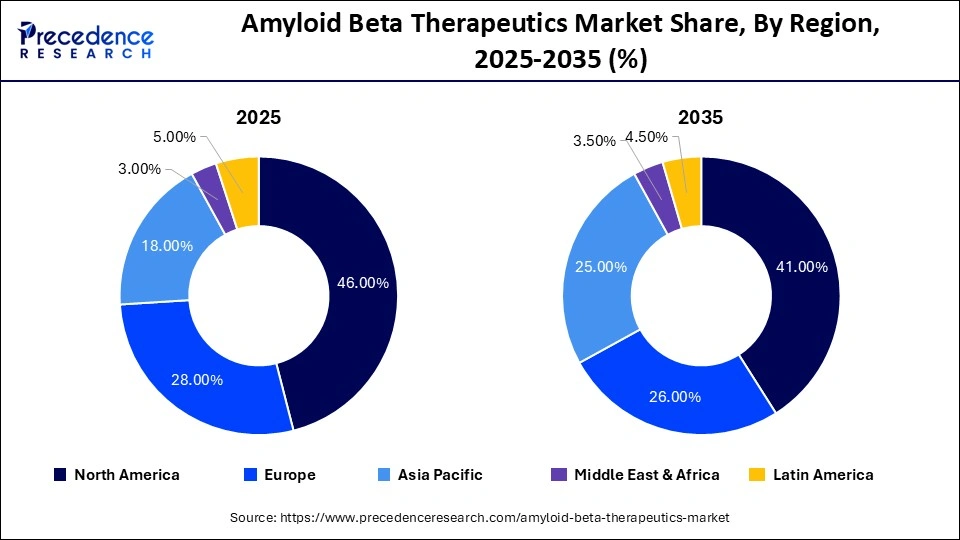
- North America dominated the global amyloid beta therapeutics market, accounting for a 46% share in 2025.
- Asia-Pacific is expected to grow at the fastest CAGR of 22% during the forecast period.
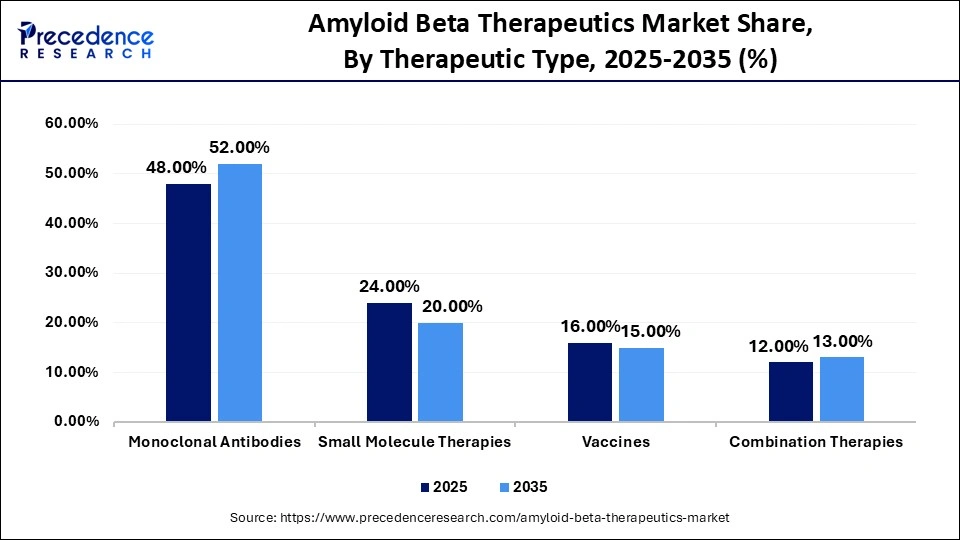
- By therapeutic type, the monoclonal antibodies segment held a dominant position in the market, accounting for 48% of the market share in 2025.
- By therapeutic type, the combination therapies segment is expected to grow at the fastest CAGR of 21.5% between 2026 and 2035.
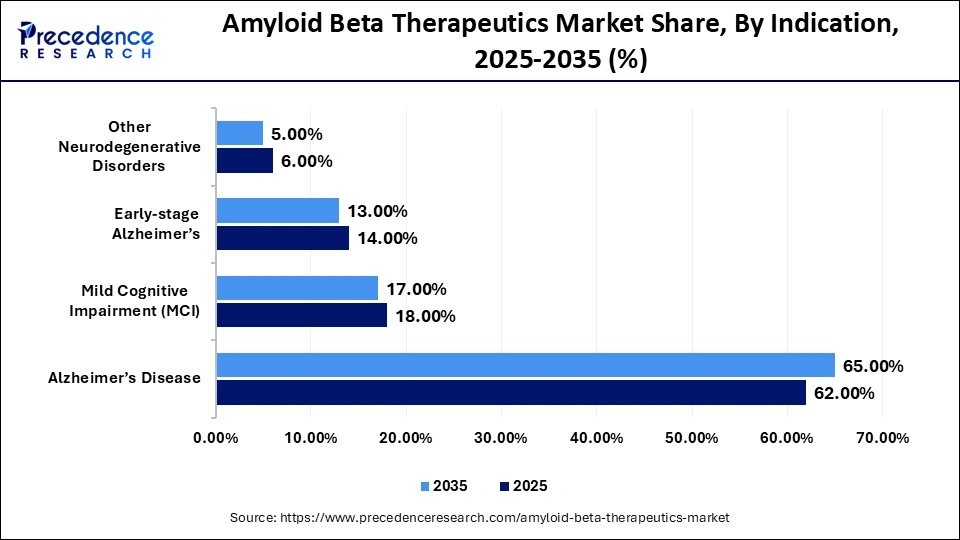
- By indication, the Alzheimer's disease segment accounted for a considerable revenue share of 62% in the market in 2025 and is expected to expand rapidly with a CAGR of 18.5% during the forecast period.
- By indication, the mild cognitive impairment (MCI) segment held 18% of the market share in 2025 and is expected to grow at a 15% CAGR between 2026 and 2035.
- By mechanism of action, the amyloid plaque clearance segment led the global amyloid beta therapeutics market with a share of 40% in 2025 and is expected to grow at the highest CAGR of 20% during the forecast period.
- By mechanism of action, the amyloid production inhibition segment held 26% of the market share in 2025 and is expected to grow at a 13% CAGR between 2026 and 2035.
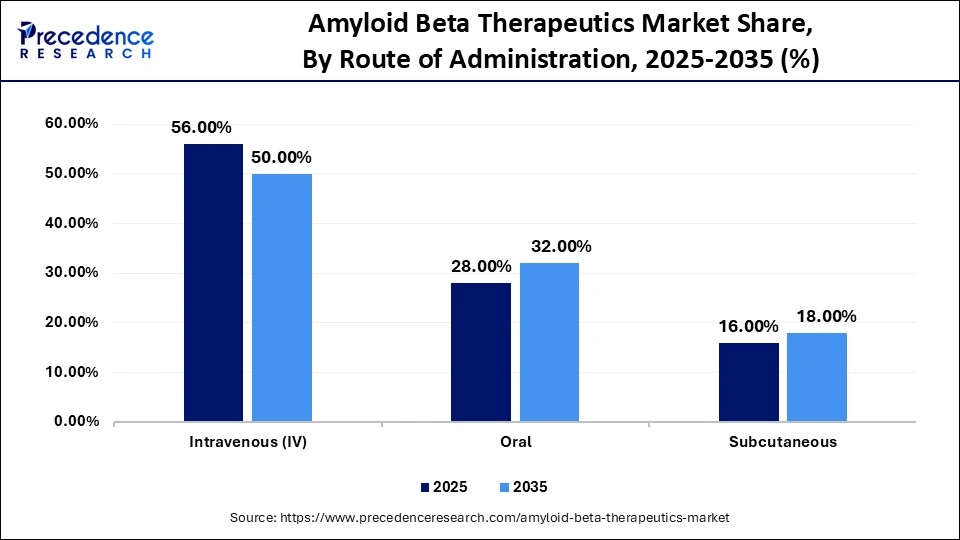
- By route of administration, the intravenous (IV) segment accounted for a considerable revenue share of 56% in the market in 2025.
- By route of administration, the subcutaneous segment is expected to grow at the highest CAGR of 20% between 2026 and 2035.
- By end-use, the hospitals segment accounted for a considerable revenue share of 42% in the market in 2025.
- By end-use, the pharmaceutical and biotechnology companies segment is expected to grow at the fastest CAGR of 24% between 2026 and 2035.
Advancing Amyloid Beta Therapeutics for Next Generation Alzheimer's Treatment Innovation
The amyloid beta therapeutics market is intended to concentrate on the progress and commercialisation of medications focused on the amyloid beta protein buildup in the brain, which is one of the fundamental pathological markers of Alzheimer's disease. The goal of these therapeutics is to decrease, prevent, or eliminate amyloid plaques and thus arrest or decrease cognitive decline in patients suffering from the condition. The market growth is driven by the rising incidence of Alzheimer's disease, the rising elderly population, and educated awareness about neurodegenerative diseases, with a high degree of unmet medical need. Favorable reimbursement policies in developed markets, growing demand for early diagnostic screening, and a large clinical pipeline are key factors.
Key AI Integration in the Amyloid Beta Therapeutics Market
Artificial intelligence (AI) has been seen to improve the efficiency of clinical trials and the identification of biomarkers and drug discoveries in the context of disease treatment. With the help of AI tools that enable researchers to analyse large volumes of data surrounding the behavior of amyloid beta in patients, disease progression, and responses to treatments, they can more effectively and quickly identify novel therapeutic targets. Furthermore, AI-based predictive analysis and real-world data analysis are guiding the understanding of disease mechanisms, unlocking the major strides in safer and more effective therapeutic solutions against amyloid-beta across the world.
Amyloid Beta Therapeutics Market Trends
- The growing emphasis on targeting different oligomeric forms of the disease, and proteomics companies are researching the development of drugs that can selectively target each oligomer, without overreacting to the amyloid plaques and avoiding ARIA-induced brain swelling and microhemorrhages.
- Innovation in Alzheimer's disease treatment with higher investment in the research of monoclonal antibodies is generating new concepts to obtain higher efficacy for patients, better safety, and greater cognitive improvements, especially during the early stages of the disease.
- Strategic collaborations have been trending upwards between biotechnology and pharmaceutical companies and research organizations to pave the way for clinical trials, expand the toolbox for understanding the neurodegenerative landscape, enhance therapeutic pipelines, and provide extensive worldwide commercialisation of novel amyloid-beta treatment technologies.
Market Scope
| Report Coverage | Details |
| Market Size in 2025 | USD 5.20 Billion |
| Market Size in 2026 | USD 6.12 Billion |
| Market Size by 2035 | USD 26.50 Billion |
| Market Growth Rate from 2026 to 2035 | CAGR of 17.80% |
| Dominating Region | North America |
| Fastest Growing Region | Asia Pacific |
| Base Year | 2025 |
| Forecast Period | 2026 to 2035 |
| Segments Covered | Therapeutic Type, Indication, Mechanism of Action, Route of Administration, End-use, and Region |
| Regions Covered | North America, Europe, Asia-Pacific, Latin America, and Middle East & Africa |
Market Dynamics
Drivers
Rising Prevalence of Alzheimer's Disease and Demand for Disease-Modifying Therapies
The increasing occurrence of Alzheimer's disease all over the world is one of the key reasons driving the growth of the market. As a result of aging populations, particularly those of North America, Europe, and the Asia-Pacific, the number of cases of neurodegenerative disorders has been on the rise, requiring improvements to the treatment and solutions provided. In the battle against Alzheimer's disease, the traditional mode of therapy treatments targets symptom relief, while the therapy on which is heavily focused – the fight against Amyloid-Beta, which seeks to address the underlying pathological process of the disease.
Restraints
Safety Concerns and High Clinical Development Costs
Although the market is given substantial growth potential, safety concerns of amyloid beta therapeutics are a significant restraining factor in the market growth. Certain experimental and approved drug treatments used to treat amyloid plaques have been linked to cerebral oedema and brain microhemorrhages – a form of imaging abnormalities known as amyloid-related imaging abnormalities. Doctors, government regulators, and patients have concerns regarding the potential side effects that have raised their awareness about the consequences of these treatments and broader adoption.
Opportunity
Advancements in Precision Medicine and AI-Driven Drug Discovery
With the development of precision medicine and AI systems, the market is expected to achieve robust growth. The applications of AI in drug discovery are accelerating drug target discovery, bio-pattern recognition of patients for clinical trials, and optimization of drug designs, which helps save time and expenses in clinical trials. There is an increasing number of studies that have investigated proteases targeting selective oligomer-Amyloid beta, with the potential improvement in effectiveness without an antibody that targets plaque, showing bad effects.
Segmental Insights
Therapeutic Type Insights
Amyloid Beta Therapeutics Market Share, By Therapeutic Type, 2025-2035 (%)
| Therapeutic Type | 2025 | 2035 | CAGR (%) |
| Monoclonal Antibodies | 48.00% | 52.00% | 20.50% |
| Small Molecule Therapies | 24.00% | 20.00% | 12.50% |
| Vaccines | 16.00% | 15.00% | 16.00% |
| Combination Therapies | 12.00% | 13.00% | 21.50% |
The Monoclonal Antibodies Segment Held the Largest Market Share of 48% in 2025
The monoclonal antibodies segment generated approximately USD 2.50 billion in 2025 and is projected to reach nearly USD 13.78 billion by 2035, growing at a CAGR of 20.5% during the forecast period. The monoclonal antibodies segment held a dominant position in the amyloid beta therapeutics market with a share of 48% in 2025. Improvements in the efficiency of treatment and disease modification continue to be a major focus in which the pharmaceutical industry invests heavily and conducts much research into biologicals. Trends toward targeted antibody therapies as well as biomarker-based diagnostics and precision medicine approaches are also helping to drive growth in the segment.
The combination therapies segment accounted for approximately USD 620 million in 2025 and is expected to reach nearly USD 3.45 billion by 2035 at the fastest CAGR of 21.50% during the forecast period. The combination therapies segment held a 12% of the market share in 2025, as more interest in developing multi-targeting therapies for neurodegenerative diseases arises. Pharma and biotechnology firms targeting the multi-targeted combination therapies are actively underway that would seek to produce enhanced therapeutic results and attack multiple pathways of the disease. Investment for developing combination treatments is gaining momentum with more people acknowledging that improved efficacy, improved cognitive maintenance, and decreased disease progression are essential.
The small molecule therapies segment generated approximately USD 1.25 billion in 2025 and is projected to reach nearly USD 5.30 billion by 2035, growing at a CAGR of 12.50% during the forecast period. The small molecule therapies segment held a 24% of the market share in 2025 during the projection period, driven by the growing turnover of the development of medications for oral neurodegenerative indications and the growing interest in the inhibition of amyloid beta production pathways. The pharma industry is working on cost-effective and patient-friendly treatment options that can unfold better long-term treatment and access. The segment is largely benefiting from the demand for oral therapeutic options with greater patient adherence and ease of administration.
The vaccines segment accounted for approximately USD 830 million in 2025 and is projected to reach nearly USD 3.98 billion by 2035, growing at a CAGR of 16% during the forecast period. The vaccines segment held a 16% of the market in 2025 during the projection period, attributed to an improved interest in the line of active immunotherapy approaches for neurodegenerative disease. Researchers are increasingly shifting their focus to peptide vaccines that evoke long-lasting immune responses to the toxic amyloid beta proteins and have few side-effects to them. Combined with investment in new vaccine technologies and encouraging investments in preventative measures in Alzheimer's treatment, drives the segment growth.
Indication Insights
Amyloid Beta Therapeutics Market Share, By Indication, 2025-2035 (%)
| Indication | 2025 | 2035 | CAGR (%) |
| Alzheimer's Disease | 62.00% | 65.00% | 18.50% |
| Mild Cognitive Impairment (MCI) | 18.00% | 17.00% | 15.00% |
| Early-stage Alzheimer's | 14.00% | 13.00% | 16.50% |
| Other Neurodegenerative Disorders | 6.00% | 5.00% | 10.50% |
The Alzheimer's Disease Segment Held the Largest Market Share of 62% in 2025
The Alzheimer's disease segment generated approximately USD 3.22 billion in 2025 and is projected to reach nearly USD 17.23 billion by 2035, growing at the fastest CAGR of 18.50% during the forecast period. The Alzheimer's disease segment held a dominant position in the amyloid beta therapeutics market with a share of 62% in 2025, because of the rising prevalence of Alzheimer's disease in the world and the increasing need for therapies that may be able to modify the disease. The awareness of early diagnosis, ageing population, and increased investments towards healthcare to treat neurodegenerative disorders also boost the segment's growth. Pharmaceutical and biotechnology firms are investing in targeting amyloid beta to slow cognitive decline and enhance patient outcomes.
The mild cognitive impairment segment accounted for approximately USD 940 million in 2025 and is projected to reach nearly USD 4.51 billion by 2035, growing at a CAGR of 15% during the forecast period. The mild cognitive impairment segment held a 18% of the market share in 2025 and is expected to grow at a notable CAGR of 15.00% during the projection period, due to the emphasis on early-stage intervention strategies and prevention of cognitive decline. The importance of early diagnosis and treatment is increasingly recognized, and biomarker-based therapeutic interventions have been used in people with MCI. The pharmaceutical industry is looking for drugs that will delay the onset of moderate dementia to the stage of Alzheimer's disease.
The early-stage Alzheimer's segment generated approximately USD 728 million in 2025 and is expected to reach nearly USD 3.45 billion by 2035, expanding at a CAGR of 16.50% during the forecast period. The early-stage Alzheimer's segment held a 14% of the market share in 2025 during the projection period, driven by the growth in the focus on early diagnosis and intervention strategies. Significantly more attention is now paid to detecting early signs of cognitive change for treatment that works better and halts the progression of the disease. The increased early-stage patient participation in clinical trials and greater awareness of the prevention of neurodegenerative diseases.
Mechanism of Action Insights
The Amyloid Plaque Clearance Segment Dominated the Market with 40% of Market Share in 2025
The amyloid plaque clearance segment generated approximately USD 2.08 billion in 2025 and is projected to reach nearly USD 11.66 billion by 2035, growing at a CAGR of 20% during the forecast period. The amyloid plaque clearance segment registered its dominance over the global amyloid beta therapeutics market with a share of 40% in 2025 over the studied period, due to the significance of neuronal damage minimization and maintenance of cognitive functions. Treatment methods targeting the maintenance of synapses and the proper function of communication between brain cells in people with neurodegenerative diseases are being investigated more closely. The importance of synaptic degeneration during the course of Alzheimer's disease is leading to investment in the development of therapeutics that help protect synapses.
The amyloid production inhibition segment accounted for approximately USD 1.35 billion in 2025 and is projected to reach nearly USD 5.83 billion by 2035, growing at a CAGR of 13.00% during the forecast period. The amyloid production inhibition segment held a 26% of the market share in 2025 during the projection period, due to its wide use of monoclonal antibody therapies and clinical use in hospital settings. The currently marketed biologic drugs that treat Alzheimer's disease have to be injected intravenously to deliver the correct dosage and therapeutic dose. The availability of better access by patients to speciality neurological treatments provides further support for the segment growth.
Amyloid Beta Therapeutics Market Share, By Mechanism of Action, 2025-2035 (%)
| Mechanism of Action | 2025 | 2035 | CAGR (%) |
| Amyloid Plaque Clearance | 40.00% | 44.00% | 20.00% |
| Amyloid Production Inhibition | 26.00% | 22.00% | 13.00% |
| Neuroinflammation Reduction | 14.00% | 13.00% | 15.50% |
| Synaptic Protection | 10.00% | 11.00% | 17.00% |
| Neuroprotection Enhancement | 10.00% | 10.00% | 16.50% |
The synaptic protection segment generated approximately USD 520 million in 2025 and is projected to reach nearly USD 2.92 billion by 2035 at the fastest CAGR of 17% during the forecast period. The synaptic protection segment held a 10% of the market in 2025 during the projection period, driven by increasing evidence that there is a correlation between inflammation and progression in neurodegenerative disease. Anti-inflammatory neurological treatments are being developed to reduce the inflammation of the brain that is caused by the buildup of amyloid beta and damage to neurons. The increasing acceptance of adjunct treatments with drugs that control inflammation and target amyloid.
The neuroinflammation reduction segment accounted for approximately USD 728 million in 2025 and is projected to reach nearly USD 3.45 billion by 2035, growing at a CAGR of 15.5% during the forecast period. The neuroinflammation reduction segment held a 14% of the market share in 2025 during the projection period. In the treatment of Alzheimer's disease, researchers are developing drugs that block the formation of amyloid beta, before plaques actually form, which could be a step towards prevention. With the increasing demand for oral small-molecule drugs and the progress of enzyme-targeting drug development, the growth is expected to be significant in this segment.
Route of Administration Insights
Amyloid Beta Therapeutics Market Share, By Route of Administration, 2025-2035 (%)
| Route of Administration | 2025 | 2035 | CAGR (%) |
| Intravenous (IV) | 56.00% | 50.00% | 16.80% |
| Oral | 28.00% | 32.00% | 18.50% |
| Subcutaneous | 16.00% | 18.00% | 20.00% |
The Intravenous (IV) Segment held a 56% Share of the Market in 2025
The intravenous (IV) segment generated approximately USD 2.91 billion in 2025 and is projected to reach nearly USD 13.25 billion by 2035, growing at a CAGR of 16.8% during the forecast period. The intravenous (IV) segment registered its dominance over the global amyloid beta therapeutics market with a share of 56% in 2025. A major challenge for drug companies is to use anti-aggregation monoclonal antibodies to prevent the buildup of amyloid and to slow cognitive decline in persons with Alzheimer's. Regulatory approval of plaque-targeting biologics is a key driver, along with rising investments in neurodegenerative disease research.
The oral segment accounted for approximately USD 1.46 billion in 2025 and is projected to reach nearly USD 8.48 billion by 2035, growing at a CAGR of 18.5% during the forecast period. The oral segment held a 28% of the market share in 2025, aided by a trend towards ease of administration of long-term treatment. Growing preference for oral drugs over infusion reflects patient and health professional preferences towards the ability to avoid relying on hospital-based infusion services. Oral therapies are new and active research arenas by the pharmaceutical industry to reduce amyloid beta production and slow the progression of the disease in neurodegenerative diseases.
The subcutaneous segment generated approximately USD 830 million in 2025 and is projected to reach nearly USD 4.77 billion by 2035 at the fastest CAGR of 20% during the forecast period. The subcutaneous segment held a 16% of the market share in 2025, spurred by the increased emergence of self-administered therapeutic products. Subcutaneous formulations, ease in use, outpatient neurological treatment, and reducing reliance on hospitals are the targets chosen by pharma companies. The increased demand for administration techniques that are easier for the patient to accept, as well as new drug delivery systems.
End-use Insights
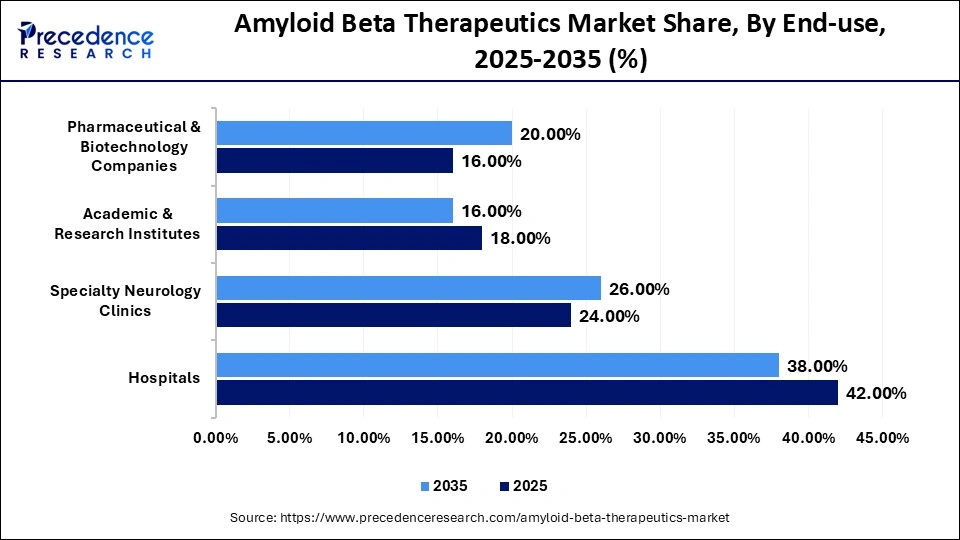
Amyloid Beta Therapeutics Market Share, By End-use, 2025-2035 (%)
| End-use | 2025 | 2035 | CAGR (%) |
| Hospitals | 42.00% | 38.00% | 16.00% |
| Specialty Neurology Clinics | 24.00% | 26.00% | 19.50% |
| Academic & Research Institutes | 18.00% | 16.00% | 14.50% |
| Pharmaceutical & Biotechnology Companies | 16.00% | 20.00% | 24.00% |
The Hospitals Segment Held a 42% Share of the Market in 2025
The hospitals segment generated approximately USD 2.18 billion in 2025 and is projected to reach nearly USD 10.07 billion by 2035, growing at a CAGR of 16% during the forecast period. The hospitals segment registered its dominance over the global amyloid beta therapeutics market with a share of 42% in 2025, driven by an influx of patients and growing biologic treatments via infusion, particularly for the treatment of neurodegenerative diseases. However, treatment with monoclonal antibodies continues to be performed in the hospital environment, and hospitalisation continues to be required for treatment-related monitoring. More advanced neurology departments, specialised infusion centres, and multi-disciplinary Alzheimer's care programs are becoming available.
The speciality neurology clinics segment accounted for approximately USD 1.25 billion in 2025 and is projected to reach nearly USD 6.89 billion by 2035, growing at a CAGR of 19.5% during the forecast period. The speciality neurology clinics segment held a 24% of the market share in 2025, due to the demand for more specialized cognitive disorder treatment services. These clinics provide tailored neurological therapy, the best clinical plans, and cutting-edge diagnostics for anyone with cognitive problems and Alzheimer's. Biomarker-based drugs and precision medicines are driving significant growth in the segment.
The academic & research institutes segment generated approximately USD 940 million in 2025 and is projected to reach nearly USD 4.24 billion by 2035, growing at a CAGR of 14.5% during the forecast period. The academic & research institutes segment held a 18% of the market share in 2025, fueled by a growing amount of research in the field of neuroscience. Institute-based biocompound analysis research projects, amyloid beta studies, and biomedical therapy research projects are conducted for the early stages of neurodegenerative diseases. Research institutions, pharma, and biotech are working closely with each other to foster innovations and increase clinical research opportunities.
The pharmaceutical and biotechnology companies segment accounted for approximately USD 830 million in 2025 and is projected to reach nearly USD 5.30 billion by 2035 at the fastest CAGR of 24% during the forecast period. The pharmaceutical and biotechnology companies segment held a 16% of the market share in 2025, due to the growing number of investments and investment schemes for Alzheimer's drugs in drug pipelines. The rising prevalence of neurodegenerative disorders is an increasing focus area for companies developing therapeutics designed to target the amyloid proteins, precision medicine strategies, and new biologic development. The need for therapeutic innovation and commercialisation is galvanised by strategic partnerships, licensing agreements, and collaborative research initiatives.
Regional Insights
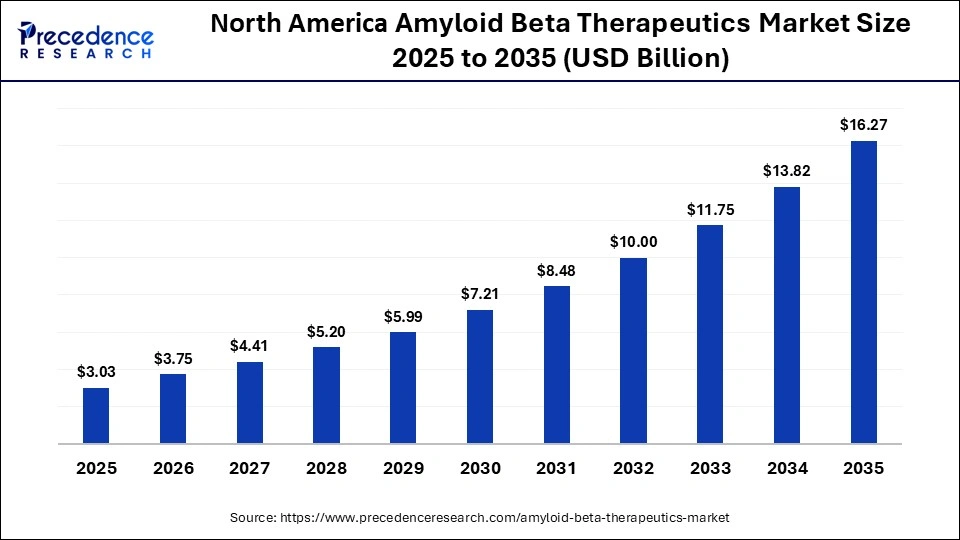
North America Amyloid Beta Therapeutics Market Size and Growth 2026 to 2035
The North America amyloid beta therapeutics market size is estimated at USD 3.03 billion in 2025 and is projected to reach approximately USD 16.27 billion by 2035, with a 16.50% CAGR from 2026 to 2035.
Which Factors Drive the Amyloid Beta Therapeutics Market in North America?
North America held a major market share of 46% in 2025, owing to the development efforts that are focused on Alzheimer's, with much success by the FDA and high approval rates. Biotechnology and pharma companies are making significant investments in the R&D of neurodegenerative drugs, securing the market growth. Favorable government support in launching initiatives to promote the development of novel therapeutics.
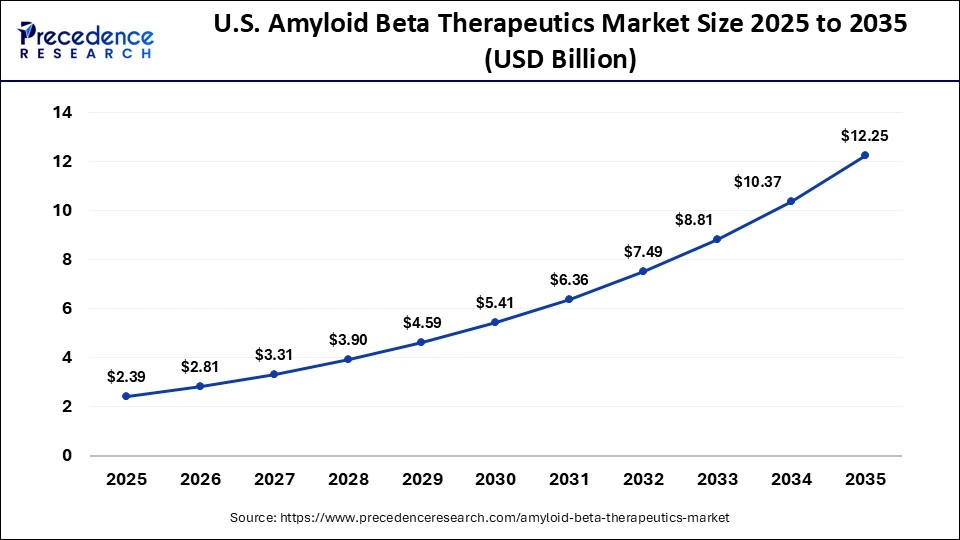
U.S. Amyloid Beta Therapeutics Market Size and Growth 2026 to 2035
The U.S. amyloid beta therapeutics market size is calculated at USD 2.39 billion in 2025 and is expected to reach nearly USD 12.25 billion in 2035, accelerating at a strong CAGR of 16.63% between 2026 and 2035.
U.S. Market Trends
The U.S. represents a large market with respect to the market, as the advanced healthcare ecosystem, high prevalence rate of Alzheimer's disease, and the country's strong pharmaceutical research. The U.S. Food and Drug Administration will further promote accelerated approval, as well as investigation of clinical innovation in therapeutic areas for Alzheimer's, providing biotechnology companies with tempting opportunities to widen their research efforts. There is growing enthusiasm in academic labs and drug companies to progress toward using precision medicine and biomarker-directed treatment plans.
How is Asia-Pacific Growing in the Amyloid Beta Therapeutics Market?
Asia-Pacific held a 18% of the market in 2025 and is expected to grow at the fastest CAGR of 22% during the projection period, due to rapid ageing of populations, such as in China and Japan. Growth of the region's healthcare spending on neurological diseases and awareness building on the diagnosis and treatment of Alzheimer's are playing a significant role in the growth of the region. The growing integration of precision medicine avenues, the growing healthcare infrastructure, and the changing healthcare regulatory landscape.
China Market Trends
China's market is anticipated to grow significantly, as there is an increase in the prevalence of Alzheimer's disease and other neurodegenerative diseases. The market is undergoing sufficient enhancements in model-driven investments in healthcare and rising governmental initiatives for neurological disease management. Moreover, improving the healthcare infrastructure, rising awareness among the population regarding early cognitive disorder intervention, and the increasing number of neurological diagnostics are fueling the market.
Will Europe Experience Notable Growth in the Amyloid Beta Therapeutics Market?
Europe held a 28% of the market share in 2025 and is expected to grow at a notable CAGR of 15.8% during the projection period, due to increased use of disease-modifying anti-Alzheimer drugs in this area. Newly established academic and neurological research infrastructure is helping with the development of biomarker research, monoclonal antibodies, and precision neurology studies. Moreover, there's an increased level of collaboration between pharmaceutical firms, scientific research institutes, and healthcare institutions, stimulating clinical trial processes and therapeutic innovation.
UK Market Trends
The UK neurological research landscape, high-quality healthcare systems and an increasing commitment to providing support for care. In addition, R&D efforts on Alzheimer's disease research programs and precision medicine efforts have been gradually increasing in the country to promote early diagnosis and treatment. Additionally, there is heightened awareness of cognitive health, and the growing popularity of approaches using biomarkers in treating the condition is helping drive market growth.
Amyloid Beta Therapeutics Market Value Chain Analysis
R&D: Innovation is the key focus of R&D in the healthcare sector, as it seeks to find, formulate, and optimise medical technologies and processes for gaps in unmet medical needs, and aims to do this efficiently and safely.
Key Players: Biogen Inc., Eisai Co., Ltd., F. Hoffmann-La Roche Ltd., Eli Lilly and Company, Pfizer Inc., Johnson & Johnson, Novartis AG, AbbVie Inc.
Clinical Trials and Regulatory Approvals: Regulatory Approvals and Clinical Trials are the different stages that new drugs and Medical Devices go through to aid in testing the quality, safety, and effectiveness of these products before they can be marketed globally.
Key Players: AC Immune, Prothena Corporation, Cassava Sciences, Alzheon Inc., TauRx Pharmaceuticals
Patient Support and Services: The objective of Patient Support & Services is to maintain patients in their therapy, supporting them in education, counselling, financial support, adherence programs, and individualised care coordination, and thereby improving the patient's outcomes, access to care, patient experience of care, and well-being support.
Key Players: Cognition Therapeutics, Annovis Bio
Amyloid Beta Therapeutics Market Companies
- Biogen Inc.
- Eisai Co., Ltd.
- F. Hoffmann-La Roche Ltd.
- Eli Lilly and Company
- Novartis AG
- Pfizer Inc.
- AbbVie Inc.
- Johnson & Johnson
- AC Immune SA
- Alzheon Inc.
- Cassava Sciences
- TauRx Pharmaceuticals
- Prothena Corporation
- Cognition Therapeutics
- Annovis Bio
Recent Developments
- In April 2026, Cyclerion Therapeutics and Korsana Biosciences announced an all-stock merger to speed up the development of therapies for neurodegenerative diseases. Upon completion, the two companies will be consolidated into a single business, Korsana Biosciences, Inc., with transaction trading symbols “KRSA,” trading on Nasdaq.(Source: https://www.businesswire.com)
- In June 2025, Alnylam Pharmaceuticals was approved to market its drug, AMVUTTRA (vutrisiran), in adult patients with hereditary and wild-type ATTR amyloidosis in the EU. The approval is based on the significant reduction in overall mortality and recurrent cardiovascular events observed in the HELIOS-B Phase 3 study.(Source: https://investors.alnylam.com)
Segments Covered in the Report
By Therapeutic Type
- Monoclonal Antibodies
- Anti-amyloid Beta Antibodies
- Passive Immunotherapies
- Small Molecule Therapies
- Beta-secretase (BACE) Inhibitors
- Gamma-secretase Inhibitors
- Vaccines
- Active Immunotherapies
- Peptide Vaccines
- Combination Therapies
- Amyloid & Tau Combination Therapies
- Multi-target Neuroprotective Therapies
By Indication
- Alzheimer's Disease
- Mild Cognitive Impairment (MCI)
- Early-stage Alzheimer's
- Other Neurodegenerative Disorders
By Mechanism of Action
- Amyloid Plaque Clearance
- Amyloid Production Inhibition
- Neuroinflammation Reduction
- Synaptic Protection
- Neuroprotection Enhancement
By Route of Administration
- Intravenous (IV)
- Oral
- Subcutaneous
By End-use
- Hospitals
- Specialty Neurology Clinics
- Academic & Research Institutes
- Pharmaceutical & Biotechnology Companies
By Region
- North America
- Latin America
- Europe
- Asia-pacific
- Middle and East Africa
For inquiries regarding discounts, bulk purchases, or customization requests, please contact us at sales@precedenceresearch.com
Frequently Asked Questions





Ask For Sample
No cookie-cutter, only authentic analysis – take the 1st step to become a Precedence Research client
 Get a Sample




 sales@precedenceresearch.com
 Schedule a Meeting
