



Animal Biotechnology Market Size, Key Companies, Company Product Portfolio, Hospital Procurement Trends, Manufacturing Capacity, Sales Performance, Regulatory Approvals, Company Market Share, and Forecast
Animal Biotechnology Market (By Product: Diagnostics Tests, Vaccines, Drugs, Reproductive and Genetic, Feed Additives; By Animal Type: Companion, Livestock; By Application: Diagnosis of Animal Diseases, Treatment of Animal Diseases, Preventive Care of Animals, Drug Development, Others; By End-use: Laboratories, Point-of-Care Testing/In-house Testing, Veterinary Hospitals & Clinics, Others) - Global Industry Analysis, Size, Trends, Leading Companies, Regional Outlook, and Forecast 2026 to 2035
Source: https://www.precedenceresearch.com/animal-biotechnology-market
 Get a Sample
 Table Of Content


What is the Animal Biotechnology Market Size?
The global animal biotechnology market size is accounted at USD 31.59 billion in 2025 and predicted to increase from USD 34.51 billion in 2026 to approximately USD 75.45 billion by 2035. The market is expanding at a solid CAGR of 9.10% over the forecast period 2026 to 2035. The North America animal biotechnology market size reached USD 9.84 billion in 2025. The animal biotechnology market is driven by the frequency and intricacy of animal illnesses rising.
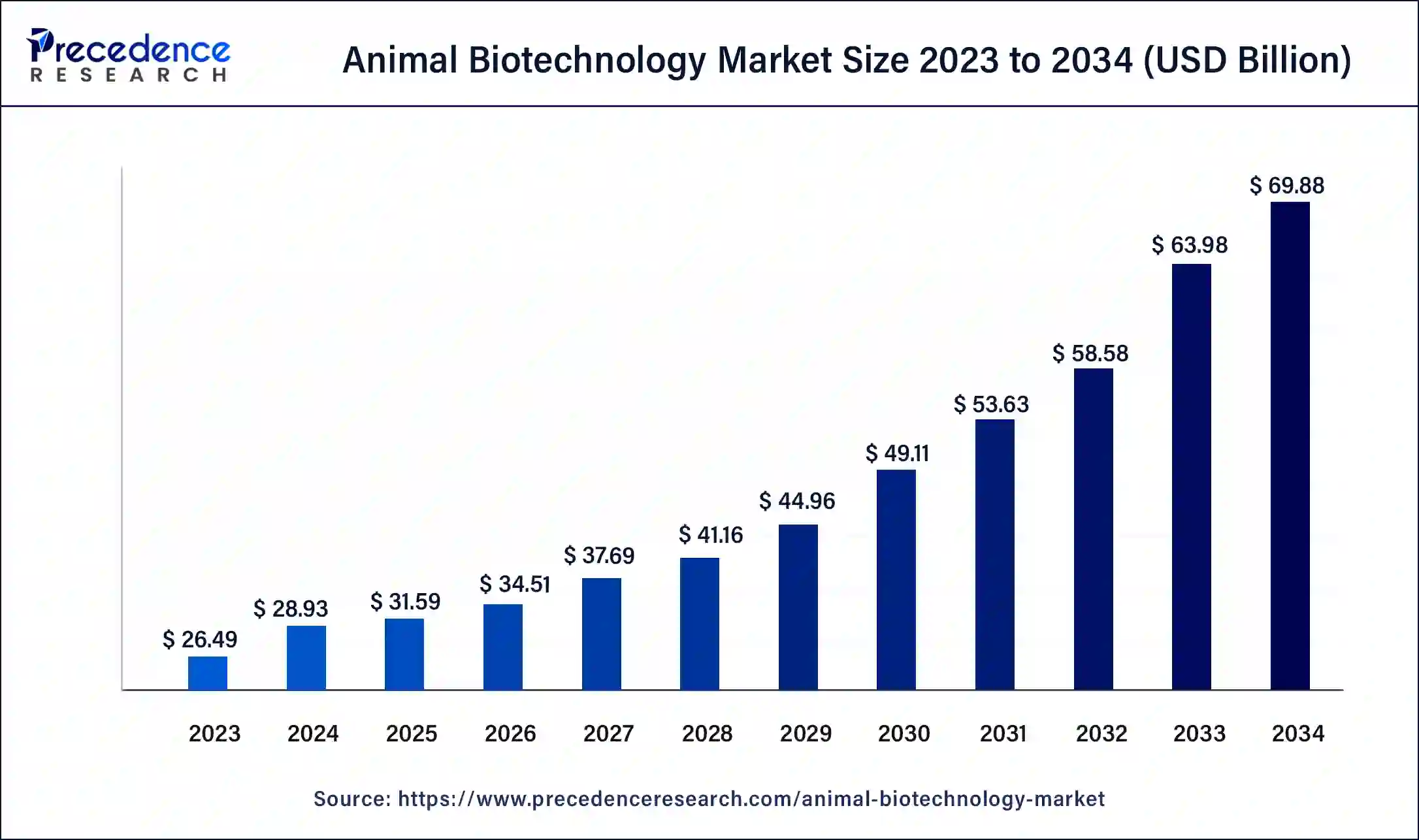
Animal Biotechnology Market Key Takeaways
- The global animal biotechnology market was valued at USD 31.59 billion in 2025.
- It is projected to reach USD 75.45 billion by 2035.
- The animal biotechnology market is expected to grow at a CAGR of 9.10% from 2026 to 2035.
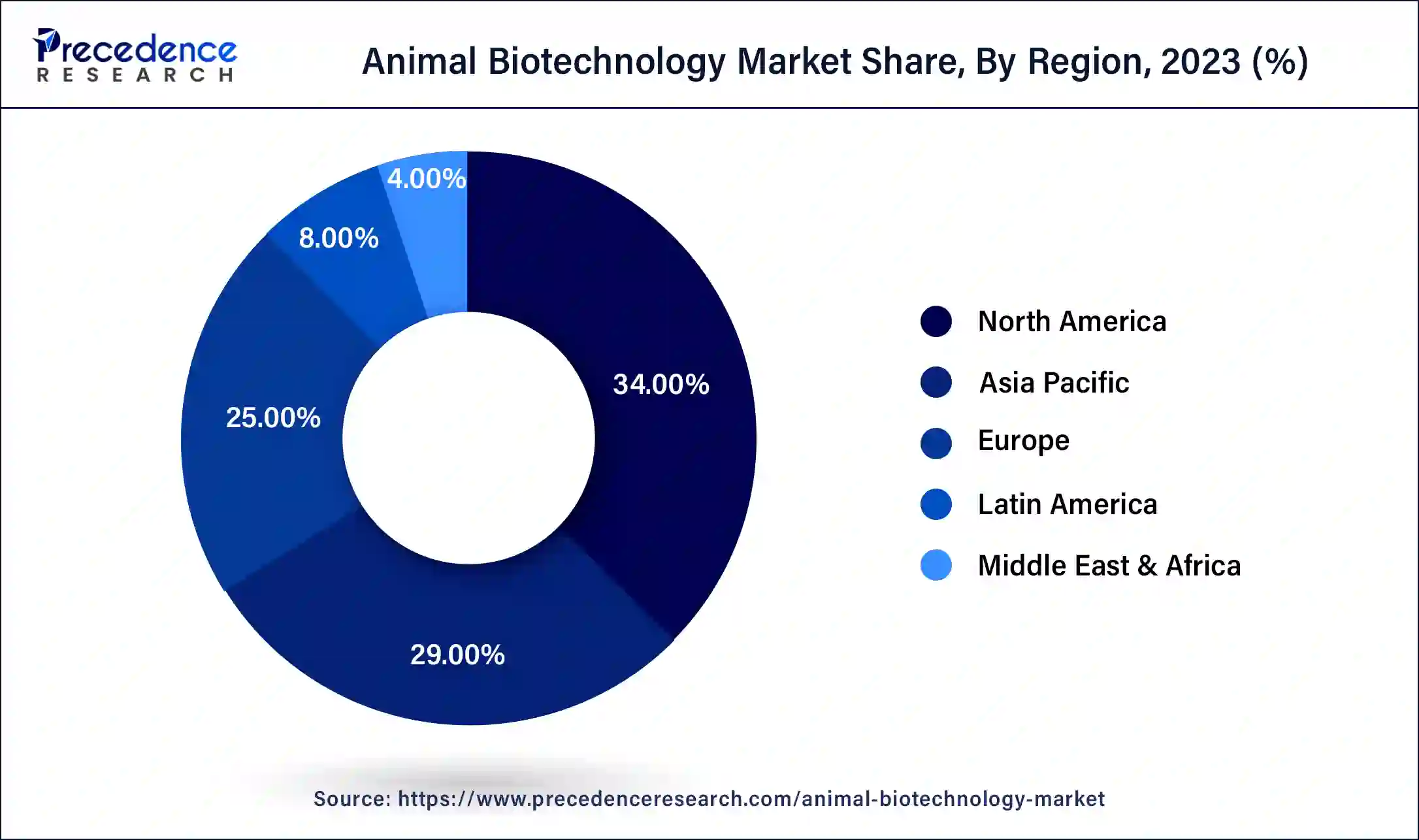
- North America dominated in the animal biotechnology market with the largest market share of 34% in 2025.
- Asia Pacific is observed to be the fastest growing in the animal biotechnology market during the forecast period.
- By product, the vaccines segment has contributed more than 28% of market share in 2025.
- By product, the diagnostics tests segment is observed to be the fastest growing in the animal biotechnology market during the forecast period.
- By animal type, the livestock segment has held a major market share of 64% in 2025.
- By animal type, the companion segment shows lucrative growth in the animal biotechnology market during the forecast period.
- By application, the preventive care segment has recorded more than 28% of market share in 2025.
- By application, the drug development segment shows a significant growth in the animal biotechnology market in 2025.
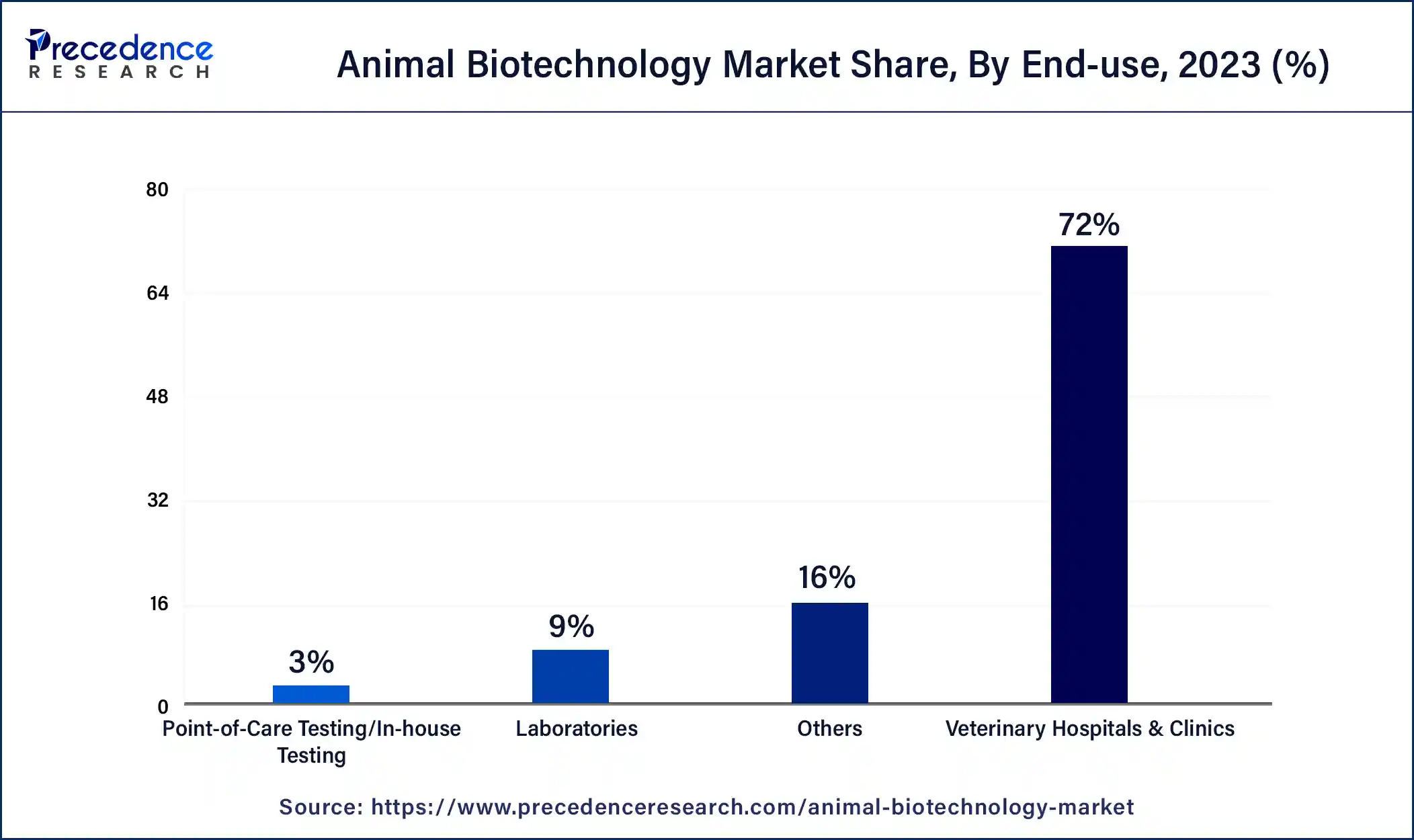
- By end-use, the veterinary hospitals & clinics segment has contributed more than 72% of market share in 2025.
What is Animal Biotechnology?
Molecular biology methods are applied in animal biotechnology to genetically alter animals or change their genomes to make them more suitable for industrial, medicinal, or agricultural use. Recent developments in gene expression, metabolic cell profiling, and animal genome sequencing have made animal biotechnology advances more uncomplicated. Recent advancements in genome editing technologies, such as Zinc Finger Nucleases, TALENS, and CRISPR-Cas systems, have made generating animal genetic changes that enhance agricultural productivity, health and well-being, and disease resistance easier.
How is AI contributing to the Animal Biotechnology Industry?
Artificial intelligence enhances animal biotechnology, whereby biological and behavioral data are analyzed and used to enhance breeding, diagnosis of diseases, and management of livestock. Genetic datasets are analyzed by AI models to find out the characteristics that are desirable and help in determining the course of gene editing. Wearable devices and imaging equipment are used to measure the health of animals and identify the first signs of illnesses.
Animal Biotechnology Market Trends
- The ICAR-National Research Centre on Equines (NRC) in Haryana is the organization that created the animal COVID-19 vaccine, Anocovax. An animal vaccination against SARS-CoV-2 Delta (COVID-19) called Anocovax is inactivated. Both the Delta and Omicron strains of SARS-CoV-2 are neutralized by the immunity brought on by Anocovax.
- In October 2023, The Central Drugs Standard Control Organization, India's US Food and Drug Administration equivalent, approved NexCAR19 as the country's first CAR-T cell therapy.
- In May 2023, by using genome editing to modify animal genomes, the U.S. Food and Drug Administration and the National Institute of Standards and Technology (NIST) announced a collaborative project that will serve as a valuable new resource for scientists and businesses developing cutting-edge animal biotechnology products. The FDA is working to advance the creation of safe and helpful biotechnology products, and this project is one of those efforts.
Animal Biotechnology Market Growth Factors
- The consumption of meat, dairy, and other animal products is increasing due to the expanding middle class and growing world population.
- Biotech solutions are being adopted by a growing consciousness of animal welfare and the necessity of optimizing livestock output.
- Innovations in genetic engineering, genomics, and other biotech fields allow for the creation of novel goods and solutions. This drives the growth of the animal biotechnology market.
- Creating genetically identical creatures for scientific study, zoological breeding, and environmental preservation.
- Breeding animals to acquire the appropriate qualities for increased output, resistance to disease, and higher product quality.
- Creating treatments, vaccinations, and diagnostic tools to stop and treat animal illnesses. This drives the growth of the animal biotechnology market.
Animal Biotechnology Market Outlook
- Global Expansion: A significant rise in demand for enhanced livestock productivity, advancements in gene editing, and AI-guided breeding are driving the overall progression.
- Major Investor: In November 2025, Dutch-based Qorium secured €22M to expand cultivated leather as a sustainable alternative to animal hides.
- Startup Ecosystem: In February 2025, Genvax Technologies raised seed funding to advance its vaccine platform.
Market Scope
| Report Coverage | Details |
| Market Size by 2035 | USD 75.45 Billion |
| Market Size in 2025 | USD 31.59 Billion |
| Market Size in 2026 | USD 34.51 Billion |
| Market Growth Rate from 2026 to 2035 | CAGR of 9.10% |
| Largest Market | North America |
| Base Year | 2025 |
| Forecast Period | 2026 to 2035 |
| Segments Covered | Product, Animal Type, Application, End-use, and Regions |
| Regions Covered | North America, Europe, Asia-Pacific, Latin America, and Middle East & Africa |
Market Dynamics
Drivers
Rising need to develop genetically modified therapeutic proteins
Therapeutic proteins can replace an aberrant or insufficient protein in each condition. Moreover, they can increase the body's supply of healthy protein to lessen the effects of chemotherapy and illness. Proteins that have been genetically modified can be made to resemble better the natural proteins they are meant to replace, or they can be made to function longer by including sugars or other compounds.
Among the macromolecular therapeutic proteins are cytokines, IFNs, and monoclonal antibodies. CYP enzymes are not suitable substrates for proteins. Generally, they are eliminated through renal filtration or broken down into smaller peptides or amino acids in various tissues by phagocytic cells that circulate or target antigen-containing cells. This is what fuels the expansion. This drives the growth of the animal biotechnology market.
Application in cancer treatment
Cancer is a hotspot for medical research because it has historically been the subject of global human interest. Researchers utilize animals in their studies to learn more about the mechanisms underlying cancer, including tumor growth and dissemination, and to create novel approaches to diagnosing, treating, and preventing the illness. Mice whose tumors can resemble those of human cancer patients are the primary tool used in research at the ICR. Research on cancer in mice replicates the intricate processes involved in tumor growth and metastasis in humans.
Animal models can be used for gene therapy research, cancer treatment screening, and the biochemical and physiological mechanisms of cancer incidence and progression in objects.
Restraint
High development costs pose challenge for small players
The development of biotechnology solutions necessitates pricey cutting-edge equipment and knowledge. Small businesses frequently lack the funding essential to invest in the cutting-edge labs, and knowledgeable staff required for creative R&D. Small players must negotiate a complicated web of national, international, and local laws, each with specific criteria for compliance. Because businesses frequently need to pay regulatory specialists or consultants to manage this process, this increases the financial burden. This limits the growth of the animal biotechnology market.
Opportunity
Growing awareness regarding animal health and welfare
Animal welfare, as defined by the Farm Animal Welfare Council (FAWC), concerns the physical and emotional health of animals. Another name for it is the "quality of life" of an animal. Legally speaking, a person's need to assume responsibility for and care for animals protects animal welfare.
Even in the most developed nations today, there is still a noticeable lack of dedication to animal care, primarily due to a lack of public knowledge and responsibility for pet ownership. Since the Internet and the media are so widely accessible, information regarding unresolved pet-related queries is easily obtainable. As a result, a veterinarian's job is more comprehensive, mainly when he provides his patients with information that helps them understand their condition and prevents misunderstandings.
Segment Insights
Product Insights
The vaccines segment dominated the animal biotechnology market in 2025. New and improved vaccinations have been made possible by developments in genetic engineering and molecular biology. Subunit, DNA, and recombinant vaccines are examples of this; they are frequently safer and more effective than conventional vaccinations. Immune responses to vaccines have been strengthened and made more targeted thanks to biotechnology. As a result, there are now fewer adverse effects, and vaccination campaigns are more effective overall.
- In August 2023, Indian Immunologicals Limited (IIL), a vaccine maker, anticipated commercializing its dengue fever vaccine by early 2026.
The diagnostics tests segment is observed to be the fastest growing in the animal biotechnology market during the forecast period. Accurate and prompt diagnoses are more critical than ever since animal infectious and chronic diseases like foot-and-mouth disease, avian flu, and zoonotic diseases are on the rise. The necessity of early and accurate detection for efficient disease management and control drives the demand for diagnostic tests. Given that animal health impacts public health and food safety, government agencies and international organizations are focusing on it more and more. The industry is expanding due to funding and projects to upgrade the infrastructure for animal health, such as creating and implementing cutting-edge diagnostic procedures.
- In January 2024, Australian biotech company Genics introduced Shrimp MultiPath2.0, an enhanced method for the early diagnosis of shrimp diseases. Unlike conventional kits and services, the technique allows the identification of eighteen shrimp pathogens in one test instead of one infection per sample. Shrimp MultiPath2.0 ensures complete protection for farmers by detecting a wide range of diseases with exceptional accuracy and differentiating between genetic subvariants of essential infections.
Animal Type Insights
The livestock segment dominated the animal biotechnology market in 2025. Biotechnology has transformed livestock breeding through cloning, marker-assisted selection, and genetic engineering. These techniques improve desired characteristics like feed efficiency, growth rate, and disease resistance. For farmers, genetically modified animals are more profitable and sustainable because they grow quicker, provide more milk, and are disease resistant.
- In October 2023, Evonik and Shandong Vland Biotech established a joint venture in China to enhance the intestinal health of animals raised for food.
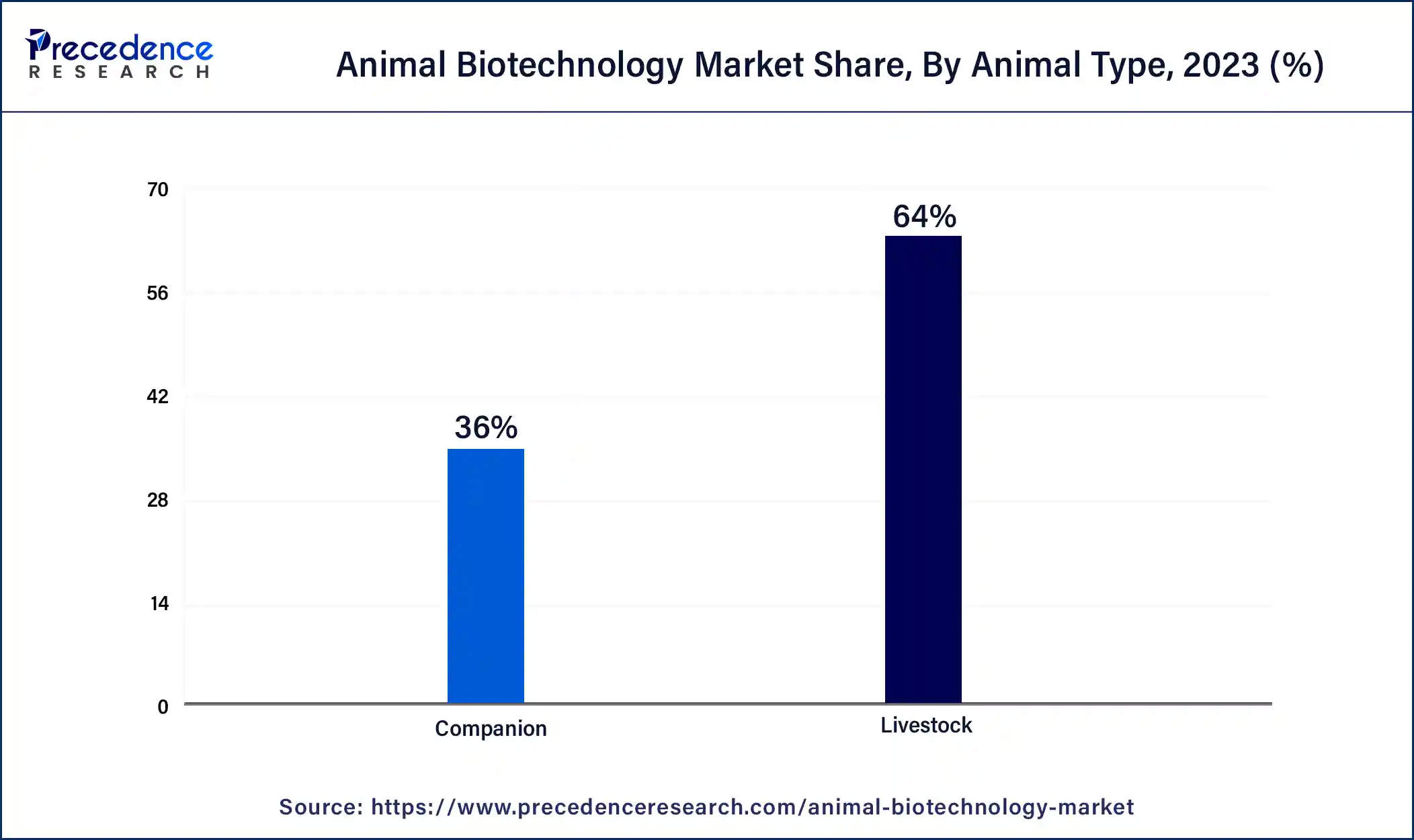
The companion segment shows lucrative growth in the animal biotechnology market during the forecast period. Advances in genetic engineering and gene therapy have made it possible to treat genetic illnesses in pets, extending their lives and enhancing their quality of life. Pets with chronic diseases like cancer and arthritis are now receiving better care because of biopharmaceuticals like monoclonal antibodies.
- In January 2022, Animal Biome, a leader in pet health and wellbeing, and Felix Biotechnology, a biotechnology company focusing on creating best-in-class, easily available antibacterial therapeutics to treat drug-resistant diseases, announced their agreement to discover novel treatments for diarrhea in pets.
Application Insights
The preventive care of animals segment dominated in the animal biotechnology market in 2025. Farmers and pet owners might benefit financially from preventive treatment since it lowers the long-term expenses of treating illnesses. It is frequently less expensive to prevent diseases than to treat them. Better growth rates, higher rates of reproduction, and enhanced product quality (e.g., milk, meat, eggs) correlate with healthier cattle. Preventive care helps pets live longer, healthier lives, which eases the financial and emotional strain on their owners.
- In January 2024, the fifth-largest animal health company in the world, Ceva Santé Animale (Ceva), which operates in 110 countries, announced the strategic purchase of Scout Bio. This biotechnology leader specializes in innovative pet therapeutics. With this move, Ceva will have access to critical breakthroughs, such as a pipeline of monoclonal antibodies and gene therapy innovations to treat chronic diseases in dogs, marking a significant leap forward in innovation.
The drug development segment shows a significant growth in the animal biotechnology market during the forecast period. Pet ownership is becoming more and more popular around the world, and this is driving up demand for veterinary medications to keep pets healthy and happy. Owners are prepared to pay extra when it comes to premium medications and therapies. The livestock sector is also growing to fulfill the demand for meat, dairy, and other animal products on a global scale. To control diseases and productivity, it is essential to ensure livestock health using effective medications.
The Indian government recently authorized an amendment to the New Drugs and Clinical Trial Rules (2023) to eliminate animal experimentation in research, particularly drug testing. To evaluate the safety and effectiveness of novel medications, the amendment permits researchers to substitute non-animal and human-relevant techniques, such as 3D organoids, organs-on-chip, and sophisticated computational techniques.
End-use Insights
The veterinary hospitals & clinics segment dominated the animal biotechnology market in 2025. Modern diagnostic technologies, including genome sequencing, PCR (Polymerase Chain Reaction) testing, and molecular diagnostics, are used in veterinary clinics and hospitals. These instruments make accurate diagnosis and early disease identification possible, which is essential for efficient disease management and treatment. Treatment options for various animal diseases have improved with the development and implementation of biotechnological medicines, including gene therapy, stem cell therapy, and monoclonal antibodies. By utilizing these cutting-edge therapies, veterinary clinics are leading the way in enhancing patient results.
- In September 2023, The FDA launched the Animal and Veterinary Innovation Agenda (AVIA) to guarantee the strongest product development pipelines that offer the goods required to serve veterinarians, animal owners, agricultural producers, the food system, and public health initiatives. The FDA is dedicated to promoting cutting-edge innovations that fall within our regulatory purview while ensuring that our work is flexible, timely, and grounded in science.
Regional Insights
What is the U.S. Animal Biotechnology Market Size?
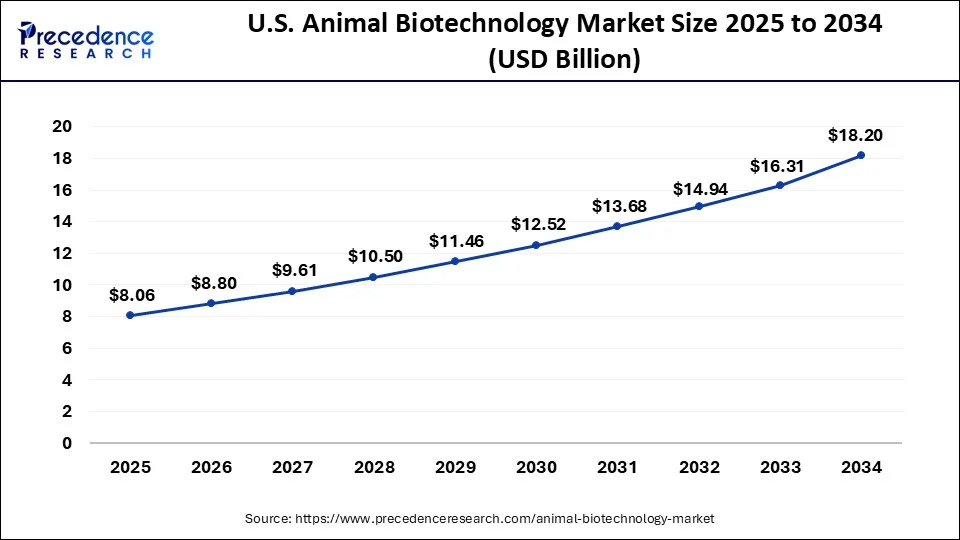
The U.S. animal biotechnology market size is exhibited at USD 8.06 billion in 2025 and is projected to be worth around USD 19.74 billion by 2035, poised to grow at a CAGR of 9.37% from 2026 to 2035.
How did North America hold a Major Share of the Market in 2025?
North America dominated in the animal biotechnology market in 2025. The United States Food and Drug Administration (FDA) and the Canadian Food Inspection Agency (CFIA) are two examples of established regulatory bodies in North America that offer precise standards and frameworks for developing and approving biotechnological goods. These organizations guarantee goods' efficacy and safety, promoting customer confidence and market access. Rigorous intellectual property regulations well protect biotechnological innovations in the United States and Canada. This instills confidence in businesses to engage in R&D since they know their innovations will be protected from unlawful usage.
- In September 2023, The U.S. Food and Drug Administration has announced new measures to improve regulatory flexibility, predictability, and efficiency. These measures will further modernize its methodology for assessing and assisting in developing cutting-edge animal and veterinary products.
Accelerating Cultured Meat Technology: U.S. Market Trend
Specifically, the emerging U.S.-based and international startups are increasingly employing cell culture and bio-fabrication technologies for the production of cultured meat. This is mainly impacted by a rise in consumer pressure for environmentally sustainable and ethical animal products.
Increasing Demand for Premium Products is Propelling the Asia Pacific
Asia-Pacific is observed to be the fastest-growing in the animal biotechnology market during the forecast period. Increasing disposable incomes result from the rapid economic expansion of Southeast Asian, Indian, and Chinese nations. This, in turn, fuels the demand for premium animal products and cutting-edge veterinary care. Biotechnological advancements find fertile ground as farming and animal husbandry operations become more advanced and efficient due to the growing urban population.
Anand Srivastava of the National Institute of Animal Biotechnology (NIAB) and his colleagues used a computational biology method to build a multi-epitope protein, a collection of numerous tiny peptides combined into a single continuous protein fragment, as a potential LSD virus vaccine.
Extensive Biomedical Animal Models: Chinese Market Trend
The recent developments in the Chinese market are leveraging the application of gene editing and cloning for the creation of advanced animal models for studying human diseases. Moreover, the regional researchers have developed cloned primates and lines of gene-edited monkeys with conditions, especially schizophrenia, autism, and sleep disorders, to enhance the transformation of drugs for cerebral diseases.
A Surge in Livestock Vaccines and Disease Resistance is Fueling Europe
European firms and scientists are actively involved in the major advances in livestock vaccines and disease resistance, such as in January 2024, Merck Animal Health introduced its Respigen Plus vaccine for Porcine Respiratory Disease Complex in the European market. However, the European Commission approved Boehringer Ingelheim's CircoFLEX vaccine in May 2025, which is the foremost swine parvovirus vaccine.
Involvement of Digital Twin Approach: German Market Trend
Mainly, the German startup Virtonomy is increasingly employing "digital twin" solutions (v-Patients), which use virtual animal patients derived from real CT scans. This further offers an alternative to conventional in vivo (live animal) and in vitro testing, coupled with device design and analysis, while probably lowering the need for animal experimentation.
Supply Chain Analysis of the Animal Biotechnology Market
- R&D: Discovering compounds by genomics bioinformatics research programs, developing animal health through the development of genetically engineered organisms.
Key players: Zoetis, Boehringer Ingelheim, Elanco, Merck Animal Health - Clinical Trials and Regulatory Approaches: The efficacy of veterinary vaccines is based on the basis of the study of their safety and regulatory approval by the regulatory bodies.
Key players: Zoetis, Merck Animal Health, Elanco, Boehringer Ingelheim - Formulation and Final Dosage Preparation: The drug is made by fermentation and cell culture to transform biotechnology ingredients to injectables tablets or feed additives.
Key players: Boehringer Ingelheim, Elanco, Merck Animal Health - Packaging and Serialization: Securing the formulations by putting them in sterile containers and adopting traceable codes that would guarantee the quality compliance in authenticity.
Key players: Sonoco ThermoSafe and Pelican BioThermal - Delivery to Hospitals Pharmacies: This involves the management of the delivery of veterinary vaccines, diagnostics, and biotechnology products to clinics, retailers, and agricultural distributors.
Key players: Covetrus, Henry Schein Animal Health, and Patterson Companies
Animal Biotechnology Market Companies
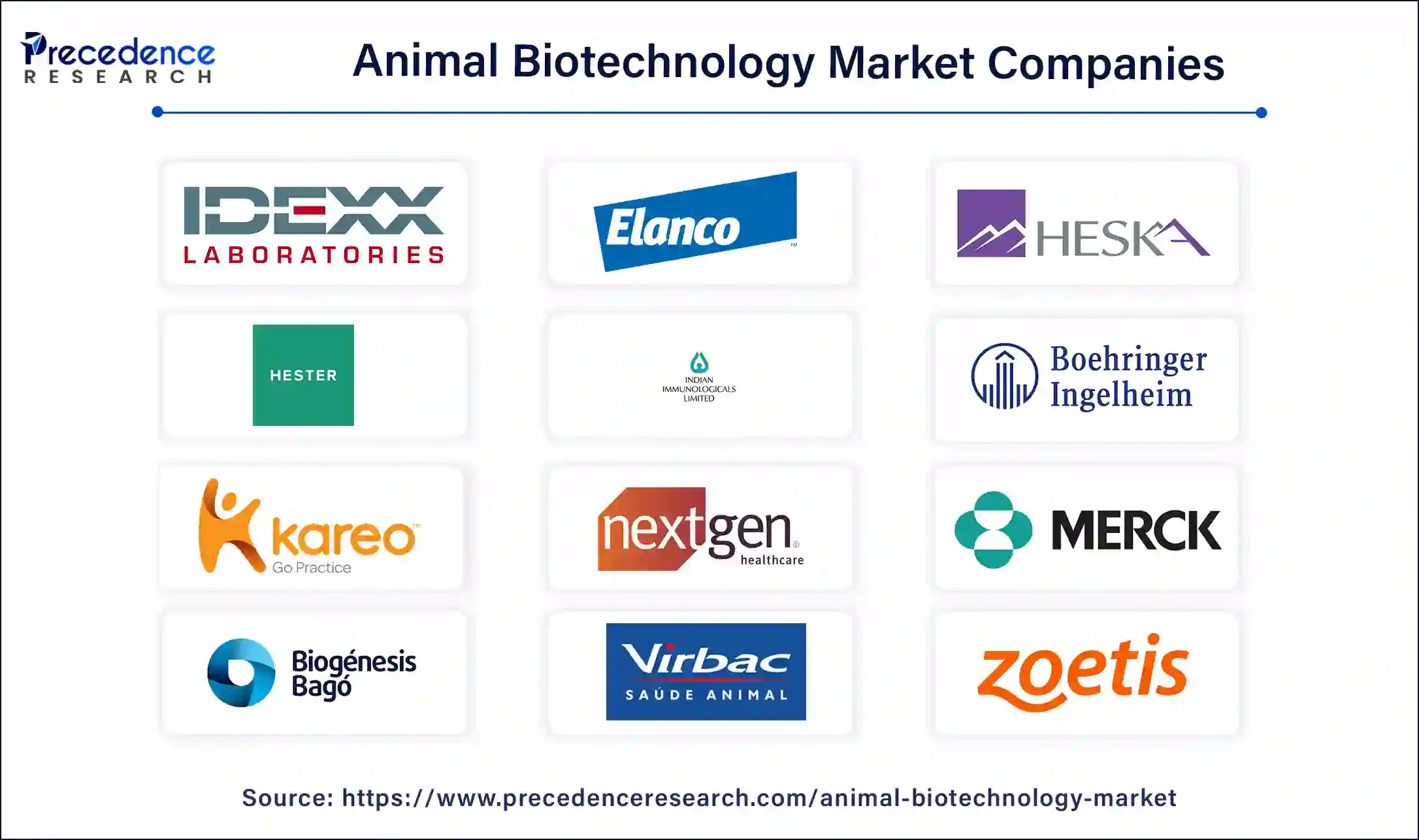
- Merck & Co., Inc.- They mainly provide diverse vaccines (many of which are biotech-based), pharmaceuticals, biologics, and digitally connected identification, traceability, and monitoring products.
- Virbac- A major company emphasizing the development of monoclonal antibodies for canine treatments.
- Elanco- A player offers monoclonal antibodies (mAbs) for pets and methane-reducing feed ingredients for livestock.
- Idexx Laboratories- It is widely facilitating many diagnostics across its Companion Animal Group (CAG), Livestock and Poultry Diagnostics (LPD), and Water testing segments.
- NXGN Management, LLC- Specifically, it is a provider of cloud-based healthcare technology solutions.
Other Major Key Players
- Heska Corporation
- Zoetis
- Boehringer Ingelheim International GmbH
- Biogénesis Bagó
- Indian Immunologicals Ltd.
- HESTER BIOSCIENCES LIMITED
- Kareo, Inc.
Recent Developments
- In March 2026, the European Specialist Sports Nutrition Alliance (ESSNA) welcomes new UK members MilaK and GoFitt, boosting expertise in biotechnology and consumer wellness. This comes amid crucial regulatory changes affecting the European sports nutrition market. (https://nutraceuticalbusinessreview.com )
- In June 2025, Fauna Bio launched Fauna Brain™, an AI platform that enhances target discovery and early-stage R&D using animal genomics. This advancement builds on the Convergence™ engine, yielding results in internal projects and pharma collaborations. (https://www.businesswire.com )
- In December 2023, Indian Immunologicals Limited (IIL), a reputable biotechnology company in India committed to producing vaccinations that save lives, has started building its state-of-the-art Greenfield veterinary vaccine facility. The new facility will feature a Fill-Finish capability to make both the FMD and the FMD+HS vaccines and a BSL3 facility for manufacturing pharmacological compounds.
- In April 2022, Pharmaceutical company Cadila Pharmaceuticals produced the first-ever innovative three-dose rabies vaccine. As per the company's press release, the 'ThRabis' vaccine is a three-dose regimen administered over just one week. It is a G protein vaccine that is recombinant nanoparticle-based and manufactured utilizing Virus-like Particle technology.
- In March 2022, Hester Biosciences Limited, India's second-largest poultry vaccine manufacturer, plans to enter the pet care market by April 2022. The Ahmedabad-based business, specializing in animal health and vaccinations, is seeking to expand its pet care line to include dermatology, nutrition, grooming, anti-infective, and specialist items.
Segments Covered in the Report
By Product
- Diagnostics Tests
- Vaccines
- Drugs
- Reproductive and Genetic
- Feed Additives
By Animal Type
- Companion
- Dogs
- Cats
- Horses
- Others
- Livestock
- Poultry
- Swine
- Cattle
- Sheep & Goats
- Fish
By Application
- Diagnosis of Animal Diseases
- Treatment of Animal Diseases
- Preventive Care of Animals
- Drug Development
- Others
By End-use
- Laboratories
- Point-of-Care Testing/In-house Testing
- Veterinary Hospitals & Clinics
- Others
By Geography
- North America
- Asia Pacific
- Europe
- Latin America
- Middle East & Africa
For inquiries regarding discounts, bulk purchases, or customization requests, please contact us at sales@precedenceresearch.com
Frequently Asked Questions
Tags





Ask For Sample
No cookie-cutter, only authentic analysis – take the 1st step to become a Precedence Research client
 Get a Sample
.webp)



 sales@precedenceresearch.com
 Schedule a Meeting
