



Neuroinflammation Market Size, Companies, Share, Patient Volume, Treatment Adoption Rates, Pricing Analysis, Regulatory Landscape, Competitive Positioning, and Demand Forecast
Neuroinflammation Market (By Therapy Type: Anti-inflammatory Drugs, Cytokine Inhibitors, Monoclonal Antibodies, Small Molecule Therapies, Cell & Gene Therapies, Immunomodulators; By Indication: Alzheimers Disease, Parkinsons Disease, Multiple Sclerosis, Amyotrophic Lateral Sclerosis (ALS), Traumatic Brain Injury (TBI), Stroke, Autism Spectrum Disorders, Other Neurodegenerative Disorders; By Mechanism of Action: Microglial Modulation, Cytokine Suppression, Oxidative Stress Reduction, Blood-Brain Barrier Protection, Neuroprotection Enhancement; By Route of Administration: Oral, Intravenous (IV), Subcutaneous, Intrathecal; By End-use: Hospitals, Specialty Neurology Clinics, Academic & Research Institutes, Pharmaceutical & Biotechnology Companies) - Global Industry Analysis, Size, Trends, Leading Companies, Regional Outlook, and Forecast 2026 to 2035
Source: https://www.precedenceresearch.com/neuroinflammation-market
 Get a Sample
 Table Of Content


What is the Neuroinflammation Market Size in 2026?
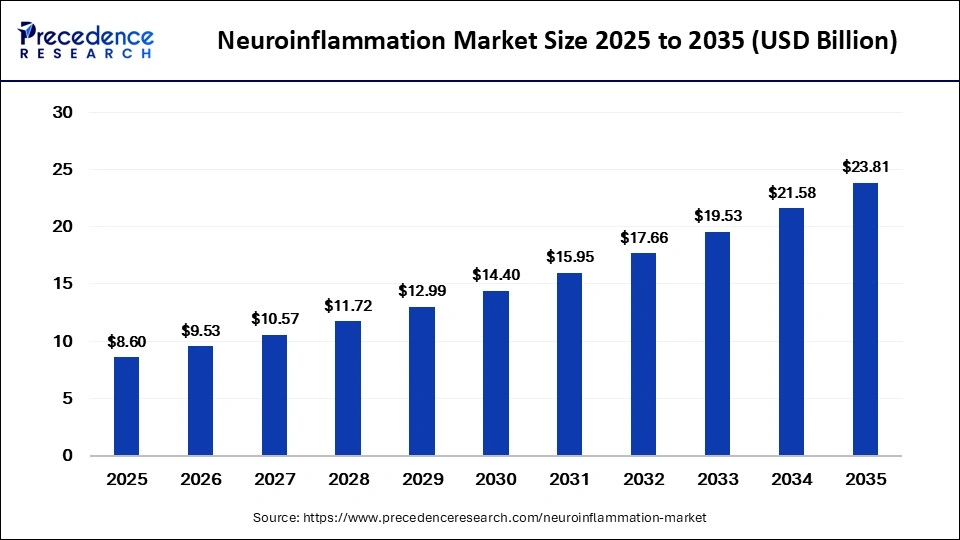
The global neuroinflammation market size accounted for USD 8.60 billion in 2025 and is predicted to increase from USD 9.53 billion in 2026 to approximately USD 23.81 billion by 2035, expanding at a CAGR of 10.90% from 2026 to 2035. The increasing geriatric population with neurodegenerative disorders and the rising number of clinical trials around the globe are key drivers of the growth of the market.
Key Takeaways
- North America led the neuroinflammation market in 2025 with 40% share.
- Asia-Pacific is expected to be the fastest-growing region with a CAGR of 14.8% in the forecast period.
- By therapy type, the anti-inflammatory drugs segment led the market with 32% share in 2025.
- By therapy type, the cell and gene therapies segment is expected to be the fastest growing with a CAGR of about 20.8% in the predictive window.
- By indication, the Alzheimer's disease segment led the global market with a share of 28% in 2025.
- By indication, the autism spectrum disorders segment is expected to be the fastest-growing with a CAGR of 15% in the foreseeable period.
- By mechanism of action, the microglial modulation segment led the global neuroinflammation market with a share of 30% in 2025 and is expected to grow at the fastest CAGR of 14.5% in the fiscal period.
- By route of administration, the oral segment led the global market with a share of 42% in 2025.
- By route of administration, the intrathecal segment is expected to grow at the highest CAGR of 16.2% in the fiscal period.
- By end-use, the hospitals segment led the global market with a share of 38% in 2025.
- By end-use, the pharmaceutical and biotechnology companies segment is expected to be the fastest-growing with a CAGR of 16.8% in the fiscal period.
Neuroinflammation Market Overview
Neuroinflammation is an inflammatory response occurring within the brain or spinal cord. The production of cytokines, chemokines, reactive oxygen species, and secondary messengers mediates this process. It often arises as a reaction of the central nervous system to damage inflicted by toxins, trauma, infections, or autoimmune disorders. Neuroinflammation plays a crucial role in the pathology of various neurological diseases, including neurodegenerative disorders, psychiatric conditions, pain syndromes, stroke, and traumatic brain injuries. According to the WHO, over 3 billion people globally are affected by neurological conditions, highlighting the significance of this issue as a major global health concern and a promising market opportunity.
Impact of Artificial Intelligence on the Neuroinflammation Industry
Artificial intelligence (AI) and machine learning (ML) technologies serve as transformative tools for understanding the difficulties of neuroinflammation. They facilitate the discovery of biomarkers, simulate disease progression, and expedite drug development. AI-driven structure prediction models can reveal fundamental principles, applications related to misfolded proteins, and their limitations within neurodegenerative disease research. Additionally, AI-based predictive models are becoming essential in formulating precision medicine strategies for therapeutics targeting neuroinflammation.
Neuroinflammation Market Trends
- Rising Adoption of hiPSC-based Models: Human-induced pluripotent stem cell (hiPSC)-derived neurons, astrocytes, microglia, endothelial cells, and pericytes are increasingly employed in neuroscience research and drug discovery. These advanced cellular models are attracting considerable interest for the investigation of neuroinflammatory disorders.
- Lifestyle-Driven Increase in Neuroinflammatory Disorders: The increasing incidence of sedentary lifestyles, vascular disorders, obesity, and type 2 diabetes is elevating the risk of neuroinflammation. These modifiable factors are closely linked to the advancement of neurodegenerative diseases like Alzheimer's and Parkinson's. Consequently, there is a heightened demand for innovative therapeutic solutions.
- Expanding Burden of Neurodegenerative Disorders: Around 15% of the global population is impacted by various neurodegenerative disorders, which frequently result in both physical and cognitive disabilities. Neuroinflammation has become a significant factor associated with major neurodegenerative diseases, including Alzheimer's, Parkinson's, ALS, and Huntington's disease, often leading to irreversible neural damage in the central nervous system.
Market Scope
| Report Coverage | Details |
| Market Size in 2025 | USD 8.60 Billion |
| Market Size in 2026 | USD 9.53 Billion |
| Market Size by 2035 | USD 23.81 Billion |
| Market Growth Rate from 2026 to 2035 | CAGR of 10.90% |
| Dominating Region | North America |
| Fastest Growing Region | Asia-Pacific |
| Base Year | 2025 |
| Forecast Period | 2026 to 2035 |
| Segments Covered | Therapy Type, Indication, Mechanism of Action, Route of Administration, End-use, and Region |
| Regions Covered | North America, Europe, Asia-Pacific, Latin America, and Middle East & Africa |
Market Dynamics
Drivers
Rising Disease Burden and Clinical Research
Neuroinflammation has become a pivotal area of neuroscience research, particularly because it influences the progression and treatment of neurodegenerative diseases. The surge in clinical studies, coupled with an aging population and the rising prevalence of diabetes, vascular disorders, and neurological complications following COVID-19, is significantly propelling the growth of the neuroinflammation market.
Restraint
Dual Nature of Neuroinflammation and the BBB Barriers Limitation
A significant challenge lies in the dual nature of neuroinflammation. The initial protective response can effectively eliminate harmful threats and facilitate tissue repair; however, its chronic phase contributes to neurodegeneration through damaging inflammatory effects. Furthermore, many anti-inflammatory compounds encounter difficulties in crossing the blood-brain barrier, which limits their therapeutic efficacy within the central nervous system.
Opportunity
Precision Therapies Create New Neuroinflammation Opportunities
The market presents opportunities for the development of precision-based intervention strategies that can selectively modulate both the beneficial and harmful aspects of neuroinflammation. Recognizing that complete suppression of neuroinflammation may not be an ideal universal solution, there is a growing emphasis on personalized therapies, targeted drug delivery systems, and patient-specific treatment strategies to enhance therapeutic outcomes.
Segmental Insights
Therapy Insights
The Anti-Inflammatory Drugs Segment Led the Market with 32% of Market Share in 2025
The anti-inflammatory drugs segment generated approximately USD 2.75 billion in 2025 and is projected to reach nearly USD 6.19 billion by 2035, growing at a CAGR of 7.8% during the forecast period. The anti-inflammatory drugs segment held a dominant revenue share of 32% in the neuroinflammation market in 2025, primarily due to the prevalent use of conventional anti-inflammatory therapies for CNS disorders. The key categories of anti-inflammatory drugs include non-steroidal anti-inflammatory drugs (NSAIDs), corticosteroids, and cytokine inhibitors. The growing adoption of cytokine-targeting treatments, coupled with an increasing demand for cost-effective therapeutic options, is propelling the segment's growth. Additionally, the availability of these medications over the counter further enhances their market presence.
The monoclonal antibodies segment accounted for approximately USD 2.41 billion in 2025 and is projected to reach nearly USD 8.10 billion by 2035, growing at a CAGR of 16.5% during the forecast period. The monoclonal antibodies segment held 28% of the market share in 2025. This growth is attributed to the rising development of biologics that target neuroinflammatory pathways. The increasing clinical success of antibody-based therapies, combined with the highly specific nature of monoclonal antibodies (mAbs), is bolstering this segment. Furthermore, a growing emphasis on disease-modifying neurological treatments is contributing to market expansion.
Neuroinflammation Market Share, By Therapy Type, 2025-2035 (%)
| Therapy Type | 2025 | 2035 | CAGR (%) |
| Anti-inflammatory Drugs | 32.00% | 26.00% | 7.8% |
| Monoclonal Antibodies | 28.00% | 34.00% | 16.5% |
| Small Molecule Therapies | 20.00% | 18.00% | 9.5% |
| Cell & Gene Therapies | 10.00% | 13.00% | 20.8% |
| Immunomodulators | 10.00% | 9.00% | 11.0% |
The small molecule therapies segment generated approximately USD 1.72 billion in 2025 and is projected to reach nearly USD 4.29 billion by 2035, growing at a CAGR of 9.5% during the forecast period. The small molecule therapies segment accounted for approximately 20% of the market share in 2025. This growth is driven by the increasing development of oral neuroprotective drugs, along with rising investments in neurological drug pipelines. Recent advancements in small-molecule approaches that modulate microglia receptors or downstream signalling pathways related to neuroinflammation in neurodegenerative disorders are further enhancing this segment.
The cell and gene therapies segment accounted for approximately USD 860 million in 2025 and is projected to reach nearly USD 3.10 billion by 2035 at the fastest CAGR of 20.8% during the forecast period. The cell and gene therapies segment represented around 10% of the market share in 2025. This growth is fuelled by rapid advancements in regenerative neurology therapies. Gene therapy has emerged as a promising approach for modulating inflammatory responses in neurological disorders, offering potential neuroprotective effects and disease-modifying benefits. Additionally, an increasing focus on gene editing and stem cell strategies is further driving market growth.
Indication Insights
The Alzheimer's Disease Segment Led the Market Share of Nearly 28% in 2025
The Alzheimer's disease segment generated approximately USD 2.41 billion in 2025 and is projected to reach nearly USD 7.14 billion by 2035, growing at a CAGR of 13.5% during the forecast period. The Alzheimer's disease segment led the neuroinflammation market with a share of nearly 28% in 2025, largely attributed to robust evidence linking neuroinflammation with the progression of the disease. With over 7 million individuals affected by Alzheimer's in America, the increasing demand for disease-modifying therapies and heightened investments in the development of Alzheimer's medications further solidify this segment's dominance.
The Parkinson's disease segment accounted for approximately USD 1.55 billion in 2025 and is projected to reach nearly USD 4.05 billion by 2035, growing at a CAGR of 10.5% during the forecast period. The Parkinson's disease segment captured approximately 18% of the market share in 2025, driven by expanding research into the inflammatory pathways associated with Parkinson's disease. Neuroinflammation plays a critical role in the pathogenesis of Parkinson's, alongside factors such as α-synuclein accumulation, synaptic dysfunction, and the loss of dopaminergic neurons within the Parkinsonian brain. The rising adoption of biomarker-driven neurological therapies and increased clinical trial activities are expected to support market growth.
Neuroinflammation Market Share, By Indication, 2025-2035 (%)
| Indication | 2025 | 2035 | CAGR (%) |
| Alzheimer's Disease | 28.00% | 30.00% | 13.5% |
| Parkinson's Disease | 18.00% | 17.00% | 10.5% |
| Multiple Sclerosis | 20.00% | 18.00% | 9.0% |
| Amyotrophic Lateral Sclerosis (ALS) | 8.00% | 8.00% | 11.2% |
| Traumatic Brain Injury (TBI) | 10.00% | 12.00% | 14.5% |
| Stroke | 8.00% | 7.00% | 8.8% |
| Autism Spectrum Disorders | 4.00% | 5.00% | 15.0% |
| Other Neurodegenerative Disorders | 4.00% | 3.00% | 7.0% |
The multiple sclerosis segment generated approximately USD 1.72 billion in 2025 and is projected to reach nearly USD 4.29 billion by 2035, growing at a CAGR of 9% during the forecast period. The multiple sclerosis segment accounted for 20% of the market share in 2025, driven by the high prevalence of autoimmune neuroinflammatory disorders. Neuroinflammation contributes to nerve damage in multiple sclerosis, exacerbating symptoms over time. Furthermore, the growing adoption of immunomodulatory treatments and a strong clinical emphasis on relapse prevention are anticipated to foster market expansion.
The autism spectrum disorders segment accounted for approximately USD 344 million in 2025 and is projected to reach nearly USD 1.19 billion by 2035 at the fastest CAGR of 15% during the forecast period. The autism spectrum disorders segment captured around 4% of the market share in 2025. This growth is attributed to an increasing body of research that connects immune dysfunction with autism. Individuals on the autism spectrum frequently exhibit altered inflammatory responses and abnormalities in the neuro-immune system throughout their lives, suggesting that inflammation may play a significant role in the aetiology of autism spectrum disorder. Additionally, the growing interest in neuroimmune modulation therapies is expected to further propel market expansion.
Mechanism of Action Insights
The Microglial Modulation Segment Dominated the Market With 30% Share in 2025
The microglial modulation segment generated approximately USD 2.58 billion in 2025 and is projected to reach nearly USD 7.62 billion by 2035 at the fastest CAGR of 14.5% during the forecast period. The microglial modulation segment dominated the neuroinflammation market with nearly 30% share in 2025. This growth is attributed to the increasing emphasis on regulating the activity of central nervous system (CNS) immune cells. Microglia serve as the primary mediators of neuroinflammation within the CNS, prompting efforts to design, develop, and repurpose drugs aimed at inhibiting microglia-related neuroinflammatory processes. The rising development of targeted neuroimmune therapies is further driving the growth of this segment.
The cytokine suppression segment accounted for approximately USD 2.24 billion in 2025 and is projected to reach nearly USD 5.71 billion by 2035, growing at a CAGR of 10% during the forecast period. The cytokine suppression segment accounted for nearly 26% of the market share in 2025, fuelled by the strong adoption of cytokine-targeting biologics. Cytokine suppression drugs function by inhibiting the synthesis and release of cytokines or by blocking their receptors. Increased research into inflammatory signalling pathways and a growing demand for anti-inflammatory neurological therapies are contributing to the expansion of this market segment.
Neuroinflammation Market Share, By Mechanism of Action, 2025-2035 (%)
| Mechanism of Action | 2025 | 2035 | CAGR (%) |
| Microglial Modulation | 30.00% | 32.00% | 14.5% |
| Cytokine Suppression | 26.00% | 24.00% | 10.0% |
| Oxidative Stress Reduction | 18.00% | 16.00% | 9.0% |
| Blood-Brain Barrier Protection | 12.00% | 13.00% | 13.2% |
| Neuroprotection Enhancement | 14.00% | 15.00% | 14.0% |
The oxidative stress reduction segment generated approximately USD 1.55 billion in 2025 and is projected to reach nearly USD 3.81 billion by 2035, growing at a CAGR of 9% during the forecast period. The oxidative stress reduction segment captured approximately 18% of the market share in 2025, driven by a heightened focus on mitigating neuronal oxidative damage. Oxidative stress, characterized by an imbalance between free radicals and antioxidants, leads to cellular damage, and its reduction is crucial for improving neuroinflammation. The ongoing development of neuroprotective antioxidant therapies and a rising interest in combination treatment approaches are facilitating the adoption of this segment.
The blood-brain barrier protection segment accounted for approximately USD 1.03 billion in 2025 and is projected to reach nearly USD 3.10 billion by 2035, growing at a CAGR of 13.2% during the forecast period. The blood-brain barrier protection segment achieved around 12% of the market share in 2025, owing to increasing research into CNS barrier dysfunction. While the blood-brain barrier is typically robust, neuroinflammation can compromise its integrity. The popularity of Blood-Brain Barrier Protection is on the rise, driven by a growing demand for therapies that prevent neurovascular damage and increasing investments in advanced neurology therapeutics.
Route of Administration Insights
Neuroinflammation Market Share, By Route of Administration, 2025-2035 (%)
| Route of Administration | 2025 | 2035 | CAGR (%) |
| Oral | 42.00% | 38.00% | 9.0% |
| Intravenous (IV) | 34.00% | 36.00% | 13.5% |
| Subcutaneous | 16.00% | 18.00% | 15.0% |
| Intrathecal | 8.00% | 8.00% | 16.2% |
The Oral Segment Led the Market Share with 42% Share in 2025
The oral segment generated approximately USD 3.61 billion in 2025 and is projected to reach nearly USD 9.05 billion by 2035, growing at a CAGR of 9% during the forecast period. The oral segment led the neuroinflammation market with a share of 42% in 2025, largely due to patients' preference for convenient administration methods. The growth of oral neuroprotective drugs is also contributing to this trend. Additionally, the increasing utilization of chronic maintenance therapies is driving demand. Factors such as drug solubility, mucosal permeability, and gastrointestinal stability further enhance the appeal of oral medications.
The intravenous (IV) segment accounted for approximately USD 2.92 billion in 2025 and is projected to reach nearly USD 8.57 billion by 2035, growing at a CAGR of 13.5% during the forecast period. The intravenous (IV) segment held the second-largest market share of 34% in 2025, fuelled by the widespread use of biologics and monoclonal antibodies. Intravenous therapy offers a rapid and effective means of drug delivery, bolstered by the rising prevalence of hospital-based infusion therapies and the growing adoption of disease-modifying neurological treatments.
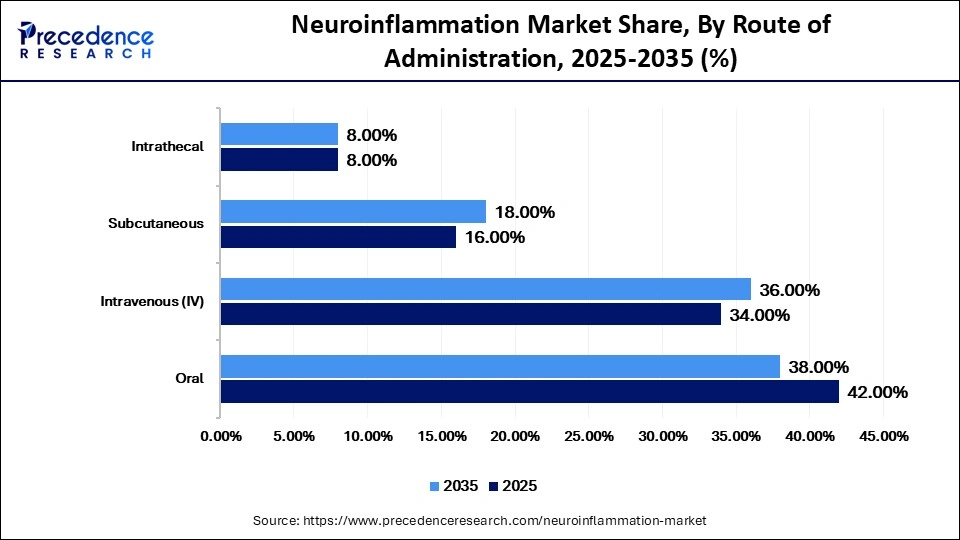
The subcutaneous segment generated approximately USD 1.38 billion in 2025 and is projected to reach nearly USD 4.29 billion by 2035, growing at a CAGR of 15% during the forecast period. The subcutaneous segment captured approximately 16% of the market share in 2025, driven by the increasing development of self-administered biologic therapies. This method is favored for its high bioavailability and quick onset of action, as well as its ability to facilitate slow absorption over extended periods. The rising adoption of outpatient neurological treatments is further propelling the growth of this segment.
The intrathecal segment accounted for approximately USD 688 million in 2025 and is projected to reach nearly USD 1.90 billion by 2035 at the fastest CAGR of 16.2% during the forecast period. The intrathecal segment achieved nearly 8% of the market share in 2025. This growth is attributed to its increasing use in advanced CNS-targeted therapies. Directly delivering medication into the intrathecal space can offer more effective relief compared to oral or intravenous methods. Additionally, the rising adoption of gene and RNA-based neurological treatments is supporting this segment's expansion.
End-Use Insights
Neuroinflammation Market Share, By End-use, 2025-2035 (%)
| End-use | 2025 | 2035 | CAGR (%) |
| Hospitals | 38.00% | 34.00% | 9.8% |
| Specialty Neurology Clinics | 24.00% | 27.00% | 13.5% |
| Academic & Research Institutes | 20.00% | 18.00% | 10.5% |
| Pharmaceutical & Biotechnology Companies | 18.00% | 21.00% | 16.8% |
The Hospitals Segment Dominated the Market with 38% Share in 2025
The hospitals segment generated approximately USD 3.27 billion in 2025 and is projected to reach nearly USD 8.10 billion by 2035, growing at a CAGR of 9.8% during the forecast period. In 2025, the hospitals segment dominated the neuroinflammation market, accounting for 38% of the market share in 2025, primarily due to a significant influx of patients seeking treatment for neurological disorders. The rising utilization of biologics and infusion therapies, coupled with the expanding presence of specialized neurology departments, has bolstered this segment's standing and fostered a preference among patients.
The specialty neurology clinics segment accounted for approximately USD 2.06 billion in 2025 and is projected to reach nearly USD 6.43 billion by 2035, growing at a CAGR of 13.5% during the forecast period. The specialty neurology clinics segment captured approximately 24% of the market share in 2025, driven by an increasing demand for specialized neuroinflammatory care. The growing adoption of personalized neurological therapies and the proliferation of outpatient neurology treatment centres are enhancing its acceptance.
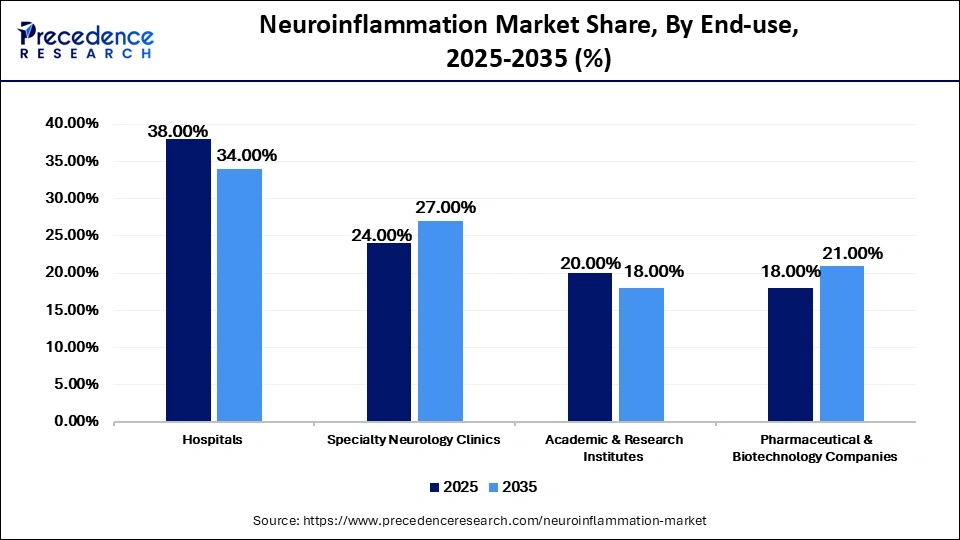
The academic and research institutes segment generated approximately USD 1.72 billion in 2025 and is projected to reach nearly USD 4.29 billion by 2035, growing at a CAGR of 10.5% during the forecast period. The academic and research institutes segment secured nearly 20% of the market share in 2025, fueled by heightened funding for neurological and immunology research. Expanding collaborations with pharmaceutical companies, along with an increase in biomarker and translational medicine studies, are propelling research activities forward.
The pharmaceutical and biotechnology companies segment accounted for approximately USD 1.55 billion in 2025 and is projected to reach nearly USD 5.00 billion by 2035 at the fastest CAGR of 16.8% during the forecast period. The pharmaceutical and biotechnology companies segment represented approximately 18% of the market share in 2025. This growth is attributed to rising investments in CNS drug development pipelines and an increase in clinical trials focused on neuroinflammation therapies. Additionally, the formation of strategic partnerships and licensing agreements is reinforcing companies' global positions and driving market expansion.
Regional Insights
North America Neuroinflammation Market Size and Growth 2026 to 2035
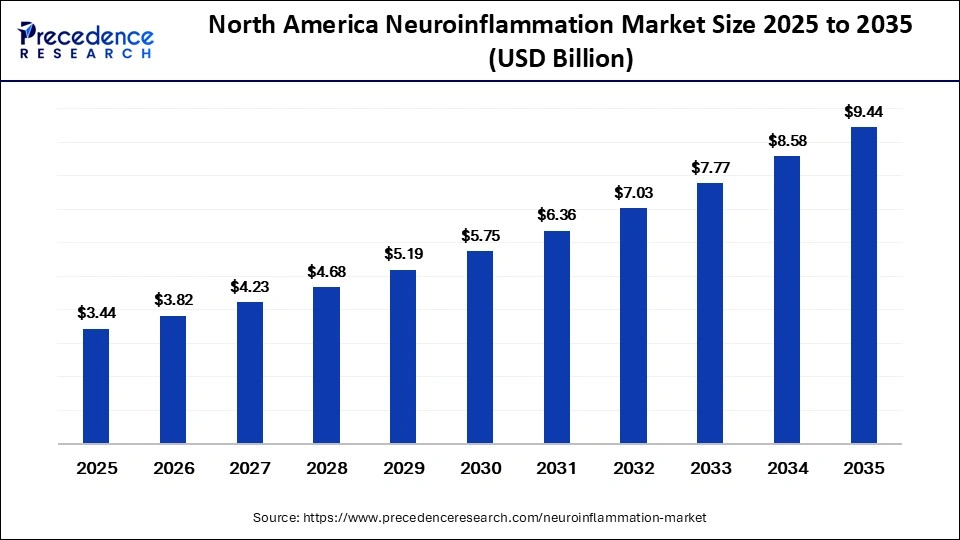
The North America neuroinflammation market size was exhibited at USD 3.44 billion in 2025 and is projected to be worth around USD 9.44 billion by 2035, growing at a CAGR of 10.00% from 2026 to 2035.
The North America Region Dominated the Market with a 40% Share in 2025
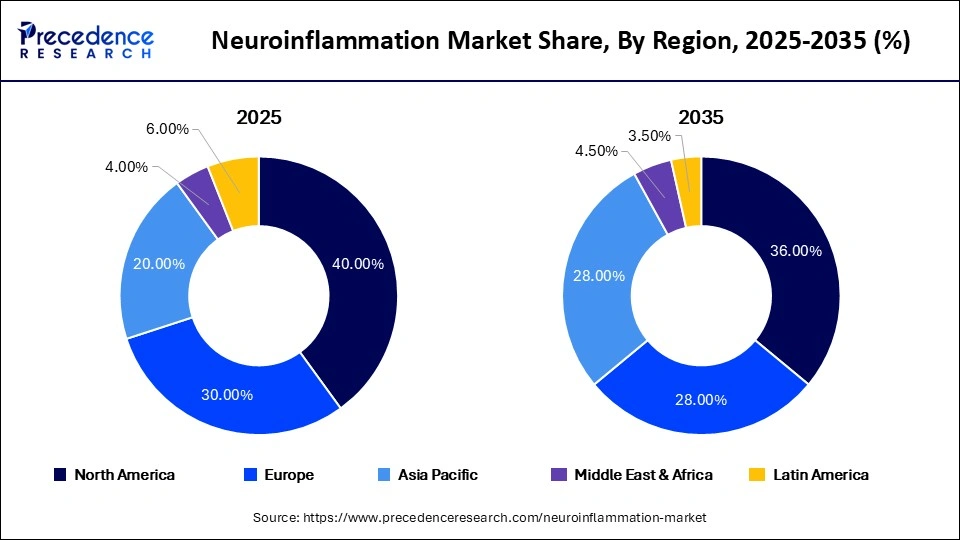
North America held a major revenue share of 40% in the neuroinflammation market in 2025, fueled by robust investments in therapeutics for neurodegenerative diseases. This leadership position is further bolstered by the rising prevalence of CNS and inflammatory neurological disorders, high adoption rates of biologics and advanced neurological therapies, and the presence of prominent pharmaceutical and biotechnology firms.
U.S. Neuroinflammation Market Size and Growth 2026 to 2035
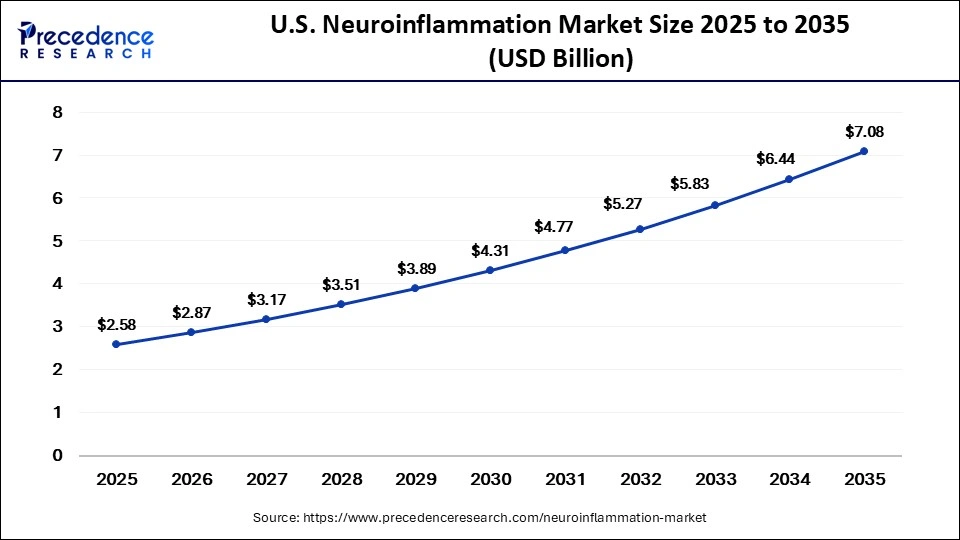
The U.S. neuroinflammation market size was evaluated at USD 2.58 billion in 2025 and is projected to reach around USD 7.08 billion by 2035, growing at a CAGR of 10.62% from 2026 to 2035.
U.S. Market Trends
The United States is leading the North American market, driven by advancements in research, an increasing incidence of neurological disorders, and a growing demand for innovative treatments. Initiatives such as the National Institute of Neurological Disorders and Stroke (NINDS), various non-profit organizations, and the National Healthy Brain Initiative further strengthen the regional market landscape.
How is Asia-Pacific Growing in the Neuroinflammation Market?
Asia-Pacific held 20% of the market share in 2025 and is expected to witness the fastest growth with a CAGR of 14.8% during the predicted timeframe. This growth is largely attributed to the rapidly aging populations in China, Japan, and South Korea, increased healthcare spending on neurological conditions, and a rise in biotechnology and neuroinflammation research endeavors. Additionally, heightened awareness of CNS inflammatory disorders is expected to further stimulate market growth.
China Market Trends
China is positioned as the leader in the Asia-Pacific market, benefiting from its large population and the promising role of traditional Chinese medicine in modulating neuroinflammation. Furthermore, technological advancements, an increase in neurological disorders, and greater awareness of neuro-interventional techniques are supporting market expansion.
Will Europe Grow in the Neuroinflammation Market?
Europe held the second-largest market share of 30% in 2025 and is expected to grow at a notable CAGR of 9.8% during the forecast period. This growth is supported by increased government funding for neurological disease research, the rising adoption of immunotherapy-based treatments, and a robust clinical research infrastructure throughout the region.
Germany Market Trends
The German market is growing due to the rising incidence of autoimmune disorders and infections that enhance the demand for inflammatory markers. Additionally, a focus on personalized medicine and an increasing emphasis on tailored treatments are amplifying the need for specific inflammatory markers.
How is the Opportunistic Rise of Latin America in the Neuroinflammation Market?
Latin America held a 6% share of the market in 2025 and is expected to grow at a healthy CAGR of 7.8% in the coming years. This is mainly due to the rising incidence of neurological and autoimmune disorders across the region. Increasing healthcare modernization initiatives and expanding access to advanced diagnostic and treatment facilities are further supporting market growth. Additionally, the growing demand for advanced neurological therapeutics is accelerating the adoption of innovative treatment approaches and strengthening regional market expansion.
Brazil Market Trends
Brazil is a major contributor to the Latin American neuroinflammation market due to its large patient population affected by neurological and autoimmune disorders and its relatively advanced healthcare infrastructure compared to other countries in the region. The country is also witnessing increasing investments in biomedical research, expanding adoption of advanced neurodiagnostic technologies, and growing participation in clinical trials focused on neuroinflammatory conditions.
What Factors Influence the Market Within the Middle East & Africa?
The Middle East & Africa held a 4% share of the neuroinflammation market in 2025 and is expected to grow at a CAGR of 8.2% in the coming years. The market in the region is influenced by improving access to neurological healthcare services, which is enabling earlier diagnosis and better management of neuroinflammatory conditions across the region. Increasing investments in specialty neurology centers are also strengthening treatment infrastructure and expanding the availability of advanced diagnostic and therapeutic options.
South Africa Market Trends
South Africa leads the market in the Middle East & Africa due to its relatively advanced healthcare infrastructure, strong presence of specialized neurology services, and higher adoption of modern diagnostic technologies compared to many regional peers. The country is also witnessing growing investments in neuroscience research, improved access to specialty care centers, and increasing participation in clinical studies focused on neurodegenerative and neuroinflammatory diseases.
Competitive Landscape
The neuroinflammation market is moderately consolidated, with a mix of established pharmaceutical companies, biotechnology firms, and emerging players focusing on targeted therapies, immunomodulators, and biologics. Key players are strengthening their positions through extensive R&D investments in neurodegenerative disease pathways, biomarker discovery, and advanced drug delivery systems aimed at improving treatment outcomes for conditions such as multiple sclerosis, Alzheimer's disease, and Parkinson's disease. Competition is further influenced by increasing emphasis on precision medicine approaches and the development of disease-modifying therapies.
Strategic collaborations, mergers, and acquisitions are also influencing the market, as companies aim to expand their neuroinflammation portfolios and accelerate clinical development timelines. Firms are also increasingly integrating AI, genomics, and proteomics into drug discovery processes to enhance target identification and therapeutic efficacy. Additionally, growing clinical trial activity and partnerships between pharmaceutical companies, academic institutions, and research organizations are intensifying innovation and shaping the future of the market's landscape.
Top Companies in the Neuroinflammation Market
- F. Hoffmann-La Roche Ltd.
- Novartis AG
- Biogen Inc.
- Pfizer Inc.
- Eli Lilly and Company
- AbbVie Inc.
- Sanofi S.A.
- Johnson & Johnson
- Merck & Co., Inc.
- Bristol Myers Squibb
- UCB Pharma
- Teva Pharmaceutical Industries
- AC Immune SA
- Annovis Bio
- Alector Inc.
- Shape
Recent Developments
- In February 2026, a study identified Orai1 channels as regulators of microglial cell state transitions, linking Ca2+ signalling to neuroinflammation and inflammation-driven behavioural dysfunction. Orai1 calcium channels regulate microglial reactivity and neuroinflammation-driven changes in motivational behaviours.(Source: https://www.science.org)
- In January 2026, Eli Lilly and Company and Ventyx Biosciences, Inc. announced a definitive agreement under which Lilly will acquire Ventyx. Ventyx is developing a pipeline of small-molecule therapeutics, including NLRP3 inhibitors, designed to treat inflammation across a broad range of disease states with high unmet need. (Source: https://investor.lilly.com)
Segments Covered in the Report
By Therapy Type
- Anti-inflammatory Drugs
- NSAIDs
- Corticosteroids
- Cytokine Inhibitors
- Monoclonal Antibodies
- Small Molecule Therapies
- Cell & Gene Therapies
- Immunomodulators
By Indication
- Alzheimer's Disease
- Parkinson's Disease
- Multiple Sclerosis
- Amyotrophic Lateral Sclerosis (ALS)
- Traumatic Brain Injury (TBI)
- Stroke
- Autism Spectrum Disorders
- Other Neurodegenerative Disorders
By Mechanism of Action
- Microglial Modulation
- Cytokine Suppression
- Oxidative Stress Reduction
- Blood-Brain Barrier Protection
- Neuroprotection Enhancement
By Route of Administration
- Oral
- Intravenous (IV)
- Subcutaneous
- Intrathecal
By End-use
- Hospitals
- Specialty Neurology Clinics
- Academic & Research Institutes
- Pharmaceutical & Biotechnology Companies
By Region
- North America
- Latin America
- Europe
- Asia-pacific
- Middle and East Africa
For inquiries regarding discounts, bulk purchases, or customization requests, please contact us at sales@precedenceresearch.com
Frequently Asked Questions
Tags





Ask For Sample
No cookie-cutter, only authentic analysis – take the 1st step to become a Precedence Research client
 Get a Sample




 sales@precedenceresearch.com
 Schedule a Meeting
