



Precision Neurology Market Size, Companies, Share, Patient Volume, Treatment Adoption Rates, Pricing Analysis, Regulatory Landscape, Competitive Positioning, and Demand Forecast
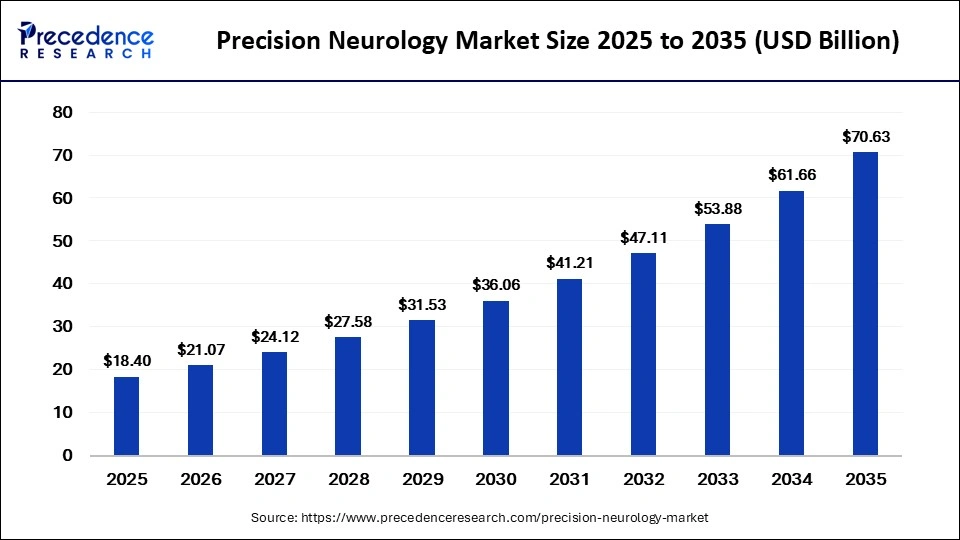
Rohan Patil, a Healthcare Industry Expert, highlights that the precision neurology market has reached USD 21.07 billion in 2026 and is on track to reach USD 70.63 billion by 2035, advancing at a CAGR of 14.60%. Key precision neurology market companies shaping the market include F. Hoffmann-La Roche Ltd., Biogen Inc., Novartis AG, Pfizer Inc., while major growth segments span By Technology, By Therapeutic Area, By Application, By End-use, By Delivery Model.
Source: https://www.precedenceresearch.com/precision-neurology-market
 Get a Sample
 Table Of Content


What is the Precision Neurology Market Size in 2026?
The global precision neurology market size was calculated at USD 18.40 billion in 2025 and is predicted to increase from USD 21.07 billion in 2026 to approximately USD 70.63 billion by 2035, expanding at a CAGR of 14.60% from 2026 to 2035. The increasing prevalence of neurological disorders and advances in precision healthcare research are key drivers of market growth.
Key Takeaways
- North America led the market with a share of 41% in 2025.
- Asia-Pacific is expected to be the fastest-growing region with a CAGR of 19.8% in the forecasted duration.
- By technology, the genomics segment led the precision neurology market with 28% share in 2025.
- By technology, the AI and machine learning analytics segment is expected to grow at the fastest CAGR of 24.5% in the predictive window.
- By therapeutic area, the Alzheimers disease segment led the global market with a share of 30% in 2025 and is expected to be the fastest-growing segment with a CAGR of 17% in the fiscal period.
- By application, the personalized diagnostics segment led the global market with a share of 26% in 2025.
- By application, the precision therapeutics segment is expected to grow at the highest CAGR of 18.5% in the foreseeable period.
- By end-use, the hospitals segment led the global market with a share of 36% in 2025.
- By end-use, the pharmaceutical and biotechnology companies segment is expected to witness the fastest growth with a CAGR of 18.8% in the fiscal period.
Precision Neurology Market Overview
Precision neurology represents an innovative approach to diagnosing and treating complex diseases by exploring the underlying mechanisms of their key pathological changes, understanding their relationship to various patient subgroups, and identifying effective medications to mitigate their impact. The goal of precision neurology is to enhance patient outcomes, minimize treatment failures, and promote proactive, preventive brain health on a global level. In the field of neurology, precision medicine, which encompasses prediction, prevention, and personalization, necessitates the integration of genomic and phenomics data with imaging and behavioral information.
Impact of Artificial Intelligence on the Precision Neurology Market
Artificial intelligence (AI) is becoming increasingly prevalent throughout the healthcare sector. In the field of precision neurology, AI enhances diagnostic accuracy, accelerates the interpretation of intricate scans, and aids in decision-making processes. Additionally, machine learning enables systems to detect patterns in data without the need for explicit programming. Deep learning employs multilayered neural networks to uncover complex, hierarchical features from imaging data. Furthermore, AI supports molecular pathologists in biomarker identification, pathway analysis, treatment response prediction, and variant identification, while acting as a diagnostic assistant and facilitating the intricate molecular analysis process.
Precision Neurology Market Trends
- Sex, Gender & Global Interest: Precision neurology is gaining recognition for its acknowledgment of how sex and gender influence neurological diseases, treatment outcomes, and disease progression. This increased focus is attracting global research and market interest.
- Precision Neurology is Transforming Psychiatry: Precision neurology, along with neuroimaging and molecular biology, is revolutionizing psychiatry by enhancing understanding, diagnosis, and treatment methods for mental health conditions.
- AI and Integrated Care Support Healthy Aging: AI-enhanced brain scans and proactive integrated care are reshaping support systems for aging populations by shifting healthcare priorities toward lifelong wellness and preventive care.
Market Scope
| Report Coverage | Details |
| Market Size in 2025 | USD 18.40 Billion |
| Market Size in 2026 | USD 21.07 Billion |
| Market Size by 2035 | USD 70.63 Billion |
| Market Growth Rate from 2026 to 2035 | CAGR of 14.60% |
| Dominating Region | North America |
| Fastest Growing Region | Asia Pacific |
| Base Year | 2025 |
| Forecast Period | 2026 to 2035 |
| Segments Covered | Technology, Therapeutic Area, Application, End-use, Delivery Model, and Region |
| Regions Covered | North America, Europe, Asia-Pacific, Latin America, and Middle East & Africa |
Market Dynamics
Drivers
Early Detection and Innovation
Neurological conditions represent a significant source of disability globally, impacting nearly one in three individuals. These factors are driving the expansion of precision neurology. There is a growing emphasis on the early detection of neurodegenerative diseases, coupled with advancements in screening technologies, biomarker research, genomics, and data science, which are all contributing to the progress of precision medicine in the field of neurology.
Restraints
Data Storage and Integration Gaps
One of the significant challenges in precision neurology research is the generation and management of large volumes of data. Data storage systems vary across hospitals, and many existing systems do not support the necessary formats for efficiently recording genetic results. These limitations hinder the seamless integration of large-scale research activities.
Opportunity
Emerging Opportunities in Behavioral Neurology
Neurobehavioral disorders are highly complex, and their underlying pathology is still not fully understood. Consequently, creating optimized treatments tailored to individual needs necessitates diverse clinical trial methodologies. The increasing research in precision neurology within the behavioral health sector is generating substantial market opportunities for enhanced personalized treatment approaches and future clinical advancements.
Segmental Insights
Technology Insights
Precision Neurology Market Share, By Technology, 2025-2035 (%)
| Technology | 2025 | 2035 | CAGR (%) |
| Genomics | 28.00% | 30.00% | 17.50% |
| Proteomics | 14.00% | 15.00% | 15.20% |
| Biomarker-based Diagnostics | 24.00% | 26.00% | 16.80% |
| AI & Machine Learning Analytics | 12.00% | 14.00% | 24.50% |
| Neuroimaging Technologies | 22.00% | 15.00% | 10.50% |
The Genomics Segment Dominated with 28% Market Share in 2025
The genomics segment generated approximately USD 5.15 billion in 2025 and is projected to reach nearly USD 21.19 billion by 2035, growing at a CAGR of 17.5% during the forecast period. The genomics segment dominated the precision neurology market, accounting for 28% share in 2025, primarily driven by the increasing adoption of genomic sequencing for neurological disorders. This segment encompasses whole genome sequencing, targeted gene panels, and pharmacogenomics, providing valuable insights into individual responses to various medications and treatments, and aiding physicians in assessing the risk of developing diseases later in life. The rising demand for hereditary disease risk analysis further reinforces its market leadership.
The proteomics segment accounted for approximately USD 2.58 billion in 2025 and is projected to reach nearly USD 10.59 billion by 2035, growing at a CAGR of 15.2% during the forecast period. The proteomics segment captured approximately 14% of the market share in 2025. This growth is driven by the expansion of protein biomarker discovery initiatives. The ongoing research into neurodegenerative disease pathways, coupled with the high accuracy and sensitivity of mass spectrometric analysis of proteomes, positions proteomics as a vital component in precision neurology, thereby enhancing its adoption.
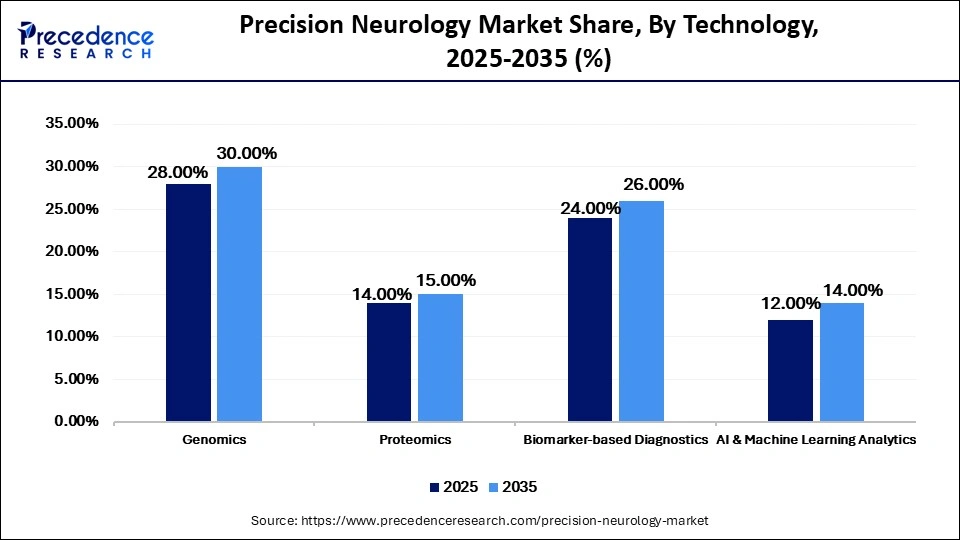
The biomarker-based diagnostics segment generated approximately USD 4.42 billion in 2025 and is projected to reach nearly USD 18.36 billion by 2035, growing at a CAGR of 16.8% during the forecast period. The biomarker-based diagnostics segment secured around 24% of the market share in 2025, driven by an increasing demand for early detection of neurological disorders. The rising utilization of blood-based and cerebrospinal fluid (CSF) biomarkers is propelling this growth. Additionally, disease-specific biomarkers are advancing precision medicine, alongside cancer diagnostics and therapies for neurological conditions.
The AI and machine learning analytics segment accounted for approximately USD 2.21 billion in 2025 and is projected to reach nearly USD 9.89 billion by 2035 at the fastest CAGR of 24.5% during the forecast period. The AI and machine learning analytics segment attained nearly 12% of the market share and is expected to be the fastest-growing segment with a CAGR of 24.5% from 2026 to 2035. This growth is attributed to the rising integration of AI in neurological data analysis. The demand for predictive disease modelling is significantly contributing to this trend, while increasing investments in digital neurology platforms facilitate anomaly detection, data cleaning, and predictive modelling. Consulting firms specializing in AI and ML analytics are poised to expedite the transition towards precision neurology.
Therapeutic Area Insights
The Alzheimer's Disease Segment Led the Market with 30% of Market Share in 2025
The Alzheimer's disease segment generated approximately USD 5.52 billion in 2025 and is projected to reach nearly USD 23.31 billion by 2035, growing at a CAGR of 17% during the forecast period. The Alzheimer's disease segment led the precision neurology market in 2025, driven by the high global prevalence of the disease. Precision medicine in Alzheimer's incorporates biomarkers, including genetic and imaging indicators, to facilitate accurate diagnosis and classification of patients according to the specific subtype of the disease. The growing emphasis on biomarker-guided therapeutics is expected to further enhance adoption.
The Parkinson's disease segment accounted for approximately USD 3.31 billion in 2025 and is projected to reach nearly USD 12.01 billion by 2035, growing at a CAGR of 13.8% during the forecast period. The Parkinson's disease segment captured nearly 18% of the market share in 2025, driven by the increasing utilization of precision diagnostics and biomarkers. Precision neurology enables the detection of Parkinson's disease in its earliest stages, including subclinical signs of neuronal death that occur before clinical motor symptoms manifest. The rising focus on personalized neurological therapies is expected to drive further growth.
Precision Neurology Market Share, By Therapeutic Area, 2025-2035 (%)
| Therapeutic Area | 2025 | 2035 | CAGR (%) |
| Alzheimer's Disease | 30.00% | 33.00% | 17.00% |
| Parkinson's Disease | 18.00% | 17.00% | 13.80% |
| Multiple Sclerosis | 14.00% | 13.00% | 11.50% |
| Epilepsy | 10.00% | 9.00% | 10.80% |
| Amyotrophic Lateral Sclerosis (ALS) | 8.00% | 8.00% | 14.20% |
| Autism Spectrum Disorders | 7.00% | 8.00% | 16.00% |
| Stroke | 8.00% | 7.00% | 11.00% |
| Other Neurological Disorders | 5.00% | 5.00% | 9.50% |
The multiple sclerosis segment generated approximately USD 2.58 billion in 2025 and is projected to reach nearly USD 9.18 billion by 2035, growing at a CAGR of 11.5% during the forecast period. The multiple sclerosis segment recorded 14% of the market share in 2025, propelled by the increased adoption of targeted immunotherapies. Patients with multiple sclerosis experience a diverse range of neurological symptoms, with disease severity varying from mild to severe. Precision neurology is anticipated to play a significant role in addressing disease onset, detection, and symptom management. The growing demand for personalized disease monitoring and the expanding use of biomarker-driven treatment approaches are expected to support market acceptance.
The epilepsy segment accounted for approximately USD 1.84 billion in 2025 and is projected to reach nearly USD 6.36 billion by 2035, growing at a CAGR of 10.8% during the forecast period. The epilepsy segment secured approximately 10% of the market share in 2025, driven by the rising demand for pharmacogenomic-guided treatment. The increasing adoption of AI-based seizure prediction tools and emerging digital health technologies, which are set to revolutionize seizure monitoring and prediction, will further promote market adoption.
Application Insights
The Personalized Diagnostics Segment Dominated with 26% Market Share in 2025
The personalized diagnostics segment generated approximately USD 4.78 billion in 2025 and is projected to reach nearly USD 19.78 billion by 2035, growing at a CAGR of 17.2% during the forecast period. The personalized diagnostics segment dominated with nearly 26% of the precision neurology market share in 2025, driven by the growing demand for individualized neurological diagnoses. These personalized diagnostic tests identify variations in gene or protein expression levels among patients, serving as important indicators for drug treatments and neurological disease prognosis. The increasing adoption of biomarker and genomic testing is further fuelling this growth.
The precision therapeutics segment accounted for approximately USD 4.42 billion in 2025 and is projected to reach nearly USD 19.07 billion by 2035 at the fastest CAGR of 18.5% during the forecast period. The precision therapeutics segment captured approximately 24% of the market share in 2025. This growth is supported by the ongoing development of targeted neurological therapies. Precision therapeutics relies on a thorough understanding of molecular factors that influence the progression of neurological diseases and drug resistance. Additionally, rising investments in disease-modifying therapeutics contribute to this segment's expansion.
Precision Neurology Market Share, By Application, 2025-2035 (%)
| Application | 2025 | 2035 | CAGR (%) |
| Personalized Diagnostics | 26.00% | 28.00% | 17.20% |
| Precision Therapeutics | 24.00% | 27.00% | 18.50% |
| Drug Discovery & Development | 18.00% | 16.00% | 13.80% |
| Disease Risk Prediction | 12.00% | 11.00% | 15.50% |
| Patient Stratification | 10.00% | 9.00% | 14.00% |
| Monitoring & Prognostics | 10.00% | 9.00% | 13.50% |
The drug discovery and development segment generated approximately USD 3.31 billion in 2025 and is projected to reach nearly USD 11.30 billion by 2035, growing at a CAGR of 13.8% during the forecast period. The drug discovery and development segment achieved around 18% of the market share in 2025, driven by the increasing utilization of precision biomarkers in clinical trials. Precision drug discovery represents an innovative approach to tailoring treatments and prevention strategies for neurological diseases. It enables healthcare professionals and researchers to more accurately predict the effectiveness of treatments based on individual genetic, molecular, environmental, and lifestyle factors. The rise in pharmaceutical research and development investments in neurology further supports this market.
The disease risk prediction segment accounted for approximately USD 2.21 billion in 2025 and is projected to reach nearly USD 7.77 billion by 2035, growing at a CAGR of 15.5% during the forecast period. The disease risk prediction segment secured about 12% of the market share in 2025, reflecting a heightened focus on preventive approaches in neurology. The integration of deep learning with information fusion techniques can enhance the reliability and comprehensiveness of predictions derived from extensive healthcare datasets. Moreover, the increasing adoption of predictive genomic analysis is driving market growth in this area.
End-use Insights
Precision Neurology Market Share, By End-use, 2025-2035 (%)
| End-use | 2025 | 2035 | CAGR (%) |
| Hospitals | 36.00% | 32.00% | 12.50% |
| Specialty Neurology Clinics | 22.00% | 25.00% | 16.50% |
| Academic & Research Institutes | 18.00% | 16.00% | 12.00% |
| Pharmaceutical & Biotechnology Companies | 16.00% | 19.00% | 18.80% |
| Diagnostic Laboratories | 8.00% | 8.00% | 14.20% |
The Hospitals Segment Led the Market Share with 36% Share in 2025
The hospitals segment generated approximately USD 6.62 billion in 2025 and is projected to reach nearly USD 22.60 billion by 2035, growing at a CAGR of 12.5% during the forecast period. The hospitals segment led the precision neurology market with a share of 36% in 2025, driven by strong patient inflow for neurological diagnostics and treatment. Furthermore, the increasing integration of precision medicine platforms and the growing adoption of advanced neuroimaging systems support market growth.
The specialty neurology clinics segment accounted for approximately USD 4.05 billion in 2025 and is projected to reach nearly USD 17.66 billion by 2035, growing at a CAGR of 16.5% during 2026 to 2035. The specialty neurology clinics segment held 22% of the market share in 2025, due to rising demand for personalized neurological care. Furthermore, the increasing adoption of biomarker-guided treatment protocols and the expansion of outpatient neurology services are promoting market growth.
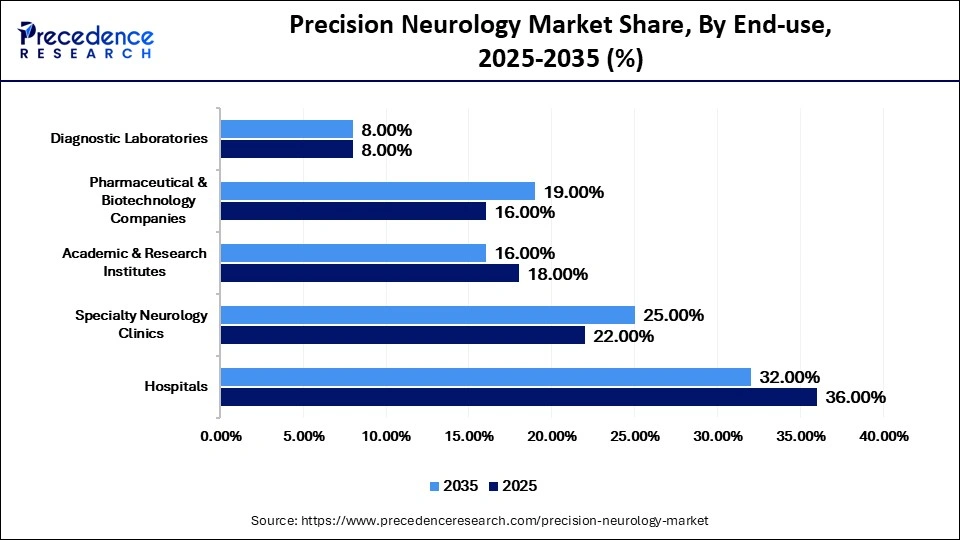
The academic and research institutes segment generated approximately USD 3.31 billion in 2025 and is projected to reach nearly USD 11.30 billion by 2035, growing at a CAGR of 12% during the forecast period. The academic and research institutes segment held 18% of the market share in 2025, due to increasing neuroscience and genomic research funding. Rising collaborations with pharmaceutical companies and growing biomarker discovery initiatives are further supporting research activities.
The pharmaceutical and biotechnology companies segment accounted for approximately USD 2.94 billion in 2025 and is projected to reach nearly USD 13.42 billion by 2035 at the highest CAGR of 18.8% during the forecast period. The pharmaceutical and biotechnology companies segment held 16% of the market share in 2026 and is expected to grow at the highest CAGR of 18.8% from 2026 to 2035, due to rising investments in precision neurology drug pipelines. The increasing use of AI and biomarkers in neurological R&D, along with growing strategic partnerships and licensing activities, supports market growth.
Regional Insights
North America Precision Neurology Market Size and Growth 2026 to 2035
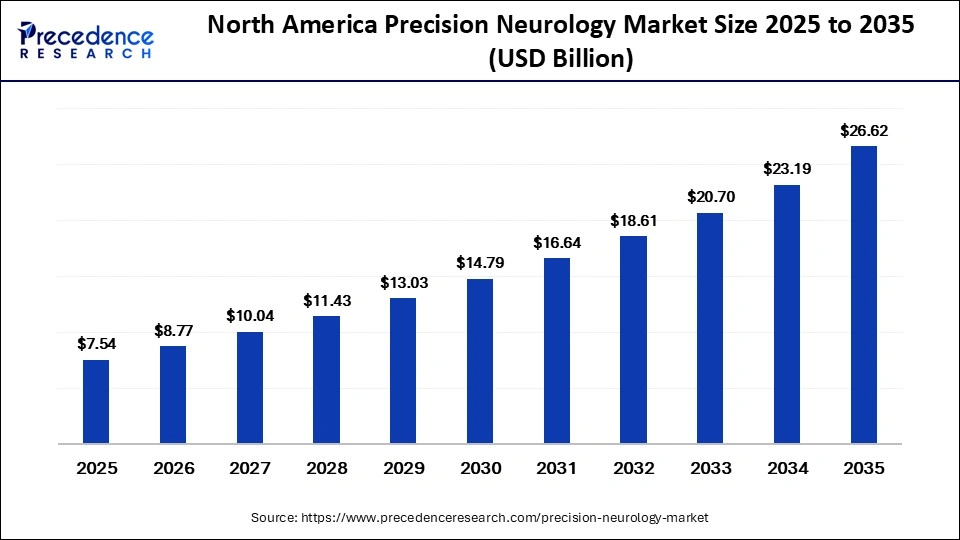
The North America precision neurology market size was exhibited at USD 7.54 billion in 2025 and is projected to be worth around USD 26.62 billion by 2035, growing at a CAGR of 13.50% from 2026 to 2035.
Which Factors Drive the Precision Neurology Market in North America?
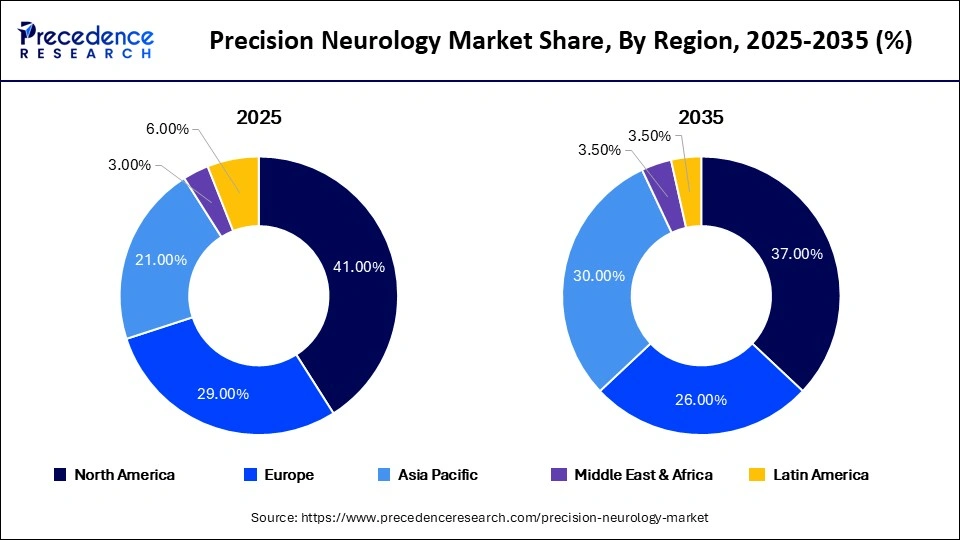
North America held a major market share of 41% in 2025, due to the robust adoption of precision medicine and genomic diagnostics. The high incidence of neurological disorders among the aging population, coupled with substantial investments in AI-driven neurology research, has facilitated continuous innovation. Furthermore, collaborations between academic institutions and leading biotechnology and pharmaceutical companies have bolstered regional development.
U.S. Precision Neurology Market Size and Growth 2026 to 2035
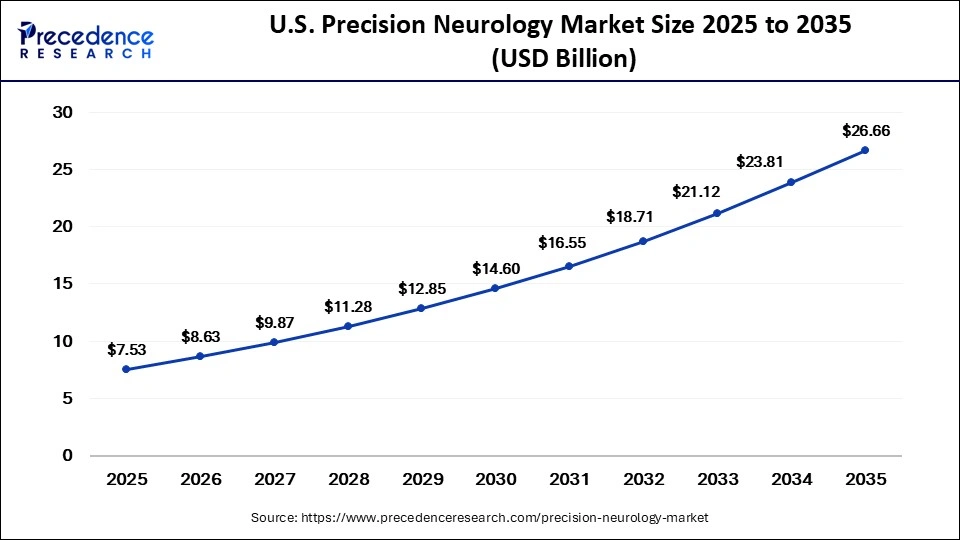
The U.S. precision neurology market size was evaluated at USD 7.53 billion in 2025 and is projected to reach around USD 26.66 billion by 2035, growing at a CAGR of 13.83% from 2026 to 2035.
U.S. Market Trends
The United States leads the North American market, emphasizing the importance of addressing patient-specific needs and identifying key factors that enhance treatment efficacy. The swift integration of technologies such as neurostimulation, neurosurgical devices, and neurodiagnostic tools is gaining momentum in clinical environments.
How is Asia-Pacific Growing in the Precision Neurology Market?
Asia-Pacific held 21% of the market share in 2025 and is expected to grow at the fastest CAGR of 19.8% during the predicted timeframe, driven by the rapid development of genomic medicine infrastructure. Investments in healthcare are on the rise in China, Japan, and South Korea, while increasing awareness of personalized neurological care further supports market expansion.
China Market Trends
China is leading the Asia-Pacific market, propelled by extensive hospital construction programs and national initiatives aimed at preventing neurological diseases, which enhance stroke management capabilities and improve access to neuroimaging. Projects such as the China Brain Project are instrumental in advancing the regional landscape of precision neurology.
Will Europe Grow in the Precision Neurology Market?
Europe held 29% of the market share in 2025 and is expected to grow at a notable CAGR of 12.8% over the studied period, supported by escalating government support for precision healthcare initiatives. The enhancing neurology project, aimed at establishing key priorities for neurology across Europe, is also contributing to regional growth.
Germany Market Trends
In Germany, initiatives like NEURO INITIATIVE 4.0 – Gemeinsam gegen Neurodegeneration are fostering regional development, alongside the increasing adoption of biomarker-based neurological diagnostics. A robust academic and clinical research ecosystem in neurology further enhances market growth.
How is the Opportunistic Rise of Latin America in the Precision Neurology Market?
Latin America held a 6% share of the market in 2025 and is expected to grow at a CAGR of 9.8% in the coming years. This is mainly due to its improved healthcare infrastructure, rising awareness of neurological disorders, and increasing adoption of advanced diagnostic technologies. Countries such as Brazil and Mexico are investing heavily in genomic research, precision medicine initiatives, and digital healthcare systems that support personalized neurological treatment approaches.
Brazil Market Trends
Brazil is a major contributor to the Latin American precision neurology market due to its large patient population, expanding healthcare infrastructure, and increasing investments in precision medicine and neurological research. The country is also witnessing growing adoption of precision genomic testing, AI-driven diagnostics, and advanced neuroimaging technologies, supported by government healthcare initiatives and collaborations between research institutions and biotechnology companies.
What Drives the Market within the Middle East & Africa?
The precision neurology market in the Middle East & Africa is growing at a CAGR of 10.5% during the projection period, driven by the rising prevalence of neurological disorders, improving healthcare infrastructure, and increasing investments in advanced diagnostic and personalized medicine technologies across the region. Growing government initiatives to modernize healthcare systems, expanding adoption of AI-powered neuroimaging and genomic testing, and rising collaborations with global healthcare and biotechnology companies are further supporting market growth.
South Africa Market Trends
South Africa is leading the market within the Middle East & Africa due to its relatively advanced healthcare infrastructure, strong presence of private healthcare providers, and growing adoption of modern diagnostic technologies. The country is also investing in neurological research, AI-driven imaging, and genomic medicine, supported by increasing collaborations with global life sciences companies and academic institutions.
Competitive Landscape
The precision neurology market is characterized by a mix of established healthcare companies, biotechnology firms, and emerging startups focusing on advanced diagnostics, genomics, and AI-driven neurological solutions. Leading players are strengthening their positions through investments in precision medicine platforms, neuroimaging technologies, and biomarker-based diagnostics to improve early detection and personalized treatment of neurological disorders. The market remains moderately fragmented, with competition driven by continuous innovation, expanding product portfolios, and increasing adoption of digital health and AI-enabled clinical tools.
Strategic collaborations, mergers and acquisitions, and licensing agreements are playing a crucial role in shaping competitive dynamics, as companies aim to accelerate R&D and expand geographic reach. Key industry participants are also focusing on integrating artificial intelligence, machine learning, and genomic data analytics to enhance diagnostic accuracy and treatment outcomes. Additionally, rising investments in research partnerships between pharmaceutical companies, academic institutions, and healthcare providers are intensifying competition and driving rapid technological advancements in precision neurology solutions.
Precision Neurology Market Companies
- F. Hoffmann-La Roche Ltd.
- Biogen Inc.
- Novartis AG
- Pfizer Inc.
- Eli Lilly and Company
- AbbVie Inc.
- Thermo Fisher Scientific
- Illumina Inc
- Qiagen N.V.
- Siemens Healthineers
- GE HealthCare
- Quanterix Corporation
- Bio-Rad Laboratories
- AC Immune SA
- Alector Inc.
Recent Developments
- In April 2026, Cedars-Sinai Guerin Children's launched the first Neuro Neonatal Intensive Care Unit in the Los Angeles region, bringing specialized neurological care to newborns during a critical stage of early brain development.(Source: https://www.cedars-sinai.org)
- In March 2026, Alamar Biosciences launched the NULISAseq™ Neuro 220 Panel, its largest precision proteomics panel, offering the sensitivity and specificity needed to advance neurological disease research.(Source: https://alamarbio.com)
Segments Covered in the Report
By Technology
- Genomics
- Whole Genome Sequencing
- Targeted Gene Panels
- Pharmacogenomics
- Proteomics
- Biomarker-based Diagnostics
- AI & Machine Learning Analytics
- Neuroimaging Technologies
- MRI
- PET
- Functional Neuroimaging
By Therapeutic Area
- Alzheimer's Disease
- Parkinson's Disease
- Multiple Sclerosis
- Epilepsy
- Amyotrophic Lateral Sclerosis (ALS)
- Autism Spectrum Disorders
- Stroke
- Other Neurological Disorders
By Application
- Personalized Diagnostics
- Precision Therapeutics
- Drug Discovery & Development
- Disease Risk Prediction
- Patient Stratification
- Monitoring & Prognostics
By End-use
- Hospitals
- Specialty Neurology Clinics
- Academic & Research Institutes
- Pharmaceutical & Biotechnology Companies
- Diagnostic Laboratories
By Delivery Model
- Hospital-based Precision Neurology
- Cloud-based Neurology Platforms
- AI-assisted Neurology Solutions
By Region
- North America
- Latin America
- Europe
- Asia-pacific
- Middle and East Africa
For inquiries regarding discounts, bulk purchases, or customization requests, please contact us at sales@precedenceresearch.com
Frequently Asked Questions





Ask For Sample
No cookie-cutter, only authentic analysis – take the 1st step to become a Precedence Research client
 Get a Sample




 sales@precedenceresearch.com
 Schedule a Meeting
