



U.S. Oncology Drugs Market Size, Key Companies, Company Production Capacity, Healthcare Infrastructure Growth, Product Utilization, Regulatory Compliance, Company Expansion Strategies, Company Investment Strategies, and Market Outlook
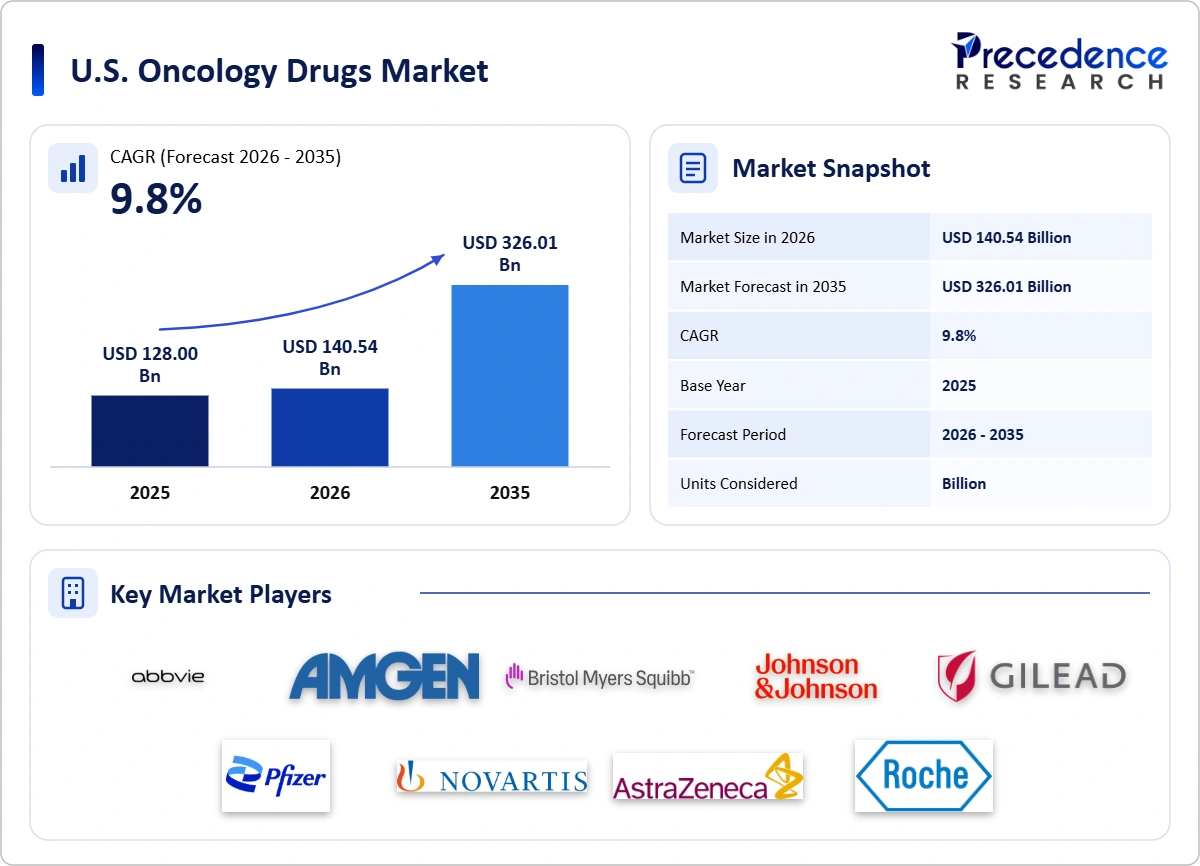
Payal Rabde, a Healthcare Industry Expert, highlights that the U.S. oncology drugs market has reached USD 140.54 billion in 2026 and is on track to reach USD 326.01 billion by 2035, advancing at a CAGR of 9.8%. Key U.S. oncology drugs market companies shaping the market include Merck & Co., Bristol Myers Squibb, AstraZeneca while major growth segments span drug class, cancer type, distribution channel and region.
Source: https://www.precedenceresearch.com/us-oncology-drugs-market
 Get a Sample
 Table Of Content
Key Takeaways
Market Size & Growth Outlook
- Market size in 2025: USD 128.00 billion
- Estimated market size in 2026: USD 140.54 billion
- Projected market size by 2035: USD 326.01 billion
- CAGR (2026-2035): 9.8%
Regional Market Spotlight
- The South is expected to be the fastest-growing region in the U.S. market, comprising 36% in 2025 and projecting a CAGR of 10.55% from 2026 to 2035.
- The Northeast region accounted for 22% of the market in 2025.
- The West region represented 21% of the market in 2025.
Segmental Spotlight
- Targeted Therapy accounted for the largest drug class share, representing 36% of the market in 2025.
- The combined Colorectal and Other Cancers category accounted for 32% of the market in 2025. Lung cancer represented the largest individually identified cancer category, with a 22% share.
- In 2025, Hospital and Clinic Infusion dominated the distribution channel segment, accounting for 58% of the market.
U.S. Oncology Drugs Market Size, 2025-2035 (USD Billion)
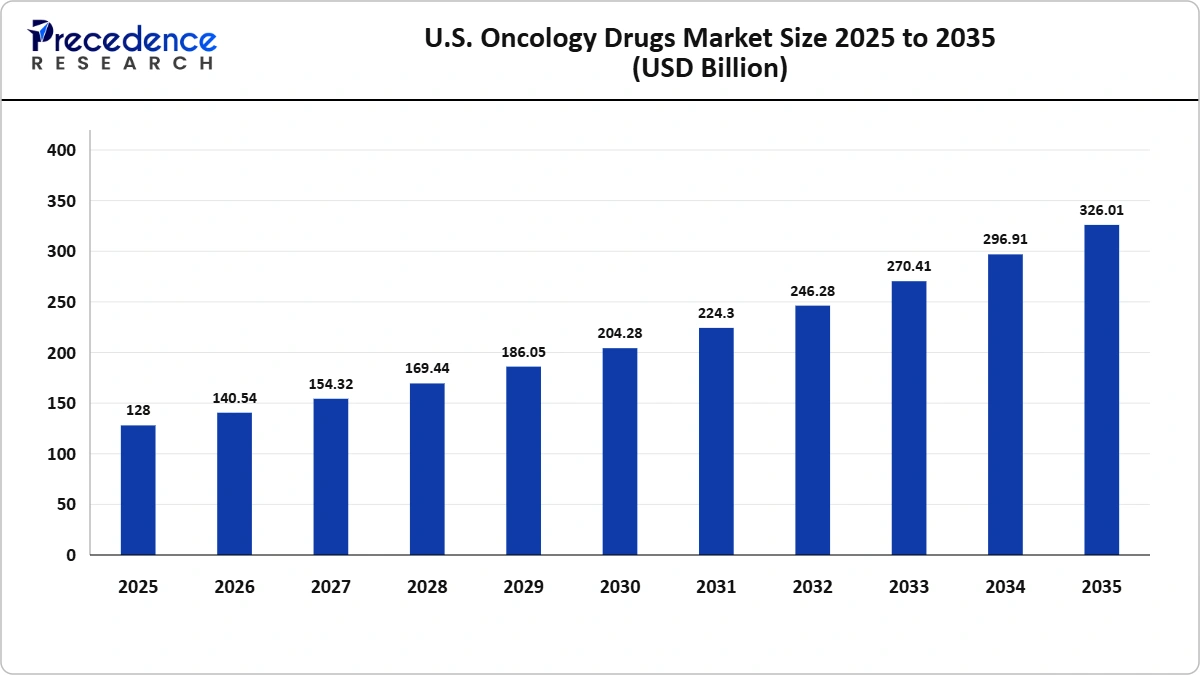
Note: 2025 is the base year; 2026-2035 values are forecasts.
Sources: Expert interviews, secondary sources, Precedence Research database and Precedence Research analysts.
The U.S. oncology drugs market is projected to grow from USD 128.00 billion in 2025 to USD 326.01 billion by 2035, registering a CAGR of 9.8% from 2026 to 2035. This growth is driven by rising cancer incidence associated with an ageing population, adoption of new therapies, and longer treatment durations. New drug approvals, earlier-line use of immunotherapy, expanding ADC applications, and improved patient survival are supporting market expansion. The market is projected to reach USD 204.28 billion by 2030, reflecting sustained demand for advanced cancer treatments.
Analyst View: Our market forecast is based on an assessment of U.S. oncology drug sales reported by leading pharmaceutical companies and national spending data, allocated across drug classes, cancer types, and distribution channels. Patent expiries, including the expected loss of exclusivity for Keytruda later in the forecast period, have been considered as a factor affecting market growth.
U.S. Oncology Drugs Market Trends
- Earlier-line use of immunotherapy: Checkpoint inhibitors are increasingly used in neoadjuvant and adjuvant settings across selected cancer indications, expanding their use beyond advanced disease. This expands treatment access to patients with earlier-stage disease who previously may have received surgery alone.
- Rise of antibody-drug conjugates: ADCs are increasingly used as alternatives to conventional chemotherapy in selected breast, bladder, and lung cancer indications. Several major licensing agreements reflect growing pharmaceutical industry investment in this drug class.
- Subcutaneous formulations: The development of subcutaneous versions of antibodies is reducing administration time from approximately an hour to a few minutes, helping ease pressure on crowded infusion centres.
- Bispecific antibodies in blood cancers: Bispecific antibodies offer off-the-shelf treatment options for multiple myeloma and lymphoma patients, bypassing the wait for personalized CAR-T therapies.
- Biomarker-driven treatment: Genomic testing is standard in treating lung, colorectal, and breast cancer, identifying patients who might benefit from costlier targeted therapies instead of traditional chemotherapy.
U.S. Oncology Drugs Market Dynamics
Oncology is one of the largest and most commercially significant therapeutic areas in the U.S. pharmaceutical market. Market growth is supported by a steady pipeline of new drug approvals, the expansion of treatment into earlier stages of cancer, and longer patient survival with modern therapies. Increasing adoption of antibody-drug conjugates, bispecific antibodies, and radioligands is further expanding treatment options. However, drug price negotiations, biosimilar competition, and patent expiries remain the primary challenges affecting market revenue.
Drivers
Steady flow of new approvals
In recent years, the FDA has approved many new cancer drugs and indications, highlighting oncology as a crucial focus for pharmaceutical innovation. These approvals provide more treatment options for diverse patient groups and enhance existing therapies. Accelerated approval pathways allow promising medications to enter the market based on preliminary clinical evidence, while confirmatory trials support broader use.
Ageing population and rising incidence
Cancer risk increases after the age of 65, and the growing older population in the United States is contributing to higher cancer incidence. Increasing diagnoses are translating into greater demand for oncology medicines, particularly for prostate, breast, lung, and blood cancers.
Longer survival on treatment
Advances in cancer treatment allow patients with advanced disease to live for years instead of months. Longer treatment durations involving CDK4/6 inhibitors, PARP inhibitors, and multiple myeloma combination therapies are increasing per-patient spending despite stable cancer incidence.
Treatment moving to earlier stages
The use of adjuvant and neoadjuvant immunotherapies and targeted drugs is expanding access to high-cost medicines among patients with potentially curable cancer. These earlier-stage patient groups are relatively large, meaning that new treatment approvals can increase prescription volumes and overall market demand.
Table: Market Drivers - Impact & CAGR Contribution (2026-2035)
| Driver | Impact | ≈ CAGR Contribution | Time Horizon | Key Regions |
| Steady flow of new approvals | High | +3.83 pp | Short to long term | U.S.-wide, strongest in South |
| Ageing population and rising incidence | Medium | +3.23 pp | Medium to long term | U.S.-wide, fastest uptake in South |
| Longer survival on treatment | Medium | +2.75 pp | Short to medium term | U.S.-wide |
| Treatment moving to earlier stages | Low | +2.15 pp | Long term | South |
Note: Contributions are indicative estimates of each factor's effect on annual growth.
Sources: Expert interviews, secondary sources, Precedence Research database and Precedence Research analysts.
The use of adjuvant and neoadjuvant immunotherapies and targeted drugs is expanding access to high-cost medicines among patients with potentially curable cancer. These earlier-stage patient groups are relatively large, meaning that new treatment approvals can increase prescription volumes and overall market demand.
Restraints
Drug price negotiation
Medicare drug price negotiations under the Inflation Reduction Act and Most Favored Nation pricing deals are expected to reduce net prices for several major oncology medicines. Oral drugs face negotiation sooner than biologics, affecting targeted therapy revenues first.
Patent expiries and biosimilars
Several blockbuster oncology medicines are expected to lose market exclusivity during the forecast period. The entry of generic and biosimilar alternatives typically results in substantial price reductions within a few years, creating revenue pressure for established pharmaceutical companies.
Affordability and access
High out-of-pocket expenses, prior authorization requirements, and step therapy restrictions can delay or limit access to oncology treatments. These challenges are relevant for patients covered by high-deductible health insurance plans.
Table: Market Restraints - Impact & Negative CAGR Contribution (2026-2035)
| Restraint | Impact | ≈ Negative CAGR Contribution | Time Horizon | Key Regions |
| Drug price negotiation | High | -0.97 pp | Short to medium term | U.S.-wide |
| Patent expiries and biosimilars | High | -0.71 pp | Medium term | Smaller and price-sensitive markets |
| Affordability and access | Medium | -0.47 pp | Short term | South and other mature markets |
Note: Contributions are indicative estimates of each factor's effect on annual growth.
Sources: Expert interviews, secondary sources, Precedence Research database and Precedence Research analysts.
Medicare drug price negotiations and Most Favored Nation pricing arrangements represent significant restraints on market growth. Patent expiries and increasing biosimilar competition are expected to create additional pricing pressure later in the forecast period.
Opportunities
Radioligand therapy
Radioligand therapies such as Pluvicto are creating opportunities for a new category of cancer treatment that combines diagnostic imaging with targeted radioactive medicines. Additional therapeutic targets in late-stage clinical trials could support the development of a larger radioligand therapy segment.
Community oncology expansion
Community oncology practices in growing states are expanding infusion capacity and clinical trial participation. This is improving access to advanced cancer treatments closer to patients' homes while supporting higher treatment volumes.
Combination regimens
The combination of ADCs with immunotherapy has demonstrated promising response rates. If supported by clinical evidence, these treatment combinations could increase therapy duration and spending per patient.
U.S. Oncology Drugs Market Segmentation: 2025 Share and Size
U.S. Oncology Drugs Market by Drug Class, 2025-2035 Share (%)
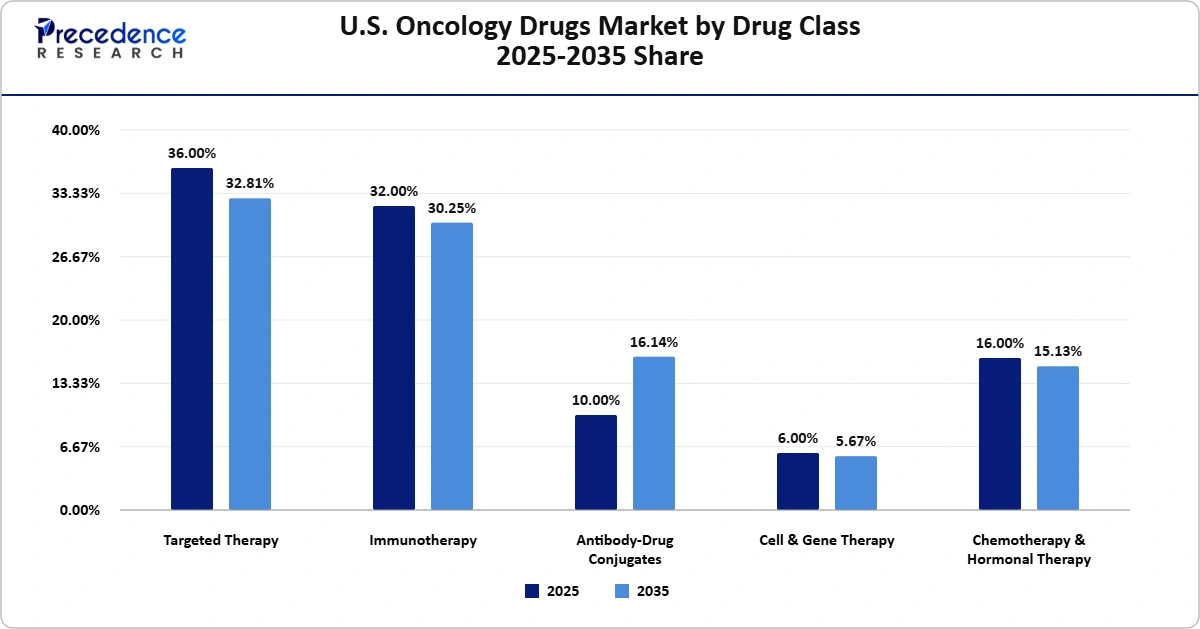
Note: 2025 is the base year; 2035 shares and CAGRs are forecasts.
Sources: Expert interviews, secondary sources, Precedence Research database and Precedence Research analysts.
Targeted therapies and immunotherapies collectively account for most U.S. oncology drug spending. Checkpoint inhibitors such as Keytruda and Opdivo are used across multiple tumour types, while kinase inhibitors and monoclonal antibodies are widely adopted in lung, breast, and blood cancers. ADCs have emerged as a rapidly expanding category, supported by new approvals and their increasing use in earlier treatment lines.
Targeted Therapy accounted for the largest share of the market at 36% in 2025. The segment is expected to register a CAGR of 8.79% from 2026 to 2035. This segment emphasizes the application of small-molecule kinase inhibitors and monoclonal antibodies, particularly oral medications such as osimertinib for lung cancer and CDK4/6 inhibitors for breast cancer, which support extended treatment periods that enhance segment revenue.
Immunotherapy represented 32% of the market in 2025 and is projected to grow at a CAGR of 9.19% from 2026 to 2035. Checkpoint inhibitors are utilized before and after surgery, in addition to treating advanced cancer. Keytruda is a leading oncology medication, with potential changes in administration due to new subcutaneous formulations.
Antibody-Drug Conjugates held a market share of 10% in 2025 and are projected to register the fastest growth, with a CAGR of 15.19% through 2035. ADCs such as Enhertu and Padcev combine antibodies with potent drug payloads. New targets and approvals in earlier treatment lines are supporting the segment's expansion.
Cell and Gene Therapy captured 6% of the market in 2025, with a projected CAGR of 9.19% from 2026 to 2035. CAR-T therapies used for lymphoma and multiple myeloma command high prices but serve relatively limited patient populations because of complex manufacturing processes and the need for specialist treatment centres.
Chemotherapy and Hormonal Therapy accounted for 16% of the market in 2025. The segment is anticipated to record a CAGR of 9.19% from 2026 to 2035. Although older cytotoxic and hormonal medicines are largely generic and relatively inexpensive, newer hormonal agents such as enzalutamide continue to support demand in prostate and breast cancer treatment.
U.S. Oncology Drugs Market by Cancer Type, 2025 Share (%)
| Segments | 2025 Share | 2035 Share | CAGR 2026-2035 |
| Lung Cancer | 22.00% | 21.85% | 9.72% |
| Blood Cancers | 20.00% | 19.86% | 9.72% |
| Breast Cancer | 16.00% | 17.72% | 10.92% |
| Prostate Cancer | 10.00% | 9.93% | 9.72% |
| Colorectal & Others | 32.00% | 30.64% | 9.32% |
Note: 2025 is the base year; 2035 shares and CAGRs are forecasts.
Sources: Expert interviews, secondary sources, Precedence Research database and Precedence Research analysts.
In 2025, lung cancer represents a major source of oncology drug spending because of its prevalence and the extensive use of expensive immunotherapies and targeted medicines. Blood cancers follow closely, supported by combination regimens for multiple myeloma and lymphoma. Breast cancer is expected to register comparatively faster growth as newer oral therapies and ADCs extend treatment options and patient survival.
Lung Cancer accounted for 22% of the market in 2025, making it the largest individually listed cancer type. Biomarker testing directs patients toward immunotherapies and targeted medicines, while the expansion of treatment into earlier disease stages supports additional demand. The segment is expected to register a CAGR of 9.72% through 2035.
Blood cancers represented 20% of the market in 2025, with treatment leveraging combinations of antibodies, oral medicines, and cell therapies. This segment is projected to grow at a CAGR of 9.72% from 2026 to 2035, with bispecific antibodies enhancing treatment options.
Breast Cancer captured 16% of the market in 2025 and is projected to grow at a CAGR of 10.92% through 2035. CDK4/6 inhibitors, ADCs, and oral selective estrogen receptor degraders (SERDs) are extending treatment options and supporting longer treatment durations.
Prostate Cancer held a market share of 10% in 2025 and is expected to register a CAGR of 9.72% from 2026 to 2035. Treatment includes hormonal agents such as enzalutamide and apalutamide, PARP inhibitors for patients with DNA-repair mutations, and radioligand therapy like Pluvicto. The expansion of treatment into earlier hormone-sensitive disease is supporting longer treatment durations.
Colorectal and Others accounted for the remaining 32% of the market in 2025. The segment is forecast to expand at a CAGR of 9.32% through 2035. This category includes colorectal cancer, melanoma, kidney cancer, and several other tumour types, each with varying applications of immunotherapy and targeted medicines.
U.S. Oncology Drugs Market by Distribution Channel, 2025-2035 Share (%)
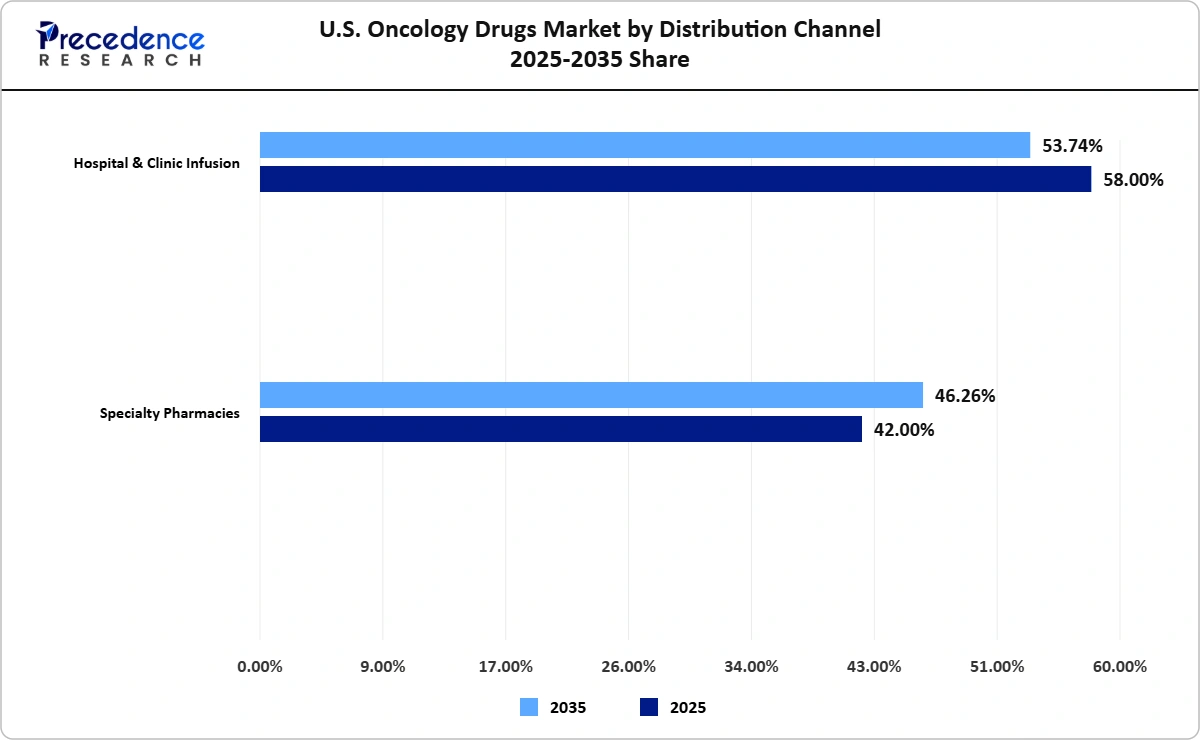
Note: 2025 is the base year; 2035 shares and CAGRs are forecasts.
Sources: Expert interviews, secondary sources, Precedence Research database and Precedence Research analysts.
Hospital and clinic infusion accounted for the largest distribution channel share in 2025, supported by the widespread administration of intravenous oncology medicines. Specialty pharmacies are expected to grow faster as oral targeted therapies become common and insurance providers direct dispensing through affiliated specialty pharmacy networks.
In 2025, Hospital and Clinic Infusion accounted for 58% of the market and is expected to register a CAGR of 8.97% from 2026 to 2035. Hospital outpatient departments and community oncology practices administer a large proportion of infused cancer medicines through buy-and-bill arrangements.
Specialty Pharmacies represented 42% of the market in 2025 and are projected to register a CAGR of 10.87% through 2035. These pharmacies dispense oral oncology medicines and provide patient support services, prior authorization assistance, and adherence management.
Analyst View: Based on our analysis, ADCs and specialty pharmacy dispensing are expected to gain market share at the fastest rates. Lung cancer will continue to represent a major tumour segment, while breast cancer is projected to grow faster as long-duration oral therapies and ADC regimens expand.
Country Analysis of the U.S. Oncology Drugs Market
U.S. Oncology Drugs Market by Country, 2025 Share (%)
| Country | 2025 Share | 2035 Share | CAGR 2026-2035 |
| South | 36.00% | 38.55% | 10.55% |
| Northeast | 22.00% | 21.12% | 9.35% |
| West | 21.00% | 20.16% | 9.35% |
| Midwest | 21.00% | 20.16% | 9.35% |
Note: 2025 is the base year; 2035 shares and CAGRs are forecasts.
Sources: Expert interviews, secondary sources, Precedence Research database and Precedence Research analysts.
The South dominated the U.S. oncology drugs market in 2025, accounting for 36% of revenue. Its lead is supported by its large and ageing population, particularly in Florida and Texas. The region is also expected to record the fastest growth during the forecast period. Meanwhile, the Northeast region benefits from established cancer research institutions and early adoption of innovative oncology treatments.
Regional Insights
The Southern region accounted for 36% of the U.S. oncology drugs market in 2025. Its leading position reflects its large and ageing population in states such as Florida and Texas. The expansion of community oncology networks and increasing treatment demand support a projected CAGR of 10.55% through 2035.
The Northeast region represented 22% of the market in 2025 and is expected to record a CAGR of 9.35% through 2035. The region hosts major cancer research and treatment institutions, including Memorial Sloan Kettering and Dana-Farber, which participate in clinical trials and support early adoption of innovative oncology medicines.
The West region held 21% of the market in 2025. The region includes large integrated healthcare systems and established cancer centres in states such as California and Washington, supporting the adoption of advanced cancer treatments. The region is anticipated to expand at a CAGR of 9.35% through 2035.
The Midwest region also captured a market share of 21% in 2025. The region is projected to grow at a CAGR of 9.35% from 2026 to 2035. Its established academic cancer programmes and high cancer incidence across several states support consistent demand for oncology medicines.
Analyst View: Our analysis indicates that the South region is expected to gain market share steadily as its cancer patient population grows. The Northeast region is expected to maintain its position as an important early-adoption market for new oncology medicines, supported by its concentration of clinical trials and research institutions.
Competitive Landscape
Top 10 Companies in the U.S. Oncology Drugs Market, 2025
| Rank | Company Name | 2025 Share (%) | Key Products / Business | Headquarters |
| 1 | Merck & Co. | 14.00% | Keytruda and Welireg | United States |
| 2 | Bristol Myers Squibb | 9.00% | Opdivo, Revlimid and Breyanzi | United States |
| 3 | AstraZeneca | 9.00% | Tagrisso, Imfinzi and Enhertu | United Kingdom |
| 4 | Roche (Genentech) | 8.00% | Tecentriq, Perjeta and Polivy | Switzerland |
| 5 | Johnson & Johnson | 8.00% | Darzalex, Carvykti and Erleada | United States |
| 6 | Pfizer | 7.00% | Ibrance, Padcev and Xtandi | United States |
| 7 | AbbVie | 4.00% | Imbruvica and Venclexta | United States |
| 8 | Novartis | 4.00% | Kisqali and Pluvicto | Switzerland |
| 9 | Amgen | 4.00% | Blincyto and Lumakras | United States |
| 10 | Gilead Sciences | 3.00% | Trodelvy and Yescarta | United States |
Note: Company shares are 2025 estimates.
Sources: Company press releases, expert interviews, secondary sources, Precedence Research database and Precedence Research analysts.
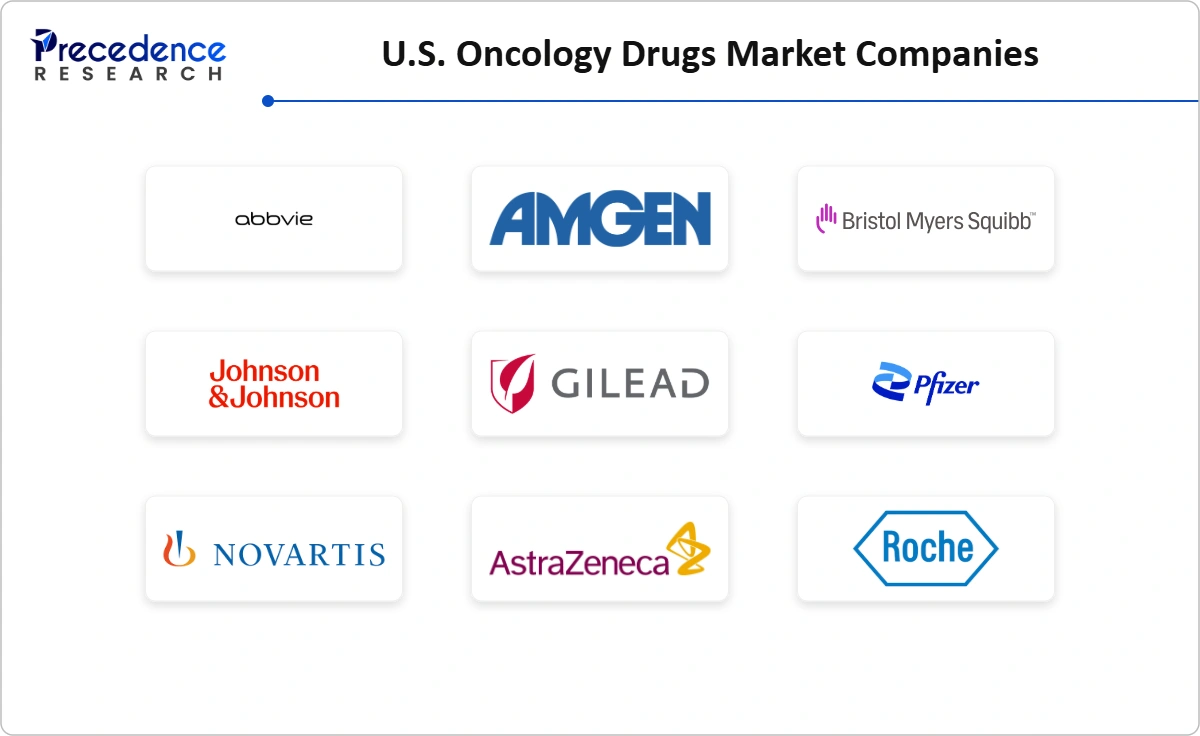
Merck & Co. led the U.S. oncology drugs market in 2025 with an estimated revenue share of 14%, followed by Bristol Myers Squibb and AstraZeneca, each accounting for approximately 9%. Merck's position is supported by Keytruda and Welireg, while Bristol Myers Squibb competes through Opdivo, Revlimid, and Breyanzi. AstraZeneca maintains a strong portfolio through Tagrisso, Imfinzi, and Enhertu.
Other major participants include Roche (Genentech), Johnson & Johnson, Pfizer, AbbVie, Novartis, Amgen, and Gilead Sciences. Their oncology portfolios include Tecentriq, Perjeta, Polivy, Darzalex, Carvykti, Erleada, Ibrance, Padcev, Xtandi, Imbruvica, Venclexta, Kisqali, Pluvicto, Blincyto, Lumakras, Trodelvy, and Yescarta.
In 2025, the top 10 companies accounted for an estimated 70% of U.S. oncology drug market revenue, while the remaining estimated 30% was attributable to other qualifying oncology medicine manufacturers and biotechnology companies. The market is moderately concentrated among major pharmaceutical manufacturers. Competition is primarily driven by clinical trial outcomes, biomarker-defined indications, treatment lines, patent protection, payer access, and patient support programmes.
Company Snapshots
Merck & Co.: Merck & Co. captured an estimated 14% of the U.S. oncology drugs market in 2025, driven largely by its Keytruda and Welireg products. Based in the United States, the company maintains an established oncology portfolio and holds a Leader position in the Precedence Research Companies Quadrant.
Bristol Myers Squibb: Accounting for approximately 9% of the U.S. oncology drugs market in 2025, Bristol Myers Squibb demonstrated a substantial market presence through its oncology portfolio, which features Opdivo, Revlimid, and Breyanzi. The U.S.-based company occupies the Leader category in the Precedence Research Companies Quadrant.
AstraZeneca: With approximately 9% of the U.S. oncology drugs market in 2025, AstraZeneca maintained a competitive position supported by its key oncology medicines, including Tagrisso, Imfinzi, and Enhertu. The United Kingdom-based pharmaceutical company is positioned among the Leaders in the Precedence Research Companies Quadrant.
Roche (Genentech): Roche (Genentech), part of Switzerland-headquartered F. Hoffmann-La Roche Ltd, secured an estimated 8% market share in 2025. Its oncology portfolio features Tecentriq, Perjeta, and Polivy, placing the company among the Leaders in the Precedence Research Companies Quadrant.
Johnson & Johnson: Johnson & Johnson captured an estimated 8% share of the U.S. oncology drugs market in 2025. Based in the United States, the company has established a substantial oncology portfolio comprising Darzalex, Carvykti, and Erleada and is recognized as a Leader in the Precedence Research Companies Quadrant.
Pfizer: Representing nearly 7% of the U.S. oncology drugs market in 2025, Pfizer maintained its competitive standing through its oncology portfolio, particularly Ibrance, Padcev, and Xtandi. Headquartered in New York, the company is included in the Leader category of the Precedence Research Companies Quadrant.
AbbVie: AbbVie captured nearly 4% of the oncology drugs market in 2025, supported mainly by its Imbruvica and Venclexta portfolio. Headquartered in the United States, the company occupies the Innovator category in the Precedence Research Companies Quadrant.
Novartis: Novartis, a Switzerland-based pharmaceutical company, is identified as an Innovator in the Precedence Research Companies Quadrant, with an estimated 4% share of the U.S. oncology drugs market in 2025, supported by key products like Kisqali and Pluvicto.
Amgen: Accounting for approximately 4% of the U.S. oncology drugs market in 2025, Amgen maintained its oncology presence through its key products, Blincyto and Lumakras. The U.S.-based company is categorized as an Innovator in the Precedence Research Companies Quadrant.
Gilead Sciences: Gilead Sciences accounted for approximately 3% of the U.S. oncology drugs market in 2025. Its oncology portfolio includes Trodelvy and Yescarta. The U.S.-based company is classified as an Innovator in the Precedence Research Companies Quadrant.
Company Ecosystem
The U.S. oncology drugs ecosystem connects discovery and biotechnology companies, pharmaceutical manufacturers, distributors and specialty pharmacies, healthcare providers, and payers and regulators. Each participant contributes to drug discovery, development, manufacturing, distribution, treatment delivery, approval, or reimbursement before medicines reach patients.
U.S. Oncology Drugs Market Ecosystem
| Ecosystem Stage | Role in the Market | Key Companies |
| Discovery & Biotech | Discover new targets | Biotechs and academic labs |
| Drug Makers | Develop and sell drugs | Merck, BMS, AstraZeneca, Roche |
| Distributors & Specialty Pharmacies | Supply and dispense | McKesson, Cencora, specialty pharmacies |
| Providers | Treat patients | Cancer centres, oncology practices |
| Payers & Regulators | Approve and pay | FDA, CMS, insurers |
Sources: Company press releases, expert interviews, secondary sources, Precedence Research database and Precedence Research analysts.
Discovery & Biotech: Early-stage biotechnology innovations, including new ADC payloads and bispecific antibodies, typically originate from biotechnology firms and academic labs, which may subsequently license or sell them to larger pharmaceutical companies.
Drug Makers: Major pharmaceutical companies conduct late-stage clinical trials, obtain regulatory approvals, and distribute oncology medicines, establishing relationships with oncologists across the United States.
Distributors & Specialty Pharmacies: Specialty distributors supply oncology medicines to infusion centres, while specialty pharmacies dispense oral cancer drugs and provide prior authorization and treatment adherence support.
Providers: Academic cancer centres adopt innovative treatment regimens at an early stage, while community oncology practices provide treatment to patients closer to home.
Payers & Regulators: The FDA's accelerated approval pathway and CMS policies impact the availability and pricing of oncology medicines, while private insurers affect patient access through their coverage and authorization practices.
The market value chain connects upstream drug discovery and biotechnology activities with pharmaceutical manufacturing, distribution partners, healthcare providers, and end users. Companies that integrate multiple stages or establish long-term relationships with end users can strengthen their position within the oncology drugs ecosystem.
Precedence Research Companies Quadrant
The Precedence Research Companies Quadrant positions key participants in the U.S. oncology drugs market by market strength, reflecting revenue scale, market share, and geographic reach, and by innovation and growth strategy, reflecting product portfolio breadth, R&D intensity, and partnerships. Positions reflect each company's estimated 2025 share of the U.S. oncology drugs market and our assessment of its product innovation, portfolio breadth, and partnerships.
Sources: Company press releases, expert interviews, secondary sources, Precedence Research database and Precedence Research analysts.
Leaders: Merck & Co., Bristol Myers Squibb, AstraZeneca, Roche (Genentech), Johnson & Johnson, and Pfizer combine high market shares with broad oncology portfolios and strong innovation capabilities.
Innovators: AbbVie, Novartis, Amgen, and Gilead Sciences contribute through specialized oncology products and newer treatment technologies.
Recent Developments
- October 2026: The FDA granted accelerated approval to dostarlimab for adults with MSI-H/dMMR locally advanced rectal cancer, one of several oncology approvals that month, alongside an expanded approval for talazoparib plus enzalutamide in prostate cancer.
U.S. Oncology Drugs Market Segments Covered
By Drug Class
- Targeted Therapy
- Immunotherapy
- Antibody-Drug Conjugates
- Cell & Gene Therapy
- Chemotherapy & Hormonal Therapy
By Cancer Type
- Lung Cancer
- Blood Cancers
- Breast Cancer
- Prostate Cancer
- Colorectal & Others
By Distribution Channel
- Hospital & Clinic Infusion
- Specialty Pharmacies
By Region
- South (Texas, Florida, Georgia, North Carolina, Rest of South)
- West (California, Arizona, Colorado, Washington, Rest of West)
- Midwest (Illinois, Ohio, Michigan, Indiana, Rest of Midwest)
- Northeast (New York, Pennsylvania, New Jersey, Massachusetts, Rest of Northeast)
Research Methodology: The U.S. oncology drugs market was evaluated using a bottom-up assessment of prescription oncology medicine sales, treatment volumes, patient populations, average treatment costs, and product-level revenue across major drug classes and cancer indications. The study covers qualifying prescription medicines used to treat solid tumors and hematologic malignancies, including targeted therapies, immunotherapies, antibody-drug conjugates, cell therapies, radiopharmaceuticals, chemotherapy and hormonal therapies. The 2025 base-year estimate was developed using U.S.-specific oncology product sales reported by pharmaceutical manufacturers, available market-spending data, treatment utilization and product-level commercial information. Where companies reported global or broader therapeutic-area revenue, the analysis isolated the U.S. oncology component using available geographic and product-level disclosures. The market estimate uses a consistent revenue-recognition basis and avoids double counting between manufacturers, collaboration partners, wholesalers, pharmacies and healthcare providers. Revenue was allocated across drug classes based on the primary product modality and defined classification rules. Cancer-type estimates were developed using indication-level sales, eligible patient populations, treatment volumes, regimen costs and treatment duration. Medicines approved for multiple cancer indications were apportioned across relevant tumour categories using indication-level utilization assumptions. Distribution-channel estimates were based on the defined dispensing or procurement route, with provider-administered and pharmacy-dispensed medicines treated separately. Regional estimates were allocated according to the location of the end patient, prescribing provider, or dispensing activity, as specified in the study methodology. Company market shares were calculated using U.S. oncology product revenue rather than total corporate revenue. Products developed or commercialized through partnerships were allocated according to a consistent revenue-attribution methodology. The 2026-2035 forecast incorporates expected changes in cancer incidence, treatment adoption, new product launches, indication expansions, treatment duration, biosimilar and generic competition, patent expiries, Medicare drug price negotiations, and other relevant pricing developments. Alternative scenarios were considered for major products facing potential loss of exclusivity and for emerging treatment modalities.
Analyst View: In our assessment, the U.S. oncology drugs market is positioned for sustained growth, supported by new drug approvals, earlier-line use of immunotherapy, adoption of antibody-drug conjugates and bispecific antibodies, and longer patient survival. Targeted Therapy will continue to represent a major drug class, while ADCs are expected to record the fastest growth as their applications expand across cancer types and treatment stages. Lung cancer will remain a leading source of oncology drug spending, whereas breast cancer is projected to grow faster through the adoption of oral therapies and ADC regimens. The South region is expected to maintain its leading regional position and gain market share, while the Northeast region will continue to support early adoption of innovative treatments. Pharmaceutical companies focusing on clinical innovation, biomarker-driven treatment, advanced drug delivery, and expanded treatment access are expected to strengthen their competitive positions.
Sources and References
- Pharmacy Times. "October 2026 oncology roundup: new approvals, trial findings inform treatment decisions". October 2026. News. (Source: pharmacytimes.com)
For inquiries regarding discounts, bulk purchases, or customization requests, please contact us at sales@precedenceresearch.com
Frequently Asked Questions





Ask For Sample
No cookie-cutter, only authentic analysis – take the 1st step to become a Precedence Research client
 Get a Sample




 sales@precedenceresearch.com
 Schedule a Meeting
