



Tau Protein Targeting Therapeutics Market Size, Companies, Share, Patient Volume, Treatment Adoption Rates, Pricing Analysis, Regulatory Landscape, Competitive Positioning, and Demand Forecast
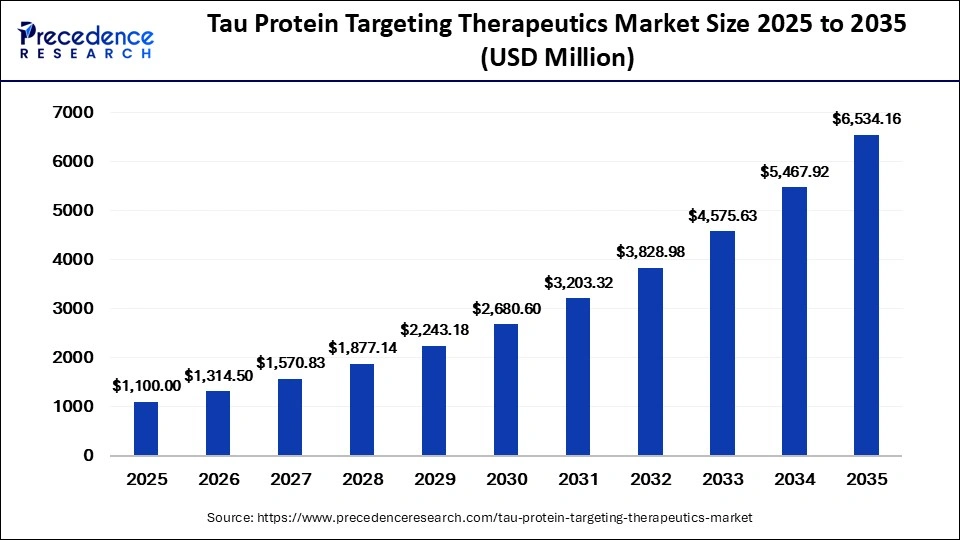
Rohan Patil, a Healthcare Industry Expert, highlights that the tau protein targeting therapeutics market has reached USD 1,314.50 million in 2026 and is on track to reach USD 6,534.16 million by 2035, advancing at a CAGR of 19.50%. Key tau protein targeting therapeutics market companies shaping the market include Biogen Inc., F. Hoffmann-La Roche Ltd., Eli Lilly and Company, AbbVie Inc., while major growth segments span By Therapeutic Type, By Indication, By Mechanism of Action, By Route of Administration, By End-Use.
Source: https://www.precedenceresearch.com/tau-protein-targeting-therapeutics-market
 Get a Sample
 Table Of Content


What is the Tau Protein Targeting Therapeutics Market Size in 2026?
The global tau protein targeting therapeutics market size was calculated at USD 1,100.00 million in 2025 and is predicted to increase from USD 1,314.50 million in 2026 to approximately USD 6,534.16 million by 2035, expanding at a CAGR of 19.50% from 2026 to 2035. The rising prevalence of neurodegenerative disorders, along with increased research activities and government healthcare initiatives, is a key driver of market growth.
Key Takeaways
- North America led the tau protein targeting therapeutics market with a share of 44% in 2025.
- Asia-Pacific is expected to be the fastest-growing region with a CAGR of 24% in the forecasted duration.
- By therapeutic type, the monoclonal antibodies segment led the market with 42% share in 2025.
- By therapeutic type, the gene therapies segment is expected to grow at the fastest CAGR of 28% in the predictive window.
- By indication, the Alzheimer's disease segment led the global market in 2025 with 58% share and is expected to grow at the highest CAGR of 20% in the fiscal period.
- By mechanism of action, the tau aggregation inhibition segment led the global market with a share of 34% in 2025.
- By mechanism of action, the tau clearance enhancement segment is expected to be the fastest-growing segment with a CAGR of 24% in the foreseeable period.
- By route of administration, the intravenous (IV) segment led the global market with a share of 48% in 2025.
- By route of administration, the intrathecal segment is expected to expand rapidly with a CAGR of 23% in the fiscal period.
- By end-use, the hospitals segment led the global market with a share of 40% in 2025.
- By end-use, the pharmaceutical and biotechnology companies segment is expected to be the fastest-growing segment with a 25% CAGR in the foreseeable period.
Tau Protein Targeting Therapeutics Market Overview
Tau is a microtubule-associated protein that plays a crucial role in maintaining the stability of neuronal microtubules. In tauopathies, the tau protein undergoes abnormal modifications and misfolding, leading to its detachment from microtubules and the formation of disease-specific pathological lesions. Research indicates that inhibiting the transmission of tau proteins between neurons could be instrumental in slowing the onset and progression of these disorders. This therapeutic potential underscores its increasing relevance in the development of targeted treatment strategies.
Impact of Artificial Intelligence on the Tau Protein Targeting Therapeutics Market
Artificial intelligence (AI) has transformed the drug discovery process within the healthcare sector by expediting research, identifying predictive errors, and lowering overall costs. AI-assisted ligand-based virtual screening tools, such as PyRMD, are utilized to examine compound libraries from the ZINC database to pinpoint potential tau aggregation inhibitors. Furthermore, AI-driven nanobody engineering targeting intrinsically disordered proteins has emerged as a promising strategy for developing tau-targeted single-domain antibodies. Additionally, companies are harnessing artificial intelligence to create proprietary decoy peptides that target and neutralize toxic beta-amyloid peptides, known to disrupt protein-protein interactions within the neuronal prosome complex and hinder neurotransmitter release, thereby fostering market growth.
Tau Protein Targeting Therapeutics Market Trends
- Tau Antibody Therapeutics: Emerging Market Interest: Clinical studies indicate that tau antibodies may be effective in limiting the propagation of tau protein across different regions of the brain. This therapeutic strategy is attracting increasing attention in the market as researchers pursue disease-modifying approaches for neurodegenerative disorders.
- Hyperphosphorylation of Tau: Expanding Research Landscape: In addition to amyloid-beta pathology, the hyperphosphorylation of tau protein is receiving significant focus due to its involvement in microtubule dissociation and tau aggregation. Ongoing research efforts are anticipated to enhance future development prospects for tau-targeted therapies.
- Vitamin D and Tau: Preventive Research Trend: Recent research suggests that elevated midlife serum 25(OH)D levels may correlate with reduced tau deposition in later life. This emerging area of preventive research is garnering substantial interest within the advancing neurodegenerative therapeutics market.
Market Scope
| Report Coverage | Details |
| Market Size in 2025 | USD 1,100.00 Million |
| Market Size in 2026 | USD 1,314.50 Million |
| Market Size by 2035 | USD 6,534.16 Million |
| Market Growth Rate from 2026 to 2035 | CAGR of 19.50% |
| Dominating Region | North America |
| Fastest Growing Region | Asia Pacific |
| Base Year | 2025 |
| Forecast Period | 2026 to 2035 |
| Segments Covered | Therapeutic Type, Indication, Mechanism of Action, Route of Administration, End-Use, and Region |
| Regions Covered | North America, Europe, Asia-Pacific, Latin America, and Middle East & Africa |
Market Dynamics
Drivers
Rising Demand for Disease-Modifying Therapies.
The rising prevalence of Alzheimer's disease and other neurodegenerative disorders, particularly among the aging global population, is significantly driving the demand for Tau protein targeting therapeutics. There is a growing concern regarding longer life expectancy and the increasing incidence of these conditions, which has accelerated research efforts toward disease-modifying therapies aimed at slowing disease progression and delaying clinical onset. Consequently, pharmaceutical companies and research organizations are increasingly investing in the development of innovative therapeutic strategies for advanced neurodegenerative diseases.
Restraint
Complexity in Tau Pathology and Clinical Developments
The diverse characteristics of Tau pathology, which encompass various tau isoforms and a wide range of clinical presentations, present significant challenges in the development of effective therapies. The development of previous anti-amyloid treatments took decades of clinical refinement, including the validation of markers and optimization of patient selection. Likewise, the progress of Tau-targeted therapies is hindered by limitations related to disease stage identification, diagnostic specificity, and the complexity of clinical trials. There is a pressing need for sensitive biomarkers and a deeper understanding of disease progression, as these factors may continue to impede swift commercialization and therapeutic success.
Opportunity
Expanding Research Collaboration and Clinical Awareness
Enhanced collaboration among research organizations, healthcare institutions, and government bodies is generating new growth opportunities in the market. This collaboration raises awareness about degenerative diseases, and combined with expanding clinical trial programs and interregional research initiatives, is anticipated to facilitate future therapeutic advancements. Historically, broader participation in clinical studies and investment in innovative treatment approaches can improve accessibility, enhance research outcomes, and promote the development of more cost-effective and advanced therapeutic solutions for patients.
Segmental Insights
Therapeutic Type Insights
Tau Protein Targeting Therapeutics Market Share, By Therapeutic Type, 2025-2035 (%)
| Therapeutic Type | 2025 | 2035 | CAGR (%) |
| Monoclonal Antibodies | 42.00% | 40.00% | 18.80% |
| Small Molecule Inhibitors | 28.00% | 26.00% | 16.50% |
| Vaccines | 18.00% | 20.00% | 22.50% |
| Gene Therapies | 12.00% | 14.00% | 28.00% |
The Monoclonal Antibodies Segment Led the Market with 42% of Market Share in 2025
The monoclonal antibodies segment led the tau protein targeting therapeutics market with a share of 42% in 2025, driven by the increasing development of anti-tau antibody therapies. There is a notable trend towards anti-tau antibodies and passive immunotherapies, bolstered by the rising success of clinical trials in these approaches. Furthermore, the growing demand for disease-modifying therapies is enhancing the segment's growth. Monoclonal antibody therapies can stimulate immune responses that combat diseases and modulate specific immune cell signaling pathways, which solidify their dominant position in the market.
The small molecule inhibitors segment represented approximately 28% of the market share in 2025 and is anticipated to grow at a CAGR of 16.5% in the coming years, driven by an increasing emphasis on oral therapeutics aimed at inhibiting tau aggregation. This segment encompasses tau aggregation inhibitors and kinase inhibitors. Small molecule inhibitors effectively target specific proteins or enzymes implicated in disease pathology. The rising demand for cost-effective treatment options, alongside heightened research and development activities focused on kinase inhibition pathways, is driving the expansion of this segment.
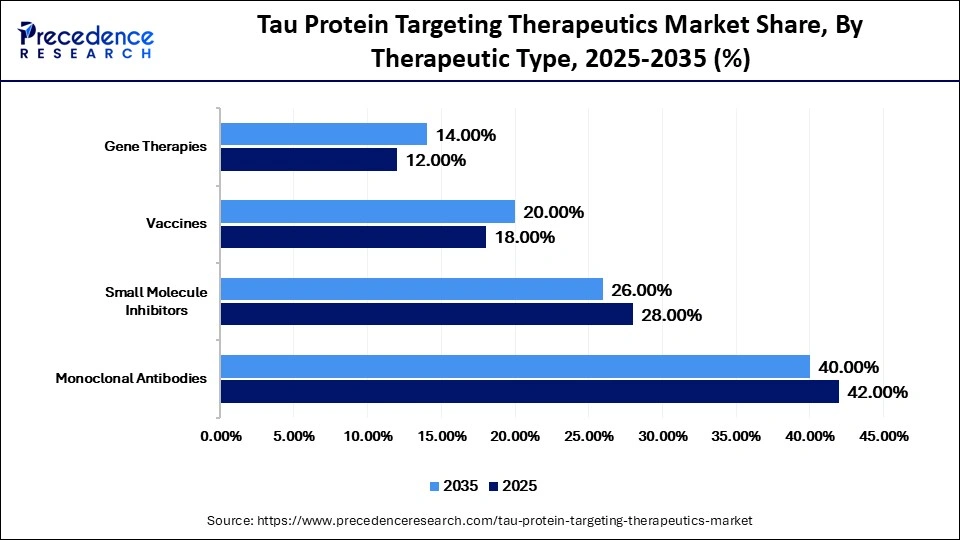
The vaccines segment accounted for around 18% of the market share in 2025 and is projected to experience a CAGR of 22.5% throughout the forecast period. This growth is attributed to a growing interest in active immunotherapy for long-term disease management and increased research into peptide-based tau vaccines. The emphasis on active immunotherapies and peptide-based vaccines highlights their potential for preventive strategies in neurodegenerative diseases.
The gene therapies segment accounted for about 12% of the market share in 2025 and is expected to be the fastest-growing segment with a CAGR of 28% from 2026 to 2035. This growth can be linked to rapid advancements in antisense oligonucleotide technologies, a rising utilization of antisense oligonucleotides (ASOs), and increased investment in RNA-based therapeutics. Additionally, the growing focus on precision medicine and genetic targeting is further propelling the growth of this segment. Gene therapy holds the promise of delivering effective, long-lasting solutions by addressing the underlying issues at the cellular level.
Indication Insights
The Alzheimer's Disease Segment Led the Market with 58% Share in 2025
The Alzheimer's disease segment led the tau protein targeting therapeutics market, representing 58% of the market share in 2025 and is expected to grow at the fastest CAGR of 20% in the coming years. This growth is attributed to the high global prevalence of Alzheimer's disease. Tau protein plays a critical role in regulating the construction, maintenance, and remodelling of the cytoskeleton by stabilizing microtubules, and there is a significant clinical emphasis on addressing tau pathology. Additionally, increased investments in neurodegenerative drug development are bolstering the prominence of this segment.
The frontotemporal dementia (FTD) segment captured approximately 14% of the market share in 2025 and is projected to grow at a CAGR of 15.5% in the upcoming years, driven by heightened awareness of rare tauopathies. Frontotemporal dementia impacts the frontal and temporal lobes of the brain, progressively impairing their function. The advancement of targeted neurological therapies and the rise of biomarker-driven treatment approaches are fostering research within this market.
Tau Protein Targeting Therapeutics Market Share, By Indication, 2025-2035 (%)
| Indication | 2025 | 2035 | CAGR (%) |
| Alzheimer's Disease | 58.00% | 60.00% | 20.00% |
| Frontotemporal Dementia (FTD) | 14.00% | 13.00% | 15.50% |
| Progressive Supranuclear Palsy (PSP) | 10.00% | 9.00% | 14.00% |
| Corticobasal Degeneration (CBD) | 7.00% | 6.00% | 12.50% |
| Chronic Traumatic Encephalopathy (CTE) | 6.00% | 7.00% | 18.00% |
| Other Tauopathies | 5.00% | 5.00% | 11.00% |
The progressive supranuclear palsy (PSP) segment constituted about 10% of the market share in 2025 and is expected to experience a CAGR of 14% in the coming years, reflecting an increased research focus on PSP-specific tau therapeutics. PSP affects motor functions, leading to challenges such as loss of balance, difficulty in walking or swallowing, slurred speech, and problems with eye movement. The growth of orphan drug development initiatives and heightened clinical trial activity are contributing to market expansion.
The corticobasal degeneration (CBD) segment represented around 7% of the market share in 2025 and is projected to grow at a CAGR of 12.5% during the forecast period, fueled by the advancement of precision medicine approaches in rare neurological diseases. Corticobasal degeneration, also referred to as corticobasal syndrome, is a rare condition characterized by the atrophy of specific brain regions. Increased investments in therapeutics for rare diseases and growing awareness among neurology specialists are enhancing research efforts in this area.
Mechanism of Action Insights
Tau Protein Targeting Therapeutics Market Share, By Mechanism of Action, 2025-2035 (%)
| Mechanism of Action | 2025 | 2035 | CAGR (%) |
| Tau Aggregation Inhibition | 34.00% | 32.00% | 17.00% |
| Tau Phosphorylation Inhibition | 24.00% | 23.00% | 16.00% |
| Microtubule Stabilization | 16.00% | 15.00% | 13.50% |
| Tau Clearance Enhancement | 18.00% | 22.00% | 24.00% |
| Neuroinflammation Modulation | 8.00% | 8.00% | 15.00% |
The Tau Aggregation Inhibition Segment Held the Largest Market Share of 34% in 2025
The tau aggregation inhibition segment led the tau protein targeting therapeutics market with a share of 34% in 2025, largely due to robust research efforts aimed at preventing the accumulation of tau proteins. This approach focuses on inhibiting the abnormal clustering of proteins into large, insoluble aggregates that are challenging to dissolve. The ongoing development of aggregation-blocking compounds continues to reinforce the dominance of this segment.
The tau phosphorylation inhibition segment represented approximately 24% of the market share in 2025 and is anticipated to grow at a CAGR of 16% in the coming years, fuelled by the emergence of kinase inhibitors that target tau phosphorylation. This process, which involves the addition of phosphate groups to amino acids, is the most prevalent post-translational modification of tau protein, influencing its solubility, localization, function, interactions with other proteins, and susceptibility to further modifications. Research into molecules capable of inhibiting tau phosphorylation is on the rise, driven by increased exploration of disease progression pathways.
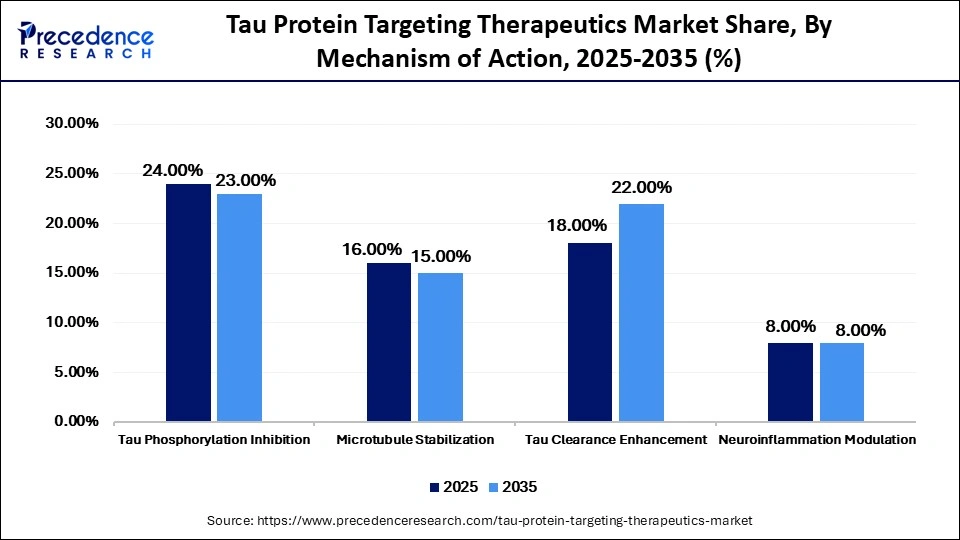
The microtubule stabilization segment accounted for around 16% of the market share in 2025 and is expected to grow at a CAGR of 13.5% in the years ahead, as interest in restoring neuronal stability intensifies. Stabilizing agents and the assembly-promoting motifs of tau protein play a crucial role in the functionality of beta-tubulin. Enhanced stability of the microtubule network is vital for optimal cellular performance, and the expansion of drug development focused on the central nervous system is further bolstering market growth.
The tau clearance enhancement segment captured about 18% of the market share in 2025 and is expected to be the fastest-growing segment with a CAGR of 24% from 2026 to 2035, driven by the increasing adoption of immunotherapy-based strategies for tau clearance. Mechanisms for tau clearance are likely to be significant contributors to addressing neurodegenerative diseases such as Alzheimer's disease and frontotemporal lobar degeneration. The heightened focus on disease-modifying treatment strategies is propelling market advancements.
Route of Administration Insights
Intravenous (IV) Segment Dominated the Market with a 48% Share in 2025
The intravenous (IV) segment led the tau protein targeting therapeutics market with a 48% share in 2025, primarily due to the increasing prevalence and extensive use of monoclonal antibody therapies. Its strong clinical adoption in hospital environments, along with a growing pipeline of biologics based treatments, reinforces its leadership. IV therapy allows for efficient absorption of fluids by bypassing the gastric system, facilitating rapid medication delivery to target organs.
The oral segment represented approximately 24% of the market in 2025 and is anticipated to grow at a CAGR of 18% in the coming years, fueled by a rising preference for convenient administration methods. Nearly 60% of established small-molecule drug products are delivered orally. The expanding development of small-molecule therapeutics, coupled with enhanced patient adherence, is driving the growth of this segment.
Tau Protein Targeting Therapeutics Market Share, By Route of Administration, 2025-2035 (%)
| Route of Administration | 2025 | 2035 | CAGR (%) |
| Intravenous (IV) | 48.00% | 44.00% | 17.50% |
| Oral | 24.00% | 25.00% | 18.00% |
| Intrathecal | 18.00% | 20.00% | 23.00% |
| Subcutaneous | 10.00% | 11.00% | 19.50% |
The intrathecal segment captured around 18% of the market share in 2025 and is expected to be the fastest-growing segment with a CAGR of 23% in the forthcoming years. This growth is attributed to the increasing utilization of RNA- and gene-based neurological therapies and the heightened demand for targeted central nervous system (CNS) drug delivery. Intrathecal administration minimizes side effects by delivering medications directly to the spinal cord, while the advancement of neurology treatment protocols further bolsters market expansion.
The subcutaneous segment achieved approximately 10% market share in 2025 and is expected to experience a CAGR of 19.5% during the forecast period, driven by the rising development of self-administered biologic therapies. This method is particularly effective for medications requiring slow, sustained absorption, offering a convenient and efficient delivery option for various conditions. Additionally, the growing emphasis on outpatient neurological care is contributing to market growth.
End-Use Insights
The Hospitals Segment Led the Market with 40% Share in 2025
The hospitals segment led the tau protein targeting therapeutics market, representing nearly 40% of the total share in 2025. This leadership can be attributed to a significant influx of patients seeking treatment for neurodegenerative diseases, the rising utilization of biologics and infusion-based therapies, and the enhanced availability of specialized neurology departments.
The specialty neurology clinics segment comprised approximately 22% of the market share in 2025 and is expected to grow at a CAGR of 20% in the coming years, driven by an increasing demand for specialized neurological care, greater adoption of personalized treatment protocols, advancements in brain tumour management and surgical techniques, improvements in stroke prevention and rehabilitation, the expansion of brain damage recovery programs, and a growing number of dementia-focused treatment centers.
Tau Protein Targeting Therapeutics Market Share, By End-Use, 2025-2035 (%)
| End-Use | 2025 | 2035 | CAGR (%) |
| Hospitals | 40.00% | 36.00% | 17.00% |
| Specialty Neurology Clinics | 22.00% | 24.00% | 20.00% |
| Academic & Research Institutes | 20.00% | 18.00% | 16.00% |
| Pharmaceutical & Biotechnology Companies | 18.00% | 22.00% | 25.00% |
The academic and research institutes segment represented around 20% of the market share in 2025 and is expected to grow at a CAGR of 16% during the forecast period. This growth is supported by an increase in global funding for neurological research, the rise of biomarker and tauopathy research initiatives, and a surge in collaborations with pharmaceutical companies.
The pharmaceutical and biotechnology companies segment captured nearly 18% of the market share in 2025 and is expected to be the fastest-growing segment with a CAGR of 25% from 2026 to 2035, driven by heightened investments in neurodegenerative drug pipelines, an increase in the clinical development of tau-targeting therapies, and a growing number of strategic partnerships and licensing agreements that facilitate market adoption.
Regional Insights
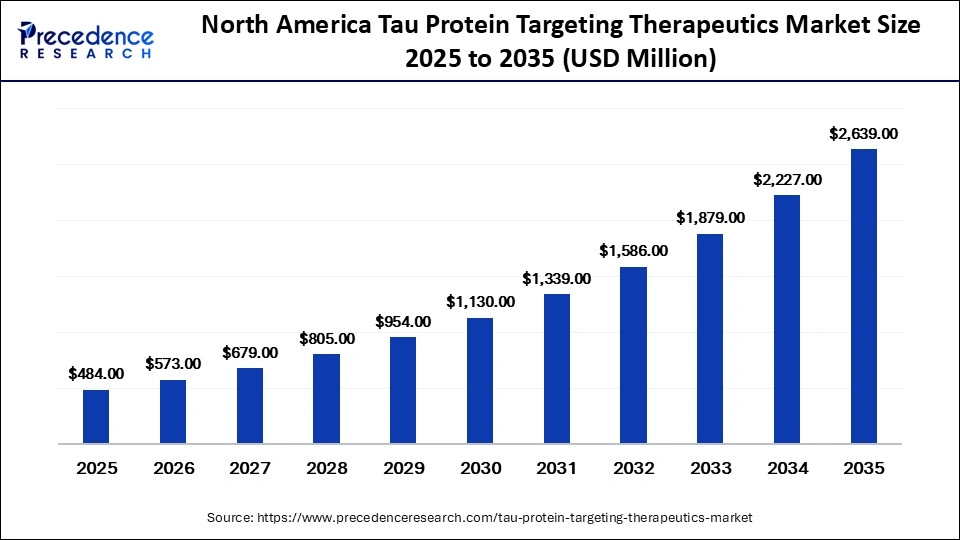
North America Tau Protein Targeting Therapeutics Market Size and Growth 2026 to 2035
The North America tau protein targeting therapeutics market size was exhibited at USD 484.00 million in 2025 and is projected to be worth around USD 2,639.00 million by 2035, growing at a CAGR of 18.50% from 2026 to 2035.
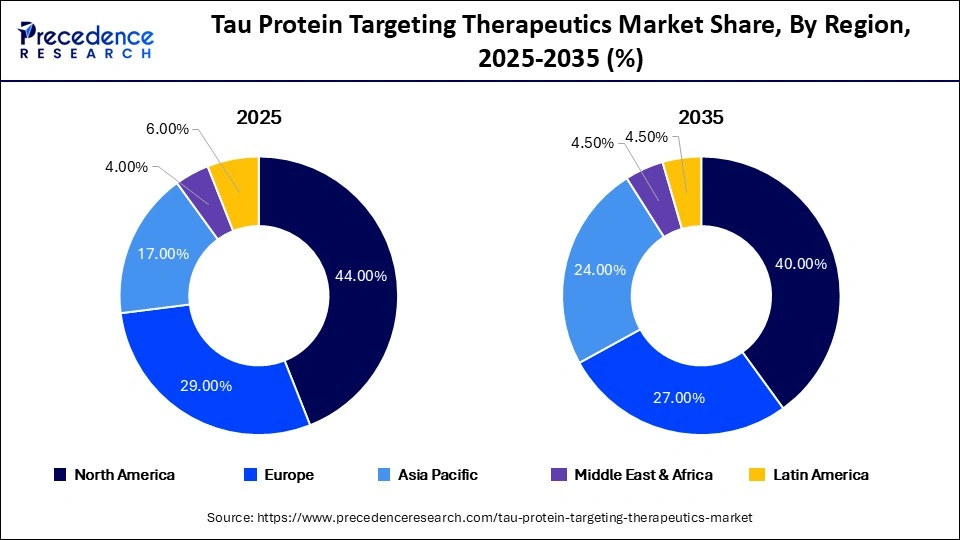
North America Dominated the Market with a 44% Share in 2025
North America held a major revenue share of 44% in the tau protein targeting therapeutics market in 2025, largely due to a robust research ecosystem focused on neurodegenerative diseases. There has been a notable increase in clinical trials targeting tau proteins, complemented by substantial investments in Alzheimer's disease drug development and the presence of major biotechnology and pharmaceutical companies, all of which are propelling market growth.
U.S. Tau Protein Targeting Therapeutics Market Size and Growth 2026 to 2035
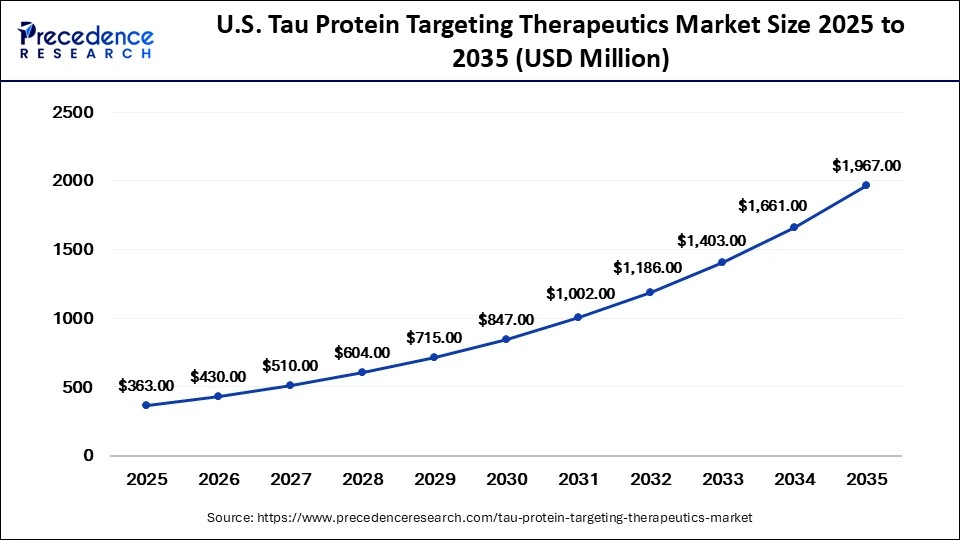
The U.S. tau protein targeting therapeutics market size was evaluated at USD 363.00 million in 2025 and is projected to reach around USD 1,967.00 million by 2035, growing at a CAGR of 18.59% from 2026 to 2035.
U.S. Market Trends
The United States continues to be a key player in the North American market, bolstered by a high incidence of tauopathy-related conditions such as AD, PSP, and FTD. Advancements in innovation, research, and development investments in tau protein targeting therapeutics are broadening market opportunities. Furthermore, the availability of FDA approvals and evolving guidelines is enhancing the quality of research in this field.
How is Asia-Pacific Growing in the Tau Protein Targeting Therapeutics Market?
Asia-Pacific held 17% of the market share in 2025 and is expected to be the fastest-growing region with a CAGR of 24% during the forecast period, driven by a rapidly aging population that is particularly susceptible to tauopathies. Investments in neurological research are on the rise in China and Japan, while increased clinical trial activity for Alzheimer's therapeutics and the development of biotechnology innovation hubs are further supporting market expansion.
China Market Trends
China is leading the Asia-Pacific region, with the government significantly increasing funding for neurodegenerative disease research, thereby creating a favorable environment for innovation. Initiatives such as the Healthy China 2030 plan emphasize the importance of neurodegenerative disease research, facilitating enhanced funding and infrastructure development.
Will Europe Grow in the Tau Protein Targeting Therapeutics Market?
Europe held 29% of the market share in 2025 and is expected to grow at a considerable CAGR of 17.8% for the upcoming years, driven by a heightened focus on therapies for neurodegenerative diseases. Strong academic collaborations in tauopathy research, increased government support for dementia treatment programs, and growing investments in precision neurology are all contributing to market advancement.
Germany Market Trends
Germany is witnessing significant growth within the European market, supported by heightened awareness and research initiatives. Major companies are collaborating with regional and local healthcare authorities to enforce mandatory authorization requirements for research activities.
Tau Protein Targeting Therapeutics Market Companies
- Biogen Inc.
- F. Hoffmann-La Roche Ltd.
- Eli Lilly and Company
- AbbVie Inc
- Johnson & Johnson
- Novartis AG
- TauRx Pharmaceuticals
- AC Immune SA
- Ionis Pharmaceuticals
- Alzheon Inc.
- UCB Pharma
- Eisai Co., Ltd.
- Pfizer Inc.
- Bristol Myers Squibb
- Vaxxinity Inc.
Recent Developments
- In April 2026, AC Immune SA announced a revised agreement with Eli Lilly and Company to focus on the research and development of Tau aggregation inhibitor small molecules aimed at potentially treating AD and other neurodegenerative disorders. The amendment extends their collaborative efforts to include the development of new lead Tau Morphomer candidates and potential backup compounds.(Source: https://www.globenewswire.com)
- In December 2025, Arrowhead Pharmaceuticals commenced a Phase 1/2a study of ARO-MAPT aimed at treating Alzheimer's disease and other tauopathies, which are progressive neurodegenerative disorders marked by cognitive and functional decline.(Source: https://ir.arrowheadpharma.com)
Segments Covered in the Report
By Therapeutic Type
- Monoclonal Antibodies
- Anti-tau Antibodies
- Passive Immunotherapies
- Small Molecule Inhibitors
- Tau Aggregation Inhibitors
- Kinase Inhibitors
- Vaccines
- Active Immunotherapies
- Peptide-based Vaccines
- Gene Therapies
- Antisense Oligonucleotides (ASOs)
- RNA-based Therapies
By Indication
- Alzheimer's Disease
- Frontotemporal Dementia (FTD)
- Progressive Supranuclear Palsy (PSP)
- Corticobasal Degeneration (CBD)
- Chronic Traumatic Encephalopathy (CTE)
- Other Tauopathies
By Mechanism of Action
- Tau Aggregation Inhibition
- Tau Phosphorylation Inhibition
- Microtubule Stabilization
- Tau Clearance Enhancement
- Neuroinflammation Modulation
By Route of Administration
- Intravenous
- Oral
- Intrathecal
- Subcutaneous
By End-Use
- Hospitals
- Specialty Neurology Clinics
- Academic & Research Institutes
- Pharmaceutical & Biotechnology Companies
By Region
- North America
- Latin America
- Europe
- Asia-pacific
- Middle and East Africa
For inquiries regarding discounts, bulk purchases, or customization requests, please contact us at sales@precedenceresearch.com
Frequently Asked Questions





Ask For Sample
No cookie-cutter, only authentic analysis – take the 1st step to become a Precedence Research client
 Get a Sample




 sales@precedenceresearch.com
 Schedule a Meeting
